
Aromatherapy Basics: Essential Oils for Wellness
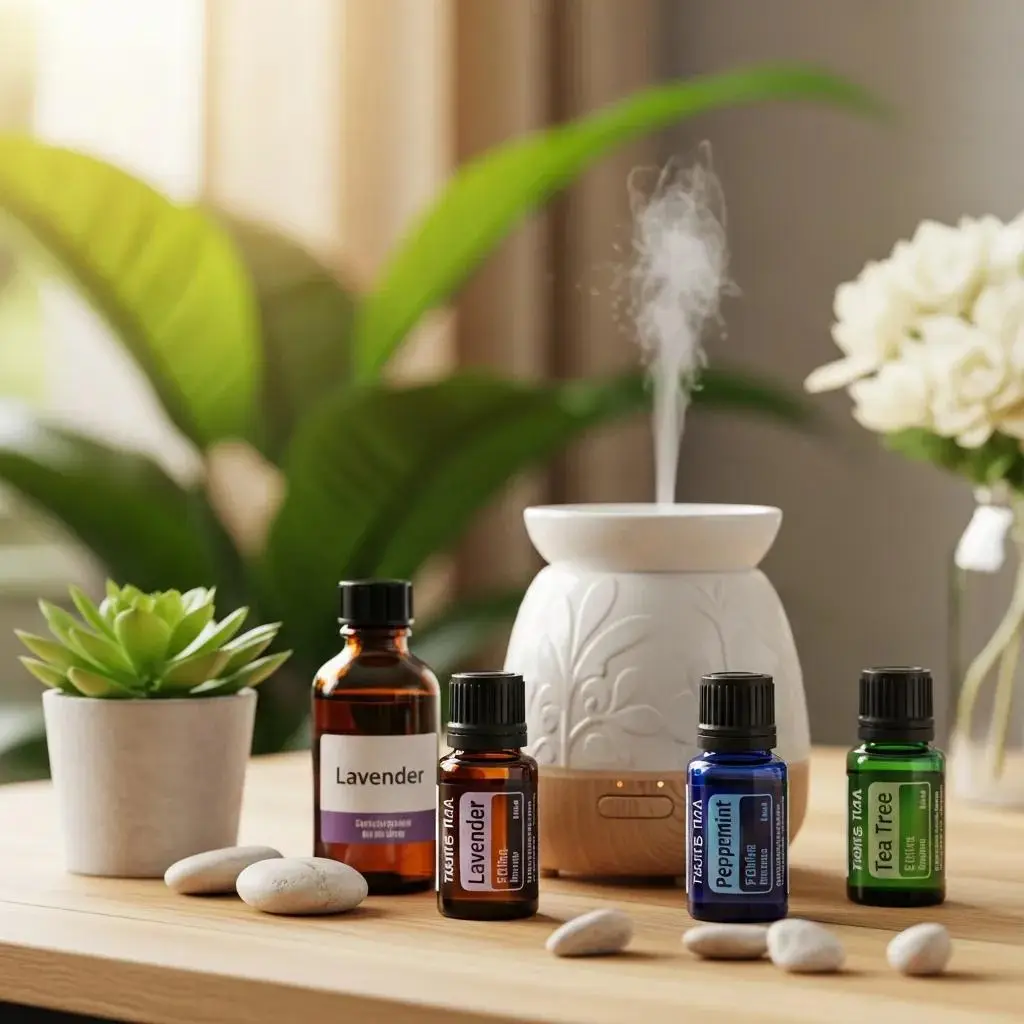
Aromatherapy Basics: Essential Oils for Wellness and How to Use Them Safely
Aromatherapy uses concentrated plant extracts — essential oils — to help with relaxation, sleep, breathing comfort, and other everyday wellness goals when used safely. This guide explains what essential oils are, how aromatherapy works when you inhale them or apply them to skin, and which oils people commonly reach for for anxiety, sleep, and minor skin or respiratory support. If you want clear, evidence-informed steps for safe use, easy dilution rules, and a few starter recipes, this article delivers practical advice plus pharmacist-led safety reminders. You’ll learn how oils are extracted, what to look for when judging quality, safe diffuser and dilution practices, the main benefits of lavender, peppermint, and tea tree, and three simple recipes for beginners. We also cover how aromatherapy can complement natural supplements and pharmacy services — not replace medical care.
What Are Essential Oils and How Do They Support Wellness?
Essential oils are concentrated extracts from plants, usually made by steam distillation or cold-pressing. Their volatile aromatic compounds act on your sense of smell and, with proper dilution, can have limited effects through the skin. When you inhale an oil, scent molecules stimulate olfactory receptors and send signals to the limbic system — a part of the brain involved in mood, stress response, and memory. Applied topically (diluted), oils may produce localized effects such as soothing or mild antimicrobial action. Common uses include easing stress and anxiety, supporting sleep, minor topical skin care, and short-term respiratory comfort via inhalation. Look for clear botanical names and minimal additives as quality signals; these reduce the chance of adulteration and lower irritation risk.
If you want one-on-one help, Value Drugstore — a pharmacy focused on family wellness, telehealth consultations, natural supplements, prescription refills, and personalized compounding — is available to answer questions about product fit and interactions. Our pharmacist-led services can help you read supplement labels and suggest safe ways to include aromatherapy in a family wellness plan.
What Is Aromatherapy and How Does It Work?
Aromatherapy is the intentional use of plant fragrances — essential oils — to support physical and emotional wellbeing, mainly through inhalation and careful topical use. When you breathe in aromatic molecules, they bind to receptors in your nose and send signals to the limbic system, which can influence stress, mood, and sleep centers. Applied to skin in appropriate dilutions, small amounts of oil components can interact with skin receptors and sometimes deliver local effects like cooling or mild antimicrobial action. Research shows measurable mood and sleep effects with certain oils, though study quality varies; for clinical concerns, seek professional advice.
This section covers the basic science behind aromatherapy and how it produces effects.
Clinical Aromatherapy: Benefits and Safety Guidelines
Clinical aromatherapy is an alternative therapy that can help manage symptoms such as pain, nausea, anxiety, depression, stress, and insomnia in both inpatient and outpatient settings. It’s been used for preoperative anxiety, oncology support, palliative care, hospice, and end-of-life comfort. Essential oils can be hazardous: some are flammable, can cause skin dermatitis, may be phototoxic (risking chemical burns), or are toxic if ingested. This review examines history, theories, guidelines, plant sources, safety, physiologic responses, and clinical nursing aromatherapy, and offers recommendations for building a best-practice clinical nursing aromatherapy program.
Clinical aromatherapy, 2020
Which Essential Oils Are Best for Anxiety and Stress Relief?
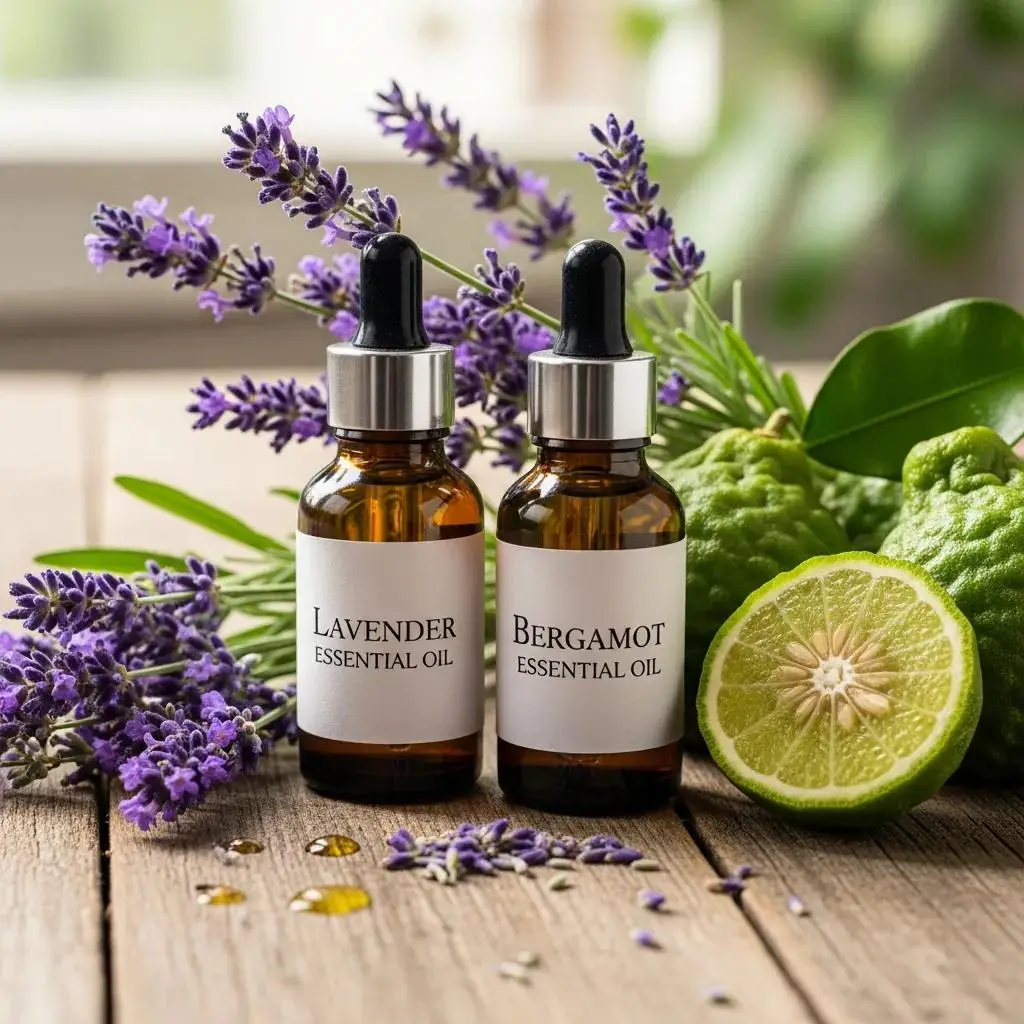
Several oils have been studied for calming effects. Lavender, bergamot, and frankincense are commonly recommended because their aromas and chemical profiles are linked to relaxation in clinical and lab studies. Lavender is associated with reduced anxiety and better sleep thanks to compounds like linalool and linalyl acetate. Bergamot — a citrus oil — has shown reductions in stress markers with inhalation. Frankincense is often chosen for grounding and breath-focused practices; its sesquiterpenes may support a relaxed state. Always dilute oils for skin use, and check with a clinician before combining oils with medications or using them in pregnancy.
- Top calming oils commonly used for anxiety and stress relief: Lavender (Lavandula angustifolia): a soothing scent that supports sleep and lowers subjective anxiety.Bergamot (Citrus bergamia): citrusy yet calming; inhalation studies report reduced stress markers.Frankincense (Boswellia spp.): a grounding aroma used in meditation and breathwork.
This short list highlights options suited to inhalation and mild topical use. The following section explains safe dilution and carrier choices.
How Do You Use Essential Oils Safely for Maximum Benefits?
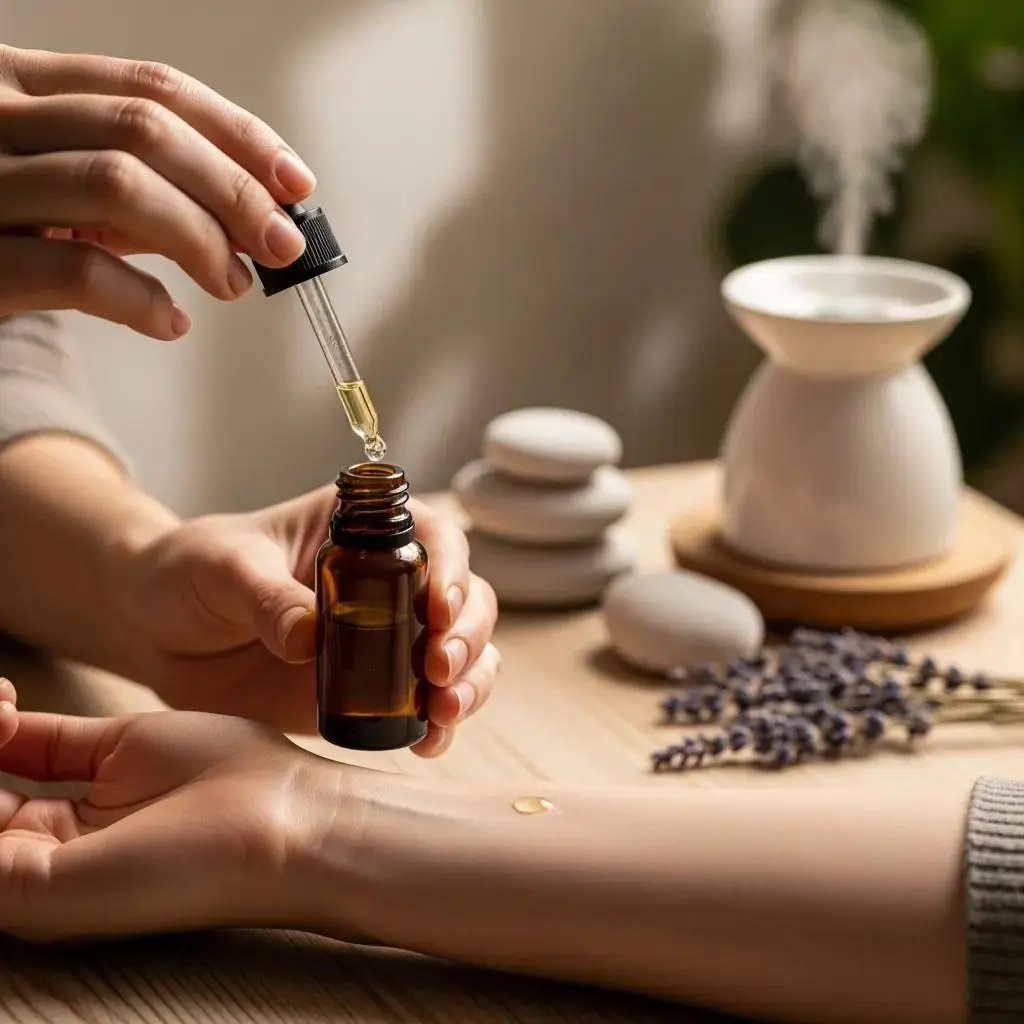
Safe aromatherapy depends on correct dilution, the right carrier oils, patch testing, and awareness of contraindications like pregnancy, young children, photosensitivity, and pet safety. Applying undiluted oils increases the risk of irritation and sensitization; improper diffuser use can expose children or pets to high concentrations. Best practice includes choosing an appropriate carrier oil, doing a patch test before broader skin application, following recommended dilution ratios, and consulting a pharmacist or clinician about possible interactions. These steps help you get benefits with less risk.
Below is a quick-reference table with common application methods, dilution targets, and practical safety notes you can use at home.
| Application Method | Dilution / Safety Note | Recommended Practice |
|---|---|---|
| Topical (adult) | 2–3% typical for short-term use | Mix 12–18 drops per 30 mL carrier oil; patch-test first |
| Topical (children/elderly) | 0.25–1% or consult clinician | Use lower ratios; avoid near face for young children |
| Inhalation/diffuser | Short runs, ventilated space | 3–6 drops in diffuser for 15–30 minutes per hour |
| Bath addition | 0.5–1% total dilution | Pre-dilute in carrier oil or dispersant; avoid very hot water |
This table gives practical dilution targets and safety reminders to reduce irritation and overexposure risk.
Pharmacist consultation is a useful safety step. Value Drugstore’s pharmacists offer telehealth reviews to check for interactions, advise on family-appropriate dilutions, and recommend compatible supplements or compounding options when needed. Professional input is especially important for pregnant people, those on multiple medications, and households with pets.
What Are the Best Practices for Dilution and Carrier Oils?
Picking the right carrier oil and dilution ratio helps prevent skin irritation while preserving an oil’s benefits. Common carriers include jojoba, fractionated coconut oil, and sweet almond oil. Jojoba is lightweight and mimics skin’s natural oils, making it a good choice for sensitive skin. Adults typically use 1–3% dilutions for daily topical blends; children and sensitive individuals should use around 0.25–1%. Always do a patch test: apply a small diluted amount to the inner forearm and wait 24 hours to check for a reaction. Knowing these basics lets you make safe roll-ons, massage oils, and topical blends.
- Carrier oil options and quick guidance: Jojoba: lightweight, non-greasy, good for sensitive skin.Fractionated coconut oil: nearly odorless and stable; ideal for roll-ons.Sweet almond oil: nourishing but avoid if you have a nut allergy.
These carrier choices and dilution practices help you prepare blends safely. Next, we cover how to use diffusers safely at home.
How Can You Use Aromatherapy Diffusers Safely at Home?
Diffusers are an easy way to inhale essential oils but require sensible timing, cleaning, and placement to protect everyone in the household. Ultrasonic and nebulizing models are common: ultrasonic devices add a little humidity and use water with a few drops of oil, while nebulizers release more concentrated oil particles — so use them more sparingly. Run diffusers in short cycles (for example, 15–30 minutes on with breaks) in a ventilated room to avoid continuous high exposure. Clean your diffuser regularly to prevent residue or mold; follow the manufacturer’s care instructions and rinse between oil types.
- Diffuser types and safety considerations: Ultrasonic diffusers: easy to use; dilute with water and run in short cycles.Nebulizing diffusers: highly concentrated delivery; use smaller amounts and shorter sessions.Reed diffusers: provide a steady scent; avoid in homes with pets or young children because exposure is continuous.
Using sensible run-times, placing diffusers away from children and pets, and keeping devices clean reduces risk and improves aromatherapy results at home.
What Are the Key Benefits of Popular Essential Oils for Wellness?
Different oils offer different benefits depending on their main constituents: some support relaxation, others boost alertness, and some have antimicrobial or skin-supporting properties. Grouping oils by goal helps you choose what fits your needs — sleep, headache relief, or topical antiseptic use. The table below matches common oils to their typical uses and evidence level.
| Essential Oil | Primary Benefits / Common Uses | Evidence Level |
|---|---|---|
| Lavender | Relaxation, sleep support, mild anxiolytic | Moderate (multiple trials) |
| Peppermint | Headache relief, alertness, respiratory ease | Moderate (clinical and lab studies) |
| Tea Tree | Antimicrobial, topical skin support (diluted) | Moderate (topical studies) |
| Frankincense | Grounding, meditation, stress reduction | Emerging (limited trials) |
How Does Lavender Essential Oil Promote Relaxation and Sleep?
Lavender contains linalool and linalyl acetate, compounds that can affect the nervous system and promote a relaxed state when inhaled or applied in diluted topical forms. Clinical studies report reduced anxiety scores and improved subjective sleep quality with short-term lavender use, which is why it’s popular in bedroom diffusers and pillow mists. A practical approach is 3–5 drops in a diffuser about 20–30 minutes before bed or a diluted roll-on applied to the wrists and neck after a patch test. Never apply undiluted, and check with a pharmacist if you’re also taking sedative medications.
This overview of lavender leads into practical notes on peppermint and tea tree oils.
What Are the Benefits of Peppermint and Tea Tree Oils?
Peppermint oil is valued for its menthol content, which produces a cooling sensation that can ease tension headaches, sharpen alertness when inhaled, and offer mild respiratory comfort. Keep peppermint away from the faces of young children and use it diluted on skin. Tea tree oil has documented topical antimicrobial effects useful for minor skin concerns when properly diluted, but it can cause skin sensitization in some people and should never be swallowed. Both oils have useful first-aid and home-care roles when used cautiously and at appropriate dilutions.
- Quick application and safety notes: Peppermint: inhale for headache relief or dilute for a cooling topical effect; avoid use near infants and the face.Tea Tree: dilute for topical antimicrobial support and patch-test for sensitivity.General: consult a pharmacist when combining oils with medications or when treating vulnerable groups.
These examples show targeted uses for peppermint and tea tree within a safe aromatherapy routine.
How Can Beginners Start Using Essential Oils for Wellness?
If you’re new to essential oils, start with a small, safe selection of versatile options, learn dilution basics, and try simple recipes that focus on inhalation or low-concentration topical use. A basic starter kit might include lavender, peppermint, tea tree, and a neutral carrier like jojoba to cover sleep, alertness, minor skin needs, and dilution practice. Begin with diffuser blends and low-ratio roll-ons before trying baths or more complex mixtures. Keep a note of any reactions and consult a professional for ongoing concerns. Working with a pharmacist helps ensure aromatherapy fits safely with your other wellness approaches.
- Lavender: sleep and relaxation support.
- Peppermint: headache relief and alertness.
- Tea Tree: topical antimicrobial support when diluted.
- Jojoba oil: a versatile carrier for roll-ons and topical blends.
This pared-down starter plan keeps choices simple while covering common needs and prepares you for the beginner recipes below.
What Are Simple Aromatherapy Recipes for Beginners?
Try these three beginner-friendly recipes with exact drops and dilution guidance. Always patch-test new blends and avoid use around pets or vulnerable people without professional advice.
- Diffuser blend for relaxation (sleep): 3 drops lavender + 2 drops frankincense in an ultrasonic diffuser; run for 20–30 minutes before bed.
- Headache roll-on: 2 drops peppermint + 18 mL jojoba oil (≈0.5% dilution) in a 10 mL roll-on bottle; after patch-test, apply to temples and neck.
- Shower steam inhalation: 2 drops eucalyptus or peppermint on the shower floor (not on skin); inhale the steam for brief respiratory relief — avoid very hot water if sensitive.
These recipes are low-risk starting points that emphasize dilution and situational safety for first-time users.
Introductory table with beginner recipes and purposes:
| Beginner Recipe | Ingredients & Dilution | Purpose & Expected Effect |
|---|---|---|
| Relaxation diffuser | 3 drops lavender + 2 drops frankincense | Promotes calm and better sleep |
| Headache roll-on | 2 drops peppermint + 18 mL jojoba (0.5%) | Cooling support for tension headaches |
| Shower steam | 2 drops peppermint/eucalyptus | Short-term inhalation for breathing comfort |
These starter recipes are designed for safe, practical introduction to aromatherapy and pair well with broader wellness measures and professional advice.
How Can Essential Oils Complement Natural Supplements and Personalized Care?
Essential oils can complement — but not replace — supplements and medical treatments. They offer symptomatic support for sleep, mood, or minor topical needs while other therapies address underlying biochemical or clinical conditions. For example, someone taking a sleep supplement might use lavender diffusion as a behavioral adjunct rather than a substitute for prescribed treatment. When combining approaches, speak with a pharmacist to review interactions, timing, and safe dilutions. Value Drugstore’s telehealth consultations and compounding services can help families integrate aromatherapy with supplements and custom formulations. Think of oils as supportive tools within a pharmacist-supervised wellness plan, not standalone medical treatments.
Used thoughtfully, essential oils can sit comfortably alongside other wellness practices.
Clinical Aromatherapy: Benefits and Safety Guidelines
Clinical aromatherapy is an alternative therapy that can be useful for symptom management in settings like hospitals and outpatient care — for pain, nausea, anxiety, depression, stress, and insomnia. It can support preoperative anxiety, oncology care, palliative care, hospice, and end-of-life comfort. Essential oils carry risks: some are flammable, can cause dermatitis, may be phototoxic (risking chemical burns), or are toxic if swallowed. This work reviews history, supporting theories, guidelines, plant sources, safety, physiologic responses, and clinical nursing aromatherapy, and offers recommendations for establishing best-practice programs.
Clinical aromatherapy, 2020
Frequently Asked Questions
What should I consider when choosing essential oils for children?
When choosing oils for children, prioritize safety and lower dilutions. Many oils are too strong for young skin and can cause irritation. Gentler choices include lavender and chamomile. Dilute oils to 0.25–1% for children and always do a patch test before wider use. For infants and toddlers, consult a healthcare professional for age-appropriate guidance.
Can essential oils be used during pregnancy?
Pregnancy calls for caution. Some oils may affect the mother or fetus, and others (like peppermint or rosemary) are often discouraged during pregnancy. Talk with your healthcare provider before using any essential oil; if an oil is approved, use it in diluted form and avoid applying it to sensitive areas.
How can I store essential oils to maintain their quality?
Store oils in a cool, dark place away from heat and sunlight. Use dark glass bottles (amber or cobalt) to protect oils from light. Keep caps tight to limit oxidation, and avoid storing oils in humid areas like a bathroom. Proper storage helps extend shelf life and preserves aroma and potency.
Are there any contraindications for using essential oils?
Yes. People with conditions such as asthma or epilepsy may react poorly to certain oils. Essential oils can interact with medications, particularly those affecting the central nervous system. Special care is needed for pregnant people, young children, and pets. Always consult a healthcare professional before starting aromatherapy if you have health concerns or take medications.
What are the signs of an allergic reaction to essential oils?
Allergic or sensitivity reactions can include skin redness, itching, a rash, or localized irritation at the application site. In more serious cases, inhalation can cause wheezing or breathing difficulty. If you notice any of these signs, stop use, wash the area with soap and water, and seek medical attention for severe symptoms. Always patch-test a new oil before wider use.
Can I mix different essential oils together?
Yes — blending oils is common and can be effective for specific goals. Understand each oil’s properties and follow dilution guidelines to stay safe. Start with small amounts and document your blends and how you react to them. Common combinations include lavender + chamomile for relaxation and peppermint + eucalyptus for respiratory support. If you have concerns about a specific mix, consult a professional.