
Battle of the Bugs: Cold vs. Flu Explained

Cold vs. Flu: How to Tell the Difference and Spot Symptoms
Colds and influenza (the flu) are both viral infections of the respiratory tract, but they differ in how quickly symptoms start, how severe they are, and what complications can follow. This guide shows practical ways to tell them apart using symptom patterns, timing, and risk factors. You’ll find clear comparisons, evidence-based home care and over-the-counter (OTC) options, when antivirals matter for flu, and how vaccines and everyday habits cut risk. We also note related viruses (like RSV and non‑SARS coronaviruses) and possible complications such as pneumonia to place cold and flu in the broader public‑health context as of 2025. Finally, we explain when to seek care and how telehealth and pharmacy services can help with triage, prescriptions, and vaccinations.
What Are the Key Differences Between Cold and Flu Symptoms?
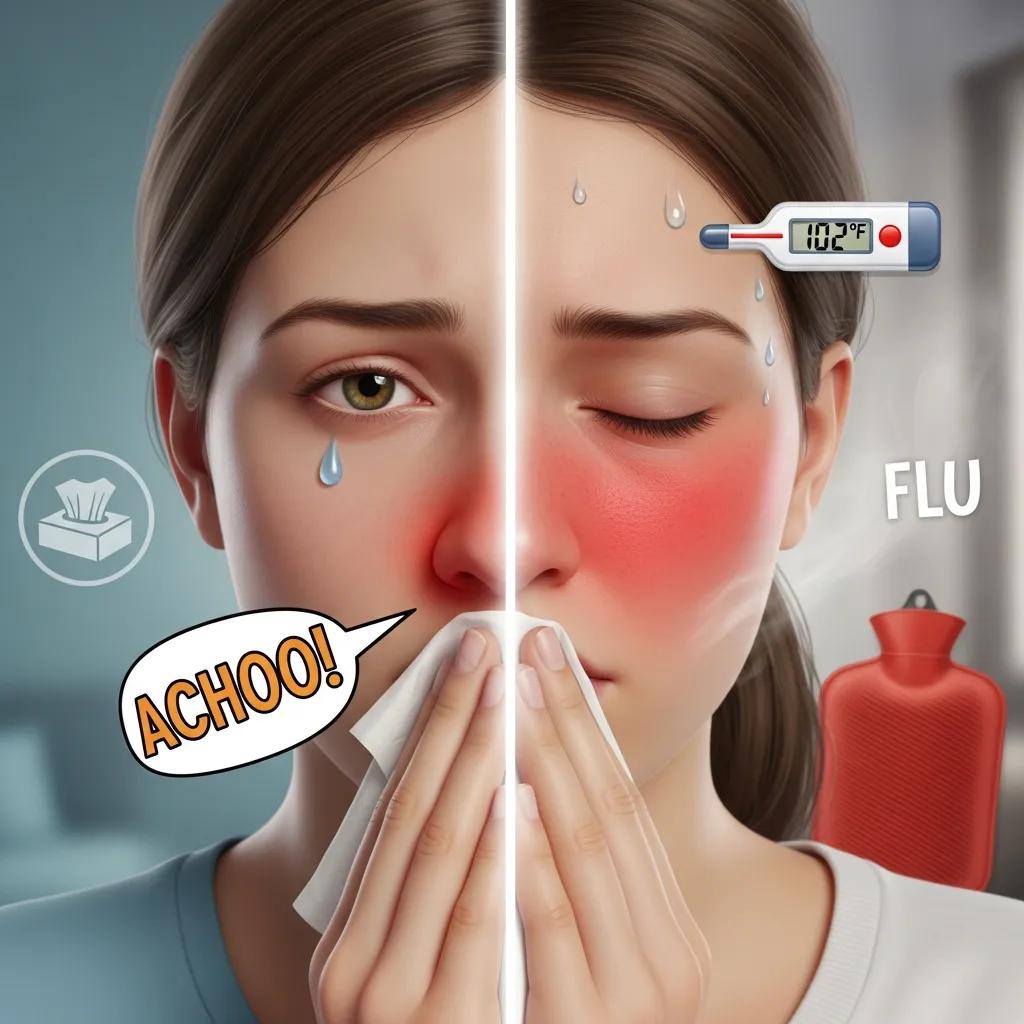
The main differences are speed of onset, how much the whole body is affected, and how long symptoms usually last. Colds tend to start slowly with mostly nasal symptoms—stuffy or runny nose and sore throat—while flu often comes on suddenly with high fever, strong body aches, and deep fatigue. Spotting these patterns helps decide if supportive care is enough or if early antiviral treatment for flu is needed, especially for people at higher risk. Knowing the difference also helps avoid unnecessary antibiotics and choose appropriate OTC relief and prevention strategies.
This quick comparison focuses on onset, fever, severity, and expected duration:
| Condition | Typical Onset | Common Fever Presence | Typical Duration |
|---|---|---|---|
| Common Cold | Gradual (1–3 days) | Rare or low-grade | 7–10 days |
| Influenza (Flu) | Sudden (hours to 1 day) | Common, often high | 5–7 days (fatigue may persist) |
| Other Respiratory Viruses (e.g., RSV) | Variable | Variable | Variable |
This table helps explain why a sudden high fever plus severe body aches points toward influenza, and why other respiratory viruses can sometimes look like parts of either illness.
How Do Cold Symptoms Compare to Flu Symptoms?
A common cold usually produces milder, localized symptoms: runny or stuffy nose, sneezing, a mild sore throat, and an occasional cough. Fever is uncommon in healthy adults, and overall fatigue and body aches are usually mild. Complications are less frequent with colds, though secondary bacterial infections can happen. Noting a cold’s gradual start and dominant nasal symptoms can guide symptom‑focused OTC care and help avoid unnecessary antivirals.
Remember: OTC treatments ease symptoms but don’t change the course of viral infections, and antibiotics do not work for colds.
Understanding Common Cold and Flu: Over‑the‑Counter Treatments and Antibiotic Misconceptions
The common cold is the most frequent human illness and can be caused by many virus families, including more than 100 rhinovirus types. Beliefs that antibiotics help with colds drive extra doctor visits and requests for prescriptions—but antibiotics do not speed recovery from viral upper‑respiratory infections and their inappropriate use increases antibiotic resistance. There’s also no strong evidence that antibiotics prevent bacterial complications after a viral cold. While many OTC cold and flu remedies don’t alter illness duration, appropriate symptomatic treatment can make people feel better. For these reasons, symptomatic care remains the main approach for most common colds.
What Unique Symptoms Help Distinguish Influenza from the Common Cold?
Flu often begins suddenly with a high fever, pronounced muscle aches, headache, severe fatigue, and a dry cough. These systemic signs reflect wider viral activity and immune response, and they raise the risk of complications—like pneumonia—especially in older adults, pregnant people, and those with weakened immune systems. Mild or atypical flu can overlap with cold symptoms, so consider recent exposures and how quickly symptoms started when thinking about early antiviral evaluation. If you’re unsure, a telehealth visit or pharmacist consult can help decide who should be evaluated for prompt antiviral treatment.
What Are the Most Effective Treatment Options for Cold and Flu?
Treatment differs because influenza may require antivirals while colds are managed with rest and symptom relief. Basic home care—rest, fluids, humidified air, and pain relievers—helps both illnesses. Antiviral medicines for flu work best when started within about 48 hours of symptom onset for people at higher risk. OTC medicines can ease symptoms for colds and flu, but pick products carefully based on age, pregnancy status, and potential drug interactions. Pharmacists and telehealth clinicians can advise on safe OTC combinations, check chronic medications, and arrange prescriptions when needed.
Below is a quick comparison of common treatment types, typical active ingredients, and when they’re used.
| Treatment Type | Typical Active Ingredients | Suitable For |
|---|---|---|
| Analgesic/Antipyretic | Acetaminophen, ibuprofen | Pain, fever (cold and flu) |
| Decongestant | Pseudoephedrine, phenylephrine | Nasal congestion (cold) |
| Cough suppressants/expectorants | Dextromethorphan, guaifenesin | Cough (cold/flu) |
| Antiviral prescription | Neuraminidase inhibitors (e.g., oseltamivir) | Influenza within early window, high-risk groups |
This chart links symptoms to medication classes and explains why antivirals are generally reserved for influenza and for selected patients.
Which Over-the-Counter Medications Relieve Cold and Flu Symptoms?
Choose OTC medicines that match your main symptoms and your health profile. Fever and pain respond to acetaminophen or NSAIDs; congestion may improve with decongestants or saline rinses; and cough products differ depending on whether you need suppression or expectoration. Older adults, people with heart conditions, and anyone on multiple medications should ask a pharmacist before combining products to avoid interactions and duplicate ingredients. If symptoms get worse or don’t improve, see a clinician for further guidance.
Common OTC options include:
- Analgesics/antipyretics for fever and pain.
- Decongestants or saline for nasal blockage.
- Cough medicines chosen by cough type.
These categories make it easier to pick safe, targeted relief and to know when to ask a pharmacist for help.
When Are Prescription Antiviral Medications Recommended for the Flu?
Antivirals are recommended for people with confirmed or suspected influenza who are at higher risk of complications—or for anyone who is severely ill—and they are most effective when started within about 48 hours of symptom onset. High‑risk groups include older adults, pregnant people, those with chronic health conditions, and immunocompromised individuals. Clinicians may also treat otherwise healthy people with severe or worsening illness. Antivirals require a prescription, and pharmacies linked with telehealth can speed evaluation and treatment. Early antiviral use can shorten illness and reduce the chance of complications when used appropriately.
How Can You Prevent Cold and Flu: Vaccinations and Healthy Habits?

Prevention combines vaccination, good hygiene, environmental measures, and healthy habits to lower the chance of catching or spreading respiratory viruses. The annual flu vaccine is the main defense against influenza and is recommended every year because circulating strains and vaccine formulas change. Even in seasons with imperfect matches, vaccination reduces severe illness and complications. Daily measures—handwashing, covering coughs, staying home when ill, and good sleep and nutrition—also lower spread of colds, flu, and other viruses like RSV and seasonal coronaviruses. Pharmacies are a convenient source for vaccines, OTC supplies, and personalized prevention advice.
| Prevention Measure | Timing / Effectiveness | Recommended For |
|---|---|---|
| Annual flu vaccine | Yearly before season; reduces severe flu | Everyone eligible, especially high-risk |
| Hand hygiene | Constant; high effectiveness for contact spread | General public |
| Respiratory etiquette & masking | During peak season or when ill | Close-contact settings, caregivers |
This table highlights vaccine timing and everyday behaviors that, together, cut transmission and lower serious outcomes.
Why Is the Flu Vaccine Important and When Should You Get It?
The flu vaccine prepares your immune system for likely seasonal strains and lowers the risk of severe illness, hospitalization, and death. Because flu viruses evolve, getting vaccinated each year—ideally before your local flu season—gives the best protection. Even partial immunity can reduce severity and limit spread. Pharmacies offering immunizations make it easy to get your annual shot and to ask questions about which vaccine is right for different ages and health conditions. Vaccination remains the cornerstone of flu prevention alongside hygiene and timely treatment.
What Daily Habits Help Reduce the Risk of Catching Cold or Flu?
Small, consistent habits reduce exposure to respiratory viruses and support your immune system. Wash hands regularly with soap and water, cover coughs with a tissue or your elbow, clean high‑touch surfaces, and avoid close contact with people who are sick. Supporting overall health with enough sleep, balanced meals, hydration, and appropriate supplements can help too—but these do not replace vaccination or prompt medical care when needed. Layering these habits reduces risk for you and your community during peak respiratory seasons.
Simple daily prevention steps:
- Frequent handwashing with soap and water.
- Respiratory etiquette like covering coughs and masking when appropriate.
- Stay-home practices when you’re symptomatic to avoid spreading illness.
Using these steps together lowers transmission for families and communities.
When Should You See a Doctor for Cold or Flu Symptoms?
Most mild colds and uncomplicated flu can be managed at home, but certain warning signs and high‑risk situations need prompt medical attention. Get urgent care or emergency help for difficulty breathing, chest pain, persistent high fever, severe dehydration, confusion, or rapidly worsening symptoms. People at higher risk should seek earlier assessment for possible antivirals or advanced care. Telehealth can help triage symptoms, arrange prescriptions, and point you to in‑person care when needed, making it a practical first step for many families.
What Are the Warning Signs That Require Medical Attention?
Watch for prioritized red flags and act quickly to reduce the chance of serious outcomes. Seek emergency care for severe shortness of breath, chest pain, new confusion, or a persistent high fever that won’t respond to fever reducers. Contact a clinician promptly if you see signs of dehydration, difficulty feeding in infants, low urine output, or any worsening in someone who is high risk. When in doubt, caregivers should err on the side of caution with infants, older adults, pregnant people, and the immunocompromised.
Urgent warning signs include:
- Severe trouble breathing or shortness of breath.
- Chest pain or new confusion.
- Inability to keep fluids down or signs of severe dehydration.
These clear prompts can help families decide when emergency evaluation is necessary.
How Can Telehealth Consultations Help with Cold and Flu Care?
Telehealth provides fast assessment of symptoms, advice for home care, and prescription routing for antivirals when appropriate—often cutting delays in treatment. Remote clinicians can triage patients, recommend safe OTC choices and check for interactions, and coordinate with pharmacies for prescription fulfillment and vaccine referrals. Telehealth doesn’t replace in‑person evaluation when severe signs are present, but it’s a practical first option for many people seeking timely guidance. Community pharmacies that combine telehealth and pharmacist counseling help close access gaps and speed care during respiratory seasons.
Telehealth benefits include:
- Rapid triage to decide if antivirals or in-person care are needed.
- Prescription coordination with local pharmacies.
- Pharmacist counseling on OTC options and vaccine referrals.
Value Drugstore’s family‑focused services—OTC remedies, prescription refills, telehealth‑linked consultations, and on‑site flu vaccinations—can support these care pathways, giving affordable options and pharmacist expertise to help families manage symptoms and access timely treatment when needed.