
Belvedere Square Vaccines: Quick and Convenient Flu Shots

Get Your Flu Shot in Belvedere Square, MD: Convenient and Trusted Immunization Services
Residents of Belvedere Square can get a flu shot locally to protect themselves and their families during the 2023–2024 season, reducing the risk of infection and severe illness. This article explains where to find immunization clinics in Belvedere Square and Baltimore, the optimal timing for vaccination this season, expected costs and payment options, and who should receive the vaccine. You will learn practical steps for walk-in visits, how public clinics and pharmacies differ, and which age and risk groups have priority for protection. The guidance draws on public-health practice and neighborhood access points so you can plan a quick visit, check coverage, and protect vulnerable household members. Throughout, we use local context—Belvedere Square and Baltimore health resources—to make getting a flu shot straightforward and actionable.
Where Can You Get a Flu Shot in Belvedere Square, Baltimore?
Flu vaccines are available locally through neighborhood pharmacies, walk-in clinics, and seasonal public-health events, providing convenient access for most residents. Pharmacies commonly offer vaccination services with options for walk-in or scheduled appointments, while health department clinics often run free or low-cost events. Verifying availability by phone or the clinic calendar ensures you arrive when vaccine supply is on hand. Below are common local access points to consider for a quick flu shot in Belvedere Square and nearby Baltimore locations.
What Makes Value Drugstore a Top Choice for Flu Vaccines?
Value Drugstore is a community-focused pharmacy located in Belvedere Square, Baltimore 21212 that emphasizes family-centered care and local convenience. The pharmacy positions itself around the message “Your Family Deserves the Best in Care,” which signals neighborhood trust and service aimed at families seeking preventive immunization services. For localized guidance, Value Drugstore maintains a blog with posts such as “Recommended Adult Immunization Schedule” that can help adults plan vaccines alongside flu shots. This local presence supports walk-in access and familiar staff, making it a straightforward option for many residents.
How Do Walk-In Flu Shot Services Work in Belvedere Square?
Walk-in flu shot services let you arrive without an appointment and complete vaccination in a short visit through a predictable flow of steps. First, you check in at the pharmacy counter or clinic desk and state the vaccine you need; staff confirm eligibility and documentation. Second, you provide ID and insurance information if available and complete a brief screening and consent form before vaccination. Third, a trained immunizer administers the vaccine and asks you to wait for the standard observation period to monitor for immediate reactions; this process is efficient and usually completes within 20–30 minutes.
- Steps below summarize a typical walk-in visit for clarity:
Check in and state purpose: request a flu shot at the counter or nurse station.
Complete screening: provide ID and insurance card if you have one.
Receive vaccine and observe: get vaccinated and wait the recommended observation time.
This stepwise flow helps you prepare and speed the visit by bringing needed documents and wearing short sleeves.
When Is the Best Time to Get Your Flu Vaccine in Baltimore for 2023-2024?
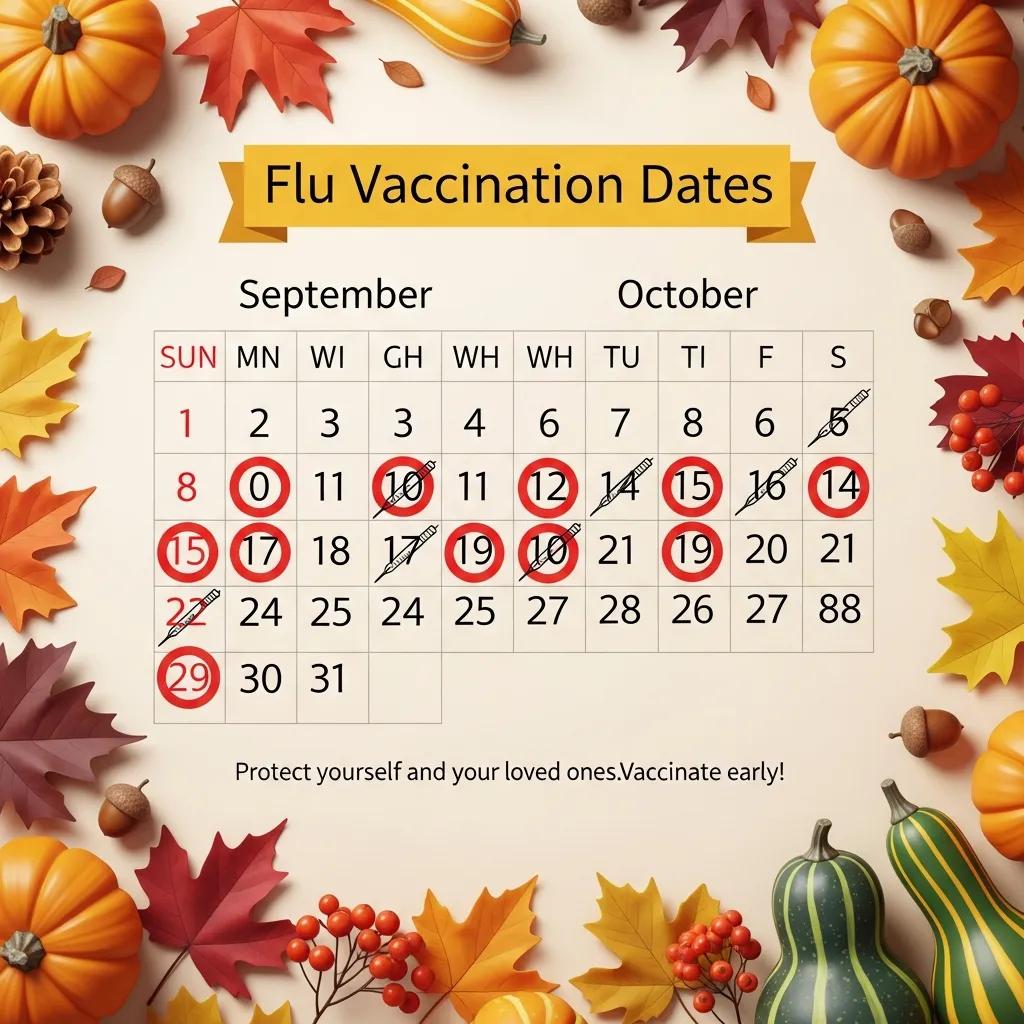
Getting vaccinated in early fall gives your immune system time to develop protection before peak influenza activity, and is recommended for most people before late October. Vaccination in September or October balances early protection with minimal waning through the mid-winter peak for the 2023–2024 season. Certain groups such as pregnant people or those older than 65 may receive tailored timing advice from their provider, but the general guidance remains to vaccinate in early fall. Below is a quick timing table to use as a reference when planning your visit to a clinic or pharmacy.
| Timing Window | Recommendation | Rationale |
|---|---|---|
| Early fall (September) | Recommended for most people | Starts immune response before typical rise in cases |
| By October | Optimal window | Maximizes protection through peak months |
| November–December | Still beneficial | Better late than not vaccinated; some immunity develops |
| High-risk timing | Follow clinician advice | Pregnant people and elders may need tailored scheduling |
This quick reference helps you choose when to get a flu shot so protection aligns with local seasonal patterns.
What Are the Flu Season Dates and Immunization Schedules?
Influenza in Baltimore typically circulates from fall through spring, with peaks in late fall and winter, and vaccination schedules align to build protection ahead of those peaks. The usual immunization approach is a single seasonal dose for most people 6 months and older, with some exceptions for young children requiring two doses in their first vaccination year. Public-health calendars and clinic schedules reflect this pattern, offering clinics in September through December and sometimes later. Planning your visit during the early fall window ensures community and individual protection before case numbers rise.
Why Is Early Flu Vaccination Important for Your Family’s Health?
Early vaccination protects individual family members and reduces transmission within households, which is especially important for children, older adults, and those with chronic conditions. When family members are vaccinated, the probability of severe illness and hospital visits decreases, helping maintain school and work attendance. Coordinating family vaccination appointments or walk-ins can simplify logistics and create a protective layer across household contacts. Prioritizing early shots supports both personal immunity and broader community resilience during peaks.
How Much Does a Flu Shot Cost in Belvedere Square, MD?
Costs for flu shots vary by provider type: health department clinics often offer free or low-cost vaccines, while pharmacies may bill insurance or charge an out-of-pocket fee when uninsured. Pharmacies typically submit claims to insurance for preventive vaccines, and uninsured individuals can often find reduced-cost options at public clinics or seasonal events. Comparing the typical options helps you choose the most economical route based on your coverage status and access needs. The table below compares usual cost and payment expectations across common vaccination settings in Baltimore.
| Provider Type | Typical Cost | Payment / Notes |
|---|---|---|
| Pharmacy | Varies by insurance | Usually billed to insurance; self-pay possible |
| Public clinic / Health department | Often free or low-cost | May require registration or eligibility documentation |
| Community vaccine event | Low-cost or free | Seasonal events prioritize broad access |
This table helps you decide whether to use a pharmacy or seek a public clinic based on cost and payment options.
Are There Free or Low-Cost Flu Shot Clinics in Baltimore?
Baltimore City and county health departments commonly schedule free or low-cost flu clinics during the season to increase access for underserved populations and uninsured residents. These events are often posted on public calendars and may prioritize certain neighborhoods or groups, making it important to check the health department schedule for dates and eligibility. Documentation requirements at these events can vary, so bringing ID and any available proof of residency or income is helpful. Utilizing public clinics can provide no- or low-cost vaccination for those who lack insurance or prefer community-run services.
What Insurance and Payment Options Does Value Drugstore Accept?
Pharmacies like Value Drugstore typically accept common insurance plans for preventive vaccines and offer self-pay options for uninsured customers, though exact accepted plans vary by location and should be confirmed directly. Bring your insurance card and photo ID to speed check-in; if you are uninsured, ask about self-pay pricing or connections to low-cost clinics. Value Drugstore’s local position in Belvedere Square means staff can advise on billing workflows and local resources, and their blog offers additional immunization guidance for adults. If you need specific insurer acceptance information, contact the pharmacy to verify what plans they currently process.
Who Should Get a Flu Shot and What Are the Benefits?
Everyone aged 6 months and older should receive a seasonal flu vaccine, with priority emphasis on young children, older adults, pregnant people, and individuals with chronic medical conditions. Vaccination reduces the risk of getting influenza, lowers the chance of severe illness and hospitalization, and helps protect people who cannot be vaccinated through community herd effects. Below is a concise mapping of priority groups to recommended approach and direct benefits to help you decide on timely vaccination for household members.
This table links groups to recommended priorities and expected benefits from vaccination.
| Group | Recommendation | Primary Benefit |
|---|---|---|
| Children (6 months–5 years) | Routine vaccination; some need two doses | Reduced illness and clinic visits |
| Adults 65+ | Strongly recommended; consider higher-dose options | Lower risk of hospitalization |
| Pregnant people | Recommended in any trimester | Protects mother and infant |
| Chronic conditions | Recommended annually | Reduces severe outcomes and complications |
This mapping clarifies who benefits most and why prioritizing these groups strengthens community protection.
Which Age Groups and Conditions Qualify for Flu Vaccination?
Routine guidance indicates everyone 6 months and older is eligible for seasonal flu vaccination, and specific groups are prioritized because they face higher risk of complications. Priority groups include young children (particularly under 2 years), adults 65 and older, pregnant people, and individuals with chronic conditions such as respiratory or cardiovascular diseases. Scheduling and vaccine formulation recommendations can vary by age and health status, so consult local clinicians or public-health guidance for specifics. Ensuring eligible household members receive timely vaccination reduces the local burden on healthcare services during peak season.
What Are the Health Benefits of Getting a Flu Vaccine in Baltimore?

Receiving a flu vaccine reduces personal risk of influenza infection and severe outcomes while lowering transmission in homes and neighborhoods, which helps keep schools and workplaces functioning. Vaccination decreases the probability of hospitalization and serious complications, easing strain on the local healthcare system during winter peaks. Community-level protection from broad vaccination uptake supports vulnerable neighbors, including infants and immunocompromised people who rely on herd immunity. By choosing timely vaccination at a convenient site, residents contribute to both individual and public health resilience this season.
Frequently Asked Questions
What should I bring when getting a flu shot at a pharmacy?
When visiting a pharmacy for your flu shot, it’s important to bring a few key items to ensure a smooth process. First, have your insurance card ready, as most pharmacies will bill your insurance for the vaccine. Additionally, bring a valid photo ID for identification purposes. If you are uninsured, inquire about self-pay options beforehand. Wearing short sleeves can also facilitate the vaccination process, making it easier for the healthcare provider to administer the shot.
Can children receive the flu vaccine, and are there special considerations?
Yes, children aged 6 months and older are eligible for the flu vaccine. However, special considerations apply for younger children, particularly those under 2 years old, who may require two doses in their first vaccination year. It’s essential to consult with a pediatrician to determine the appropriate vaccination schedule and formulation for your child. Vaccination helps protect children from severe illness and reduces the likelihood of spreading the virus to others.
What are the side effects of the flu vaccine?
Common side effects of the flu vaccine are generally mild and may include soreness at the injection site, low-grade fever, fatigue, and muscle aches. These symptoms typically resolve within a few days. Serious side effects are rare but can occur. It’s important to discuss any concerns with your healthcare provider, especially if you or your family members have a history of severe allergic reactions. Overall, the benefits of vaccination in preventing flu outweigh the risks of side effects.
How does the flu vaccine work to protect against the virus?
The flu vaccine works by stimulating the immune system to produce antibodies against the influenza virus. When vaccinated, your body recognizes the inactivated or weakened virus components in the vaccine and prepares to fight off actual infections. This immune response typically takes about two weeks to develop, which is why early vaccination is recommended. By building immunity, the vaccine helps reduce the risk of contracting the flu and minimizes the severity of illness if infection occurs.
Are there any specific groups that should avoid the flu vaccine?
While most people can safely receive the flu vaccine, certain groups should consult their healthcare provider before vaccination. Individuals with a history of severe allergic reactions to any component of the vaccine, particularly egg proteins, may need to avoid it or seek alternatives. Additionally, those with moderate to severe acute illnesses should wait until they recover before getting vaccinated. Pregnant individuals should discuss the best options with their healthcare provider to ensure safety for both mother and baby.
What should I do if I miss the recommended vaccination window?
If you miss the recommended vaccination window, it’s still beneficial to get vaccinated later in the flu season. While early fall is ideal for building immunity before peak flu activity, receiving the vaccine in November or December can still provide protection. Consult local clinics or pharmacies for availability, as many continue to offer vaccinations throughout the flu season. Remember, it’s better to get vaccinated late than not at all, as some immunity can still develop.