
Bio-Identical Hormone Replacement Therapy Compounding

Personalized Bio‑Identical Hormone Care
At Value Drugstore, compounded Bio‑Identical Hormone Replacement Therapy (BHRT) combines precise compounding with your individual clinical data to create hormone plans that closely match the body’s own chemistry and focus on the symptoms you want to improve. This guide explains what bioidenticalhormones are, how compoundedBHRT differs from conventional hormone replacement, and why a tailored approach often matters for symptom relief and daily function. Many people consider BHRT for menopause, perimenopause, or age‑related testosterone decline and have questions about safety, monitoring, and how custom formulas are made. Below you’ll find a clear roadmap—from core definitions and comparative science to condition‑specific strategies, compounding workflows, and practical next steps. We use commonly searched terms like hrtcompounding, bioidenticalhormones, testosterone replacement therapycompounding, and personalized compounding so this information is easy to find and put into action.
What are bioidentical hormones and how do they differ from traditional hormones?
Bioidenticalhormones are lab‑made molecules that have the same chemical structure as the hormones your body produces naturally. Because they match at the molecular level, they attach to the same receptors and produce the same physiologic effects—which is why estradiol or progesterone formulated as bioidentical hormones can improve hot flashes, sleep, mood, and sexual function. The clinical benefit of compoundedBHRT is customization: prescribers and pharmacists can fine‑tune ratios, strengths, and delivery methods to align with your labs and symptoms. Knowing these differences helps you and your clinician decide when a compounded approach may be appropriate versus an FDA‑approved product, and it underscores the need for careful monitoring and pharmacy quality controls to keep dosing consistent.
What defines bioidentical hormones and their natural origins?
Many bioidenticalhormones are synthesized from plant‑based steroid precursors—commonly sterols from yam or soy—that are converted in a lab into molecules identical to human hormones. The important point is chemical identity: bioidentical estradiol or progesterone shares the same molecular structure as the hormones your body makes, which affects how they bind to receptors and how the body metabolizes them. When dose and delivery align with a person’s physiology and lab results, that molecular match can translate into meaningful symptom improvement. Understanding origins and chemistry helps patients and clinicians evaluate formulations and set appropriate monitoring before and during treatment.
Clinical utility of compounded bioidentical hormone therapy: safety and effectiveness review
This review summarizes current literature on compounded bioidentical hormone therapy (cBHT), focusing on menopause care. It covers formulation methods, administration approaches, patient outcomes, and the regulatory issues that drive the need for careful compounding, testing, and dispensing practices.
The clinical utility of compounded bioidentical hormone therapy: a review of safety, effectiveness, and use, RM Parker, 2020
How does BHRT compare to conventional hormone replacement therapy?
CompoundedBHRT emphasizes personalization—customizing dose, hormone ratios, and delivery—while many conventional HRT products are standardized, fixed doses tested in large clinical trials and reviewed by regulators. FDA‑approved HRT products come with established safety and efficacy data for specific uses; by contrast, compoundedBHRT is made to an individual prescription and does not follow the same premarket approval pathway. The trade‑offs are flexibility and bespoke dosing with compounding versus standardized manufacturing and labeling with conventional products. The right choice depends on clinical needs, prior responses, and close collaboration between prescriber and compounding pharmacist. Understanding these differences sets realistic expectations for monitoring and follow‑up.
Compounded bioidentical hormone therapy: examining the regulatory landscape and patient use
Use of compounded bioidentical hormone therapy (cBHT) has increased among perimenopausal and postmenopausal women. Supporters emphasize personalization; critics raise questions about safety, efficacy, and differences in regulatory oversight compared with FDA‑approved options.
Compounded bioidentical hormone therapy: does the regulatory double standard harm women?, JAE Manson, 2017
What are the benefits and safety considerations of compounded BHRT?

CompoundedBHRT can provide targeted symptom relief through personalized dosing and choice of delivery methods, helping with hot flashes, sleep disruption, sexual concerns, and mood changes. By selecting and titrating estrogen, progesterone, testosterone, and supportive hormones like DHEA based on labs and symptoms, clinicians can reach finer control for many patients. At the same time, safety questions come from variability in compounded products and different regulatory frameworks compared with approved pharmaceuticals. Responsible use requires baseline testing, a clear monitoring plan, and compounding pharmacies that follow rigorous quality‑assurance protocols to limit variability and ensure reliable dosing.
The main clinical benefits of individualized BHRT are symptom‑targeted relief and better tolerability:
- Targeted symptom control: Doses and hormone ratios tailored to your symptoms can reduce hot flashes, night sweats, and vaginal dryness.
- Flexible delivery options: Custom formulas let you choose creams, gels, pellets, troches, or vaginal inserts based on absorption and preference.
- Dose optimization: Gradual titration guided by labs improves tolerability and lowers side‑effect risk.
These benefits should always be balanced with strong safety practices. Structured monitoring and QA steps are essential to reduce risk and maintain effective therapy.
| Hormone | Primary Use | Common Delivery Methods | Typical Benefits | Monitoring Needs |
|---|---|---|---|---|
| Estradiol | Vasomotor symptoms, vaginal atrophy | Topical creams, transdermal gels, oral troches | Reduces hot flashes; improves vaginal health | Baseline and periodic estradiol levels; symptom tracking |
| Estriol | Local vaginal symptoms, low‑dose estrogen needs | Vaginal inserts, creams | Improves local lubrication and tissue health | Pelvic exam; symptom assessment |
| Progesterone | Endometrial protection, mood, sleep | Oral capsules, topical creams | Supports sleep and mood; balances estrogen effects | Progesterone levels if indicated; symptom review |
| Testosterone | Low libido, low energy, reduced muscle mass | Gels, creams, troches | Improves libido, energy, and body composition | Total/free testosterone levels; hematocrit monitoring |
| DHEA | Androgen support, libido, skin health | Oral compounded capsules, topical | May help sexual function and skin quality | Clinical symptom monitoring; consider adrenal evaluation |
How does personalized compounding enhance BHRT effectiveness?
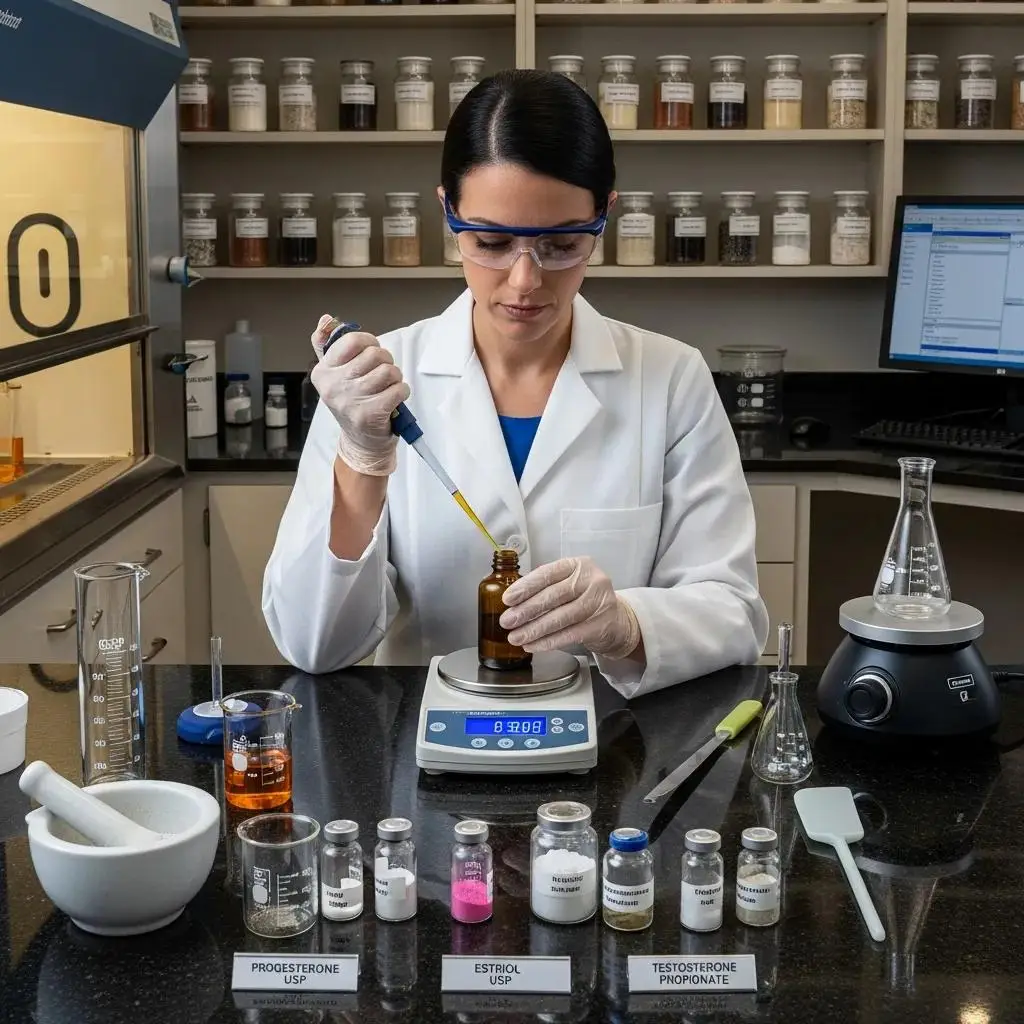
Personalized compounding improves outcomes by matching formulation, dose, and delivery to a person’s hormone levels, symptoms, and absorption profile—maximizing desired effects while minimizing side effects. Clinicians typically use baseline labs and validated symptom tools to set starting doses, then adjust concentrations or routes—for example, switching an oral troche to a topical gel—if absorption or tolerability becomes an issue. That tailored approach can deliver faster symptom relief and fewer systemic effects than a one‑size‑fits‑all plan. Success also depends on scheduled follow‑up, objective monitoring, and clear communication among the patient, prescriber, and compounding pharmacist.
Are compounded bioidentical hormones safe and regulated?
Compoundedbioidenticalhormones are not sold as FDA‑approved, mass‑produced products, so oversight relies on state pharmacy boards, compounding standards, and each pharmacy’s internal controls. Recommended practices include pharmacist verification of prescriptions, sourcing high‑quality raw materials, validated compounding methods, batch documentation, and stability checks where feasible. Choose pharmacies that offer pharmacist consultations, transparent QA procedures, and clear monitoring guidance. Regular lab follow‑up and symptom tracking are critical to catch dosing issues or adverse effects early and keep therapy safe.
Concerns regarding safety and efficacy of compounded bioidentical hormone therapy
There is a need for prospective studies and clinical guidelines for safety monitoring in women using cBHT, particularly for those on higher‑than‑physiologic doses or unique custom formulations. Long‑term evidence on safety and effectiveness is limited, and concerns remain about standardization and regulatory oversight.
Concerns about safety and efficacy of compounded bioidentical hormone therapy, 2021
How does BHRT compounding address specific conditions like menopause and andropause?
CompoundedBHRT targets the hormonal drivers behind menopause and andropause by selecting hormones and delivery systems that address the symptoms that most affect daily life. For menopause, estrogen‑focused formulas reduce vasomotor symptoms and improve urogenital health, while progesterone can support mood and sleep. For andropause or low testosterone, compounded testosterone options aim to restore libido, energy, and lean mass when closely monitored. Treatment plans account for symptom severity, other health conditions, and whether the patient prefers systemic or localized therapy. Mapping hormones to symptoms and delivery forms sets realistic expectations for how quickly improvements may appear.
How does BHRT relieve menopause symptoms such as hot flashes and mood swings?
Estradiol acts on the hypothalamus’ temperature control centers to lessen the frequency and intensity of hot flashes, while progesterone and appropriate androgen support can help stabilize mood and improve sleep. Local estrogen products treat vaginal dryness and painful intercourse with lower systemic exposure when used correctly. Many patients notice vasomotor improvement within weeks and continued gains in mood and sleep over a few months as doses are optimized. Monitoring typically includes symptom diaries and periodic hormone testing to guide safe, effective titration.
What are the benefits of BHRT for andropause and low testosterone?
Compounded testosterone can help reverse declines in libido, energy, and muscle mass by restoring physiologic testosterone levels tailored to symptom response and lab targets. Topical formulations and troches allow precise dose adjustments, while monitoring for hematologic, lipid, and prostate‑related changes is essential. Men often report better energy and sexual function within weeks and improvements in body composition over months when combined with lifestyle measures. Careful dose selection and ongoing follow‑up reduce risk and support lasting benefit.
What is the personalized compounding process at Value Drugstore for BHRT?
Personalized compounding begins with a valid prescription and clinical details—symptom history, prior treatment responses, and lab results—that our pharmacists use to design a formulation that fits the patient. Core steps include prescription verification, dose and vehicle calculation, preparation under validated protocols, and final quality checks before release. QA measures like active‑ingredient verification, calibrated weighing, and clear labeling help ensure each batch matches the prescription. Turnaround times depend on complexity but generally include a pharmacist consultation and documentation of lot numbers and formulation notes for refill continuity.
| Step | Quality Check | Patient Action / Turnaround |
|---|---|---|
| Prescription & Consultation | Verify prescriber and clinical data | Submit labs and medication history; allow scheduling time |
| Formulation Design | Pharmacist calculates dose and vehicle | Patient confirms preferences (cream, gel, troche) |
| Compounding & Measurement | Calibrated weighing and documentation | Typical turnaround varies by complexity (days) |
| Final QA & Counseling | Visual inspection, labeling, counseling | Patient receives instructions and follow‑up schedule |
This workflow shows how clinical input and pharmacy QA combine to produce consistent, individualized products. Knowing the process helps patients prepare refill requests and plan follow‑up.
Value Drugstore provides personalized compounding with pharmacist oversight and refill workflows designed for accessibility and affordability. As an online partner, we support telehealth consultations, convenient prescription refills, and supplements that may support hormone balance. Patients who work with Value Drugstore can expect pharmacist access for formula questions and clear guidance on monitoring plans—demonstrating how a compounding pharmacy’s processes support safe, effective care.
How are custom hormone formulations created to match individual needs?
Custom formulations start by translating clinical goals—symptom reduction, target hormone ranges, and delivery preferences—into specific concentrations and vehicles that influence absorption and bioavailability. Pharmacists review lab values and symptom details to set ratios (for example, estradiol:estriol balance) and choose bases suited to skin or mucosal application, balancing potency with tolerability. Each formula is documented with compound instructions, lot numbers, and counseling notes to keep refills consistent. Turnaround expectations are shared up front so patients know when to expect delivery and when to schedule follow‑up labs.
What types of hormones and delivery methods are used in BHRT compounding?
Compounding pharmacies prepare hormones such as estradiol, estriol, progesterone, testosterone, and DHEA in forms like creams, gels, pellets, oral troches, and vaginal inserts to meet different absorption needs and patient preferences. Each route has trade‑offs: topical routes avoid first‑pass liver metabolism, oral troches allow precise dosing but have distinct absorption patterns, and vaginal formulations deliver targeted local effects with lower systemic exposure. The best choice depends on symptom targets, lifestyle, and monitoring strategy. Good pharmacist counseling ensures you understand how to use, store, and expect results from each product.
How can patients get started with BHRT compounding at Value Drugstore?
Getting started follows a simple path: schedule a telehealth consultation (or submit an existing prescription), provide relevant labs and medical history, then let the pharmacy compound and deliver your prescription through an integrated refill system. This process reduces friction by combining telehealth, prescription submission, and e‑commerce refills for continuity of care. Costs vary by formulation complexity and delivery method; Value Drugstore focuses on affordability and pharmacist support to explain billing and refill options. This stepwise approach makes it practical to move from evaluation to tailored therapy while keeping up with monitoring and follow‑up.
- Schedule a telehealth consultation: Share your symptom history and recent labs with the prescribing clinician.
- Submit or obtain a prescription: Ensure the prescription includes formulation details or allows pharmacist collaboration.
- Pharmacy compounding & delivery: The pharmacist prepares the formula, completes QA, and sets up the refill plan.
These steps create a predictable path from evaluation to ongoing therapy and show where you’ll work with clinicians and pharmacists during the process.
What does the telehealth consultation process involve?
A telehealth consult usually begins with a focused medical history, a symptom inventory, and a review of prior labs, followed by clinician recommendations and a prescription when appropriate. To prepare, bring a symptom diary, a list of current medications and supplements, and recent lab reports. The clinician will discuss treatment goals, suggested hormones and delivery options, and an initial monitoring plan that includes timing for follow‑up labs and symptom reassessment. After the visit, the prescription and clinical notes are sent to the compounding pharmacy, which schedules formulation, delivery, and pharmacist counseling.
What are the costs, insurance options, and patient experiences?
Cost for compoundedBHRT depends on formulation complexity, hormone concentrations, delivery method, and refill cadence—topical creams and gels can cost differently than troches or pellets because of ingredient and labor differences. Insurance coverage varies: some plans may cover parts of the evaluation or dispensing, while others treat compounded products as non‑covered. Ask for an itemized estimate and talk with the pharmacy about lower‑cost alternatives. Patients often report improved symptom control and appreciate the convenience of telehealth plus refill management; transparent pricing and clear monitoring plans are common drivers of satisfaction.
What are common questions about BHRT compounding?
Patients frequently ask what bioidenticalhormones treat, how to evaluate a compounding pharmacy, and what monitoring is required. Clear, practical answers help set expectations and support safe therapy starts. Key topics include mapping hormones to symptoms, weighing delivery method trade‑offs, and verifying pharmacy QA. Actionable guidance reduces uncertainty and helps patients make evidence‑aligned choices.
What are bioidentical hormones used for?
Bioidenticalhormones are mainly used to manage symptoms tied to hormonal transitions and deficiencies—menopause, perimenopause, and andropause—addressing hot flashes, sexual dysfunction, mood changes, sleep problems, and loss of muscle mass. Each hormone targets particular symptom clusters: estradiol for hot flashes and vaginal health, progesterone for sleep and mood, and testosterone for libido and energy. If symptoms are pronounced or complex, a clinician evaluation with baseline labs will help determine which hormones and delivery methods offer the best balance of benefit and safety. Timely follow‑up lets clinicians adjust doses to optimize results.
How do I find a reputable compounding pharmacy for BHRT?
Choosing a compounding pharmacy starts with a checklist of quality indicators, pharmacist access, and clear processes to ensure safe, consistent products and effective collaboration with prescribers. Look for pharmacies that provide pharmacist consultations, document QA steps, use validated measurement and labeling protocols, and offer transparent refill and monitoring workflows. Verify state board licensing and review how the pharmacy communicates with patients. Ask about ingredient sourcing, stability testing, and recordkeeping—those answers reveal whether a pharmacy is aligned with safe, personalized BHRT.
- Pharmacist consultation availability and clear communication channels.
- Documented compounding protocols and lot documentation.
- Transparent refill and monitoring workflows with clinician coordination.
Frequently Asked Questions
What is the role of lifestyle changes in enhancing BHRT outcomes?
Lifestyle changes support the success of Bio‑Identical Hormone Replacement Therapy (BHRT). Regular physical activity, a balanced diet focused on whole foods, adequate sleep, and stress management all help hormonal balance. Avoiding smoking and limiting alcohol can also improve results. Discuss specific lifestyle strategies with your healthcare provider to build a plan that complements your BHRT regimen and improves symptom control and overall well‑being.
How can I monitor my progress while on BHRT?
Monitoring progress on BHRT involves regular follow‑ups with your healthcare provider to assess hormone levels and symptom relief. Hormone testing typically occurs every 3 to 6 months early in treatment, then may move to annual checks once stable. Keeping a symptom diary helps you track changes and communicate clearly with your clinician. This proactive approach ensures timely adjustments and helps optimize your therapy.
What should I do if I experience side effects from BHRT?
If you experience side effects from BHRT, contact your healthcare provider promptly. Common side effects include headaches, mood changes, or digestive upset. Your provider may adjust your dose or change the delivery method to reduce symptoms. Regular monitoring and open communication are key to keeping therapy safe and effective and to addressing any adverse effects quickly.
Are there specific conditions that BHRT can help with?
BHRT is especially useful for symptoms tied to hormonal transitions such as menopause, perimenopause, and andropause. It can ease hot flashes, mood swings, sleep disturbances, and sexual dysfunction. BHRT also supports people with low testosterone to restore energy, libido, and muscle mass. A thorough clinical evaluation will determine if BHRT is appropriate for your condition and which hormones or delivery methods best meet your needs.
How do I choose the right compounding pharmacy for BHRT?
Choosing the right compounding pharmacy means checking licensure, reputation, and pharmacist support. Look for pharmacies that follow strict QA protocols, document ingredient sourcing and compounding practices, and communicate clearly with patients. Ask about experience with BHRT and their monitoring practices to find a partner aligned with your safety and care expectations.
What is the importance of follow-up consultations during BHRT?
Follow‑up consultations are essential for evaluating treatment effectiveness and making adjustments. These visits let providers monitor hormone levels, check symptom relief, and manage side effects. Regular check‑ins keep therapy aligned with your health goals and allow timely changes to dose or delivery, supporting a collaborative approach to care.
What are the potential side effects of compounded BHRT?
CompoundedBHRT can produce side effects similar to traditional hormone therapies. Common issues include headaches, breast tenderness, mood swings, or digestive changes. Incorrect dosing can lead to more serious problems—such as blood clots or hormonal imbalance. Regular follow‑up with your healthcare provider helps catch side effects early so doses can be adjusted to maintain safety and benefit.
How often should I have my hormone levels tested while on BHRT?
Hormone testing is commonly done every 3 to 6 months during the initial phase to assess response and guide dose changes. Once levels and symptoms are stable, testing often moves to annual checks or follows your clinician’s plan. Consistent monitoring keeps hormone levels in the target range and reduces the risk of over‑ or under‑treatment.
Can BHRT be used for men experiencing low testosterone?
Yes. BHRT, including compounded testosterone, is used for men with low testosterone (andropause) to help with fatigue, low libido, and muscle loss. Therapy is individualized, with dose and delivery adjusted based on labs and symptoms. Men considering BHRT should review benefits, risks, and monitoring needs with a healthcare provider to ensure a safe, effective plan.
What lifestyle changes can enhance the effectiveness of BHRT?
Healthy habits support BHRT outcomes: regular exercise, a balanced diet, good sleep, and stress reduction all promote hormonal balance. Avoiding tobacco and limiting alcohol also helps. Talk with your clinician about specific lifestyle steps that complement your BHRT plan for the best results.
How do I know if BHRT is right for me?
Deciding if BHRT is right for you begins with a clinical evaluation that includes medical history, symptom review, and lab testing. If you’re experiencing symptoms like hot flashes, mood changes, or low libido, BHRT may be an option. A personalized approach based on your health goals and test results will determine which hormones and delivery methods are appropriate.
What should I expect during the initial consultation for BHRT?
Expect a thorough review of your medical history, current symptoms, and any prior hormone treatments. The clinician will discuss lifestyle, family history, and goals, and may order labs to measure hormone levels. Based on this information, the clinician will recommend a tailored treatment plan covering hormone options, delivery methods, and monitoring strategies to keep therapy safe and effective.
Conclusion
Compounded bio‑identical hormone replacement therapy offers a personalized way to manage hormonal imbalances and improve quality of life. When formulas are tailored to individual needs and paired with thoughtful monitoring, patients can achieve targeted symptom relief and better tolerability. Understanding the compounding process and safety measures helps you make informed choices about hormone therapy. Ready to explore personalized hormone care? Learn more about Value Drugstore’s services and how our pharmacists can support your treatment plan.