
Boost Your Diabetes Awareness: Key Prevention Tips to Know

Understanding Diabetes: What to Watch For, How to Lower Your Risk, and Practical Next Steps
Diabetes is a long-term metabolic condition that makes it hard for the body to keep blood sugar in a healthy range—usually because insulin production or how insulin works is damaged. Research shows that spotting high blood sugar or prediabetes early and acting quickly with lifestyle changes or medical advice can often prevent type 2 diabetes. This article lays out what to look for, how to judge your risk, practical prevention steps, and safe options for managing prediabetes and blood sugar. You’ll find common early signs, clear prevention actions, how to check your risk with screening tests, and evidence-based natural and medical options for control. Throughout, we highlight blood sugar monitoring, A1C testing, diet and exercise basics, and how pharmacists can support safe supplement use and counseling. The sections ahead include symptom lists, prevention steps, risk-factor checklists, comparison tables, and straightforward next steps to help with diabetes awareness and prevention.
What Are the Early Signs and Symptoms of Diabetes?
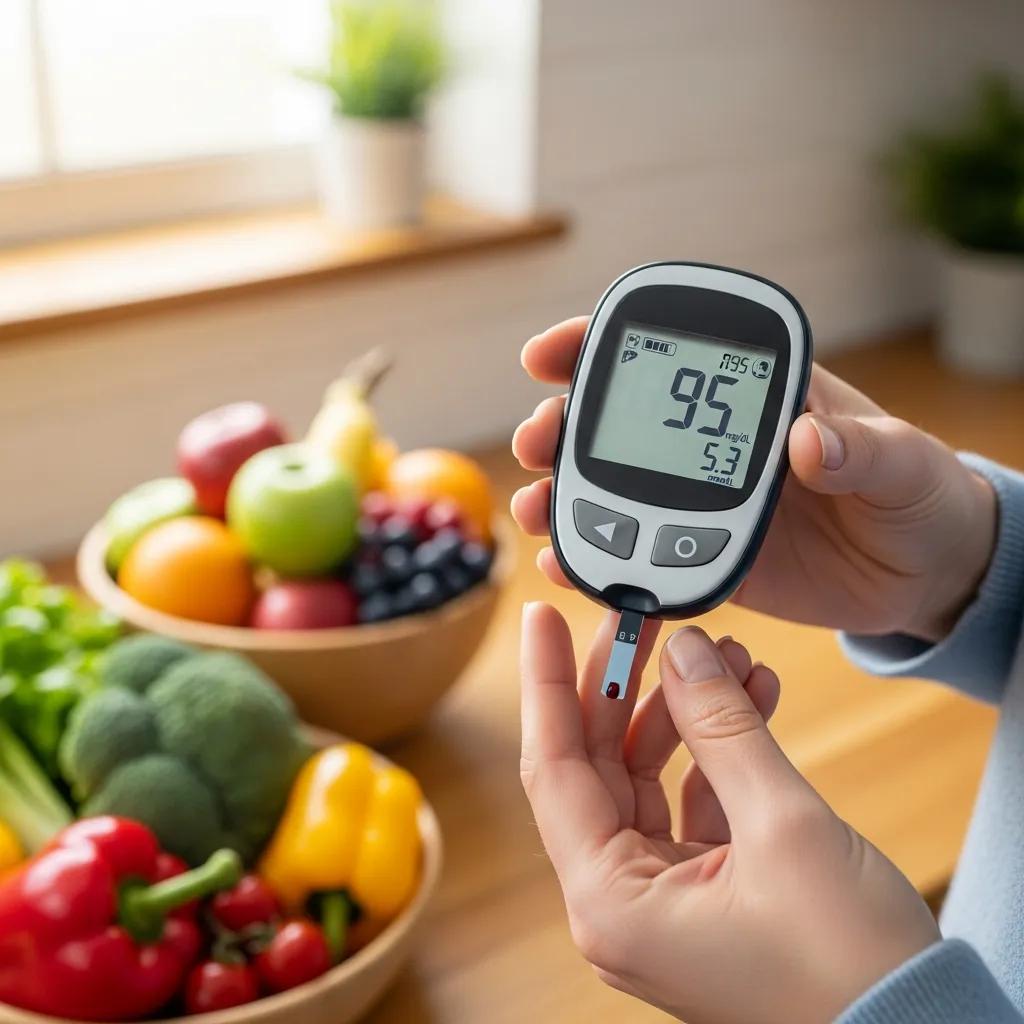
Early diabetes and prediabetes often cause subtle changes tied to higher blood sugar. Excess glucose affects fluid balance, nerves, and wound healing, which explains many common early signs. Because these symptoms reflect measurable shifts in the body, recognizing them can prompt diagnostic testing—like A1C or fasting glucose—to confirm prediabetes or diabetes. Knowing why symptoms happen helps you act and discuss screening with your healthcare team, including your pharmacist when appropriate.
Which Common Symptoms Indicate Diabetes Onset?
Symptoms of diabetes come from high blood sugar and problems with insulin. They can show up suddenly with type 1 diabetes or slowly with type 2 and prediabetes, so timing and symptom patterns matter when deciding to test. Below are the most common early signs and a simple explanation of each.
- Increased thirst and frequent urination: excess glucose pulls water into the urine, which can cause dehydration and greater thirst.
- Unexplained weight loss: when insulin is low or not working well, the body burns fat and muscle for fuel.
- Persistent fatigue: cells don’t get glucose efficiently, so you feel low on energy even with normal food intake.
- Blurred vision: fluid shifts in the eye change the lens shape and affect focus.
- Slow-healing cuts or infections: elevated glucose interferes with immune response and tissue repair.
- Numbness or tingling in hands or feet: long-term high blood sugar can damage peripheral nerves.
If you notice one or more of these signs, especially together, consider getting screened or talking with a clinician promptly.
How Can You Recognize Prediabetes Symptoms Naturally?
Prediabetes often has no obvious symptoms, which is why screening is so important for people with risk factors. Sometimes people notice mild clues—slight fatigue, more frequent hunger, or small weight gain—but these can be easy to miss. Tests such as A1C (which reflects average glucose over 2–3 months) and fasting plasma glucose give objective answers that symptoms alone can’t. If you see subtle changes or have risk factors like a higher BMI, family history, or past gestational diabetes, schedule a screening test. Early detection lets you use lifestyle steps that research shows lower the chance of progressing to type 2 diabetes.
If you’re unsure whether your symptoms warrant testing, pharmacists can help interpret what you’re experiencing and recommend next steps for screening with your primary care provider or a testing service.
For extra support interpreting symptoms and finding screening options, offers pharmacist consultations and screening guidance to help customers decide when to seek testing and how to follow up with a clinician. Our pharmacists can review medication questions and suggest next steps—such as referrals for lab testing or talking points for your primary care visit—so you move from noticing symptoms to getting formal evaluation. These consultations focus on education and safe referrals, not on replacing medical diagnosis.
How Can You Prevent Type 2 Diabetes Through Lifestyle Changes?

Preventing type 2 diabetes focuses on changing what you eat, moving more, and achieving moderate, lasting weight loss—steps that improve insulin sensitivity and lower average blood sugar. These changes reduce insulin resistance by shrinking visceral fat and increasing muscle glucose use, and they have been shown to cut the risk of progression from prediabetes to diabetes. Prevention is practical and measurable; setting clear goals and tracking progress boosts long-term success. Below are priority steps and why they work.
What Lifestyle Changes Are Most Effective for Diabetes Prevention?
The strongest evidence supports combined lifestyle approaches: modest weight loss, regular aerobic activity, and higher-fiber, lower-refined-carbohydrate eating. Structured programs have roughly halved progression risk in high-risk groups. A practical target for many people is 5–7% body-weight loss, paired with about 150 minutes per week of moderate aerobic activity and resistance training twice a week. Behavior tools—self-monitoring, meal planning, and small, staged goals—help you stick with changes over time. These targets deliver measurable metabolic benefits and help maintain healthier blood sugar long term.
Introductory table comparing lifestyle interventions is below to clarify mechanism and expected outcomes.
Different lifestyle approaches produce distinct metabolic effects and measurable outcomes.
| Intervention | Mechanism | Recommended Dose/Amount |
|---|---|---|
| Weight loss | Lowering visceral fat reduces insulin resistance | Aim for 5–7% body weight loss over several months |
| Aerobic exercise | Boosts muscle glucose uptake through insulin-independent pathways | About 150 minutes/week of moderate activity (for example, brisk walking) |
| Resistance training | Builds muscle, increasing baseline glucose disposal | 2 sessions/week focusing on major muscle groups |
Used together, these strategies complement each other and strengthen blood sugar control and diabetes prevention.
How Do Diet and Exercise Support Blood Sugar Control?
Diet and exercise improve blood sugar by increasing insulin sensitivity and lowering circulating glucose—muscles take up more glucose and the liver produces less. Practical food patterns favor whole, fiber-rich foods, fewer refined carbs, and consistent meal timing to reduce large glucose spikes.
An easy example is the plate method: half nonstarchy vegetables, one-quarter lean protein, and one-quarter whole grains or starchy vegetables. Make small adjustments based on monitoring and how your body responds.
Safety note: if you take glucose-lowering medication, coordinate any major diet or exercise changes with your clinician or pharmacist to reduce the risk of low blood sugar.
Value Drugstore’s pharmacists offer counseling and telehealth services to support personalized lifestyle plans and supplement guidance. They can review your medications, advise on safe exercise and diet changes, and schedule telehealth follow-ups to track progress—helping you maintain healthy habits over time.
How Do You Assess Your Risk Factors for Diabetes?
Assessing diabetes risk means looking at non-modifiable factors (age, family history, certain ethnicities) and modifiable targets (BMI, activity level, blood pressure, cholesterol). Understanding your risk helps determine how often to screen and which prevention steps to prioritize. Simple checklists and prompts make it easier to decide when to seek professional evaluation or testing. The next subsection lists the main risk factors to evaluate.
What Are the Key Diabetes Risk Factors to Know?
Key risk factors include fixed characteristics and changeable conditions, each affecting your absolute risk differently. Non-modifiable risks include older age, family history of diabetes, certain ethnic backgrounds, and past gestational diabetes. Modifiable risks include overweight or central obesity, inactivity, high blood pressure, and abnormal lipids. Focusing on modifiable factors gives you clear targets for prevention.
- Age over 45, family history of diabetes, or a history of gestational diabetes increase the urgency for screening.
- BMI ≥25 (or a lower threshold in some ethnic groups), a sedentary lifestyle, and high blood pressure are important, actionable risk factors.
- Smoking and sleep apnea also raise metabolic risk and should be addressed in a prevention plan.
Validated risk assessment tools help identify people at higher risk of developing type 2 diabetes so interventions can be targeted where they’ll do the most good.
Risk Assessment Tools for Identifying Type 2 Diabetes Risk
Clinical trials show that lifestyle changes or medication can prevent type 2 diabetes in people with impaired glucose tolerance. To target these interventions, researchers developed multivariable risk scores to identify individuals at higher risk. Reviews of the literature and external validations show that many risk scores reliably discriminate risk in the populations where they were developed, though performance can vary by group and methodology.
Risk assessment tools for identifying individuals at risk of developing type 2 diabetes, B Buijsse, 2011
How Can You Monitor and Screen for Diabetes Early?
Early monitoring uses established tests—A1C, fasting plasma glucose, and the oral glucose tolerance test (OGTT)—each giving different but complementary information. A1C reflects average glucose over the past 2–3 months and is convenient for routine screening; fasting glucose and OGTT can detect issues that A1C sometimes misses. For most adults at average risk, screening every three years is reasonable; screen more often if you have multiple risk factors or prior prediabetes. If symptoms appear or conditions change quickly, get tested right away. Pharmacists and primary care clinicians can arrange testing and help interpret results to guide prevention or treatment plans.
If you want on-site help deciding which tests make sense for you, Value Drugstore’s pharmacists offer medication reviews and screening guidance to support test selection and result interpretation—bridging initial symptom recognition to formal evaluation.
What Natural and Medical Options Support Managing Prediabetes and Blood Sugar?
Managing prediabetes and mildly elevated blood sugar includes lifestyle measures, some natural supplements with varying evidence, monitoring strategies, and—when appropriate—medications. Supplements can offer modest benefits but differ in quality and interaction risk; medications like metformin have stronger evidence and are used when lifestyle changes aren’t enough. Pharmacist oversight helps prevent interactions, ensures safe dosing, and can support compounding when standard options don’t fit. The section below summarizes commonly used supplements and important clinical considerations.
Which Natural Supplements Help with Blood Sugar Control?
Some supplements have modest evidence for helping blood sugar, but benefits and safety vary, so check with a pharmacist before starting anything. Examples with supporting data include soluble dietary fiber (which blunts post-meal spikes), berberine (which may improve insulin sensitivity), cinnamon extracts (small glucose-lowering effects in some studies), and alpha-lipoic acid (used for nerve symptoms and antioxidant support). Dosing, interactions—especially with glucose-lowering drugs—and product standardization are important for safety and effectiveness. Always review supplements with a pharmacist to avoid interactions and confirm monitoring plans.
Different options compare across evidence and safety dimensions in the table below.
| Option | Evidence Level | Safety Notes |
|---|---|---|
| Dietary fiber (soluble) | High (dietary trials) | Generally safe; increases fullness and lowers post-meal glucose |
| Berberine | Moderate (small clinical trials) | May interact with medications; consult a pharmacist before use |
| Cinnamon extract | Low to moderate | Formulations vary; monitor blood sugar closely |
| Metformin (medication) | High (clinical guidelines) | Used when lifestyle is insufficient; watch for GI side effects and monitor kidney function |
This table highlights that lifestyle changes and selected medical therapies have stronger evidence than most supplements, and pharmacist oversight helps integrate options safely and effectively.
How Can Pharmacist Consultations and Personalized Care Aid Diabetes Management?
Pharmacists offer medication reviews, adherence support, telehealth follow-ups, and personalized compounding when standard formats aren’t suitable—all of which can improve safety and convenience. Services include checking drug–supplement interactions, recommending evidence-based supplements, adjusting dosing schedules for better adherence, and coordinating with prescribers when medication changes are needed. Telehealth visits extend access to ongoing counseling and monitoring, supporting long-term blood sugar control and quick problem-solving. For people thinking about supplements or medication changes, a pharmacist-led review lowers risk and helps personalize the plan.
Value Drugstore carries selected natural supplements, provides personalized compounding, and offers pharmacist consultations and telehealth services to help customers build safe, individualized strategies for managing prediabetes and blood sugar. These pharmacy-led services prioritize education, interaction checks, and tailored follow-up rather than replacing clinical diagnosis, helping you safely combine supplements and medications within a broader prevention plan.
Conclusion
Understanding diabetes and its risk factors empowers you to take proactive steps toward prevention and management. By recognizing early symptoms and implementing lifestyle changes, you can significantly lower your risk of developing type 2 diabetes. Engaging with healthcare professionals, including pharmacists, ensures you receive personalized guidance and support tailored to your needs. Start your journey to better health today by exploring our resources and consulting with our experts.