Busting Pharmacy Myths: Essential Facts for Your Health

Pharmacy Myths Debunked: Essential Facts You Need to Know About Medications and Pharmacists
Accurate information about medications and the pharmacist’s role matters for safety, costs, and treatment success, so this guide debunks common pharmacy myths and equips you to make smarter medication decisions. You will learn concise myth→fact corrections about prescription and over-the-counter (OTC) medicines, clear explanations of pharmacists’ responsibilities, evidence-based guidance on generic versus brand-name drugs, and practical verification steps for evaluating medication claims. Misunderstandings about medications frequently lead to nonadherence, harmful self-medication, and unnecessary expense; this article provides corrective facts and action steps to reduce those risks. Expect quick myth corrections, lists you can scan for immediate actions, comparison tables that summarize generics vs brand and OTC risks, and a step-by-step verification checklist you can use before taking or buying a medicine. Throughout, the content explains how pharmacists support medication safety and when to consult them for counseling, cost options, immunizations, or adherence services. Read on to separate widely held pharmacy myths from reliable pharmacy facts and learn when and how to use pharmacy services effectively.
What Are the Most Common Pharmacy Myths About Medications?
Many widely repeated statements about medications are oversimplifications that can harm safety or effectiveness; understanding the reason behind each falsehood helps correct behavior. This section lists the most frequent pharmacy myths, provides short factual corrections based on medication safety principles, and offers immediate actions readers can take such as checking labels or asking a pharmacist. Recognizing these myths reduces the risk of interactions, underdosing, or unsafe OTC combinations, and it prepares patients to engage with healthcare providers more effectively. The following myth→fact list is concise so you can scan corrections quickly and use them as conversation starters with your pharmacist or prescriber.
The top pharmacy myths and short corrections:
- Myth: OTC medications are always safe because they don’t require a prescription.
- Myth: A higher price means a better or more effective medication.
- Myth: If symptoms improve you can stop a prescription early.
- Myth: Generic drugs are lower quality than brand-name drugs.
- Myth: More frequent dosing is always better than lower doses.
- Myth: Natural or herbal products can’t interact with prescription drugs.
- Myth: If one pain reliever doesn’t work, doubling the dose is safe.
These myth corrections show common pitfalls and what to do next:
- Check the active ingredients and dosing instructions before using OTC products and never assume safety for chronic conditions.
- Compare bioequivalence information and discuss cost-saving options with a pharmacist rather than relying on price as a quality indicator.
- Complete prescribed antibiotic courses unless instructed otherwise, and ask a pharmacist if you experience early improvement that suggests dose or duration questions.
- Discuss herbal supplements with your pharmacist to rule out interactions and to confirm appropriate use.
Which Medication Myths vs Facts Should You Be Aware Of?
Specific misconceptions about dosing, drug interactions, and product selection often cause preventable harm, so brief targeted facts can change behavior quickly. For example, stopping antibiotics early can contribute to resistance, not just symptomatic relief, and combining different NSAIDs increases gastrointestinal and renal risk without improving pain control. Understanding the mechanism—how active ingredients and dosages work—helps patients ask productive questions when they speak with pharmacists. When in doubt, check the product label for active ingredients and ask a pharmacist to verify whether two products contain the same medicine, which prevents accidental duplication and toxicity.
These examples illustrate why verification matters and naturally lead to the next topic: how OTC medication myths specifically create health risks that pharmacists frequently mitigate.
How Do Over-The-Counter Medication Myths Affect Your Health?
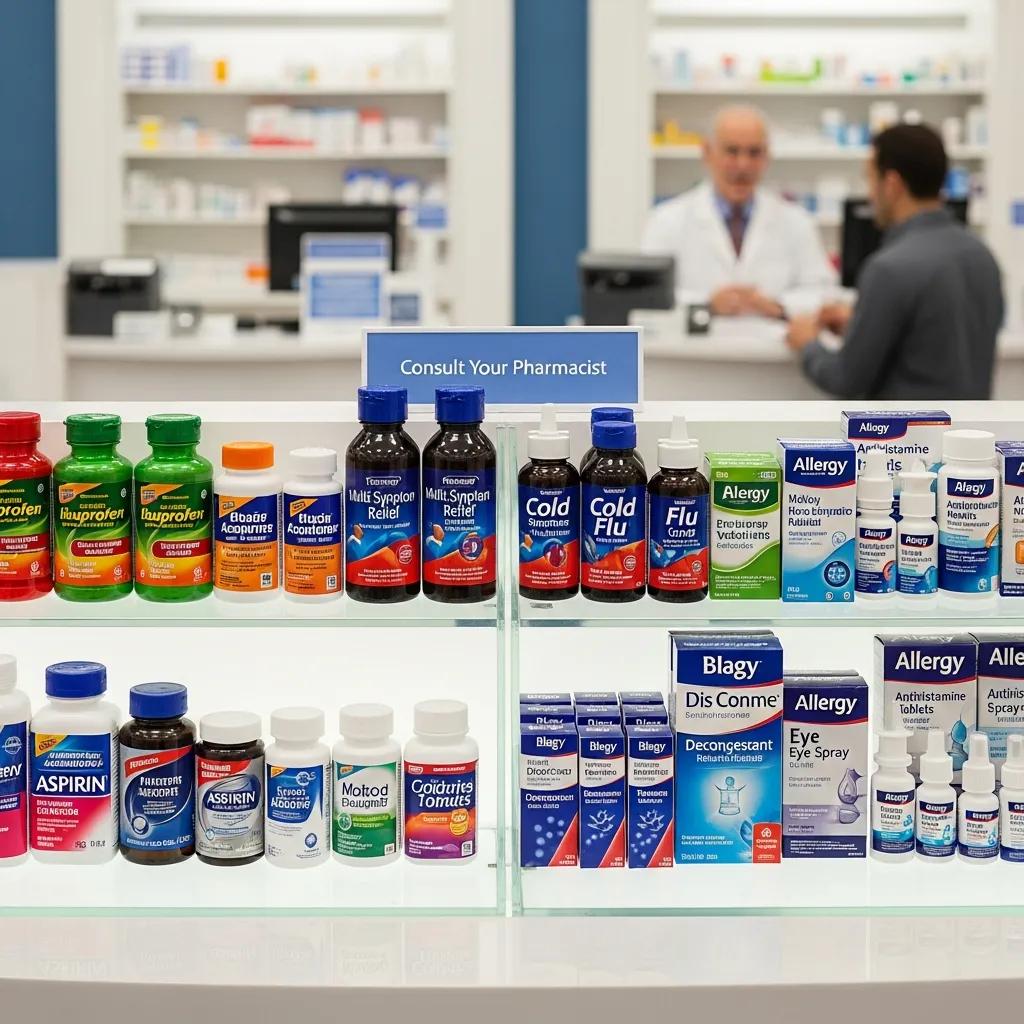
OTC misuse can cause organ damage, mask serious conditions, or produce dangerous interactions; common scenarios include acetaminophen overdose, NSAID-related bleeding, and antihistamine-induced sedation that impairs driving. For instance, taking multiple acetaminophen-containing products for cold symptoms can exceed safe daily limits and harm the liver, while routine NSAID overuse can worsen blood pressure, cause ulcers, and harm kidneys in vulnerable patients. Pharmacists evaluate risk factors such as age, chronic disease, and concurrent prescriptions, and they advise safer alternatives or dosing schedules. If you experience severe side effects, unexplained pain, or symptoms that don’t resolve, a pharmacist can recommend whether to seek immediate medical attention, which transitions to how pharmacists support safe medication use overall.
Pharmacist Interventions for Over-the-Counter Medication Safety
Pharmacists intervene in and prevent problems related to over-the-counter medications, including high-risk medications like analgesics, in which inappropriate use due to consumers’ lack of knowledge can lead to severe consequences. As the selection and use of over-the-counter medications is continuously increasing, pharmaceutical counselling should be readily available and actively provided for consume
Drug-related problems and pharmacy interventions in non-prescription medication, with a focus on high-risk over-the-counter medications, 2020
What Is the True Role of Pharmacists in Healthcare?

Pharmacists are medication experts who ensure prescription accuracy, assess drug interactions, counsel patients on safe use, and provide preventive services such as immunizations and smoking-cessation support. They evaluate active and inactive ingredients, review dosing regimens, and perform medication reconciliation to reduce errors during care transitions, which directly improves medication safety and adherence. Pharmacists also communicate with prescribers to clarify prescriptions and to recommend clinically appropriate substitutions, making them an accessible healthcare touchpoint for medication-related questions. Knowing these core roles encourages patients to use pharmacists as a routine safety net and leads naturally into specific safety practices pharmacists use daily.
Pharmacists use systematic safety workflows to reduce errors, and these workflows include technology-assisted interaction checks, allergy verification, and counseling protocols that ensure patients understand their therapies. They interpret complex sources such as formularies and evidence summaries to recommend cost-effective choices that do not compromise efficacy. This medication-centered expertise supports long-term treatment success and transitions into practical services pharmacists offer that patients can request.
Pharmacist services you can expect when managing medications:
- Medication review and reconciliation to identify duplications and interactions.
- Medication therapy management and adherence counseling to optimize regimens.
- Immunization and preventive care advice tailored to age and health status.
- Prescription synchronization and refill coordination to reduce missed doses.
How Do Pharmacists Ensure Safe Medication Use?
Pharmacists apply verification steps including confirming indication, checking for drug–drug and drug–disease interactions, and verifying appropriate dosing based on age, weight, and renal function. They use electronic interaction databases and clinical judgment to flag high-risk combinations and then counsel patients on warning signs and monitoring needs. Pharmacists also perform medication reconciliation after hospital discharge to prevent omissions or duplications that cause adverse events, and they provide tailored counseling to support adherence and side-effect management. These practices reduce adverse drug events and naturally connect to why patients should consult pharmacists for medication questions.
Why Is Consulting a Pharmacist Important for Your Medication?
Consulting a pharmacist improves adherence, reduces adverse events, and often identifies lower-cost options that preserve clinical effect, which together improve outcomes and reduce wasteful spending. Patients benefit most when they bring all current medications, including OTCs and supplements, to a pharmacist for a comprehensive review that detects interactions or unnecessary therapy. Preparing a list of symptoms, prior reactions, and insurance/formulary concerns enables a focused consultation that can uncover generic substitution options or recommend monitoring strategies. Making pharmacist consultations part of routine medication management closes the loop between prescribing and safe use and leads into a focused discussion on generics versus brand-name drugs.
After understanding pharmacist roles, consider using pharmacy services such as medication reviews, prescription synchronization, immunizations, and counseling to support safe medication use and ask your pharmacist about options to manage costs and adherence.
Are Generic Drugs as Effective as Brand-Name Drugs?
Yes — generic drugs are generally as effective as brand-name drugs because regulators require bioequivalence and comparable active ingredients, ensuring therapeutic interchangeability for most medications. Generics contain the same active ingredient, strength, dosage form, and route of administration as the brand product, and they must meet the same standards for purity and potency. Price differences reflect competition and development costs rather than differences in therapeutic effect, so cost savings from generics improve access without sacrificing efficacy for the vast majority of medications. Understanding these regulatory and scientific foundations helps patients make informed choices and decide when to consult a pharmacist about substitution.
Below is a concise comparison of brand-name and generic drugs showing key attributes that determine equivalence and accessibility.
| Product Type | Key Attribute | Typical Value |
|---|---|---|
| Brand-name drug | Active ingredient origin | New chemical entity developed by manufacturer |
| Generic drug | Active ingredient equivalence | Same active moiety and strength as brand |
| Brand-name drug | Bioequivalence requirement | Demonstrated during approval |
| Generic drug | Regulatory oversight | Approved based on bioequivalence and manufacturing standards |
| Brand-name drug | Cost | Often higher due to development and patent costs |
| Generic drug | Cost | Typically lower, improving accessibility |
This comparison clarifies why generics are a safe, cost-effective choice for most patients and sets up deeper facts about safety and quality.
What Are the Facts About Generic Drug Safety and Quality?
Generic drugs undergo regulatory review to demonstrate bioequivalence, meaning they deliver the same amount of active drug to the bloodstream within an acceptable range compared with the brand product. Manufacturing standards require consistent potency and purity, and pharmacists monitor recall notices and quality alerts to ensure patient safety. Common quality concerns—such as different inactive ingredients or pill color—rarely affect therapeutic effect, but specific clinical exceptions exist (for drugs with narrow therapeutic indices) where a prescriber may prefer a particular manufacturer. When such exceptions apply, pharmacists can facilitate communication between patients and prescribers to manage substitution decisions safely.
These safety facts lead directly into practical considerations on cost and access, including how pharmacists can help patients find affordable alternatives.
How Do Generic Drugs Compare in Cost and Accessibility?
Generics typically cost substantially less than brand-name counterparts because manufacturers do not incur original development costs, which increases affordability and insurance coverage for patients. Pharmacy benefit formularies and insurance plans often prefer generics to reduce overall spending, and pharmacists can suggest cost-saving alternatives or therapeutic equivalents when appropriate. Discussing generic substitution and available savings programs with a pharmacist can lower out-of-pocket costs while maintaining clinical effectiveness. If a patient has concerns about switching due to prior adverse reactions or narrow therapeutic windows, the pharmacist will coordinate with the prescriber to determine the safest route.
How Can You Identify and Avoid Pharmacy Myths?
Identifying misinformation requires a repeatable verification process: check the product label and active ingredient, consult authoritative sources, and confirm with a qualified pharmacist when uncertainty persists. A structured checklist reduces the chance of acting on a myth and helps patients prioritize rapid verification steps before taking or combining medicines. Trusted sources include regulatory agencies, professional pharmacy organizations, and peer-reviewed clinical summaries; learning to evaluate online content for credibility prevents common errors. Below is a practical verification checklist you can use immediately to test claims about medications.
A stepwise verification checklist to avoid pharmacy myths:
- Read the label and patient leaflet to confirm active ingredients and dosing.
- Compare active ingredients across products to avoid accidental duplication.
- Check authoritative drug information summaries or monographs for dosing and interaction guidance.
- Ask a pharmacist to verify interactions, dosing adjustments, or substitution options.
- Delay taking uncertain combinations until a pharmacist or clinician confirms safety.
Using this checklist consistently improves safety and naturally prompts readers to rely on pharmacists when necessary.
| Claim | Verification Step | Reliable Source |
|---|---|---|
| “This OTC is safe with my prescription” | Check active ingredients and interaction lists | Regulatory drug monographs, pharmacist consultation |
| “A cheaper product is ineffective” | Compare active ingredient and bioequivalence data | Professional pharmacy guidance, peer-reviewed summaries |
| “I can stop antibiotics early” | Verify recommended course for condition | Clinical treatment guidelines, pharmacist review |
This verification table shows practical links between common claims, steps to confirm them, and source types to consult, which reduces the likelihood of acting on misinformation and leads into guidance about reliable information sources.
What Reliable Sources Provide Accurate Pharmacy Information?
Reliable sources include national regulatory agencies, professional pharmacy associations, peer-reviewed journals, and institutional guidance from recognized health systems; these organizations base recommendations on rigorous review and evidence. When evaluating online information, check for authorship, date, referenced studies, and whether the content cites clinical guidance or regulatory summaries. Red flags include anonymous posts, anecdotal claims without citations, and sensationalized language promising miracle cures; such signs should prompt verification with a pharmacist. Learning to prefer authoritative, evidence-based sources helps patients avoid common myths and encourages productive conversations with medication experts.
Knowing which sources to trust leads directly into actionable verification steps you can use at the pharmacy or before taking a product.
How Can You Verify Medication Facts Before Use?
Before using a medication, follow a simple four-step routine: confirm the active ingredient and dose on the label, read the patient leaflet for warnings and interactions, run a credibility check on the information source, and consult a pharmacist when anything is uncertain. Prepare a short list of questions for your pharmacist, such as “Does this interact with my current medications?” or “Is there a lower-cost generic that matches efficacy?” Pharmacists can often resolve ambiguities immediately and provide monitoring advice for side effects or efficacy. If verification raises unresolved safety concerns, delay taking the medication until a pharmacist or clinician gives explicit clearance.
After establishing verification habits, you will be better prepared to handle OTC medication risks described next.
What Are the Most Misunderstood Over-The-Counter Medication Myths?
OTC products are often misused because people assume nonprescription equals harmless, but common OTC classes such as analgesics, antihistamines, and antacids each have misuse risks that warrant caution. Understanding class-specific hazards helps patients make safer choices, especially when they have chronic conditions or take multiple prescriptions. Pharmacists routinely screen for risk factors—age, liver or kidney disease, anticoagulant use—and they advise safer alternatives or monitoring when necessary. The table below summarizes main OTC classes, their misuse risks, and pharmacist consultation triggers to help you identify when to seek professional advice.
| OTC Class | Common Misuse Risk | Risk / Advice |
|---|---|---|
| Analgesics (acetaminophen) | Overdose leading to liver injury | Do not exceed daily maximum; consult pharmacist if using multiple products |
| NSAIDs (ibuprofen, naproxen) | GI bleeding, renal impairment | Avoid long-term use in high-risk patients; ask pharmacist about safer options |
| Antihistamines | Sedation and anticholinergic effects | Caution with driving or elderly patients; request non-sedating alternatives |
| Antacids / PPIs | Masking serious symptoms | See healthcare provider for persistent symptoms; pharmacist can advise on short-term use |
OTC Medicine Misuse: Prevalence, Harms, and Risk Reduction
The problematic use of OTC medicines is quite prevalent in adults, necessitating raising public awareness about their safe use. In addition, innovative ha
… review of the prevalence, reasons, associated harms and risk-reduction interventions of over-the-counter (OTC) medicines misuse, abuse and dependence in adults, MA Hadi, 2021
Can OTC Medications Cause Harm If Misused?
Yes—OTC medications can cause serious harm when misused, including organ toxicity, dangerous drug interactions, and masking of serious illnesses that delay proper treatment. For example, chronic NSAID overuse can precipitate bleeding or kidney injury, particularly in older adults or those on blood thinners, while excessive acetaminophen doses risk acute liver failure. Patients with chronic diseases, polypharmacy, or pregnancy are at higher risk and should consult a pharmacist before combining OTCs with prescription regimens. Recognizing these risks encourages early pharmacist consultation and transitions to the practical question of when to seek pharmacist advice.
When Should You Consult a Pharmacist About OTC Drugs?
You should consult a pharmacist before taking OTC medications if you have chronic conditions, are taking prescription medicines, are pregnant or breastfeeding, or plan to use the product long-term. Bring a list of all current medications—including supplements—and ask specific questions like whether the OTC contains the same active ingredient as another product you already use. Pharmacists can provide clear dosing plans, identify safer alternatives, and recommend monitoring strategies for side effects. Preparing these questions and documents for your pharmacy visit enhances the safety of OTC use and helps integrate pharmacist guidance into daily medication decisions.
How Do Pharmacy Myths Impact Patient Health and Treatment Outcomes?
False beliefs about medications reduce adherence, increase adverse events, and raise costs through unnecessary brand purchases or corrective care; addressing myths improves adherence and clinical outcomes. When patients follow inaccurate advice—such as stopping medication early or doubling doses without guidance—treatment often fails or causes harm, which can require additional interventions and increase healthcare utilization. Correcting pharmacy myths through education and pharmacist counseling improves persistence with therapy, reduces interactions and adverse events, and supports better health outcomes and more efficient use of resources. The following paragraph explains typical risks tied to misinformation and then moves into how correct facts improve adherence.
Misinformation leads to measurable risks such as treatment failure, hospitalizations from adverse drug events, and wasted spending on ineffective choices, while pharmacist interventions mitigate these outcomes by providing targeted education and medication management. Pharmacists use medication reviews, synchronization, and follow-up to simplify regimens and reduce missed doses, improving long-term persistence. Practical adherence tools include pill organizers, reminder services, and scheduled pharmacist follow-ups that reinforce correct use. These interventions demonstrate how accurate pharmacy facts and pharmacist engagement translate directly into improved adherence and better clinical results.
What Are the Risks of Believing False Pharmacy Information?
Believing false pharmacy information commonly results in nonadherence, harmful self-medication, and increased drug interactions, each of which worsens outcomes and raises safety concerns. Patients who substitute or discontinue medications without professional input risk treatment failure or relapse, forgoing the intended therapeutic benefit. False claims about product safety can lead to organ damage or emergency care when interactions or overdoses occur. Recognizing these specific risks helps patients prioritize verification and pharmacist consultation, which in turn improves overall treatment trajectories.
How Can Correct Pharmacy Facts Improve Medication Adherence?
Accurate information and pharmacist counseling reduce fear, clarify benefits and side effects, and provide practical plans that support adherence, such as simplified dosing schedules and refill synchronization. Pharmacists identify barriers—cost, complexity, side effects—and propose evidence-based solutions like generic substitutions or regimen consolidation to improve persistence. Regular pharmacist follow-up and medication reviews reinforce correct use while monitoring for efficacy and adverse effects, increasing the likelihood of desired outcomes. Implementing these pharmacist-led strategies translates corrected facts into sustained adherence and measurable improvements in treatment success.