Cholesterol: What You Need to Know for Heart Health

Cholesterol: What You Need to Know for Heart Health and Managing High Cholesterol
Cholesterol is a waxy, fat-like substance carried in your blood that helps build cells and make hormones. But when levels — especially LDL — get too high, cholesterol can start to form plaque in your arteries and raise your risk of heart attack and stroke. Knowing how cholesterol is measured, what lifestyle changes help, and when medications are needed makes a big difference in preventing atherosclerotic cardiovascular disease. This article covers how high cholesterol often looks (or doesn’t), practical food and lifestyle strategies to lower cholesterol, common medication classes and monitoring, and how to read a lipid panel. You’ll also find meal and shopping tips, clear test ranges with suggested next steps, medication comparisons, and checklists you can use with your healthcare team. Related conditions like high blood pressure, diabetes, weight concerns, and smoking are woven throughout so you can see how cholesterol fits into overall heart health.
What Are the Common Symptoms of High Cholesterol?
Most people with high cholesterol don’t feel any different, which is why routine screening matters. Elevated LDL quietly contributes to plaque buildup for years. When physical signs do appear, they’re usually from cholesterol deposits or complications of advanced artery disease — for example, xanthomas (fatty bumps) or chest pain from coronary artery disease. Spotting these less-common clues and knowing your risk factors helps prompt timely testing and care. The next section explains when to get checked and what to watch for.
Look out for unusual physical findings and key risk signals that should prompt testing:
- Xanthomas — yellowish bumps under the skin — may point to very high cholesterol and deserve medical evaluation.
- A corneal arcus (a pale ring around the cornea) in younger adults can signal a lipid disorder and should trigger a lipid test.
- Chest pain, sudden weakness, or trouble speaking may indicate heart or brain events related to plaque and need immediate emergency care.
These signs are uncommon but important. Recognizing them leads into screening triggers and risk-based testing recommendations.
How Can You Recognize High Cholesterol Symptoms Early?
Because high cholesterol is usually silent, early detection relies on assessing risk rather than waiting for symptoms. Key risk factors include age, a family history of early heart disease, diabetes or high blood pressure, current smoking, and body mass index. These increase the chance of elevated LDL and should prompt a lipid panel. Routine screening for adults — and earlier testing for people with family history or other conditions — helps catch problems before events occur. Talk with your clinician or pharmacist about your risk so you can get appropriate testing and timely care.
Regular screening plus attention to subtle physical clues supports prevention and reduces the chance that high cholesterol will go unnoticed.
What Are the Risks of Ignoring High Cholesterol Signs?
Leaving high cholesterol untreated lets atherosclerosis progress quietly, raising the lifetime risk of coronary artery disease, heart attack, peripheral artery disease, and ischemic stroke. LDL drives plaque formation inside arteries; over time plaques can narrow vessels or rupture, causing sudden, life-threatening events. Conditions like diabetes and obesity speed up this damage, making early detection and treatment even more important. Acting on lipid numbers and risk factors lowers the chance of these outcomes, which is why understanding your results and following a plan matters for long-term heart health.
Seeing the risks clearly highlights why diet and lifestyle changes to lower cholesterol are so valuable — the next section focuses on those strategies.
Which Foods Help Lower Cholesterol Naturally?

Certain foods and nutrients directly influence lipid metabolism — they can reduce LDL absorption, increase cholesterol excretion, or change how the liver makes cholesterol. Evidence-backed choices include soluble fiber, plant sterols and stanols, omega-3 fatty acids, nuts, and swaps that replace saturated fats (think olive oil or avocado). Simple swaps and clear serving suggestions make these benefits doable at home. The table below compares key foods and how to use them when shopping and planning meals.
Here’s a quick summary of the most useful foods and why they help.
| Food or Nutrient | How it Lowers Cholesterol | Recommended Serving / Benefit |
|---|---|---|
| Oats (soluble fiber) | Helps bind bile acids and reduces LDL absorption | About 1 cup cooked daily — regular intake can lower LDL over weeks |
| Beans and legumes | Provide soluble fiber and plant protein that lower LDL and increase fullness | 1/2 to 1 cup daily — use as a side, in salads, or in soups |
| Plant sterols/stanols | Compete with dietary cholesterol for absorption in the gut | 1.5–3 g/day from fortified foods or supplements for LDL-lowering effect |
| Fatty fish (omega-3s) | Reduces triglycerides and supports healthy lipid balance | 2 servings (3.5 oz) per week; consider supplements if you don’t eat fish |
| Nuts (unsaturated fats) | Replace saturated fats and improve LDL/HDL balance | About 1 oz daily as a snack or salad topping |
Making these foods a regular part of your diet complements broader patterns like the Mediterranean or DASH diets and sets you up for the meal ideas that follow.
Practical examples and simple swaps make it easy to add these items into family meals — the next section shows how.
What Are the Best Cholesterol-Lowering Foods and Their Benefits?
Top choices include soluble-fiber whole grains (oats, barley), legumes (beans, lentils), nuts (walnuts, almonds), fatty fish (salmon, mackerel), and foods fortified with plant sterols. Soluble fiber traps bile acids to lower LDL, plant sterols reduce intestinal cholesterol uptake, omega-3s lower triglycerides, and unsaturated fats improve lipid ratios when they replace saturated fat. Regular servings — a daily bowl of oats, a few servings of legumes each week, and a small daily serving of nuts — can produce measurable improvements over weeks to months. Pairing these foods in a Mediterranean-style eating pattern boosts the overall benefit.
Plant Sterols and Stanols: Effective in Reducing LDL Cholesterol
Plant sterols and stanols have been shown to reduce serum LDL cholesterol by interfering with intestinal cholesterol absorption. They also appear to affect cholesterol transporters in the intestine and liver, contributing to reduced absorption.
Knowing which foods act in which way makes it easier to add them purposefully to your shopping list and meal plans.
How Can You Incorporate Cholesterol-Lowering Foods into Your Diet?
Focus on simple swaps, batch cooking, and family-friendly recipes that replace high-saturated-fat items with heart-healthy alternatives. Try oatmeal with nuts and berries for breakfast, swap red meat for beans two to three times a week, cook with olive oil instead of butter, and aim for two servings of fatty fish weekly. Save time by cooking a big pot of beans or lentils to use in salads, soups, and wraps across several meals. Small, sustainable changes — like choosing whole-grain bread and adding a daily handful of nuts — add up to meaningful LDL reductions when kept up over time.
These meal strategies make healthy eating practical. The paragraph below explains how the pharmacy can support your choices with supplements and products.
The pharmacy stocks over-the-counter supplements and heart-healthy grocery items to support these changes. Our pharmacists can help you choose plant sterol products, soluble-fiber supplements, and omega-3 options, advise on dosages, and check for interactions with your medications so supplements fit safely into your overall plan.
What Medications Are Available for High Cholesterol Treatment?
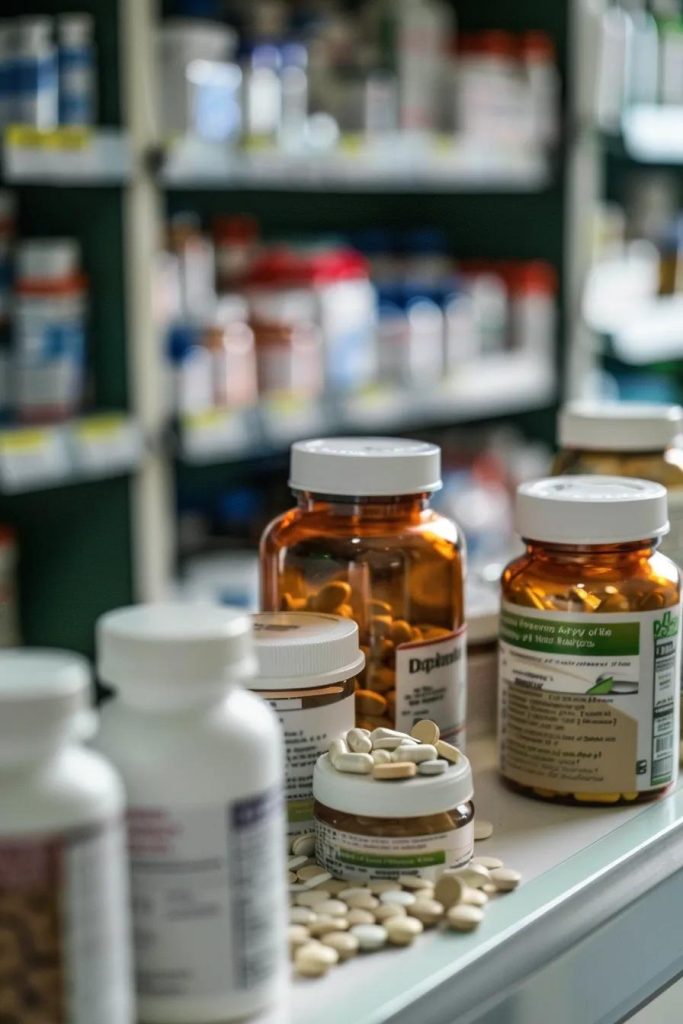
When lifestyle changes aren’t enough or when a person’s risk is high, several drug classes lower LDL and reduce cardiovascular events by different mechanisms. Common options include statins, ezetimibe, PCSK9 inhibitors, bile acid sequestrants, and fibrates. Each works on cholesterol production, absorption, or clearance. Comparing how they act, their expected effects, monitoring needs, and typical side effects helps you and your clinician choose the right approach. The table below summarizes these classes to guide conversations with your care team and pharmacists.
Use this table as a quick reference when preparing questions for your provider.
| Medication Class | Mechanism of Action | Common Side Effects / Monitoring Needs |
|---|---|---|
| Statins | Block HMG-CoA reductase to lower the liver’s cholesterol production | Can cause muscle aches or, rarely, liver enzyme increases; monitor lipids and check liver tests if indicated |
| Ezetimibe | Reduces intestinal cholesterol absorption at the brush border | Generally well tolerated; monitor LDL response and potential drug interactions |
| PCSK9 inhibitors | Monoclonal antibodies that increase LDL receptor recycling and clearance | May cause injection-site reactions; monitor LDL reduction and adherence to dosing |
| Bile acid sequestrants | Bind bile acids in the gut, increasing cholesterol excretion | Can cause constipation and may interfere with absorption of some drugs |
| Fibrates | Activate PPAR-alpha to lower triglycerides and affect HDL | May change liver enzymes and interact with statins; monitor lipids and symptoms |
This overview supports shared decision-making and clarifies what to watch for while on therapy.
How Do Common Cholesterol Medications Work?
Statins reduce the liver’s cholesterol production and raise LDL receptor activity, producing substantial LDL lowering; they’re first-line for most people. Ezetimibe blocks cholesterol absorption in the intestine and is often added if statins alone don’t achieve goals or aren’t tolerated. PCSK9 inhibitors are injectable agents that greatly increase LDL clearance and are reserved for higher-risk or statin-intolerant patients. Bile acid sequestrants and fibrates work through other pathways — one increases excretion, the other targets triglycerides — and combinations are chosen based on specific lipid patterns and health conditions. Knowing how each drug works helps set expectations for LDL reduction and clinical benefit.
PCSK9 Inhibitors: Mechanism and Impact on LDL Cholesterol
PCSK9 is a protein that promotes degradation of LDL receptors in the liver. Certain PCSK9 mutations cause familial hypercholesterolemia by reducing LDL receptor numbers and impairing LDL clearance, while other mutations lead to very low LDL and lower risk of atherosclerotic disease. Blocking PCSK9 with monoclonal antibodies prevents LDL receptor degradation and increases LDL clearance from the blood.
Clear understanding of mechanisms helps with monitoring and early recognition of side effects, which supports safe long-term use.
What Are the Possible Side Effects of Cholesterol Medications?
Each medication class has known side effects and monitoring needs patients should know before starting therapy. Statins can cause muscle symptoms and, rarely, more serious muscle injury or liver enzyme changes; clinicians usually monitor symptoms and check liver tests if clinically indicated. Ezetimibe and bile acid sequestrants are often well tolerated but may cause gastrointestinal symptoms or affect absorption of other drugs. PCSK9 inhibitors can cause injection-site reactions and require adherence to their dosing schedule. Fibrates can interact with statins and affect liver function. Report new muscle pain, severe fatigue, jaundice, or other worrying symptoms promptly to your healthcare team.
Pharmacists play a key role in counseling about side effects, spotting interactions, and supporting adherence and monitoring plans.
Our pharmacy offers services like prescription management and medication synchronization to help you stay on therapy and reduce errors. Pharmacist consultations and immunization services add support for your cardiovascular care, and talking with pharmacy staff about side effects can streamline follow-up with prescribers.
How Do You Understand Your Cholesterol Test Results?
A standard lipid panel lists LDL, HDL, triglycerides, and total cholesterol — each tells a different part of the risk story. LDL is the main target for reducing atherosclerotic risk. HDL is generally protective in population studies but isn’t the primary treatment target. High triglycerides often reflect metabolic issues like insulin resistance. Actionable numeric ranges tied to next steps make results useful; the table below shows common ranges and what they typically mean.
Use this table as a compact reference to interpret your lipid numbers and consider next steps.
| Lipid Panel Component | Typical Healthy Range (approx.) | What to Do / Clinical Implication |
|---|---|---|
| LDL cholesterol | Optimal: <100 mg/dL; Near optimal: 100–129 mg/dL; Elevated: ≥130 mg/dL | Elevated LDL may call for lifestyle changes and a risk-based discussion about medication; higher levels often require treatment |
| HDL cholesterol | Low: <40 mg/dL (men), <50 mg/dL (women); Higher is generally better | Low HDL raises risk; focus on exercise, quitting smoking, and healthy weight |
| Triglycerides | Normal: <150 mg/dL; Borderline: 150–199 mg/dL; High: ≥200 mg/dL | High triglycerides prompt evaluation for causes and may need triglyceride-lowering steps |
| Total cholesterol | Desirable: <200 mg/dL; Borderline: 200–239 mg/dL; High: ≥240 mg/dL | Total cholesterol is less specific; interpretation depends on LDL and HDL values |
Always use these ranges together with your calculated risk and clinical context to decide next steps with your clinician or pharmacist.
What Do Different Cholesterol Numbers Mean for Your Heart Health?
LDL is the main driver of atherosclerotic risk: the higher the LDL, the greater the chance of plaque and cardiovascular events, and lowering LDL reduces that risk. HDL is a helpful risk marker — higher levels are generally better — but treatments that simply raise HDL haven’t consistently lowered events. High triglycerides often point to metabolic issues like excess weight or poorly controlled diabetes and add to overall risk when very high. Clinicians combine lipid values with age, blood pressure, smoking, and diabetes status to set personalized goals and decide between lifestyle-only approaches or adding medication.
New Phenotyping System for Dyslipidemias Using Standard Lipid Panels
This study describes a clinically useful lipoprotein phenotyping system based on the standard lipid panel, which can be implemented to improve guideline compliance and care for patients at risk of ASCVD.
Putting your numbers in context leads naturally to decisions on testing frequency and follow-up monitoring, which the next section covers.
When Should You Get Tested and How Often?
Screening schedules depend on age and risk. Many adults start periodic lipid checks in early adulthood, with more frequent testing for those who have family history of early heart disease, diabetes, or existing cardiovascular disease. After starting or changing therapy, clinicians commonly recheck lipids in 6 to 12 weeks to assess response, then every 3–12 months depending on stability and treatment. Children with family history or genetic risk may need earlier testing. Acute illness or medication changes can also prompt earlier checks. Coordinate testing frequency with your healthcare team to ensure timely detection and management.
If you don’t have easy access to testing or need help interpreting results, consider pharmacy testing services or clinic partners for lipid panels and follow-up counseling.
Pharmacies can provide point-of-care lipid screening, help interpret results, and enroll you in medication counseling or monitoring programs to support follow-up and adherence.
How Can You Prevent High Cholesterol for Long-Term Heart Health?
Preventing high cholesterol rests on steady lifestyle habits: a healthy diet, regular activity, weight management, and quitting tobacco. These steps lower LDL and overall cardiovascular risk. Stress management and good sleep also affect metabolism, while controlling blood pressure and blood sugar reduces combined risk. Setting measurable goals and making small, steady changes helps sustain prevention, and routine screening catches early rises in lipids. The following subsections list specific lifestyle targets and explain how stress and weight tie into lipid health.
Here’s an easy prevention checklist you can start tracking today.
- Adopt a heart-healthy dietary pattern: Favor whole grains, legumes, vegetables, fruits, nuts, and fatty fish; swap saturated fats for unsaturated fats.
- Aim for regular physical activity: Target at least 150 minutes per week of moderate aerobic activity plus resistance training two days weekly.
- Achieve and maintain a healthy weight: Modest weight loss (5–10%) often improves LDL and triglycerides.
- Avoid tobacco and limit alcohol: Quitting smoking improves vascular health and HDL; follow recommended alcohol limits.
Taking these steps together lowers long-term risk and sets up measurable improvements on future lipid panels.
What Lifestyle Changes Are Most Effective in Preventing High Cholesterol?
Patterns like the Mediterranean and DASH diets consistently lower LDL and improve heart outcomes by emphasizing unsaturated fats, whole grains, fruits, vegetables, and lean proteins. Regular aerobic and resistance exercise raises HDL modestly, lowers triglycerides, and supports weight loss when combined with calorie control. Quitting smoking quickly improves vascular function and long-term risk. Limiting alcohol and improving sleep also reduce metabolic strain. Clear, measurable goals — for example, 150 minutes of moderate exercise weekly and daily servings of fiber-rich foods — translate into real lipid improvements and lower cardiovascular risk.
These foundations pair well with strategies for stress and weight discussed next, which highlight physiological links that affect lipids.
How Does Stress and Weight Management Affect Cholesterol Levels?
Chronic stress raises cortisol and sympathetic activity, which can lead to visceral fat gain, insulin resistance, and unfavorable lipid changes like higher triglycerides and smaller, denser LDL particles. Even modest weight loss improves LDL and triglycerides and raises HDL; the best results come from combining dietary changes with physical activity. Practical tools include better sleep habits, mindfulness or breathing practices, and gradual, sustainable weight-loss plans with behavioral support. Pharmacy resources for weight-management aids and counseling can be helpful when appropriate.
Tackling stress and weight completes the prevention picture and connects directly to guideline-based monitoring and treatment decisions.
What Are the Latest Recommendations for Managing Cholesterol and Heart Health?
Current guidelines recommend a risk-based approach: assess each person’s atherosclerotic cardiovascular disease risk, prioritize LDL lowering in higher-risk patients, and use shared decision-making when choosing lifestyle and medication strategies. For primary prevention, lifestyle is central for lower-risk people and statin therapy is recommended for those with elevated risk or high LDL. After a cardiovascular event (secondary prevention), LDL lowering is more aggressive. Regular monitoring after treatment changes, checking adherence, and multidisciplinary care — including pharmacist support — improve outcomes. The next sections explain typical monitoring schedules and the role of exercise in long-term control.
Putting guideline-based monitoring into practice requires clear recheck intervals and support for staying on therapy; pharmacists and clinicians can work together to provide that.
How Do Doctors Advise Monitoring and Adjusting Cholesterol Over Time?
Clinicians usually recheck lipid levels 6–12 weeks after starting or changing therapy to measure response, then every 3–12 months depending on stability. Many guidelines focus on percentage LDL reduction tailored to risk rather than a single universal target. If goals aren’t met or side effects occur, treatment may be intensified (higher-intensity statin, add ezetimibe or PCSK9 inhibitor) while monitoring liver tests and symptoms. Shared decision-making considers preferences, other health conditions (diabetes, hypertension), and drug interactions. Pharmacist-led adherence programs and medication synchronization can reduce missed doses and support timely treatment changes.
Consistent monitoring pairs well with lifestyle supports such as regular exercise, which also improves lipid outcomes and is described next.
What Role Does Regular Physical Activity Play in Cholesterol Control?
Exercise improves lipid profiles by modestly raising HDL, lowering triglycerides, and helping with weight loss that reduces LDL. Aerobic activity and resistance training work together for best results. Aim for at least 150 minutes per week of moderate aerobic exercise plus two or more days of muscle-strengthening activities; increase gradually if you’re starting from a low activity level. Exercise also lowers blood pressure, improves insulin sensitivity, and reduces visceral fat — all of which add up to lower cardiovascular risk. For many people, a structured exercise plan combined with dietary changes produces measurable lipid improvements within months.
These practical, guideline-based strategies round out the article and lead into how the pharmacy can help you take next steps.
If you want support, the pharmacy offers medication reviews, prescription management, immunizations, and counseling to help implement treatment plans and stay on track. Pharmacists can help choose OTC supplements, interpret lipid results, arrange point-of-care testing or referrals, and coordinate follow-up with your clinician as part of comprehensive heart-health care.
Frequently Asked Questions
What lifestyle changes can help lower cholesterol levels?
Adopt a heart-healthy lifestyle: eat more fruits, vegetables, whole grains, and healthy fats (nuts, olive oil, fatty fish); move regularly; keep a healthy weight; quit smoking; and manage stress. These changes improve lipid numbers and overall cardiovascular health.
How often should I get my cholesterol checked?
For most adults, checking cholesterol every 4–6 years is reasonable, starting in early adulthood. If you have risk factors — family history of heart disease, diabetes, or high blood pressure — testing may be needed every 1–2 years. After starting or changing cholesterol medication, expect follow-up tests in 6–12 weeks to measure effectiveness and guide adjustments.
Can stress management impact cholesterol levels?
Yes. Chronic stress can alter hormones and raise cholesterol and triglycerides. Strategies like mindfulness, meditation, regular exercise, and better sleep can reduce stress and its metabolic effects, supporting healthier lipid levels and heart health.
What role does genetics play in cholesterol levels?
Genetics significantly influence cholesterol for some people. Familial hypercholesterolemia, for example, causes very high LDL and increases heart disease risk. If heart disease or very high cholesterol runs in your family, tell your healthcare provider — you may need earlier testing and more intensive treatment.
Are there natural supplements that can help lower cholesterol?
Certain supplements may help: plant sterols/stanols (in fortified foods or pills) lower LDL, omega-3s (fish oil) reduce triglycerides, and soluble fiber (psyllium) can lower LDL. Talk with your healthcare provider before starting supplements to make sure they’re safe and won’t interact with medications.
What should I do if my cholesterol levels are high?
Speak with your healthcare provider to review your lipid panel and overall risk. They’ll recommend lifestyle changes and, if needed, discuss medication options. Regular follow-up and monitoring are important to track progress and adjust treatment as needed.
Conclusion
Managing cholesterol is a key part of protecting your heart. With sensible diet, regular activity, routine screening, and support from your healthcare team, you can lower your risk and improve long-term health. If you’d like help interpreting results, choosing supplements, or starting a treatment plan, reach out to your clinician or visit the pharmacy for personalized support. Take the first step today toward stronger heart health.