Clean Out, Stay Safe: The Ultimate Guide to Med Disposal
Safe Disposal of Unused & Expired Medications: A Practical Guide to Drug Take-Back and At‑Home Disposal
Getting rid of unused or expired medicines safely protects your family and the environment. The two safest paths are using organized drug take-back options and following secure at‑home disposal steps when take-back isn’t available. This guide explains why proper disposal matters, how take‑back choices (DEA events, pharmacy and law‑enforcement kiosks, and mail‑back services) work, and when limited flushing is recommended under FDA guidance. You’ll find clear, step‑by‑step at‑home methods to make medicines unusable, tips for preparing items for drop‑off, and special instructions for controlled substances, sharps, and inhalers. We also summarize environmental and public‑health risks from improper disposal and include quick reference tables so you can choose the right approach for your household.
What Are the Best Drug Take-Back Programs for Safe Medication Disposal?
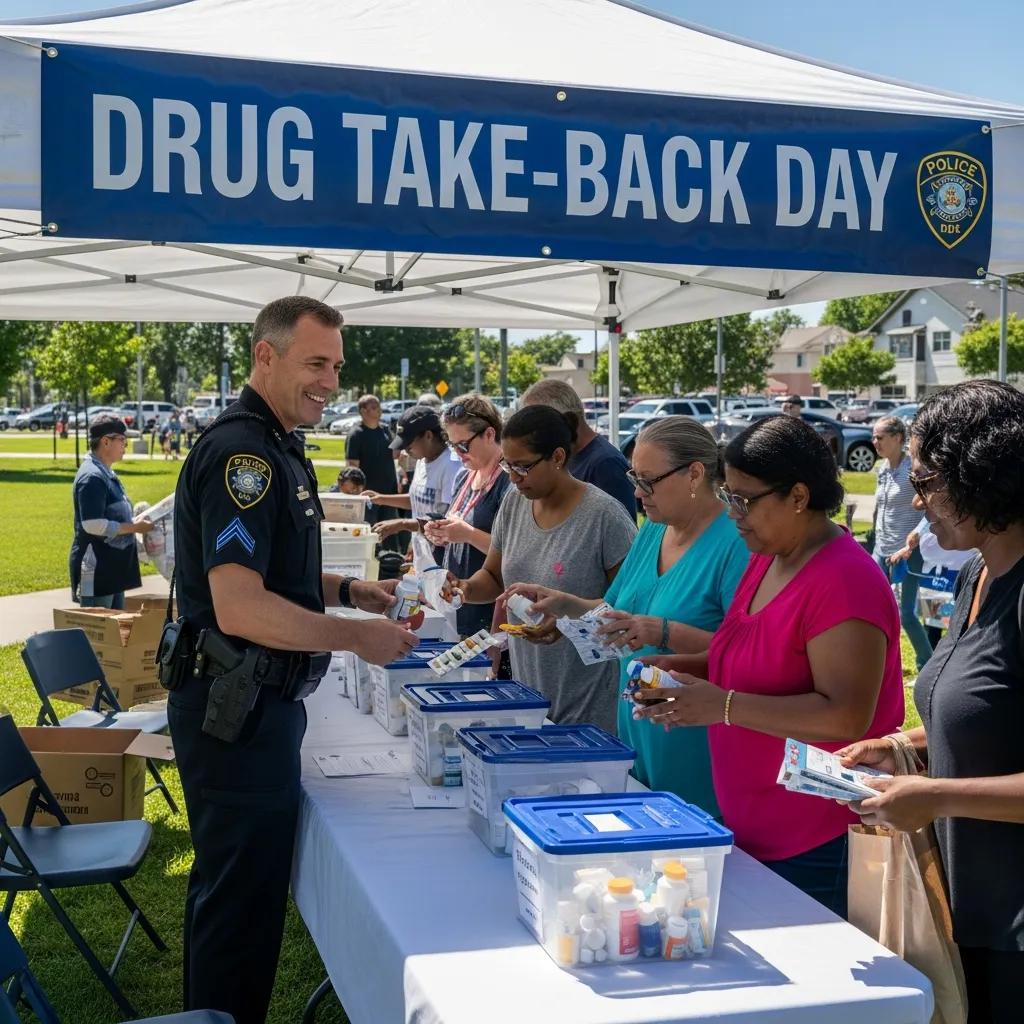
Drug take‑back programs let you hand over unwanted medicines securely so they can be destroyed properly, removing them from home medicine cabinets and the risk of diversion or environmental release. Common formats include scheduled national collection events, year‑round drop‑off kiosks at pharmacies and police stations, and mail‑back envelopes handled by authorized vendors. Each option has tradeoffs in convenience, cost, and regulatory handling. The immediate benefit is fewer accessible medicines for kids or teens who might misuse them; the environmental benefit is fewer pharmaceuticals entering waste streams. Below is a short comparison to help you pick the best option and plan your next step.
How Do DEA National Take Back Days Help Dispose of Unused Medications?
DEA National Take Back Days are scheduled community events where people can drop off large amounts of unwanted medications at secure locations. These events are usually run with law enforcement or authorized organizers, don’t require paperwork or questions, and accept most household pharmaceuticals (sharps are often excluded unless specifically listed). They protect community safety and privacy, and they raise awareness about safe disposal. To take part, watch local announcements or national listings, bring meds in their original containers or sealed bags, and follow posted signs about accepted items.
Where Can You Find Local Pharmacy and Police Station Drug Disposal Locations?
Many pharmacies and police stations operate year‑round drop‑off kiosks that accept a wide range of household medicines under regulatory oversight. To find nearby kiosks, use official locators or call local pharmacies and municipal offices to confirm hours and what they accept—some sites may limit liquids, sharps, or certain controlled substances. Before you go, protect your privacy by removing or covering prescription labels and carry medications in sealed bags to prevent leaks. Calling ahead can save a trip and make sure your medicines will be accepted and handled correctly.
| Organizer Type | Availability | Pros / Cons |
|---|---|---|
| DEA National Take Back Day | Periodic (community schedule) | Pros: secure, broad acceptance. Cons: limited dates, possible crowds. |
| Pharmacy/Police Kiosk | Year‑round (local sites) | Pros: convenient, anonymous. Cons: may exclude liquids or sharps. |
| Mail‑Back Programs | By order (prepaid mailers) | Pros: convenient from home, compliant with regulations. Cons: cost or packaging steps. |
In short: take‑back events work well for bulk clean‑outs, kiosks are great for ongoing local needs, and mail‑back helps when you can’t travel. Value Drugstore can help you locate nearby drop‑off points and our pharmacists can advise which items are accepted—call or stop by to confirm local policies and get help preparing medicines for safe disposal.
How Can You Safely Dispose of Medications at Home?
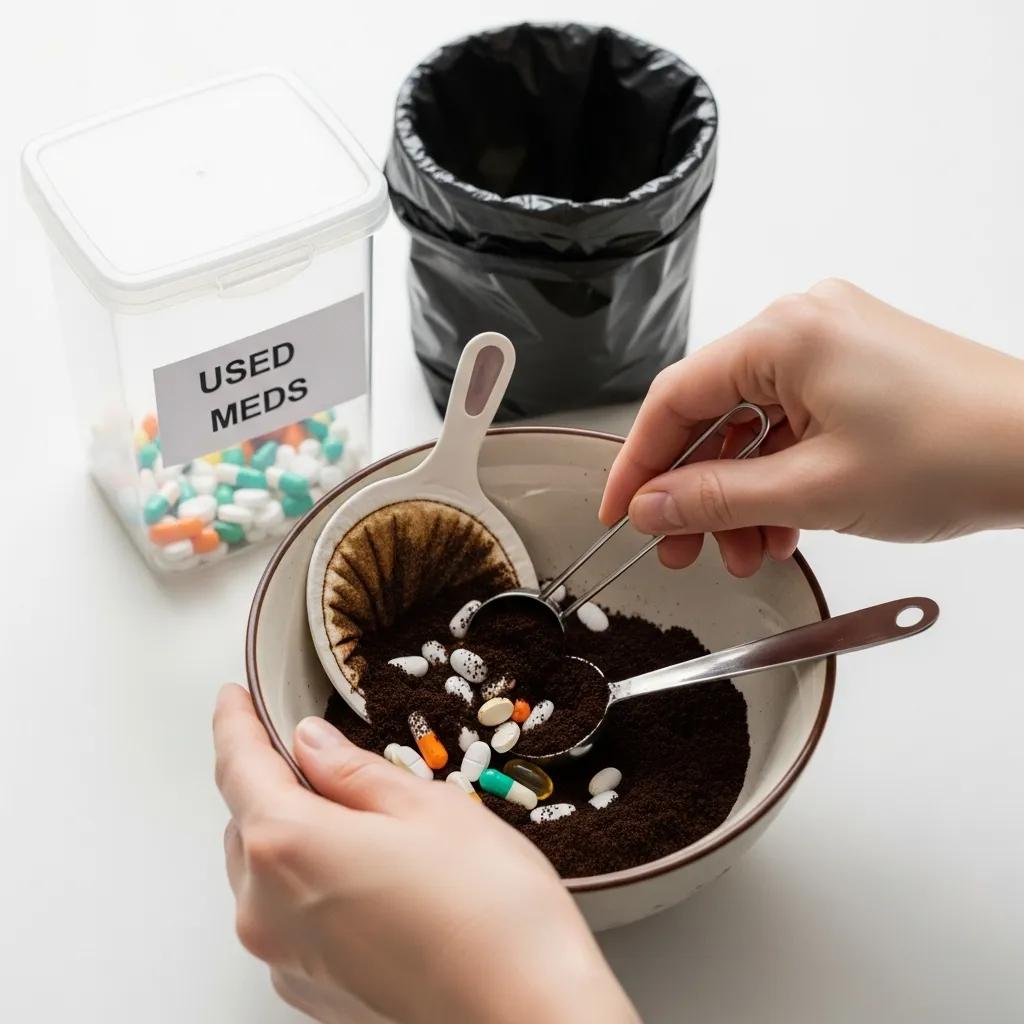
If take‑back options aren’t available, certain at‑home methods can make medicines unusable and reduce the risk of diversion or accidental ingestion while protecting privacy. The most reliable household method is to mix medicines with an unpleasant material, seal them, and place them in regular trash so they can’t be recovered. Commercial drug‑deactivation pouches are another safe option—they chemically neutralize active ingredients. These in‑home methods are useful short‑term but are secondary to verified take‑back whenever possible. Below are step‑by‑step instructions and guidance on deactivation pouches.
What Are the Step-by-Step Methods for Disposing of Medications in Household Trash?
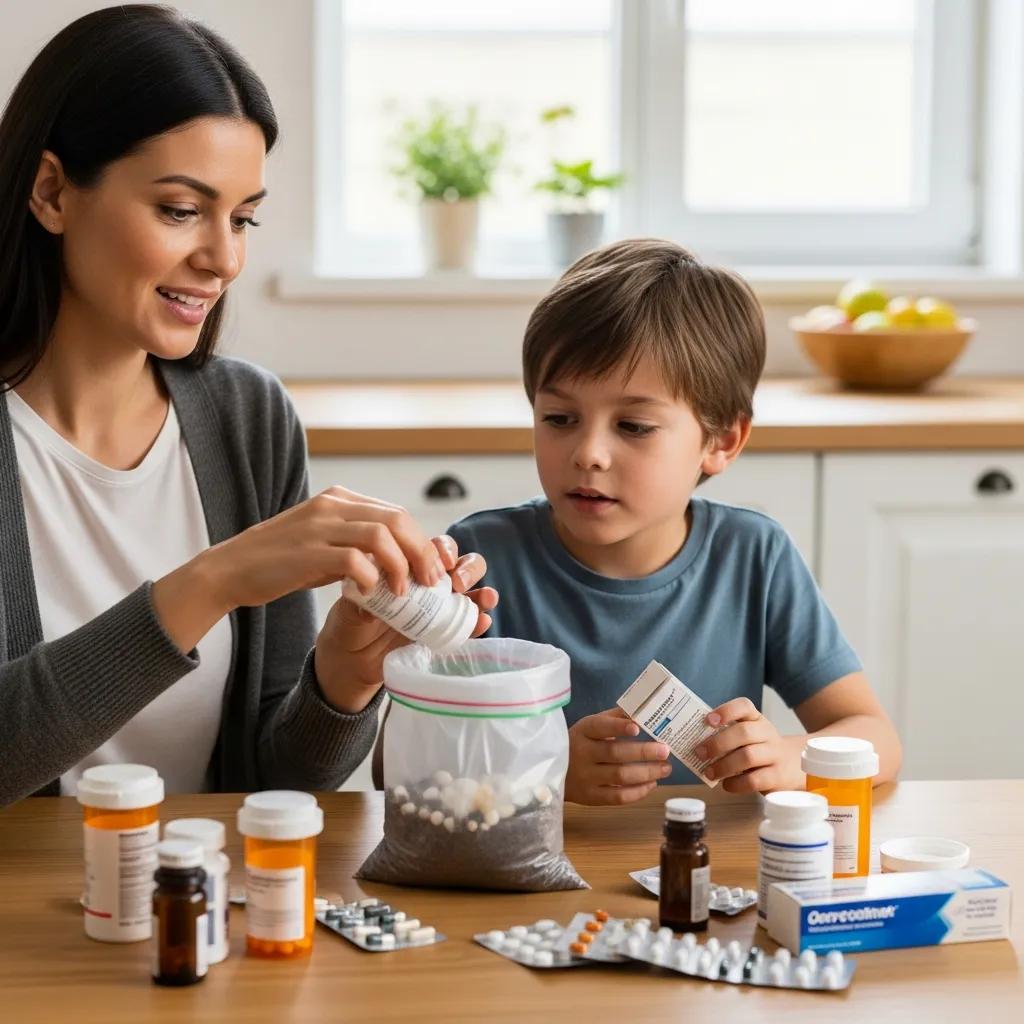
- Remove medication from original packaging and scratch out or cover personal information on labels to protect your privacy.
- Mix medicines with an unpalatable substance such as used coffee grounds, kitty litter, or dirt to discourage retrieval and ingestion.
- Place the mixture in a sealable bag or container and close it tightly to prevent leaks.
- Conceal the sealed bag in your household trash, not recycling, and don’t label it as medicine to deter anyone from looking inside.
Doing these steps lowers immediate risks at home and works alongside community take‑back programs when those are not an option.
| Method | When to Use | Steps / Materials |
|---|---|---|
| Trash mixing | No nearby take‑back | Mix with coffee grounds or cat litter; seal in bag; hide in trash |
| Deactivation pouch | When available | Put meds in pouch; add water if directed; wait per instructions; dispose sealed |
| Flushing (limited) | Only for FDA flush‑list meds | Flush only if the FDA lists the medicine; follow label directions |
This table shows that trash‑mixing is a broadly usable fallback, deactivation pouches add a chemical safety step, and flushing is a rare, list‑restricted choice for specific high‑risk medicines.
When Is It Appropriate to Flush Medications According to the FDA Flush List?
Flushing is appropriate only for a small group of medicines the FDA lists when immediate removal is needed to prevent harm—most often certain high‑risk opioids. The FDA updates the flush list based on safety concerns, and it recommends flushing only for those specific products because the immediate risk at home outweighs potential environmental effects. Always check whether your medicine is on the current FDA flush list before flushing, and follow the label’s directions exactly when flushing is recommended.
Why Is Proper Disposal of Expired and Unused Medications Important?
Properly getting rid of expired and unused medicines keeps families safer, helps prevent prescription drug misuse, and reduces pharmaceuticals entering water and soil—where they can harm wildlife and affect human health. Removing leftover medicines lowers the chance a child, pet, or household visitor will ingest a dangerous dose and reduces the supply that could be diverted for nonmedical use. Environmentally, improper disposal—especially flushing or uncontrolled landfill runoff—can release active compounds into waterways and contribute to issues like antibiotic resistance. The list below highlights the main public‑health and environmental risks you help prevent with correct disposal.
- Accidental Poisoning: Unsecured medicines at home can lead to child and pet exposures that cause serious injury.
- Drug Misuse and Diversion: Leftover prescriptions are a common source for nonprescribed use and opioid misuse.
- Environmental Contamination: Pharmaceuticals in waterways can disrupt aquatic life and complicate drinking‑water treatment.
Tackling these risks at home reduces community harm and supports broader public‑health efforts—another reason to make take‑back and safe at‑home disposal part of routine medicine management.
How Does Improper Disposal Cause Accidental Poisoning and Drug Misuse?
When medicines aren’t disposed of properly they can remain accessible in homes, where curious children, pets, or guests might ingest them and require emergency care. Extra prescriptions stored in cabinets also become an easy source for nonmedical use by household members or visitors, contributing to misuse and overdose. Public‑health data show that secure disposal interrupts these pathways—simple actions like using take‑back events or following trash‑mixing steps help prevent avoidable harm.
What Are the Environmental Impacts of Improper Medication Disposal?
Medications that enter wastewater or landfills can leave active pharmaceutical ingredients in the environment, affecting hormone systems in wildlife, impairing aquatic reproduction, and creating broader ecological stress. Wastewater treatment plants don’t remove all pharmaceutical residues, so compounds can pass into rivers and coastal areas and affect fish and downstream users. Over time, the combined discharge of many medicines can create measurable environmental impacts; preventing release at the source through proper disposal is an effective mitigation step that supports long‑term ecosystem health.
What Special Considerations Should You Know for Disposing of Controlled Substances and Sharps?
Controlled substances (including many opioids) and sharps like needles need extra care because of safety risks and legal rules. Approved options include take‑back programs, authorized mail‑back, and certified sharps collection services. For controlled drugs, it’s best to keep them secured until you can take them to a take‑back kiosk, DEA event, or approved mail‑back vendor—don’t give prescriptions to others and check local rules with law enforcement or your pharmacist. Sharps should go into FDA/CDC‑recommended sharps containers or a sturdy plastic container that seals, then be returned to community collection sites or hazardous‑waste facilities that accept them. Pharmacies and local waste agencies can tell you what’s allowed and provide proper containers to meet safety and regulatory standards.
How Should You Dispose of Controlled Substances and Opioids Safely?
Controlled substances are best routed to DEA‑authorized take‑back events, approved pharmacy drop‑off kiosks, or certified mail‑back programs that follow chain‑of‑custody rules—these paths prevent diversion and meet legal requirements. Mail‑back kits often include prepaid packaging and clear steps but may have costs or require registration, so check procedures first. Until you can dispose of them, keep controlled meds locked and out of reach, and never share prescriptions. If you’re unsure about local rules, ask your pharmacist or local law‑enforcement for guidance to ensure you follow lawful disposal options.
What Are the Safe Disposal Methods for Sharps, Needles, and Inhalers?
Sharps must be placed in approved puncture‑resistant containers that seal tightly and are labeled before delivery to community collection sites, household hazardous‑waste events, or pharmacy programs that accept sharps—never toss loose needles in regular trash or recycling. Many municipalities and pharmacies offer sharps drop‑off boxes or mail‑back kits made for safe transport. Inhalers and other medical devices may be accepted at special take‑back points or through manufacturer recycling programs. Contact your local waste management or ask a pharmacist to learn approved options and get the right containers—Value Drugstore pharmacists can point you to local sharps collection sites and manufacturer advice to help you handle these items safely.