Cold medicine refers to over the counter products designed to relieve common cold symptoms like congestion, coughing, sore throat, sneezing, and body aches. These medicines don’t cure your cold or make it go away faster. They simply help you feel better while your body fights off the virus. You’ll find cold medicines in various forms including pills, liquids, nasal sprays, and throat lozenges. Each type targets specific symptoms using different active ingredients.
Choosing the right cold medicine means matching the product to your actual symptoms. This article walks you through how to identify what’s causing your discomfort and which ingredients address those problems. You’ll learn what decongestants, cough suppressants, expectorants, antihistamines, and pain relievers actually do. We’ll cover important safety tips and warning signs that mean you should skip the pharmacy and see a doctor instead. Plus you’ll discover where to find these products locally and how to make your purchase as convenient as possible.
Why cold medicine choice matters
Your cold medicine choice directly impacts how quickly you feel relief and whether you experience unwanted side effects. Taking the wrong product means you’re consuming ingredients your body doesn’t need while missing the ones that would actually help. For example, if you take a multi-symptom formula when you only have a cough, you’re exposing yourself to unnecessary decongestants and antihistamines that could cause drowsiness or increased blood pressure.
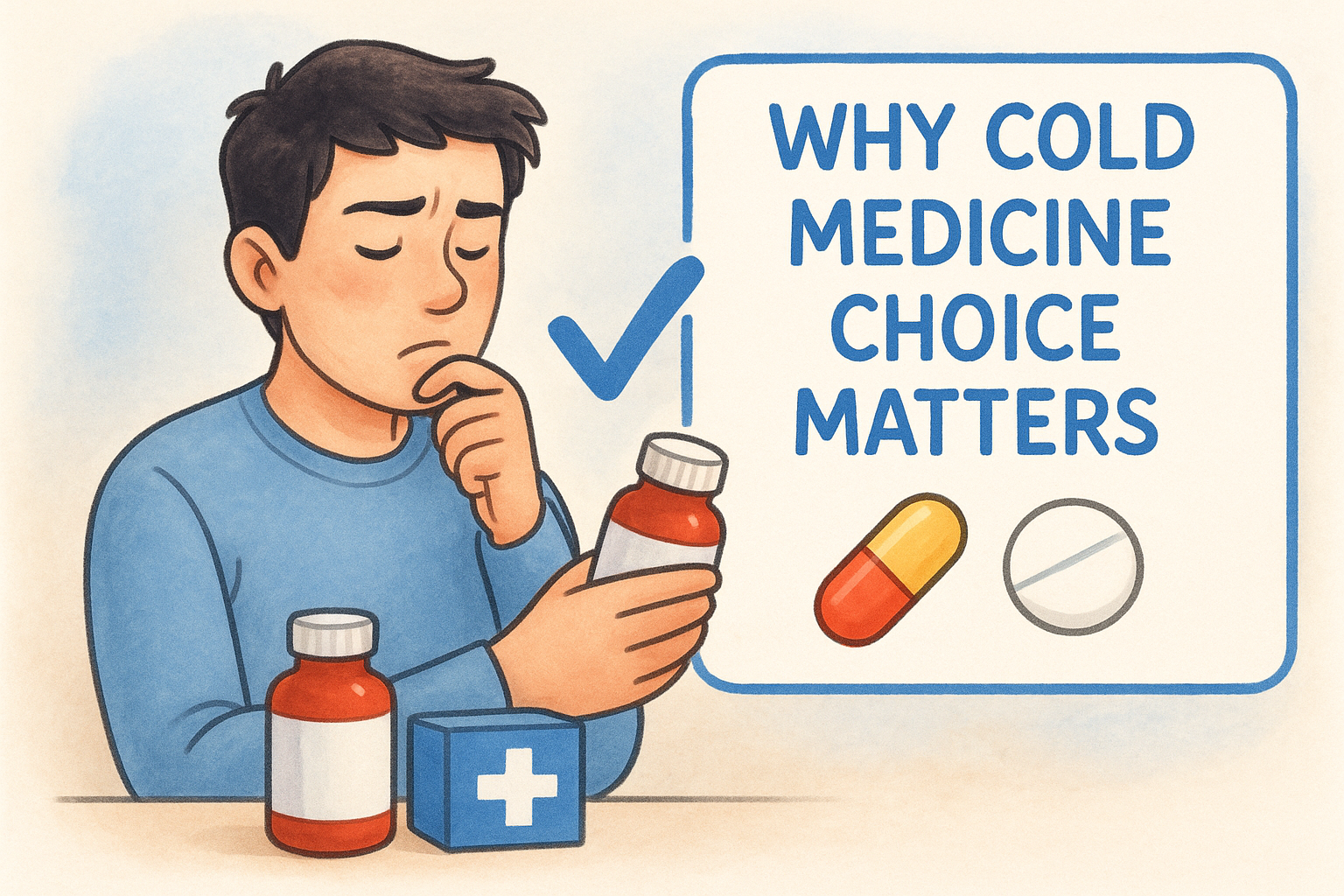
The right cold medicine targets your specific symptoms without adding unnecessary medications to your system.
Selecting the appropriate cold medicine also prevents dangerous ingredient overlap. Many people don’t realize that different cold products contain the same active ingredients. You might accidentally take double doses of acetaminophen if you combine a multi-symptom cold medicine with a separate pain reliever. This mistake can lead to liver damage or other serious health problems. Reading labels and matching ingredients to your symptoms keeps you safe while helping you recover comfortably.
How to choose cold medicine for your symptoms
You need to start by making a list of your actual symptoms rather than just grabbing the first bottle labeled "cold medicine" you see. Write down everything you’re experiencing: Is your nose stuffed up or running? Are you coughing? Does your throat hurt? Do you have body aches or a fever? Your specific combination of symptoms determines which active ingredients will help and which ones you should avoid. Many people buy multi-symptom formulas when they only have one or two problems, which means they’re taking medications their bodies don’t need.
Identify your primary symptoms
Your worst symptom should guide your purchase decision. If congestion makes breathing difficult, you need a decongestant as your main ingredient. When a persistent cough keeps you awake at night, look for products with cough suppressants listed first on the label. A runny nose with sneezing points you toward antihistamines, while body aches and fever call for pain relievers like acetaminophen or ibuprofen. Focus on what bothers you most rather than trying to prevent symptoms you don’t have yet.
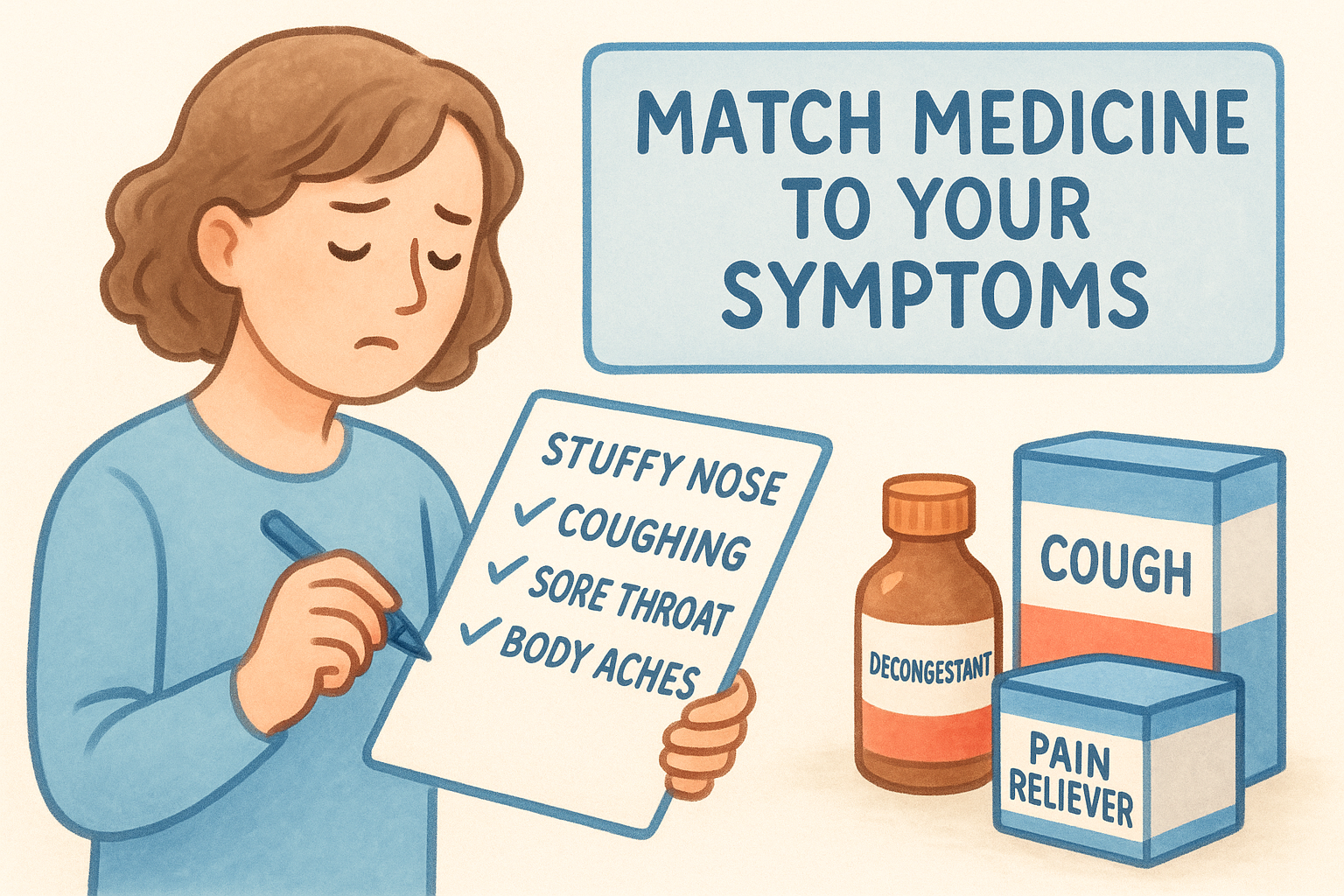
Match your medicine to your actual symptoms, not the ones shown in TV commercials.
Read labels for single-symptom products first
Single-symptom cold medicines give you more control over what goes into your body. A standalone decongestant treats nasal congestion without adding unnecessary ingredients like cough suppressants or pain relievers you might not need. You can combine single-symptom products if you have multiple issues, which lets you adjust doses independently. For example, you might need a full dose of decongestant but only half a dose of pain reliever. Reading the "Active Ingredients" section on each box shows you exactly what you’re taking and helps prevent dangerous duplications.
Consider your daily activities
Your schedule affects which cold medicine works best for you. Antihistamines and some cough medicines cause drowsiness, making them poor choices before work or driving. If you need to stay alert during the day, look for products labeled "non-drowsy" or save sedating medicines for nighttime. Products with pseudoephedrine may increase your heart rate and make sleep difficult, so you should take these earlier in the day. Plan your medicine schedule around your responsibilities rather than letting side effects interfere with your routine.
Main cold medicine ingredients and what they do
Understanding cold medicine ingredients helps you pick products that actually address your symptoms instead of paying for unnecessary extras. Every active ingredient on a cold medicine label serves a specific purpose, and knowing what each one does prevents you from doubling up on the same medication. You’ll see the same ingredients appear in different brand names and product combinations, so learning these five main categories saves you money and protects your health. The most effective approach involves matching ingredients to symptoms rather than grabbing the most expensive package.
Decongestants
Decongestants shrink swollen blood vessels in your nasal passages to help you breathe more easily. Phenylephrine and pseudoephedrine represent the two main decongestant options you’ll find in stores. Pseudoephedrine works more effectively but requires you to ask the pharmacist and show identification because it’s kept behind the counter. Products containing phenylephrine sit on regular shelves but recent studies suggest they may not work as well when taken orally. Both ingredients can increase your blood pressure and heart rate, so avoid them if you have cardiovascular concerns.
Cough medicine: suppressants vs expectorants
Your type of cough determines which ingredient you need. Dextromethorphan suppresses your cough reflex, making it perfect for dry, hacking coughs that keep you awake at night. You’ll see it abbreviated as DM or DXM on labels. Guaifenesin works as an expectorant that loosens mucus in your chest, helping you cough up phlegm more productively. Taking a suppressant when you have a productive cough actually works against your body’s natural clearing process.
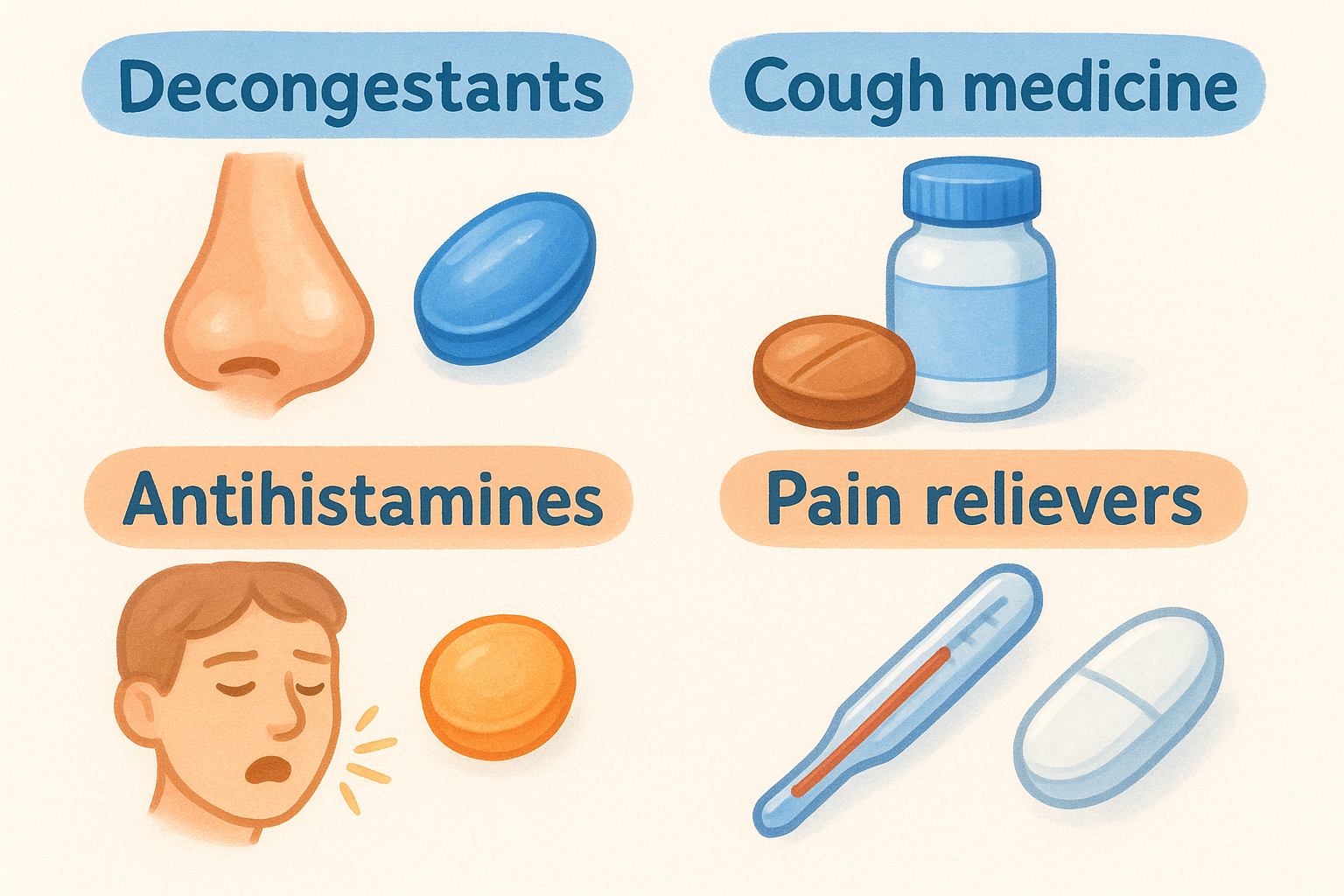
Choose suppressants for dry coughs and expectorants for productive ones.
Antihistamines
Antihistamines block histamine release to reduce sneezing, runny nose, and watery eyes. First-generation antihistamines like diphenhydramine (Benadryl) and chlorpheniramine cause significant drowsiness, making them useful for nighttime cold relief. Newer antihistamines such as loratadine (Claritin) and cetirizine (Zyrtec) produce less sedation during the day. These ingredients work better for allergy symptoms than cold symptoms, but they can help if your cold triggers excessive mucus production.
Pain relievers and fever reducers
Acetaminophen and ibuprofen reduce fever, headaches, body aches, and sore throat pain. Acetaminophen (Tylenol) works gently on your stomach but can damage your liver if you exceed recommended doses. Ibuprofen (Advil, Motrin) reduces inflammation better but may irritate your stomach lining. Both ingredients appear in many multi-symptom cold medicines, so check every label to avoid accidentally taking too much from multiple sources.
Safety tips and when to see a doctor
Taking cold medicine safely requires you to read every label completely before swallowing any pills or liquids. Never exceed the recommended dose even if you don’t feel better after the first dose, because overdosing on common ingredients like acetaminophen can cause serious liver damage. Check every product you’re taking to avoid duplicate ingredients, especially if you combine a multi-symptom formula with a separate pain reliever or cough medicine. Many people accidentally double up on acetaminophen or antihistamines without realizing these ingredients appear in multiple bottles.
Follow dosage instructions carefully
Your body weight, age, and existing health conditions affect how you should take cold medicine. Read the "Drug Facts" panel on every package to confirm you can safely use the product with your current medications or medical conditions. Never give aspirin to children under 18 because it can cause a rare but serious condition called Reye’s syndrome. Store all medicines in their original containers where you can quickly reference dosing information.
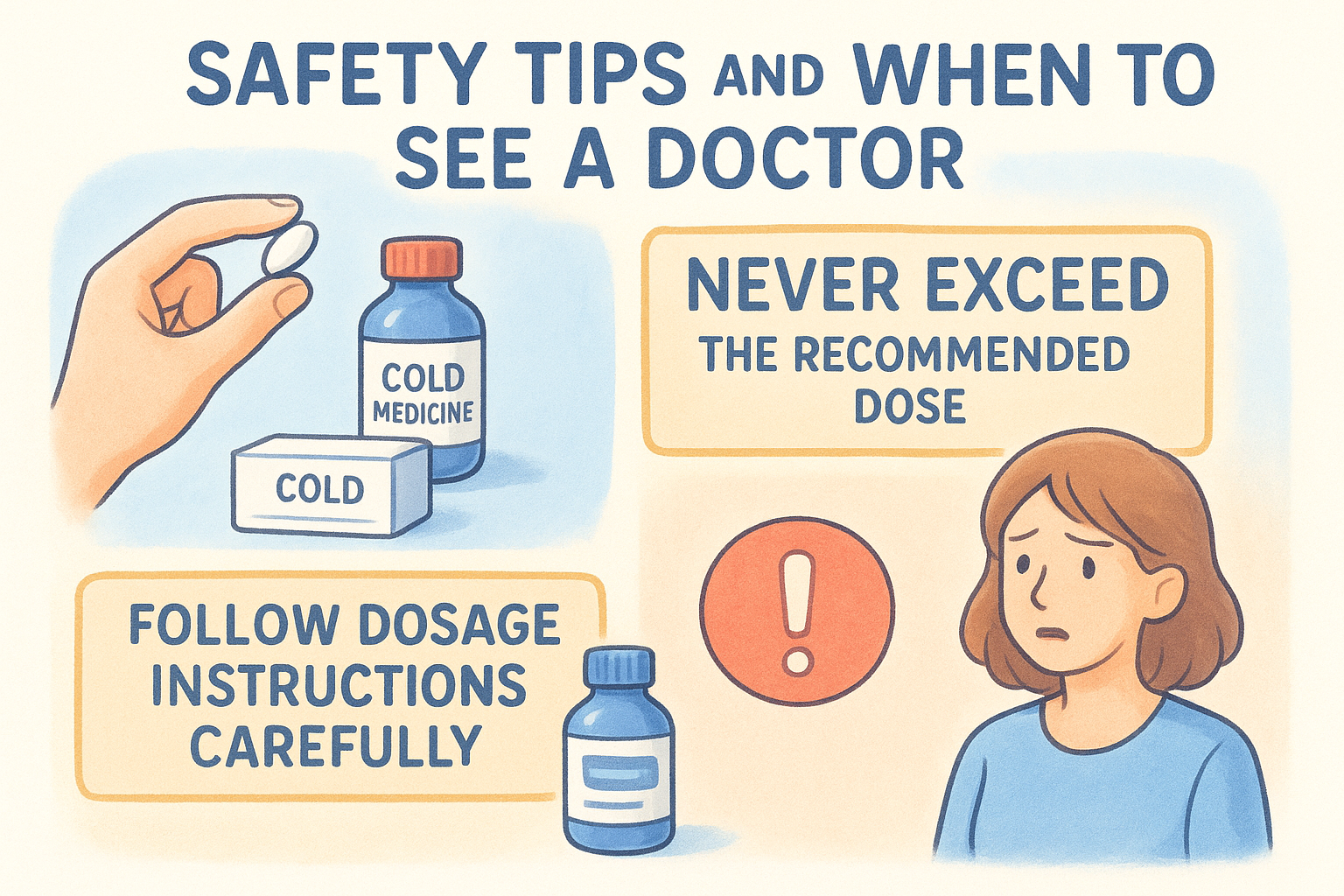
Follow the exact timing and amount listed on the label, not what worked for someone else.
When to skip the pharmacy
You need medical attention instead of over-the-counter products if your fever stays above 102°F for more than three days or if you develop chest pain and difficulty breathing. Seek immediate care for severe symptoms like confusion, persistent vomiting, or symptoms that suddenly worsen after initially improving. These warning signs suggest complications like pneumonia or a bacterial infection that requires prescription treatment.
Where to buy cold medicine near you
You can find cold medicine at several types of retailers, each offering different advantages for your shopping needs. Major pharmacy chains stock the widest variety of products and typically offer extended hours, making them convenient for late-night symptom relief. Independent local pharmacies provide personalized service where pharmacists can answer specific questions about which products work best for your situation. Many grocery stores and convenience stores also carry basic cold medicine options, though their selection tends to be more limited.
Major pharmacy chains
National chains like CVS and Walgreens keep extensive cold medicine selections on their shelves with products organized by symptom type. You’ll find everything from single-symptom treatments to combination formulas in various forms including tablets, liquids, and nasal sprays. Most chains offer loyalty programs that reduce your costs on over-the-counter medications and many provide online ordering with same-day pickup or delivery options.
Local independent pharmacies
Independent pharmacies give you direct access to knowledgeable pharmacists who can recommend specific products based on your symptoms and medical history. These pharmacies often provide free delivery service and remember your preferences for future visits. You can also get personalized consultations about drug interactions if you take prescription medications alongside cold medicine.
Local pharmacists offer expertise that self-service shopping can’t match.

Next steps
You now understand how to match cold medicine ingredients to your specific symptoms and where to purchase the right products. Start by identifying your primary symptoms before heading to the store or pharmacy, and bring your list of current medications to check for potential interactions. Read every label carefully to avoid taking duplicate ingredients and follow dosing instructions exactly as written.
Value Drugstore offers personalized pharmacist consultations to help you select the most effective cold medicine for your situation. Our pharmacists can answer questions about ingredient safety, recommend specific products based on your symptoms, and provide free delivery service right to your door. We understand that dealing with cold symptoms leaves you feeling miserable, so we make getting relief as convenient as possible. Visit our team to experience the difference that personalized care makes when choosing cold medicine and managing your health.