
Effective Strategies to Improve Cognitive Memory in Seniors

Cognitive health in seniors refers to the ability to think clearly, remember, learn, and maintain decision-making skills as people age, and protecting it reduces daily disability and preserves independence. Recent studies indicate that diet, targeted supplements, consistent physical activity, sleep quality, and careful medication management each influence brain resilience and dementia risk, so this guide synthesizes actionable, evidence-focused strategies for older adults and caregivers. You will learn which foods and nutrients most consistently support memory, how Mediterranean-style eating and the MIND diet reduce cognitive decline, which lifestyle habits boost neuroplasticity, and practical steps to manage medications and chronic conditions that affect cognition. The article also reviews supplements with the strongest signals of benefit and clear safety cautions, and explains how pharmacist-guided reviews and personalized compounding can reduce interaction risk while optimizing nutrient support. Throughout, semantic links between nutrients, mechanisms (anti-inflammatory, vascular, neurotransmitter support), and clinical outcomes are emphasized so readers can apply steps that fit daily routines and clinical contexts.
What Are the Best Brain-Boosting Foods for Seniors?
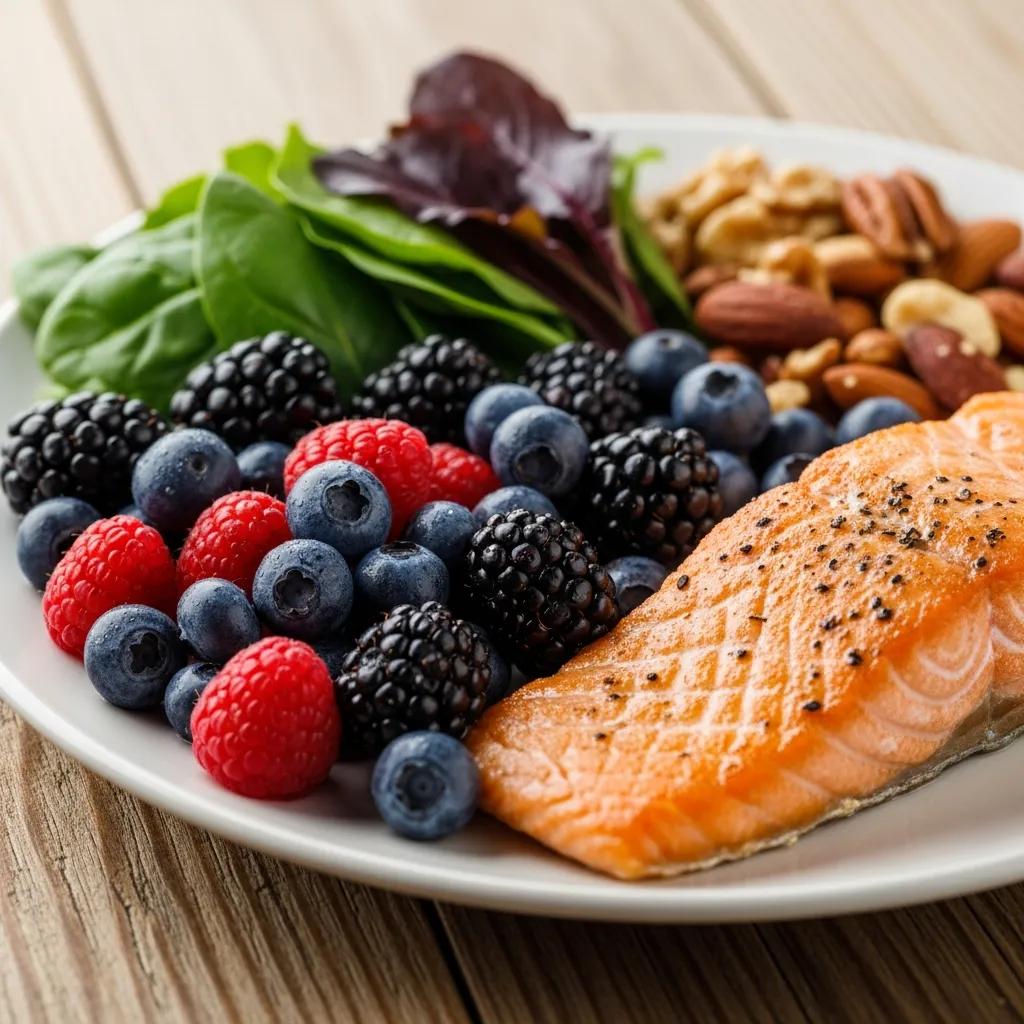
Brain-boosting foods are whole foods rich in anti-inflammatory compounds, omega-3 fatty acids, B vitamins, antioxidants, and minerals that support neuronal function; these nutrients act by reducing oxidative stress, stabilizing cell membranes, and supporting neurotransmitter synthesis. Including specific foods regularly improves vascular health and supplies building blocks for memory-related processes, directly supporting concentration and long-term cognition. The next subsections break down key nutrients and show how Mediterranean and MIND diet patterns translate to everyday meals.
This list highlights six top foods for cognitive health and one-line rationale for each.
- Oily fish (salmon, mackerel): Provides EPA and DHA to support neuronal membranes.
- Berries (blueberries, strawberries): High in antioxidants that reduce neuroinflammation.
- Leafy greens (spinach, kale): Packed with folate and vitamin K for vascular and cognitive support.
- Nuts (walnuts, almonds): Contain healthy fats and magnesium for synaptic function.
- Legumes (lentils, beans): B vitamin and fiber sources that support metabolic health.
- Whole grains (oats, barley): Provide steady glucose and B vitamins for sustained cognitive energy.
Including these foods several times per week helps maintain nutrient levels linked to better memory and slower decline, and the next subsection explains specific nutrients and mechanisms behind these effects.
Which Nutrients Support Senior Cognitive Function?
Key nutrients for senior cognitive function include long-chain omega-3s (EPA and DHA), B vitamins (B6, B12, folate), antioxidants (polyphenols from berries and vegetables), vitamin D, and magnesium, each acting through complementary mechanisms. Omega-3 EPA/DHA support neuronal membrane fluidity and synaptic signaling, B vitamins regulate homocysteine and neurotransmitter synthesis, and antioxidants reduce oxidative stress that impairs cognition. Food sources include oily fish for EPA/DHA, fortified cereals and leafy greens for B vitamins, berries for polyphenols, and dairy or sunlight exposure for vitamin D. Practical intake focuses on regular servings of these foods and assessing deficiencies with a clinician, because correcting low levels often yields the most measurable cognitive benefit.
Research indicates that omega-3 fatty acids, particularly EPA and DHA, are crucial for maintaining neuronal membrane integrity and supporting synaptic signaling, which is vital for cognitive function.
Neurological Benefits of Omega-3 Fatty Acids for Brain Health
An adequate intake of omega-3 PUFA is essential for optimal visual function and neural development. Furthermore, there is increasing evidence that increased intake of the long-chain omega-3 PUFA, eicosapentaenoic acid (EPA) and docosahexaenoic acid (DHA), may confer benefits in a variety of psychiatric and neurological disorders, and in particular neurodegenerative conditions.
| Food / Nutrient | Key Nutrient | Cognitive Benefit / Serving Examples |
|---|---|---|
| Oily fish | EPA & DHA | Supports neuronal membranes; aim for 1–2 servings/week of salmon or mackerel |
| Berries | Polyphenol antioxidants | Reduces inflammation and supports memory; 1 cup berries several times/week |
| Leafy greens | Folate, vitamin K | Vascular and cognitive protection; include daily salads or cooked greens |
These comparisons clarify which foods deliver specific cognitive benefits and how to include them in a senior-friendly diet.
How Do Mediterranean and MIND Diets Help Prevent Cognitive Decline?
The Mediterranean and MIND diets emphasize plant-forward foods, healthy fats, whole grains, and limited processed foods, which together reduce vascular risk and neuroinflammation linked to dementia. Large cohort studies show that higher adherence to these patterns correlates with lower rates of cognitive decline and slower progression toward dementia, likely through combined effects on blood pressure, cholesterol, insulin sensitivity, and oxidative stress. Practical swaps include replacing red meat with fish or legumes, snacking on nuts and berries instead of sweets, and choosing olive oil over butter for cooking. Adopting these patterns gradually—start with one meal swap per day—yields measurable improvements in cardiovascular and cognitive risk factors over months.
The MIND diet, a specialized eating pattern, has been specifically developed to promote brain health and has shown significant promise in preventing cognitive decline.
MIND Diet for Cognitive Decline Prevention
The MIND diet is a hybrid of the DASH and Mediterranean diets, designed to specifically target brain health. It emphasizes consumption of green leafy vegetables, other vegetables, nuts, berries, beans, whole grains, fish, poultry, olive oil, and wine. The MIND diet has been associated with a slower rate of cognitive decline and a reduced risk of Alzheimer’s disease.
Further research supports the positive impact of the MIND diet on cognitive function in older adults, highlighting its role in slowing cognitive decline and reducing dementia risk.
MIND Diet and Cognitive Performance in Seniors
The MIND diet, a hybrid of the Mediterranean and DASH diets, has shown promise in slowing cognitive decline and reducing the risk of dementia. Studies indicate that higher adherence to the MIND diet is associated with better cognitive performance in older adults.
What Lifestyle Habits Improve Memory and Brain Health in Older Adults?

Lifestyle habits that improve memory include regular aerobic and strength exercise, consistent sleep and stress management, cognitive stimulation, and social engagement; each habit affects different but interacting brain processes like neurogenesis, synaptic plasticity, and vascular health. Combined, these behaviors lower systemic inflammation, improve brain perfusion, and strengthen networks used for memory and executive function. The following subsections show exercise mechanisms and practical sleep/stress strategies that seniors can adopt safely.
Physical activity protects brain health by increasing cerebral blood flow, raising neurotrophic factors (like BDNF), and reducing inflammation that accelerates cognitive aging. Recommended targets mirror public health guidance: about 150 minutes per week of moderate aerobic activity plus two sessions of strength training, adapted for mobility and safety. Senior-friendly options include brisk walking, water aerobics, seated resistance training, and balance exercises; even short, daily walks improve mood and executive function. Start with modest goals, progress gradually, and consult clinicians about adjustments for chronic conditions, because consistent movement compounds brain benefits over time.
How Does Physical Activity Protect Against Cognitive Decline?
Aerobic exercise increases blood flow and releases neurotrophic factors that support neurogenesis and synaptic maintenance, directly enhancing memory and processing speed. Strength training preserves muscle mass and metabolic health, which reduces insulin resistance and vascular damage that harm cognition. Practical routines for seniors include 20–30 minute brisk walks most days, twice-weekly resistance sessions with bodyweight or bands, and balance drills to reduce fall risk while promoting brain-body coordination. Safety planning—warming up, monitoring exertion, and modifying intensity—ensures sustainable gains that translate into better daily cognition.
Why Are Sleep Quality and Stress Management Crucial for Senior Brain Health?
Sleep consolidates memory and clears metabolic waste from the brain, while chronic stress elevates cortisol that impairs hippocampal function; together they strongly influence cognitive trajectory. Improving sleep hygiene—consistent schedule, reduced evening screen time, limiting caffeine, and calming pre-sleep routines—boosts memory consolidation and daytime cognition. Stress-reduction techniques such as brief mindfulness, diaphragmatic breathing, and structured social activities lower physiological stress responses and support executive function. Regularly addressing sleep and stress creates a foundation that amplifies benefits from diet and exercise.
Which Supplements Are Effective for Senior Cognitive Support?
Certain supplements show the strongest, most consistent evidence for supporting cognitive health in older adults when used appropriately: omega-3 (EPA/DHA), B-vitamin complexes for those with deficiency, vitamin D if deficient, magnesium for neuronal signaling support, and specific agents like phosphatidylserine and curcumin with emerging data. Supplements work through membrane support, homocysteine regulation, anti-inflammatory effects, and improved neuronal signaling, but benefits are greatest when correcting a deficiency rather than routine high-dose prevention. Below is a concise comparison to help prioritize options and safety considerations.
| Supplement | Evidence / Mechanism | Suggested Use / Safety Notes |
|---|---|---|
| Omega-3 (EPA/DHA) | Membrane fluidity, anti-inflammatory | Consider supplementation if dietary intake low; check bleeding risk with anticoagulants |
| B vitamins (B6, B12, folate) | Lowers homocysteine, supports neurotransmitters | Use if serum deficiency or elevated homocysteine; monitor B12 in older adults |
| Curcumin | Anti-inflammatory, antioxidant | Use bioavailable formulations; interactions possible with some medications |
This table helps prioritize supplements based on mechanism and when pharmacist or clinician oversight is most important.
After reviewing supplement evidence, practical next steps include a safety check for interactions and tailored dosing. For seniors on multiple medications or with chronic conditions, Value Drugstore can support a pharmacist-guided review and recommend appropriate product forms; their services include telehealth consultations, access to natural supplement lines (B vitamins, Omega-3s, Vitamin D, phosphatidylserine, Ginkgo Biloba, curcumin, magnesium), and personalized compounding when standard formulations are unsuitable. Consulting a pharmacist ensures supplements are chosen based on lab-defined deficiencies, drug interaction profiles, and the senior’s overall treatment plan.
What Role Do Pharmacists Play in Personalized Supplement Guidance?
Pharmacists provide medication and supplement safety reviews, interaction checks, dosing guidance, and personalized compounding to create formulations better suited to swallowing, dosing, or tolerance needs; these services are particularly valuable for seniors taking multiple prescription drugs. A pharmacist consult includes reconciling all medications and supplements, identifying anticholinergic or CNS-depressant burdens, recommending safer alternatives, and coordinating with prescribers when adjustments are needed. At Value Drugstore, Minh Luong, Pharm.D, MBA and pharmacy staff offer telehealth consultations and compounding services that tailor supplement delivery and reduce interaction risk, empowering seniors to use evidence-based supplements safely.
How Do Omega-3, B Vitamins, and Curcumin Support Memory Improvement?
Omega-3 EPA/DHA support neuronal membrane integrity and synaptic signaling, which can translate into improved processing speed and sustained attention when tissue levels are adequate. B vitamins reduce homocysteine—a metabolite linked to vascular and cognitive risk—and support synthesis of serotonin and dopamine precursors that affect mood and cognition. Curcumin exhibits anti-inflammatory and antioxidant properties that may protect neural tissue, though bioavailability is critical for effect. In practice, prioritize dietary sources, screen for deficiencies, and use supplements under pharmacist or clinician guidance to avoid interactions and ensure appropriate dosing.
How Can Seniors Manage Medications and Chronic Conditions to Protect Brain Health?
Managing medications and chronic conditions reduces vascular and metabolic contributors to cognitive decline; a structured approach includes medication review, deprescribing high-risk agents when safe, optimizing hypertension, diabetes, and cholesterol control, and ensuring adherence. Anticholinergic drugs, benzodiazepines, and polypharmacy increase cognitive risk, while well-controlled blood pressure, glucose, and lipids preserve cerebral perfusion and lower dementia risk. The checklist below outlines immediate steps seniors and caregivers can take to protect brain health through medication and chronic-disease management.
- Perform a comprehensive medication review with a pharmacist or clinician to identify anticholinergic burden and CNS depressants.
- Prioritize blood pressure control with clinician-guided targets and lifestyle measures like diet and exercise.
- Optimize diabetes management through glycemic control, timely monitoring, and medication adherence.
- Address high cholesterol with diet, activity, and evidence-based medications as recommended by clinicians.
- Reduce polypharmacy by reassessing ongoing need for each drug and simplifying regimens where possible.
These steps make medication-related risks visible and actionable; the table below maps common conditions and medication classes to cognitive risk and management tips.
| Condition / Medication Class | Cognitive Risk / Interaction Potential | Management Tip / When to Consult Pharmacist |
|---|---|---|
| Anticholinergics (e.g., some bladder meds) | Higher risk of confusion and memory impairment | Review for safer alternatives; consult pharmacist immediately |
| Benzodiazepines / sedative hypnotics | Increased fall risk and cognitive slowing | Taper with clinician oversight; explore nonpharmacologic sleep strategies |
| Hypertension | Vascular contributions to cognitive decline | Aim for clinician-set BP targets; monitor adherence and lifestyle changes |
| Diabetes | Microvascular damage affecting cognition | Tighten glycemic control safely; review medications and diet with care team |
Regular medication review, adherence support, and coordination between primary care and pharmacy reduce cognitive risk and improve treatment outcomes. Value Drugstore offers medication review and prescription management services that can help seniors identify interaction risks and implement safer regimens under pharmacist oversight.
What Are Common Drug Interactions That Affect Cognitive Function?
Drugs with anticholinergic properties, certain antihistamines, some antidepressants, and multiple CNS depressants commonly impair cognition by reducing cholinergic signaling or increasing sedation; these effects are cumulative in polypharmacy. Signs to watch for include increased confusion, daytime drowsiness, memory lapses, and coordination problems. Immediate steps include listing all prescriptions and over-the-counter products, avoiding abrupt discontinuation, and scheduling a pharmacist-led medication reconciliation to identify candidates for tapering or substitution. Proactive interaction checks protect cognition while preserving necessary symptom control.
How Does Managing Hypertension, Diabetes, and Cholesterol Support Cognitive Wellness?
Hypertension, diabetes, and high cholesterol contribute to vascular injury, reduced cerebral perfusion, and accelerated neurodegeneration, so controlling these conditions lowers long-term cognitive risk by preserving microvascular integrity and reducing inflammatory processes. Effective management combines lifestyle measures—dietary pattern like Mediterranean/MIND, exercise, smoking cessation—with medications tailored to individual risk profiles and monitored targets. Coordinate care between primary providers and pharmacists for medication optimization, side-effect monitoring, and adherence strategies; such integrated management yields measurable cognitive benefits over years.
Value Drugstore’s medication review and prescription management services can help seniors and caregivers implement these strategies, offering pharmacist consultations to check interactions, support adherence, and coordinate with prescribers when regimen changes are needed. For personalized guidance, ask a pharmacist about telehealth consultation options and compounding when standard formulations do not meet a senior’s needs.How to Boost Cognitive Health in Seniors: Practical Strategies to Support Memory and Brain Wellness
Cognitive health in older adults means being able to think clearly, learn, remember, and make everyday decisions — abilities that help preserve independence and quality of life. Research shows that diet, targeted supplements, regular physical activity, good sleep, and careful medication management all influence brain resilience and dementia risk. This guide pulls together practical, evidence-focused strategies for seniors and caregivers. You’ll find which foods and nutrients most reliably support memory, how Mediterranean-style and MIND eating patterns lower cognitive risk, which lifestyle habits boost brain plasticity, and hands-on steps to manage medications and chronic conditions that affect thinking. We also review supplements with the best evidence and important safety notes, and explain how pharmacist-led reviews and custom compounding can reduce interaction risk while optimizing nutrient support. Throughout, we link nutrients to mechanisms (anti-inflammatory, vascular, neurotransmitter support) and real-world outcomes so you can pick steps that fit daily routines and clinical care.
What Are the Best Brain-Boosting Foods for Seniors?
“Brain-boosting” foods tend to be whole foods rich in anti-inflammatory compounds, long-chain omega-3s, B vitamins, antioxidants, and minerals that help neurons work well. These nutrients reduce oxidative stress, support cell membranes and neurotransmitter production, and improve vascular health — all important for attention, memory, and long-term cognition. Below we break down key nutrients and show how Mediterranean and MIND-style meals translate into everyday choices.
Here are six top foods for cognitive health with a short reason to include each:
- Oily fish (salmon, mackerel): Supplies EPA & DHA to support neuronal membranes.
- Berries (blueberries, strawberries): Rich in antioxidants that lower neuroinflammation.
- Leafy greens (spinach, kale): Offer folate and vitamin K for vascular and cognitive support.
- Nuts (walnuts, almonds): Provide healthy fats and magnesium that aid synaptic function.
- Legumes (lentils, beans): Good sources of B vitamins and fiber for metabolic health.
- Whole grains (oats, barley): Steady carbohydrate and B vitamins for sustained cognitive energy.
Eating these foods several times a week helps maintain nutrients linked to better memory and slower decline. The next section explains the specific nutrients and how they work.
Which Nutrients Support Senior Cognitive Function?
Key nutrients for older adults’ cognition include long-chain omega-3s (EPA and DHA), B vitamins (B6, B12, folate), antioxidants (polyphenols in berries and vegetables), vitamin D, and magnesium — each supporting the brain through complementary pathways. Omega-3s help membrane fluidity and synaptic signaling; B vitamins help regulate homocysteine and support neurotransmitter production; antioxidants counter oxidative damage. Food sources are straightforward: oily fish for EPA/DHA, fortified cereals and leafy greens for B vitamins, berries for polyphenols, and vitamin D from fortified foods, supplements, or safe sun exposure. Focus on regular servings and check for deficiencies with a clinician — correcting low levels often produces the clearest benefits.
Evidence highlights the importance of EPA and DHA for maintaining neuronal membrane integrity and supporting synaptic communication, both central to cognitive function.
Neurological Benefits of Omega-3 Fatty Acids for Brain Health
Adequate intake of long-chain omega-3 polyunsaturated fatty acids supports visual and neural function, and growing evidence suggests EPA and DHA may help in various psychiatric, neurological, and neurodegenerative conditions.
| Food / Nutrient | Key Nutrient | Cognitive Benefit / Serving Examples |
|---|---|---|
| Oily fish | EPA & DHA | Supports neuronal membranes; aim for 1–2 servings/week of salmon or mackerel |
| Berries | Polyphenol antioxidants | Reduces inflammation and supports memory; 1 cup berries several times/week |
| Leafy greens | Folate, vitamin K | Vascular and cognitive protection; include daily salads or cooked greens |
These comparisons show which foods deliver specific cognitive benefits and simple ways to include them in a senior-friendly diet.
How Do Mediterranean and MIND Diets Help Prevent Cognitive Decline?
The Mediterranean and MIND diets prioritize plants, healthy fats, whole grains, and minimal processed foods. Together they lower vascular risk and neuroinflammation linked to dementia. Large cohort studies find that higher adherence is associated with less cognitive decline and slower progression toward dementia, likely through better blood pressure, cholesterol, insulin sensitivity, and reduced oxidative stress. Easy swaps include replacing red meat with fish or beans, choosing nuts and berries instead of sweets, and cooking with olive oil instead of butter. Start small — one meal swap a day — and you can see measurable improvements in cardiovascular and cognitive risk factors over months.
The MIND diet was developed specifically to support brain health and has shown encouraging results for lowering cognitive decline risk.
MIND Diet for Cognitive Decline Prevention
The MIND diet blends elements of the DASH and Mediterranean diets with an emphasis on green leafy vegetables, other vegetables, nuts, berries, beans, whole grains, fish, poultry, olive oil, and moderate wine. Higher adherence has been linked with a slower rate of cognitive decline and reduced risk of Alzheimer’s disease.
Additional studies reinforce the MIND diet’s association with better cognitive performance in older adults and its potential role in slowing decline and lowering dementia risk.
MIND Diet and Cognitive Performance in Seniors
Research suggests that seniors who follow the MIND pattern more closely tend to show slower cognitive decline and better performance on memory tests compared with lower-adherence groups.
What Lifestyle Habits Improve Memory and Brain Health in Older Adults?
Habits that strengthen memory include regular aerobic and strength exercise, consistent sleep and stress management, mental stimulation, and social connection. Each habit affects interacting brain systems — neurogenesis, synaptic plasticity, and vascular health — and together they reduce inflammation, improve blood flow, and reinforce networks for memory and executive function. The following sections explain how exercise works and offer safe, practical sleep and stress strategies seniors can use.
Physical activity protects the brain by increasing cerebral blood flow, raising neurotrophic factors such as BDNF, and lowering inflammation that speeds cognitive aging. Public-health targets are a good starting point: about 150 minutes per week of moderate aerobic activity plus two strength sessions, adapted for mobility and safety. Senior-friendly options include brisk walking, water aerobics, seated resistance work, and balance exercises. Even short daily walks boost mood and executive function. Begin with attainable goals, progress gradually, and check with clinicians about chronic-condition adjustments — consistent movement builds lasting brain benefits.
How Does Physical Activity Protect Against Cognitive Decline?
Aerobic exercise increases blood flow and releases growth factors that support neuron growth and synaptic maintenance, improving memory and processing speed. Strength training helps preserve muscle and metabolic health, lowering insulin resistance and vascular damage that can harm cognition. Practical routines for seniors include 20–30 minute brisk walks most days, two weekly resistance sessions with bodyweight or resistance bands, and balance drills to cut fall risk while enhancing coordination. Plan for safety — warm-ups, monitor exertion, and modify intensity — so gains are sustainable and translate to clearer thinking day to day.
Why Are Sleep Quality and Stress Management Crucial for Senior Brain Health?
Sleep helps consolidate memories and clears metabolic waste from the brain, while chronic stress raises cortisol and can impair the hippocampus; together they shape cognitive trajectory. Better sleep hygiene — a consistent schedule, reduced evening screen time, less late caffeine, and a calming pre-sleep routine — improves memory consolidation and daytime focus. Stress-reduction practices such as short mindfulness sessions, diaphragmatic breathing, and purposeful social activities reduce physiological stress and support executive function. Making sleep and stress management regular strengthens the foundation that lets diet and exercise deliver their full benefits.
Which Supplements Are Effective for Senior Cognitive Support?
A few supplements have the clearest, most consistent evidence for supporting cognition in older adults when used appropriately: omega-3 (EPA/DHA), B-vitamin complexes for those who are deficient, vitamin D if levels are low, magnesium for neuronal signaling support, and agents like phosphatidylserine or curcumin where data are emerging. Supplements help via membrane support, homocysteine control, anti-inflammatory action, and improved neuronal signaling, but effects are strongest when correcting a deficiency rather than routine high-dose prevention. Below is a concise comparison to help prioritize options and safety considerations.
| Supplement | Evidence / Mechanism | Suggested Use / Safety Notes |
|---|---|---|
| Omega-3 (EPA/DHA) | Membrane fluidity, anti-inflammatory | Consider supplementation if dietary intake is low; check bleeding risk if on anticoagulants |
| B vitamins (B6, B12, folate) | Lowers homocysteine, supports neurotransmitter synthesis | Use when serum deficiency or elevated homocysteine are present; monitor B12 in older adults |
| Curcumin | Anti-inflammatory, antioxidant | Choose bioavailable formulations; may interact with some medications |
This table helps prioritize supplements by mechanism and flags when pharmacist or clinician oversight is important.
After reviewing the evidence, practical next steps are a safety check for interactions and tailored dosing. For seniors taking multiple prescriptions or with chronic conditions, Value Drugstore offers pharmacist-guided reviews and can recommend appropriate product forms; services include telehealth consultations, access to natural supplement lines (B vitamins, omega-3s, vitamin D, phosphatidylserine, ginkgo, curcumin, magnesium), and personalized compounding when standard formulations aren’t suitable. A pharmacist consultation helps ensure supplements are chosen based on lab-defined deficiencies, interaction profiles, and the senior’s overall care plan.
What Role Do Pharmacists Play in Personalized Supplement Guidance?
Pharmacists perform medication and supplement safety reviews, run interaction checks, advise on dosing, and provide compounding to create formulations that are easier to swallow or better tolerated — services that are especially valuable for seniors on multiple prescriptions. A pharmacist consult typically reconciles all medications and supplements, flags anticholinergic or CNS-depressant burdens, recommends safer alternatives, and coordinates with prescribers when adjustments are needed. At Value Drugstore, Minh Luong, Pharm.D., MBA, and the pharmacy team offer telehealth consultations and compounding services to tailor supplement delivery and reduce interaction risk, helping seniors use evidence-based options safely.
How Do Omega-3, B Vitamins, and Curcumin Support Memory Improvement?
Omega-3 EPA/DHA maintain neuronal membrane integrity and support synaptic signaling, which can improve processing speed and attention when tissue levels are adequate. B vitamins lower homocysteine — a metabolite linked to vascular and cognitive risk — and support the production of neurotransmitter precursors that influence mood and cognition. Curcumin has anti-inflammatory and antioxidant effects that may protect neural tissue, though absorption matters for benefit. In practice, prioritize food sources, screen for deficiencies, and use supplements under pharmacist or clinician guidance to avoid interactions and ensure proper dosing.
How Can Seniors Manage Medications and Chronic Conditions to Protect Brain Health?
Controlling medications and chronic conditions reduces vascular and metabolic contributors to cognitive decline. A structured approach includes a medication review, deprescribing high-risk agents when safe, optimizing blood pressure, diabetes, and cholesterol control, and ensuring adherence. Anticholinergic drugs, benzodiazepines, and polypharmacy raise cognitive risk, while well-managed blood pressure, glucose, and lipids preserve cerebral perfusion and lower dementia risk. The checklist below lists immediate steps seniors and caregivers can take to protect brain health through medication and chronic-disease management.
- Schedule a comprehensive medication review with a pharmacist or clinician to identify anticholinergic burden and CNS depressants.
- Prioritize blood pressure control with clinician-guided targets and lifestyle measures like diet and activity.
- Optimize diabetes care through safe glycemic control, timely monitoring, and medication adherence.
- Address high cholesterol with diet, exercise, and evidence-based medications as recommended by clinicians.
- Reduce polypharmacy by reassessing each drug’s ongoing need and simplifying regimens where possible.
These steps make medication-related risks easier to spot and act on. The table below maps common conditions and medication classes to cognitive risk and management tips.
| Condition / Medication Class | Cognitive Risk / Interaction Potential | Management Tip / When to Consult Pharmacist |
|---|---|---|
| Anticholinergics (e.g., some bladder meds) | Higher risk of confusion and memory problems | Review for safer alternatives; consult a pharmacist promptly |
| Benzodiazepines / sedative hypnotics | Increased fall risk and cognitive slowing | Taper under clinician supervision; try nonpharmacologic sleep strategies |
| Hypertension | Vascular contributions to cognitive decline | Aim for clinician-set BP targets; monitor adherence and lifestyle changes |
| Diabetes | Microvascular damage that can affect cognition | Improve glycemic control safely; review meds and diet with the care team |
Routine medication review, adherence support, and coordinated care between primary providers and pharmacists lower cognitive risk and improve outcomes. Value Drugstore provides medication review and prescription management services to help seniors identify interaction risks and implement safer regimens under pharmacist oversight.
What Are Common Drug Interactions That Affect Cognitive Function?
Medications with anticholinergic effects, certain antihistamines, some antidepressants, and multiple CNS depressants can impair cognition by reducing cholinergic signaling or increasing sedation — effects that add up with polypharmacy. Watch for increased confusion, daytime drowsiness, memory lapses, and coordination problems. Immediate steps include listing all prescription and over-the-counter products, avoiding abrupt stoppage, and scheduling a pharmacist-led medication reconciliation to find candidates for tapering or substitution. Proactive interaction checks help protect cognition while keeping essential symptom control in place.
How Does Managing Hypertension, Diabetes, and Cholesterol Support Cognitive Wellness?
High blood pressure, diabetes, and high cholesterol damage blood vessels, reduce cerebral perfusion, and accelerate neurodegeneration; controlling these conditions reduces long-term cognitive risk by preserving microvascular health and lowering inflammation. Effective management combines lifestyle measures — a Mediterranean or MIND-style diet, regular exercise, and smoking cessation — with medications tailored to individual risk and monitored targets. Coordinate care between primary providers and pharmacists for medication optimization, side-effect monitoring, and adherence support; this integrated approach yields measurable cognitive benefits over years.
Value Drugstore’s medication review and prescription management services can help seniors and caregivers put these strategies into practice. Pharmacist consultations can check for interactions, support adherence, and coordinate with prescribers when regimen changes are needed. For personalized guidance, ask a pharmacist about telehealth consultation options and compounding when standard formulations don’t meet a senior’s needs.How to Boost Cognitive Health in Seniors: Effective Strategies for Memory Improvement and Brain Wellness