
Essential Cold Weather Safety Tips for Winter
Winter Safety Essentials: Protect Your Health and Your Home
When winter arrives, keeping your household safe from cold-weather risks matters more than ever. This guide shares clear, practical tips to help you and your loved ones stay safe and healthy through the season. Cold weather brings health threats like hypothermia and frostbite and home hazards such as frozen pipes and carbon monoxide leaks. Knowing the risks and taking simple prevention steps lets you enjoy winter with confidence. Below, we cover the main health concerns, home safety measures, emergency preparedness, and how to protect seniors, children, and pets when the temperatures drop.
Key Cold-Weather Health Risks — What to Watch For and How to Prevent Them
Cold weather raises several health risks you should recognize and address. The most common are hypothermia, frostbite, and other cold-related illnesses. Learning the signs and prevention steps helps you stay well through chilly weather.
Research shows that simple behavior changes can significantly reduce winter health risks, especially for people who are more vulnerable.
Reducing Winter Health Risks with Practical Behavior Changes
Abstract: Excess winter illness and deaths among older adults remain a public health concern in several European countries with relatively mild winters, including the United Kingdom, Ireland, Portugal, and Spain. In the UK, cold spells with temperatures below 5° C coincide with more GP visits, hospital admissions, and cardiovascular deaths in people over 65. Studies suggest that adopting straightforward behavioral measures could substantially lower these risks, but clear, easy-to-use guidance for older adults during cold snaps is often missing.
Reducing the health risks of severe winter weather among older people in the United Kingdom: an evidence-based intervention, H Gross, 2010
Recognizing and Preventing Hypothermia
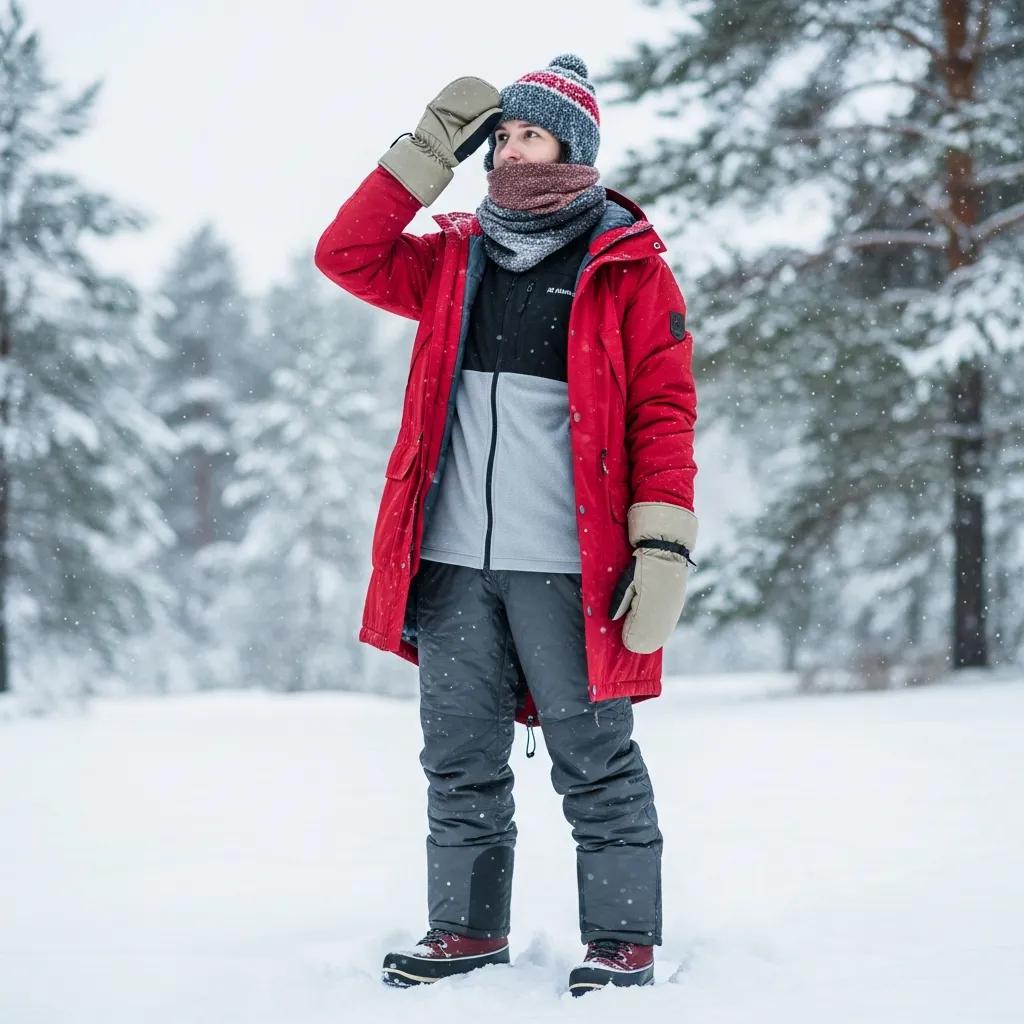
Hypothermia happens when the body loses heat faster than it can make it, causing dangerously low body temperature. Watch for shivering, confusion, slurred speech, and extreme tiredness. To prevent hypothermia, dress in layers, stay dry, and limit time outdoors in very cold weather. If you suspect someone has hypothermia, move them indoors, remove wet clothing, warm them gradually (blankets, dry clothing), and get medical help right away — avoid direct heat like hot water or heating pads.
Frostbite: Signs and How to Treat It
Frostbite occurs when skin and underlying tissues freeze, most often on fingers, toes, ears, and the nose. Early signs include numbness, tingling, and pale or discolored skin. For treatment, get the person into a warm place, gently warm the affected areas with warm (not hot) water or body heat, and seek medical care if symptoms persist. Prevent frostbite by wearing insulated gloves, warm socks and boots, and limiting exposure during extreme cold.
Home Safety in Winter: Preventing Common Hazards
Keeping your home safe during winter prevents many common problems caused by cold and snow. Two top concerns are frozen pipes and carbon monoxide (CO) exposure — both can cause serious damage or harm.
How to Prevent Frozen Pipes and Water Damage
To reduce the risk of frozen pipes, insulate vulnerable pipes in attics, basements, and exterior walls. During extreme cold, let a slow drip run from faucets to keep water moving, and open cabinet doors under sinks so warm air reaches plumbing. Seal gaps and cracks around your home’s exterior to keep cold air out.
Protecting Your Home from Carbon Monoxide in Cold Weather
Carbon monoxide is an invisible, odorless gas that can be fatal. Install CO detectors on every level of your home and test them regularly. Keep heating systems well-maintained and make sure vents and chimneys are clear of snow and debris. If a CO alarm sounds, evacuate immediately and call emergency services.
Research highlights the low prevalence of CO detectors in some groups and the need for broader awareness and installation as part of winter preparedness.
Winter Preparedness & Carbon Monoxide Detector Use
A survey measuring how people prepare for severe winter conditions found low CO detector ownership among those who heat with natural gas. Of 167 participants (mean age 29.8 ± 7.9 years; 52.7% women), only 10.4% who used natural gas had a carbon monoxide detector.
Preparations for severe winter conditions by emergency health personnel in Turkey, C Çalışkan, 2014
Winter Emergency Preparedness for Outdoor Activities and Travel
Preparedness makes a big difference if you get stranded or face a winter emergency while traveling or spending time outdoors. Keep the right supplies on hand and know a few basic safety steps.
What to Pack in a Winter Emergency Car Kit
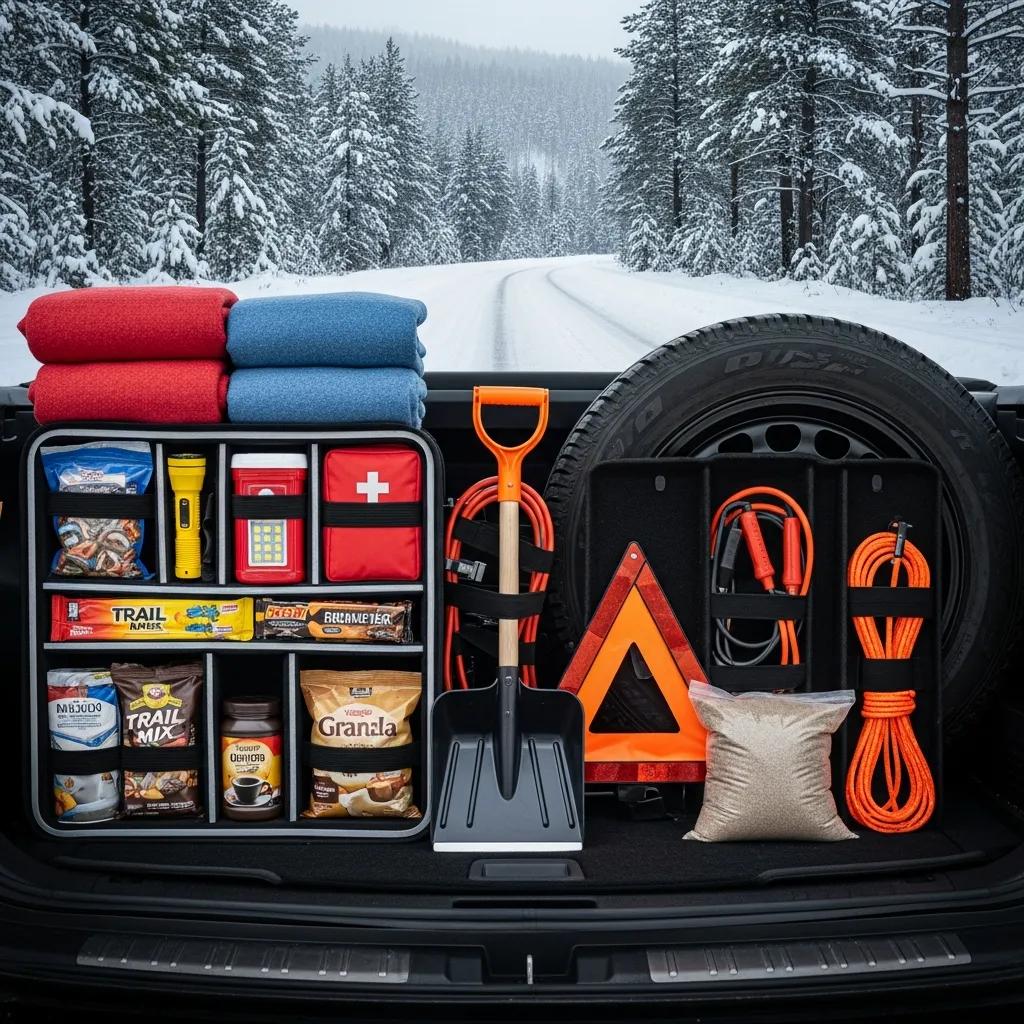
- Blankets: Keep warm if you’re stuck or waiting for help.
- Flashlight: For visibility and signaling — pack extra batteries.
- First-aid kit: Treat minor injuries until help arrives.
- Non-perishable snacks: Energy bars or nuts to maintain strength.
- Shovel: To dig out snow around tires.
- Extra warm clothing: Hats, gloves, and extra layers.
- Ice scraper and snow brush: Clear windows for safe driving.
- Jumper cables: In case of a dead battery.
Safe Winter Driving Tips to Avoid Ice-Related Accidents
Drive cautiously in winter: check weather and road conditions before you go, slow down on icy roads, and keep extra space between vehicles. Use winter tires or chains where appropriate, and carry an emergency kit in your car. If you hit an icy patch, steer gently and brake softly to avoid skidding.
Protecting Vulnerable People and Pets in Cold Weather
Some people and animals need extra care when temperatures drop. With a few simple steps, you can reduce risk for seniors, young children, and pets.
Cold-Weather Safety Tips for Seniors and Children
For older adults, encourage warm, layered clothing and keeping indoor temperatures comfortable. Arrange regular check-ins during cold spells to make sure they have heat, food, and necessary medications. For children, limit playtime in severe cold, and outfit them with hats, gloves, scarves, and insulated boots to prevent frostbite.
How to Keep Pets Warm and Safe in Winter
Pets need protection from cold, too. Provide a dry, insulated shelter and make sure their water doesn’t freeze. Limit time outdoors during extreme cold and consider coats or sweaters for small or short-haired breeds. After walks, check paws for ice buildup, salt, or irritation, and wipe them clean.
| Health Risk | Symptoms | Prevention |
|---|---|---|
| Hypothermia | Shivering, confusion, fatigue | Dress in layers, limit outdoor time, stay dry |
| Frostbite | Numbness, tingling, discoloration | Wear warm, protective clothing, avoid prolonged exposure |
| Carbon Monoxide Poisoning | Headache, dizziness, confusion | Install detectors, service heating systems regularly |
This table highlights common cold-weather health risks, how they show up, and simple prevention steps to keep your household safe.
| Home Safety Concern | Risk | Prevention |
|---|---|---|
| Frozen Pipes | Burst pipes, water damage | Insulate pipes, keep a slow faucet drip |
| Carbon Monoxide | Poisoning | Install detectors, maintain heating and ventilation |
| Slips and Falls | Injuries | Clear walkways, use salt or sand for traction |
This table shows common winter home hazards and practical ways to reduce the risks around your house.
Follow these cold-weather safety tips to protect your health and home all season long. A little awareness and preparation go a long way toward enjoying winter safely.
Frequently Asked Questions
What should I do if I suspect someone has hypothermia?
If you think someone has hypothermia, act quickly. Move them to a warm place, remove wet clothing, and wrap them in warm, dry blankets or clothing. If they are alert and able to swallow, offer warm (not hot) non-alcoholic drinks. Do not use direct heat like hot water or heating pads, which can cause burns or other complications. Seek medical care promptly — hypothermia can be life-threatening.
How can I prepare my home for winter storms?
Prepare your home before storms arrive: clear gutters and check the roof to avoid ice dams, stock up on food, water, and medications, and make sure your heating system is serviced. Keep flashlights, extra batteries, blankets, and a first-aid kit accessible. Consider a backup heating source and add insulating measures like weatherstripping and window coverings to reduce drafts.
What are the signs of carbon monoxide poisoning?
Carbon monoxide (CO) is hard to detect without an alarm. Watch for headache, dizziness, nausea, weakness, confusion, or shortness of breath — especially if symptoms improve when you leave the house. If you suspect CO exposure, get fresh air immediately, call emergency services, and have a qualified technician inspect your home. Regularly test and replace CO detector batteries to help prevent poisoning.
How can I ensure my pets are safe during winter?
Keep pets warm with insulated bedding and shelter, and make sure their water stays unfrozen. Limit outdoor time during extreme cold, and use pet-appropriate clothing for small or short-haired animals. Check paws for ice, salt, or injury after walks, and consult your vet if you have concerns about your pet’s health in cold weather.
What should I include in a winter emergency kit for my home?
A home winter emergency kit should cover basic needs for at least 72 hours. Include non-perishable food, bottled water, a flashlight and extra batteries, a first-aid kit, warm blankets, and a battery-powered or hand-crank radio. Add a multi-tool, extra warm clothing, any prescription medications, and supplies for infants, pets, or people with special needs. Check and refresh your kit each season.
How can I prevent slips and falls on icy surfaces?
To avoid slips and falls, keep walkways and driveways clear of snow and ice and apply salt or sand for traction. Wear shoes with good tread, or use ice cleats when conditions are especially slippery. Walk slowly, take short steps, and keep hands out of pockets to help maintain balance. If possible, avoid walking on untreated icy surfaces altogether.