How to Find the Best Local Pharmacy for Immunizations
How to Find a Trusted Local Pharmacy for Vaccinations
Finding a dependable neighborhood pharmacy for immunizations is easier when you know what to look for and why each detail matters. This guide gives clear search tips, practical trust signals, appointment prep, insurance and cost checks, and what certified pharmacists do so you can pick a nearby vaccine provider with confidence. If you’re in or near Belvedere Square, Value Drugstore is one local choice offering full immunization services, online prescription refills, telehealth visits, quality supplements, and personalized compounding to support your care. Many people run into limited access, confusing eligibility rules, and unclear pricing — this article breaks those barriers into step-by-step checks, short lists, and practical tips to make choosing a clinic straightforward. Read on for focused checklists, helpful tables, and next steps from finding a clinic to follow-up care.
How do you locate a nearby pharmacy that reliably offers immunizations?
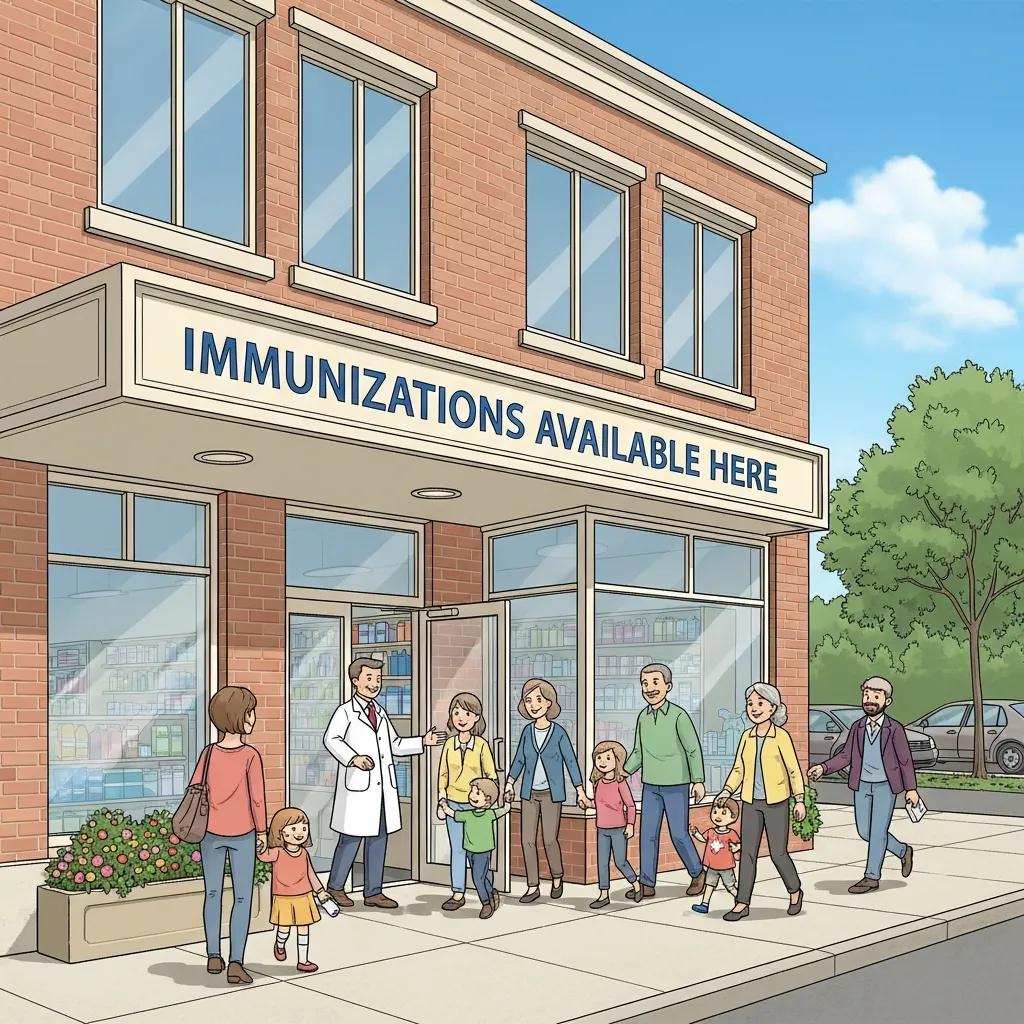
A reliable local pharmacy will list the vaccines it provides, explain safe handling, and offer easy ways to book care. Try neighborhood searches like “pharmacy vaccine near Belvedere Square,” and look for an immunization page, online booking or walk-in hours, and up-to-date store times. Good signals include pharmacist counseling, a clear vaccine menu, online appointments or set walk-in hours, and easy-to-find location details — all of which make follow-up doses simpler. Use these cues as a quick checklist while you compare options, then review the operational details that separate trusted pharmacies from the rest.
What practical features show a pharmacy takes vaccinations seriously?

Trustworthy pharmacies back safe immunizations with trained staff, documented storage and handling, clear policies, and patient-focused workflows. Look for statements that staff are trained in immunizations and emergency response — that signals clinical competence. Confirm the pharmacy lists which vaccines it gives and includes eligibility notes — clear documentation usually means reliable inventory and counseling. Also check logistics like temperature-controlled storage, visible consent procedures, and tidy record-keeping so your vaccine is handled, recorded, and available for future care. These operational checks help you narrow choices before weighing convenience and access.
Quick guide: Practical trust signals to use when choosing a vaccination pharmacy.
- Trained staff and emergency readiness: The pharmacy explains staff training and response protocols.
- Clear vaccine lists and eligibility notes: Transparent info about which vaccines are offered and who can get them.
- Cold-chain and storage practices: Clear description of safe vaccine storage and handling.
- Scheduling and documentation: Onsite record-keeping and appointment systems that support follow-up care.
Keep this short checklist handy when comparing nearby pharmacies.
Why do location and access matter for your vaccine choice?
How close and accessible a pharmacy is affects whether you complete multi-dose series and get timely care when you need it. A nearby location with extended hours or weekend availability makes it easier to keep appointments, especially for working families. Check physical accessibility — parking, transit routes, and ADA features — particularly for seniors, people with mobility challenges, or caregivers with young children. Also see if the pharmacy offers home delivery or mobile services for prescriptions, which can simplify follow-up after vaccination. Easier access supports both initial uptake and ongoing preventive care.
Checklist: Accessibility items to weigh when choosing a pharmacy.
- Proximity and travel time: Shorter trips make follow-up doses easier to complete.
- Hours and weekend service: Extended hours reduce missed appointments and seasonal crowds.
- Parking, transit, and ADA access: Practical access features make visits manageable for everyone.
Weighing these access points helps you pick a pharmacy that supports long-term preventive care.
Which vaccines are commonly offered at community pharmacies?
Community pharmacies usually provide a range of common vaccines so you can get preventive care without a primary care visit. Typical offerings include seasonal flu shots and COVID-19 vaccines, adult immunizations like shingles and pneumococcal vaccines, and routine boosters such as Tdap. Some pharmacies also provide HPV or MMR for eligible patients, and they can refer you for travel or less-common vaccines when needed. Because availability changes with season and state rules, always check a pharmacy’s immunization list or call ahead to confirm stock and age eligibility.
Quick-reference table: Common vaccines, who they protect, and how often pharmacies offer them.
| Vaccine | Target Age/Group | Typical Availability at Pharmacies |
|---|---|---|
| Influenza (Flu) | Everyone 6 months and older (seasonal focus) | Widely available seasonally at most pharmacies |
| COVID-19 | Varies by formulation and age indication | Commonly available year-round in many pharmacies |
| Shingles (Herpes zoster) | Adults 50+ (age varies by guidance) | Frequently offered to adults at community pharmacies |
| HPV | Adolescents and young adults (age limits apply) | Often available for eligible age groups; may require appointment |
| Tdap (Tetanus, diphtheria, pertussis) | Adolescents, adults, pregnant people | Commonly administered at pharmacies |
| Pneumococcal | Older adults and high-risk groups | Typically available by appointment at many pharmacies |
Use this table to prioritize which vaccines to ask about when you call or search nearby pharmacies.
Which immunizations can you usually get at a pharmacy?
Most community pharmacies focus on high-demand and adult-targeted vaccines that improve population health and convenience. Influenza and many COVID-19 formulations are the most consistently available year to year. Adult vaccines such as shingles, pneumococcal, and Tdap are commonly stocked for eligible patients. Some pharmacies offer HPV and MMR depending on age and local policies, while travel or less-common vaccines may require a referral. Always confirm specific vaccine availability and any pre-screening or appointment needs before you go.
How do vaccine eligibility and age rules work?
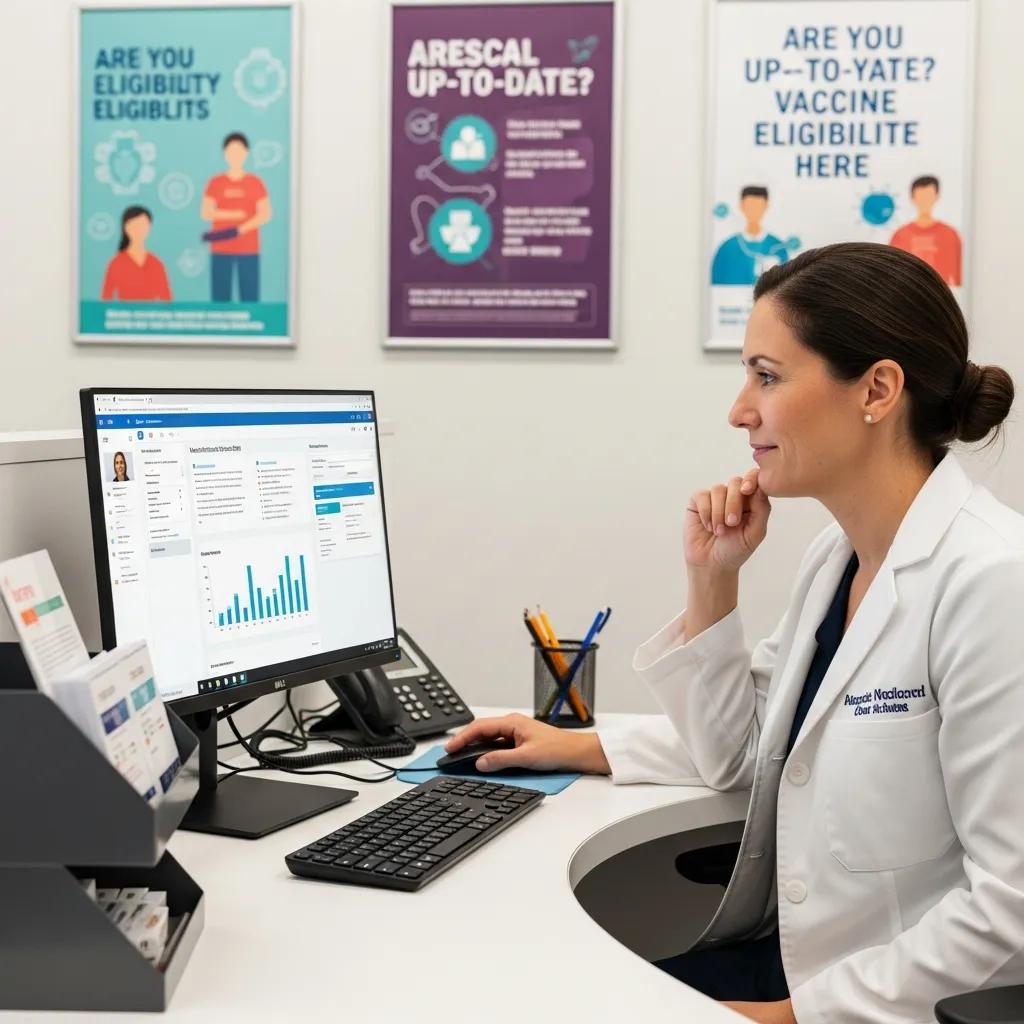
Eligibility depends on the vaccine, current public health guidance, and state rules about pharmacist authority. Check official immunization schedules and a pharmacy’s eligibility notes before booking. If you have complex medical history or take medications that could affect vaccine timing, arrange a telehealth or in-person pre-vaccine consultation with a pharmacist or clinician. Confirming eligibility ahead of time prevents delays and helps ensure you get the right vaccine at the right time.
How should you schedule and prepare for a pharmacy vaccine visit?
Good planning makes vaccine visits faster and safer, especially during busy seasons. Many pharmacies let you book online, call to reserve a slot, or accept walk-ins; the best choice depends on demand and the vaccine type. Bring ID, insurance details, a list of medications, and any prior vaccination records; tell staff about allergies or recent illnesses during screening to avoid last-minute deferrals. After your shot you may be asked to wait briefly for observation; the pharmacy should document the vaccine and provide proof for work, school, or travel. Being prepared keeps the visit smooth and your records accurate.
Do you need an appointment or can you walk in?
Whether to schedule or walk in depends on seasonality, how busy the pharmacy is, and vaccine stock. Appointments are safer during peak times like flu season because they help manage inventory and reduce wait times. Walk-ins work well for single-dose seasonal shots when supply is plentiful. For age-restricted or multi-dose vaccines, booking ahead is usually best to ensure availability and proper screening. If you’re unsure, a quick phone call or online check can save you an unnecessary trip.
Quick checklist: Tips to decide between booking or walking in.
- Schedule during high-demand seasons: Appointments reduce waits and help guarantee stock.
- Walk in for single seasonal doses: Walk-ins can be faster for routine flu shots when supplies are available.
- Schedule for age-restricted vaccines: Book ahead when eligibility checks are required.
Choosing the right booking approach balances convenience with certainty of vaccine availability.
What should you bring and expect at your vaccine appointment?
Bringing the right documents and knowing the flow speeds your visit and helps staff keep everyone safe. Bring a photo ID, your insurance card if you plan to use coverage, a current medication list, and any past vaccine records; report allergies and recent illnesses during screening. Expect a short health check, an injection by a trained nurse or pharmacist, and a brief observation period if needed. Staff will give you documentation or a vaccination card plus instructions on typical side effects and when to seek care. Being prepared makes the visit quick and reassuring.
How can you evaluate vaccine costs and insurance coverage at a pharmacy?
Checking payment options and insurance acceptance ahead of time avoids surprises. Pharmacies often accept major private insurers and some government plans, but coverage varies by vaccine type, insurer rules, and state regulations — always confirm before your visit. Ask about self-pay prices, whether the vaccine is billed to pharmacy or medical benefits, and whether the pharmacy files claims for you. For lower-cost options, ask about seasonal programs, manufacturer assistance, or local public health initiatives that may cover or reduce costs for eligible people. Verifying these details before you book helps you get care without unexpected bills.
Reference table: Typical payment paths and practical questions to ask your pharmacy.
| Payment Option | Typical Coverage | What To Ask Your Pharmacy |
|---|---|---|
| Private Insurance | Often covers routine adult and seasonal vaccines with plan rules | Ask whether the vaccine is billed to pharmacy or medical benefits and if pre-authorization is required |
| Medicare (Part B/Part D) | Coverage depends on vaccine type and Part B/Part D rules | Confirm whether your vaccine is covered under Part B or Part D and how billing is handled |
| Medicaid | State-dependent; varies widely by program and pharmacy | Verify state Medicaid acceptance and any enrollment requirements at the pharmacy |
| Self-Pay / Cash | Fixed out-of-pocket price when not using insurance | Request the exact self-pay price and inquire about discounts or sliding-scale options |
This table helps you know which questions to ask so billing surprises are less likely.
Which insurance plans do pharmacies usually accept for vaccines?
Many pharmacies accept a wide range of private plans and participate with Medicare and Medicaid where allowed, but acceptance varies by vaccine and location. Whether a vaccine is billed to pharmacy or medical benefits can change copays and deductible rules, so confirm coverage with both your insurer and the pharmacy. State Medicaid programs may be accepted at community pharmacies, but policies differ, so verify ahead of time. Bring your insurance ID and ask the pharmacy to confirm coverage and any expected out-of-pocket costs before your shot.
Are there low-cost or free vaccine options at pharmacies?
Yes — seasonal public health partnerships, manufacturer assistance programs, and pharmacy discount initiatives sometimes make vaccines free or low-cost for eligible people. Pharmacies may host community clinics or take part in public health campaigns that offer reduced-price or no-cost shots; check local health department notices and pharmacy announcements. If cost is a barrier, ask about manufacturer coupons, claim support, or scheduled discount clinics, and consider public health immunization sites as alternatives for no-cost options. Exploring these routes can reduce or eliminate out-of-pocket expenses.
Simple steps: How to find low-cost or free vaccinations in your community.
- Ask the pharmacy about seasonal clinics and discounts: Pharmacies often run reduced-cost events during peak seasons.
- Check manufacturer assistance: Some vaccine makers offer support programs for eligible people.
- Contact local public health: Health departments coordinate free vaccine efforts for priority groups.
These steps can help you locate options that lower financial barriers to vaccination.
After checking cost and coverage, favor providers that publish pricing and offer easy booking. Neighborhood pharmacies like Value Drugstore in Belvedere Square aim for clear pricing and online scheduling so patients can confirm costs and book with confidence.
Why choose certified pharmacists for immunizations?
Certified pharmacists combine vaccine administration skills with deep medication knowledge, making them trusted partners for immunization and counseling. They complete immunization training, do continuing education, and are prepared to spot contraindications and handle immediate adverse events — all of which improves safety and continuity of care. Pharmacists also increase access with convenient hours and locations, keep accurate vaccine records, and answer medication-interaction questions that may not get covered in a brief primary care visit. Knowing a pharmacist’s qualifications helps you choose a provider who offers both technical skill and practical guidance.
Reference table: Common pharmacist qualifications, what they mean for patients, and how pharmacists support vaccine care.
| Qualification | What It Means for Patients | Examples of Support |
|---|---|---|
| Immunization certification | Formal training in vaccine administration and emergency response | Safe injection technique, anaphylaxis preparedness, observation protocols |
| Continuing education | Ongoing learning to stay current with vaccine guidance | Accurate counseling on boosters, eligibility, and schedules |
| Medication therapy expertise | Clinical knowledge of drug interactions and contraindications | Review of meds that could affect vaccine timing or side effects |
Those qualifications translate to safe vaccination services and helpful counseling at the pharmacy counter.
What training do pharmacists need to give vaccines?
Pharmacists who administer vaccines complete standardized immunization training and maintain competency with continuing education. State scope-of-practice rules vary, but pharmacists often operate under protocols or collaborative agreements that authorize vaccine delivery to eligible patients. This training prepares them to do pre-vaccine screening, spot contraindications, and respond to acute reactions, which increases safety. When choosing a pharmacy, asking about immunization certification and ongoing education reassures you the team stays current with best practices.
How do pharmacists support patients around vaccination?
Pharmacists offer personalized counseling by reviewing medication lists, allergy histories, and scheduling needs to recommend timing and flag any interactions. They explain likely side effects, aftercare steps, and when to seek medical help — guidance that helps patients manage symptoms without unnecessary ER visits. Some pharmacies provide telehealth for pre-vaccine triage and counseling, while in-person visits allow hands-on screening and documentation. This counseling role positions pharmacists as accessible clinicians who bridge primary care and community prevention.
Key counseling services: What pharmacists commonly do for vaccine patients.
- Medication and allergy review: Screen prescriptions and OTC supplements for interactions.
- Scheduling advice: Recommend timing for multi-dose and booster series.
- Side-effect guidance: Practical tips and red-flag signs for post-vaccine care.
At Value Drugstore in Belvedere Square, our pharmacists provide counseling and vaccine administration so local families get technical care plus practical follow-up support.
What other services can make your immunization experience smoother?
Complementary pharmacy services connect vaccinations to ongoing care, making the whole process easier and safer. Online prescription refills keep chronic meds on schedule around vaccination, while telehealth lets you pre-screen and get counseling without a doctor’s office visit. Natural supplements may be offered for general support when evidence supports them, and personalized compounding can meet special dosing needs — always under pharmacist guidance to avoid interactions. Together these services create a seamless journey from scheduling through aftercare.
How do online refills and telehealth pair with immunizations?
Online refills prevent medication gaps around vaccination that could complicate care or timing. Telehealth is a convenient way to pre-screen for contraindications, discuss side-effect expectations, and coordinate boosters without an in-person primary care visit. Using both services reduces friction and supports timely immunization and medication adherence. Use these tools to ask medication questions before your shot and to arrange follow-up through the pharmacy’s remote-care options.
Can supplements help after vaccination?
Supplements like vitamin D, vitamin C, and zinc are sometimes used for general immune support, but they don’t replace vaccines and should only be used with pharmacist guidance. Supplements may help baseline health, yet they can interact with prescriptions or affect certain vaccine timings — so check with a pharmacist before starting anything new. Pharmacists can suggest sensible dosing, flag contraindications, and recommend reliable brands if supplementation is appropriate. That expert review keeps supplement use safe as part of post-vaccine care.
Safety steps: How to consider supplements or compounded options alongside vaccination.
- Talk to a pharmacist first: A professional review prevents interactions and unsafe dosing.
- Choose evidence-based options: Use formulations backed by clinical guidance where possible.
- Watch symptoms and report concerns: Pharmacists can advise if reactions are normal or need medical attention.
Value Drugstore’s services — online refills, telehealth, supplements, and compounding — show how a community pharmacy can bundle preventive vaccines with ongoing medication support to make care more convenient and effective.
Pharmacists’ Expanding Role in Immunization Practices and Accessibility
Most people live within a short distance of a pharmacy, which makes pharmacists important access points for vaccines. Even so, vaccination rates lag in part because patients may not get clear, timely information about vaccines and where to receive them.
Pharmacists’ expanding role in immunization practices, G DeMaagd, 2023
The wide presence of pharmacies in communities improves vaccine access — most people live within about five miles of one. That convenience matters, though vaccination rates can still be limited by gaps in patient education and local access points.
Community Pharmacy Professionals’ Readiness and Barriers in Providing Vaccination Services
Community pharmacy teams are often ready and knowledgeable about vaccinations, but barriers like regulation, staffing, workload, and infrastructure can limit service delivery. Addressing training, reimbursement, and infrastructure would help expand pharmacy-based vaccination in many settings.
Readiness of and barriers for community pharmacy professionals in providing and implementing vaccination services, YK Anagaw, 2024
Research shows community pharmacy professionals are key to delivering vaccination services and frequently have the knowledge to do so. Still, challenges such as regulatory limits, staffing, and infrastructure can get in the way — improvements in policy, training, and investment are important to widen access.
Frequently Asked Questions
What should I do if I have a history of allergies or adverse reactions to vaccines?
Tell the pharmacist about any allergies or past vaccine reactions before your appointment. They will complete a screening, advise whether a different vaccine or extra precautions are needed, and may suggest a pre-vaccine consultation to review your history. Bring documentation of past reactions so staff can plan the safest approach.
How can I find upcoming vaccination clinics or events nearby?
Check local health department pages, community center postings, and pharmacy websites or social channels for clinic announcements. Sign up for newsletters or alerts from local health agencies, and watch community bulletin boards or local news for special vaccination events and free or low-cost clinics.
What if I miss a scheduled vaccine appointment?
Contact the pharmacy as soon as you can to reschedule. In many cases you can still get the vaccine without restarting the series, but timing depends on the vaccine and your history. The pharmacy will advise next steps so you stay on track.
Are there specific aftercare instructions I should follow after vaccination?
After a vaccine, rest briefly at the pharmacy if observed, apply a cool compress to the injection site for comfort, and use over-the-counter pain relievers if needed. Drink fluids and avoid heavy exercise for the rest of the day. If you have severe or unusual symptoms, contact your healthcare provider right away.
Can I get more than one vaccine in the same pharmacy visit?
Often yes — many pharmacies can give multiple vaccines in one visit if they’re appropriate together and match your health history. This commonly happens during flu season when a COVID-19 booster is available. Discuss options with the pharmacist beforehand and bring your vaccine records so they can make the safest recommendation.
Who should I contact if I have questions about vaccine side effects?
Ask the pharmacist or clinic staff at your visit — they can explain typical side effects, how to manage them, and when to seek medical care. Trusted official sources include the CDC and WHO. If you experience severe or unexpected symptoms, contact your healthcare provider immediately.
Conclusion
Choosing a local pharmacy for immunizations gives you convenient access to essential vaccines and personalized care from trained pharmacists. By checking trust signals, accessibility, vaccine availability, and cost, you can make informed choices that put your health first. Ready to take the next step? Explore local providers like Value Drugstore to learn more about our immunization services and book your appointment with confidence.