You hear doctors and nurses use both terms all the time. Sometimes they say you need a vaccination. Other times they talk about immunization schedules. Are these the same thing or something different?
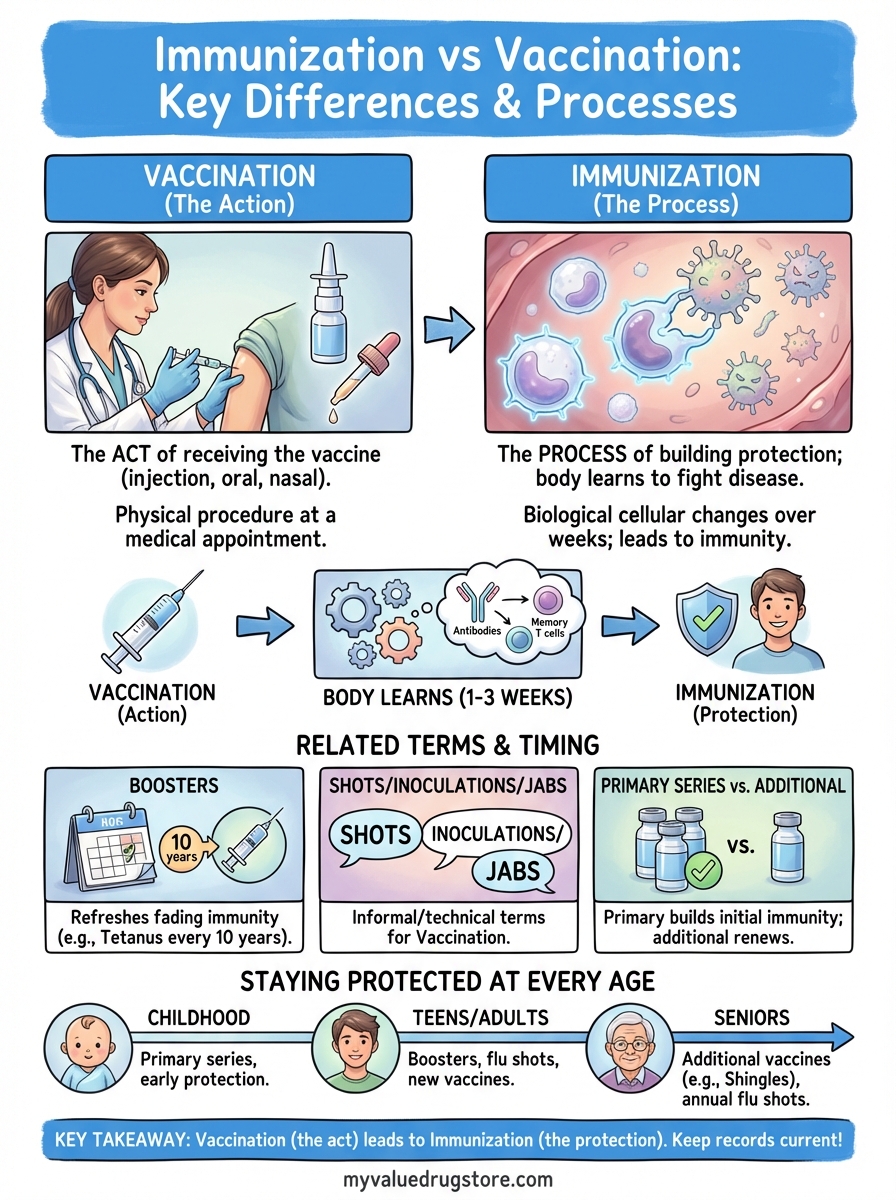
Here’s the simple answer. Vaccination is the act of getting a vaccine. It’s what happens when you roll up your sleeve and receive a shot or swallow an oral vaccine. Immunization is the process that follows. Your body builds protection against disease after vaccination. Think of vaccination as the action and immunization as the result.
This article breaks down both terms so you understand exactly what each one means. You’ll learn how vaccination triggers the immunization process in your body and why health professionals use these words in specific situations. We’ll also cover related terms like shots, inoculations and boosters that often add to the confusion. By the end, you’ll know which term to use and when, plus you’ll understand what’s actually happening inside your body when you get vaccinated.
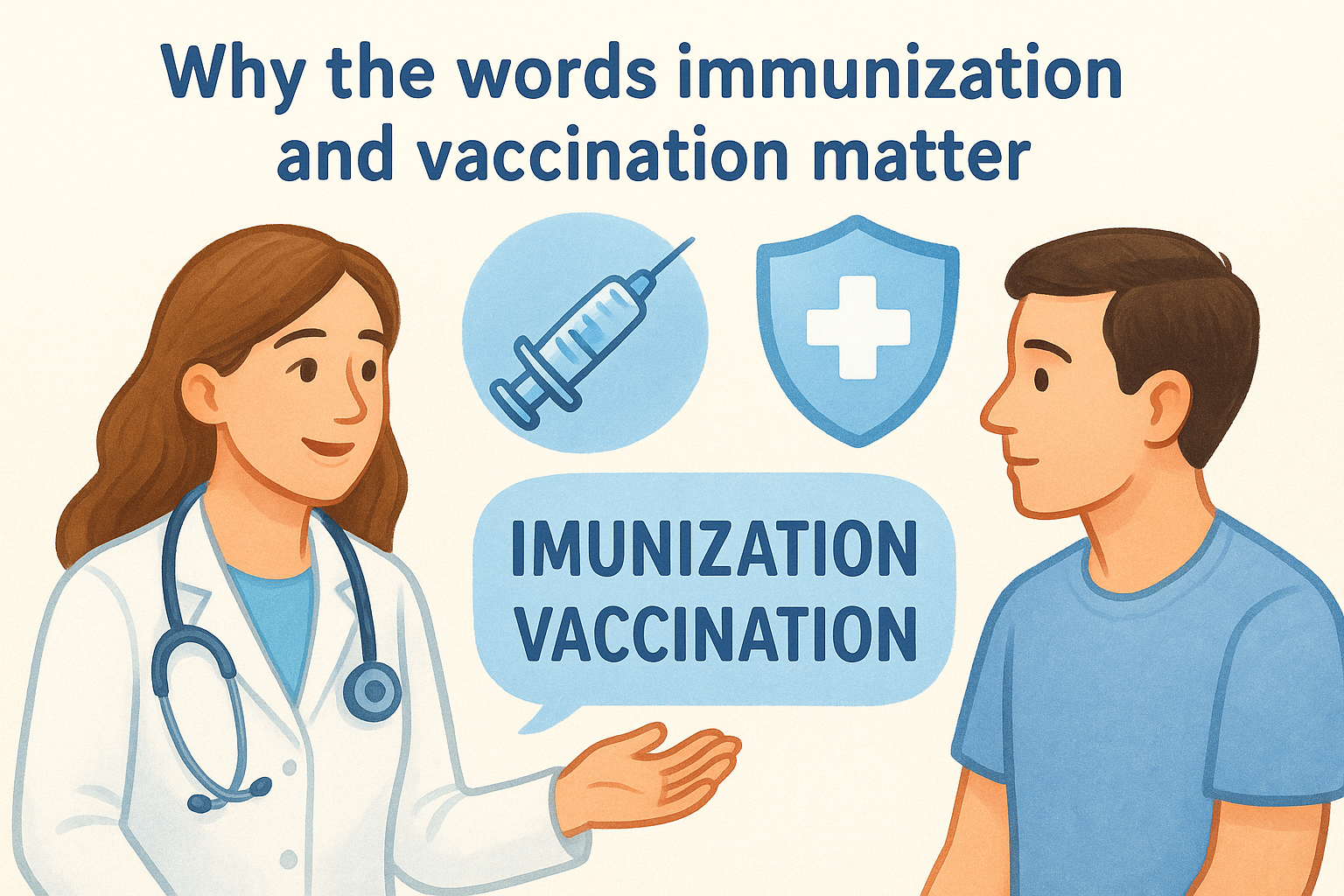
Why the words immunization and vaccination matter
You need to understand the difference between these terms when you talk to your doctor, read medical records, or make decisions about your family’s health. Using the right term helps you communicate clearly with healthcare providers and understand exactly what happens during each step of the protection process. Medical professionals use these words precisely because each describes a distinct part of disease prevention.
Clear communication with your doctor
Your physician might ask if you’ve completed your vaccination series or if you’ve achieved immunization against certain diseases. These questions sound similar but they’re asking about different stages of your protection. When you tell your doctor you received a vaccination, you’re describing the physical act of getting the vaccine. When you discuss immunization status, you’re talking about whether your body has built protection against disease. This distinction matters during medical consultations because your doctor needs to know both whether you got the vaccine and whether your body responded properly to create immunity.
Understanding the immunization vs vaccination difference helps you give accurate answers during medical appointments and follow health recommendations correctly.
Reading your health records accurately
Medical documents use specific terminology for good reason. Your immunization records track when you received vaccines and whether you need additional doses. These records show vaccination dates, vaccine types, and sometimes test results that confirm your body developed immunity. Insurance companies and schools also request immunization records to verify your protection status. If you only understand one term, you might miss important information about whether you need boosters or if previous vaccines worked as intended. The precision matters when you’re managing chronic conditions, planning surgery, or preparing for international travel where certain immunizations are required.
How to use these terms in everyday health care
You’ll encounter both terms regularly in medical settings, school paperwork, and pharmacy visits. Knowing when to use each word helps you navigate appointments smoothly and understand what healthcare workers are telling you. The context usually dictates which term fits best, though many people use them interchangeably in casual conversation without causing confusion.
When talking to healthcare providers
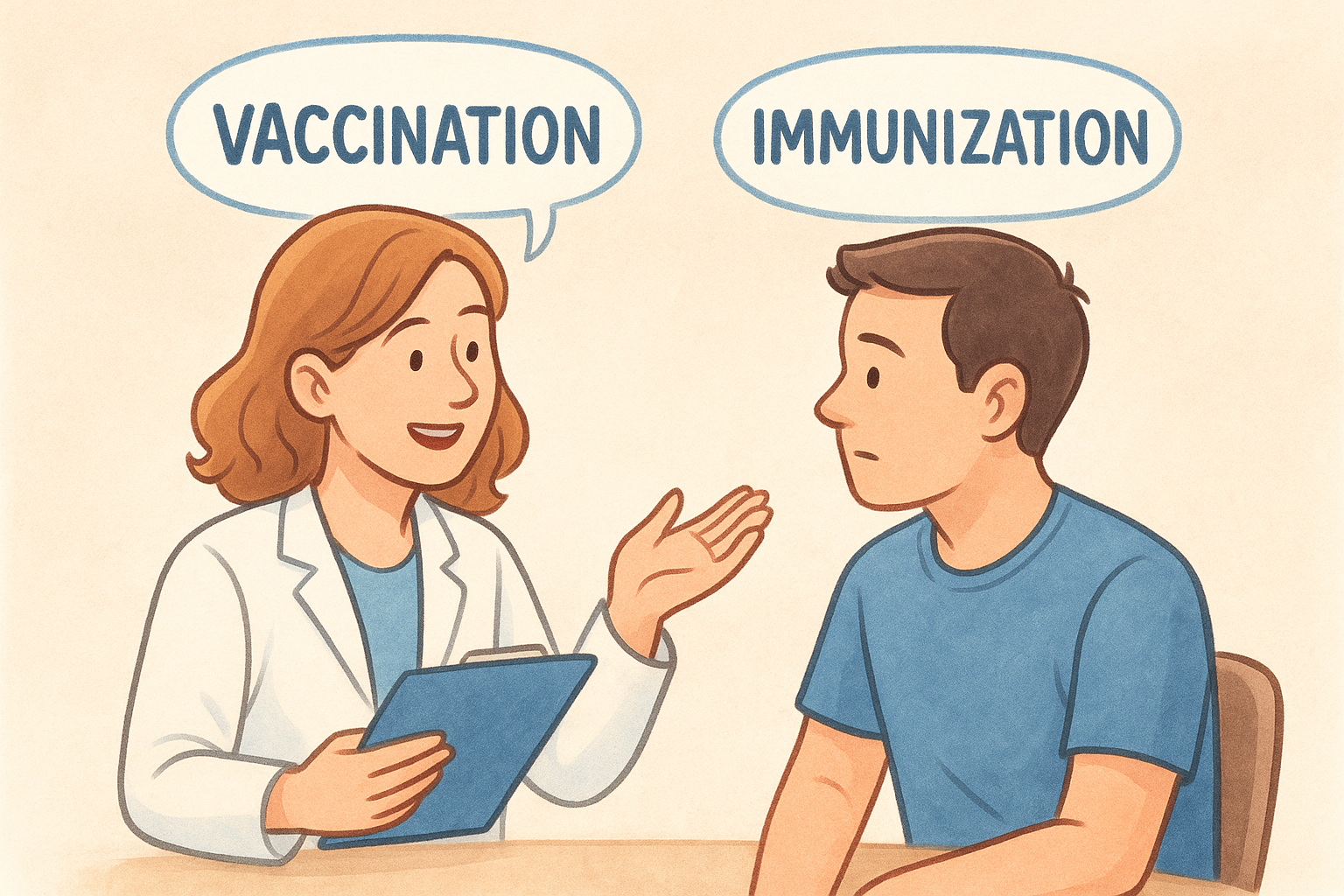
Use "vaccination" when you’re discussing the appointment itself or the physical act of receiving a vaccine. You might say "I need to schedule my flu vaccination" or "My child is due for their vaccination next week." Healthcare staff understand you’re talking about the actual visit where someone administers the vaccine. Switch to "immunization" when you’re asking about your protection status or discussing whether a vaccine series is complete. Questions like "Am I fully immunized against measles?" or "Does my immunization status meet the requirements?" focus on the outcome rather than the action.
Filling out forms and paperwork
Most medical forms ask about your "immunization history" or "immunization records." These documents want to know what protection you have, not just which vaccines you received. Check boxes that list diseases like tetanus, hepatitis, or measles typically ask if you’re immunized against them. School enrollment forms and travel health questionnaires also use "immunization" because they’re verifying your protection level. Some forms might ask for "vaccination dates" when they need specific information about when you got each shot. The immunization vs vaccination distinction on paperwork tells you whether to provide dates, vaccine names, or just confirm your protection.
When you see "immunization record" on any form, provide information about both the vaccines you received and the protection they gave you.
Discussing with family and children
Parents often say "vaccination" when talking to kids because it’s easier to explain as a single event. Saying "You’re getting a vaccination today" describes what happens at the doctor’s office in simple terms. After the appointment, you can explain immunization as the superpower their body gains from the vaccine. Tell older children "The vaccination helped your body learn how to fight off measles, so now you’re immunized." This approach teaches them both terms naturally while building understanding of how vaccines protect them.
What immunization means in your body
Immunization describes the biological process that happens inside your body after you receive a vaccine. Your immune system learns to recognize and fight specific diseases without you having to get sick first. This process involves complex cellular changes that create lasting protection, though you can’t see or feel most of what’s happening while your body builds immunity.
Your immune system learns to recognize threats
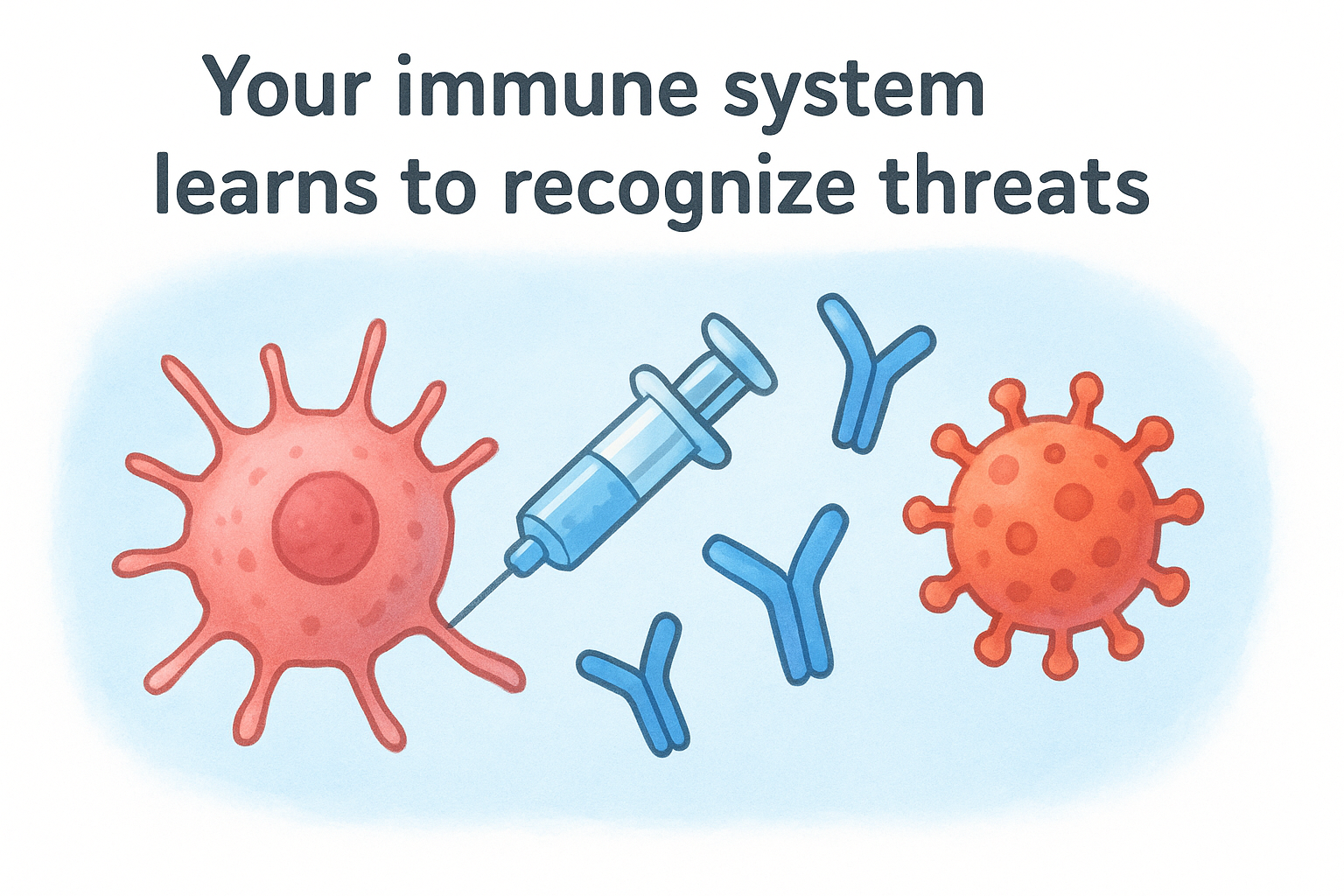
When a vaccine enters your body, your immune system treats it as an intruder it needs to study and remember. White blood cells called lymphocytes examine the vaccine components and create specialized proteins called antibodies that match the specific pathogen like a key fits a lock. These antibodies circulate through your bloodstream looking for any sign of the real disease. Your body also activates other immune cells that learn to destroy infected cells if the pathogen ever enters your system. This learning process usually takes one to three weeks to reach full strength, which is why you don’t have immediate protection after vaccination.
Memory cells create lasting immunity
The real power of immunization comes from memory B cells and memory T cells that your immune system produces during the learning phase. These specialized cells stick around in your body for years or even decades after vaccination. They remember exactly what the pathogen looks like and how to fight it quickly. When the real disease tries to infect you later, these memory cells recognize it immediately and trigger a rapid immune response before you develop symptoms. Your body floods the infection site with antibodies and attack cells within hours instead of weeks. This rapid response is what keeps you from getting sick when everyone around you catches the flu or another contagious illness.
Immunization gives your body a head start in the fight against disease by teaching it how to respond before a real infection happens.
Protection strength varies by vaccine type
Different vaccines create different levels of immunity that last for varying amounts of time. Some immunizations like those for measles provide protection for life after you complete the vaccine series. Other vaccines like tetanus require booster shots every ten years to maintain strong immunity because your memory cells gradually decline. The seasonal flu vaccine needs renewal annually because the virus changes constantly and last year’s immunity doesn’t match this year’s strain. Understanding the immunization vs vaccination distinction helps you realize that getting a shot is just the first step, and your body needs time to build the protection that lasts. Your immune system’s response also depends on your age, overall health, and immune function at the time you receive the vaccine.
What vaccination means and how vaccines work
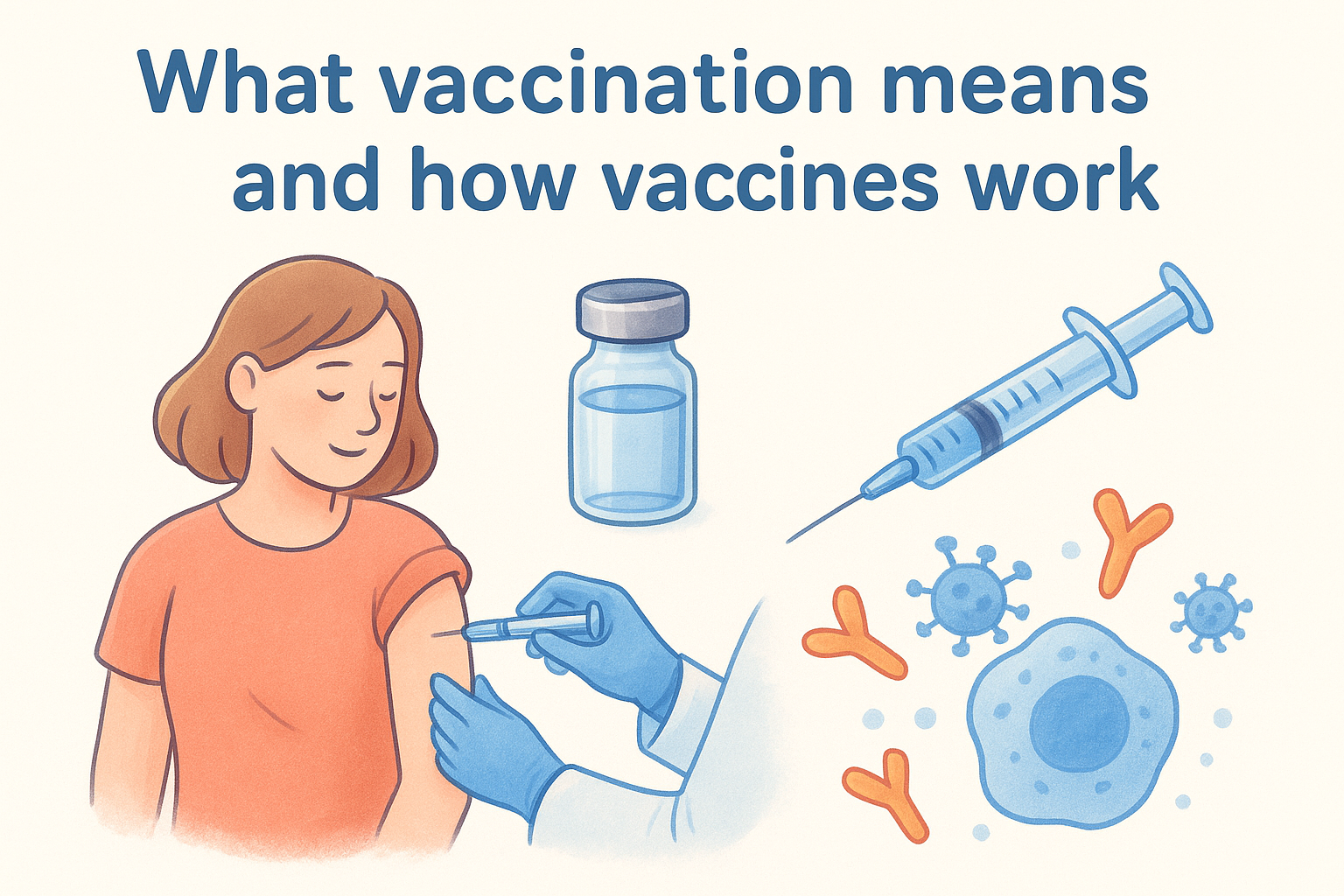
Vaccination refers to the actual event when you receive a vaccine through an injection, nasal spray, or oral dose. This term describes the physical procedure that healthcare providers perform to introduce vaccine material into your body. When you schedule an appointment for a flu shot or bring your child in for their measles vaccine, you’re arranging a vaccination. The term comes from the Latin word "vacca" meaning cow, originating from early smallpox prevention methods that used material from cowpox infections. Today’s vaccines use sophisticated science to safely train your immune system without causing the diseases they prevent.
The physical act of receiving a vaccine
Your healthcare provider administers most vaccines through an injection into your upper arm muscle, though some vaccines come in different forms. The intramuscular injection delivers vaccine material close to lymph nodes in your armpit where immune cells gather and respond quickly to foreign substances. Some vaccines like the flu mist go into your nose as a spray, while others like rotavirus come as oral drops you swallow. The vaccination appointment takes just minutes, but the preparation of vaccine doses follows strict protocols to maintain potency and safety. Your provider cleans the injection site, checks the vaccine temperature, and documents which specific product and lot number you received for accurate medical records.
Different types of vaccines available
Vaccines work through several approaches that all achieve the same goal of teaching your immune system. Live-attenuated vaccines contain weakened versions of viruses or bacteria that can’t make healthy people sick but still trigger strong immunity. Inactivated vaccines use killed pathogens that your immune system recognizes as threats even though they can’t multiply in your body. Subunit vaccines include only specific pieces of a pathogen, such as proteins or sugars, that your immune system needs to identify the disease. The newest category uses mRNA technology to give your cells temporary instructions for making harmless viral proteins that activate your immune defenses. Each vaccine type has specific advantages for different diseases and age groups.
Understanding the immunization vs vaccination difference means recognizing that vaccination delivers the vaccine while immunization describes how your body builds protection afterward.
How your body responds to vaccination
After you receive a vaccine, your immune system begins analyzing the vaccine components as if they were real threats requiring defense preparation. White blood cells capture pieces of the vaccine material and present them to other immune cells that specialize in creating targeted responses. B cells start producing antibodies that match the specific pathogen markers in the vaccine, while T cells learn to destroy infected cells directly. This response typically causes mild side effects like soreness at the injection site or low-grade fever as your immune system ramps up its activity. The entire learning process creates both immediate defenders and long-lasting memory cells that patrol your body for years, ready to prevent infection if you encounter the actual disease.
Shots, inoculation, boosters and other terms
You’ll hear many different words for vaccines and the process of getting protected against disease. These terms pop up in doctor’s offices, pharmacy conversations, and health news reports. Most words describe the same basic concept but come from different time periods or emphasize specific aspects of the vaccination process. Understanding these variations helps you recognize when people are talking about vaccines, even if they use unfamiliar terminology from medical jargon or historical usage.
Common words people use for vaccinations
"Shot" is the most casual term Americans use when talking about vaccines that come through injection. You might tell a friend "I got my flu shot today" rather than using more formal medical language. "Inoculation" sounds more technical but means exactly the same thing as vaccination in modern usage. Doctors used this term historically when they introduced material from infected individuals into healthy people to create protection. "Jab" is British slang for an injection that’s become more popular in American conversations recently. All these words describe the act of receiving a vaccine, making them interchangeable with vaccination in everyday speech.
Understanding boosters and dose schedules
A booster is an additional vaccine dose you receive months or years after your initial vaccination series. Your immune system’s memory of certain diseases gradually weakens over time, and boosters strengthen that protection back to effective levels. Tetanus requires a booster every ten years to maintain immunity, while some childhood vaccines need boosters during adolescence as initial protection fades. The term "dose" refers to each individual vaccination you receive as part of a series. Many vaccines require multiple doses given weeks or months apart to build full immunity. Your first dose starts the learning process, while subsequent doses train your immune system more thoroughly.
Boosters refresh your immune system’s memory of a disease so you maintain protection as initial immunity weakens naturally over time.
Primary series versus additional protection
Medical professionals distinguish between your primary vaccine series and any additional doses you receive later. The primary series includes all the doses you need initially to achieve full immunization against a disease. Additional doses come after you’ve completed that primary series when you need renewed or updated protection. Understanding the immunization vs vaccination terminology alongside these related terms helps you track what protection you have and what you might still need for complete disease prevention.
Staying up to date on vaccines at every age
Your vaccine needs change throughout your life as your immune system develops, matures, and ages. Keeping current with age-appropriate vaccinations protects you from diseases that pose the greatest risks during each life stage. Understanding the immunization vs vaccination process helps you recognize that staying protected requires ongoing attention, not just childhood shots. Healthcare providers follow established schedules that specify which vaccines you need and when to receive them for optimal protection.
Childhood vaccine schedules and early protection
Infants and young children receive most of their primary vaccine series before age six because their immune systems haven’t encountered common diseases yet. Your child needs multiple doses of several vaccines during their first two years when their developing immune system can’t fight off infections effectively. Vaccines protect against measles, mumps, rubella, whooping cough, polio, and other dangerous childhood illnesses. Pediatricians schedule well-child visits that align with recommended vaccination timing so your child builds immunity before starting school where disease exposure increases. Most states require proof of certain immunizations before children can attend daycare or kindergarten, making it essential to keep their records current and complete all required doses on schedule.
Vaccines you need as a teenager and adult
Adolescents need booster shots for vaccines they received as children because immunity to some diseases weakens over time. The Tdap vaccine at age eleven or twelve refreshes protection against tetanus, diphtheria, and pertussis while your child’s growing body needs renewed defense. Teenagers also receive the HPV vaccine series and meningococcal vaccines that protect against diseases more common in young adults. Working adults should get an annual flu vaccination and stay current on tetanus boosters every ten years. Women planning pregnancy need specific vaccines like MMR and chickenpox if they’re not already immune, while pregnant women require Tdap and flu shots to protect themselves and their babies.
Staying current with vaccinations throughout adulthood prevents diseases that can cause serious complications even in healthy people.
Staying protected in your senior years
Adults over age sixty-five face higher risks from certain infections as their immune systems naturally weaken with age. You need additional vaccines beyond what younger adults receive, including pneumococcal vaccines that prevent serious lung infections and the shingles vaccine that protects against painful nerve damage. Older adults should continue getting annual flu shots because influenza causes more severe illness and complications in seniors. Your doctor might recommend specific vaccines based on your health conditions like diabetes or heart disease that increase your vulnerability to certain infections. Regular medical checkups give you opportunities to review your immunization status and receive any vaccines you’ve missed or that have become available since your last visit.
Key takeaways
Understanding the immunization vs vaccination distinction helps you communicate clearly with healthcare providers and manage your health records accurately. Vaccination describes the act of receiving a vaccine through injection, oral dose, or nasal spray during a medical appointment. Immunization refers to the biological process that follows as your immune system builds protection against disease over the following weeks.
Both terms matter in everyday health care because they describe different stages of disease prevention. You need vaccination to trigger immunization, and you need immunization to gain lasting protection. Keep your vaccine records current at every age since your protection needs change from childhood through your senior years. Regular boosters and seasonal vaccines maintain the immunity that keeps you healthy and stops disease spread in your community.
Your local pharmacy partners play a vital role in keeping you protected with convenient vaccination services and expert guidance. Visit Value Drugstore for personalized immunization consultations, comprehensive vaccine records management, and accessible health care that fits your schedule and budget.