Improve Your Gut Health: Best Probiotics

Probiotics for Gut Health and Digestion: How They Help Keep Your Digestive System Balanced
Probiotics are live microorganisms that, in the right amounts, help balance the gut microbiome to support digestion, regular bowel habits, and the intestinal barrier. This guide explains what probiotics are, the biological ways they support gut health, and straightforward steps to choose and use probiotic foods and supplements for digestion. Many people deal with bloating, inconsistent stools, or diarrhea after antibiotics — probiotics can offer targeted microbial support to ease symptoms and help restore balance. You’ll find which strains are linked to specific digestive benefits, how probiotics can aid nutrient absorption and comfort, how to check supplements for potency and quality, and easy daily habits to add probiotics to meals and routines. The advice here pulls from our current research and practical selection rules so you can match evidence-backed strains and formulas to your digestive goals. By the end, you’ll have a clear checklist for choosing probiotic options and realistic expectations for timelines and results.
What Are Probiotics and How Do They Benefit Gut Health?
Probiotics are live microbes that provide health benefits when taken in adequate amounts. They work by shifting the microbial balance, competing with harmful organisms, and producing useful metabolites. Common mechanisms include competitive exclusion, strengthening the mucosal barrier, modulating the immune response, and producing short-chain fatty acids (SCFAs). For many people these actions translate into fewer episodes of diarrhea, more regular stools, and less bloating. Grasping these mechanisms makes it easier to pick strains and products that match specific digestive needs.
Probiotics also play an important role in keeping the gut lining healthy and working properly.
Protection and restoration of the gut barrier by probiotics
In the gut, probiotics support normal mucosal balance and help protect the mucosa from damaging factors such as toxins, allergens, and pathogens. Their benefits come from multiple processes, including cytoprotection, promoting cell growth and migration, resisting inappropriate cell death, and influencing protein synthesis and gene expression. A key protective action is strengthening epithelial tight junctions and preserving mucosal barrier function. Probiotics can both promote the production and assembly of tight-junction proteins and help prevent their disruption by harmful factors. Bioactive substances released by probiotics contribute to these protective effects.
Protection and restitution of gut barrier by probiotics: nutritional and clinical implications, 2013
| Mechanism | How It Works | Typical Digestive Result |
|---|---|---|
| Competitive exclusion | Beneficial microbes occupy niches and outcompete pathogens | Fewer infections and less diarrhea |
| Mucosal barrier support | Stimulates mucus production and tight-junction integrity | Lower intestinal permeability and reduced bloating |
| SCFA production | Fermentation of fiber into butyrate and propionate | Healthier colon cells and more regular stools |
| Immune modulation | Balances pro- and anti-inflammatory activity | Less inflammation-related discomfort |
Which probiotic strains are most effective for digestion?
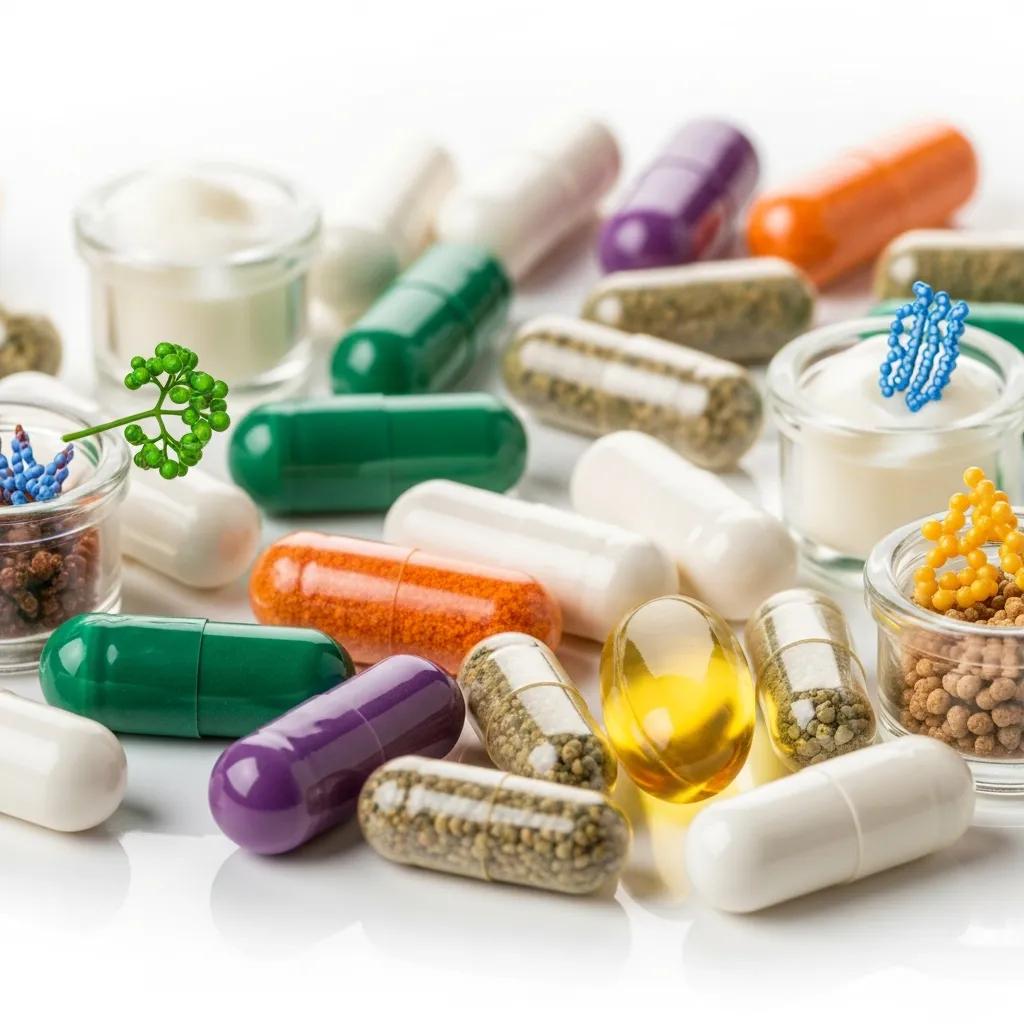
Several well-studied genera and species consistently benefit digestion, each acting in specific ways and clinical settings. Lactobacillus strains commonly support the barrier and reduce bloating by producing acid and competing with pathogens. Bifidobacterium species tend to encourage SCFA production and regular bowel movements, improving stool consistency and transit. Saccharomyces boulardii, a probiotic yeast, has strong evidence for preventing and treating antibiotic-associated and traveler’s diarrhea. Current evidence shows you get better results when you match the strain to the condition, so choose products that list specific strain designations rather than only the genus name.
What are the key benefits of probiotics for a healthy gut?
Probiotics offer several practical, research-supported benefits for digestion and overall gut health.
- Improve regularity: Certain strains reduce constipation and help normalize bowel movements.
- Reduce diarrhea severity: Probiotics can shorten the duration and lower the frequency of acute and antibiotic-associated diarrhea.
- Decrease bloating and gas: Some formulations ease fermentation-related discomfort and abdominal distension.
- Support barrier and immune function: By strengthening the mucosa and modulating inflammation, probiotics can reduce symptom flares.
These benefits usually appear over weeks; many people notice changes in 2–4 weeks, with fuller effects after 4–8 weeks of consistent use.
How Do Probiotics Improve Digestion and Digestive Comfort?
Probiotics help digestion by shifting microbial metabolism, influencing gut motility, and producing metabolites that feed colon cells and regulate secretions. SCFAs from fermentation lower colonic pH and aid nutrient absorption, while microbial competition limits pathogen overgrowth that can cause discomfort. When strains are well-matched to the problem, these actions can relieve bloating, loose stools, and slow transit. Knowing which mechanisms relate to specific symptoms sets realistic expectations and helps decide when to seek medical advice.
Quality of evidence varies by condition, so weigh the strength of the data against your symptoms. The list below summarizes where probiotics have the most support.
- Irritable bowel syndrome (IBS): Moderate evidence that multi-strain probiotics reduce overall symptom severity.
- Antibiotic-associated diarrhea: Strong evidence for certain Lactobacillus strains and Saccharomyces boulardii.
- Constipation: Moderate evidence that Bifidobacterium and some Lactobacillus strains improve stool frequency.
Can probiotics help with common digestive issues?
Yes — many common digestive complaints respond to appropriately selected probiotics, though individuals vary in response. For antibiotic-related and traveler’s diarrhea, Saccharomyces boulardii and select Lactobacillus strains have the most consistent support. For IBS, multi-strain formulas often offer modest improvements in bloating, pain, and stool form. For constipation, Bifidobacterium strains can increase frequency and soften stools. If symptoms are severe, ongoing, or include alarm signs, consult a healthcare professional to rule out other causes before relying on probiotics alone.
How do probiotics support nutrient absorption and gut balance?
Probiotics help nutrient processing by producing enzymes and SCFAs that aid carbohydrate fermentation, vitamin production, and bile-acid modification. SCFAs like butyrate feed colon cells and reinforce the barrier, which reduces nutrient loss and limits inflammation-driven leakage. Some probiotic enzymes also help digest lactose and other substrates, easing intolerance symptoms. Together, these actions support more efficient nutrient absorption and a balanced microbiome, especially when combined with adequate dietary fiber.
What Are the Best Probiotic Supplements for Gut Health?
Picking the best probiotic supplement depends on strain specificity, CFU potency, formulation stability, and clinical evidence for your goal. A simple checklist helps turn the science into smart shopping: favor transparency and match the product to the condition you want to treat. Look for named strains, CFU guaranteed through expiry, clear storage instructions, and third-party verification when available. Using these criteria raises the odds of choosing an effective supplement for digestive support.
Before the comparison table, here is a short checklist to use when evaluating probiotic products:
- Strain specificity listed: Prefer products that name genus, species, and strain.
- CFU at expiry indicated: Choose formulations that guarantee potency through shelf life.
- Evidence match to condition: Select strains with clinical trials for your symptom.
| Strain (example) | Typical Dose / CFU | Common Benefit or Target Condition |
|---|---|---|
| Lactobacillus rhamnosus GG | 1–10 billion CFU | Reduces antibiotic-associated diarrhea |
| Bifidobacterium lactis | 1–5 billion CFU | Improves stool frequency and form |
| Saccharomyces boulardii | 250–500 mg | Prevents traveler’s and antibiotic-related diarrhea |
How to choose probiotic supplements based on strains and potency?
Begin by naming the digestive outcome you want, then pick strains that have trial evidence for that outcome and confirm the product provides an adequate CFU dose. Use single-strain products when one strain has strong evidence for your issue; choose multi-strain formulas when you want broader symptom coverage. Plan a trial of 4–12 weeks and track symptoms to judge benefit. Consistency and matching strain to condition are the two most important rules for finding an effective supplement.
What should you look for in quality probiotic products?
Check label clarity, potency guarantees, and manufacturing standards. Good products list genus, species, and strain; state CFU at expiry; give storage guidance (room temperature vs. refrigeration); and provide third-party testing or certificates of analysis when available. Avoid vague claims without strain details, and be wary of products that don’t guarantee potency or supply handling instructions. Prioritizing these quality markers helps ensure the microbes you take are likely to survive and deliver the intended digestive benefit.
How Can You Incorporate Probiotics into Your Daily Routine?

Adding probiotics to daily life combines food sources, targeted supplements, and dietary patterns that support a resilient microbiome. Regular consumption, pairing probiotics with prebiotic fibers, and timing around antibiotics or meals can improve survival and effectiveness. Practical steps include adding fermented foods to your meals, choosing evidence-backed supplements for specific concerns, and keeping a fiber-rich diet to feed beneficial microbes. Small, steady habits add up to real improvements in digestion and gut balance.
Which foods naturally contain beneficial probiotics?
Fermented foods can supply live cultures that help diversify the gut when eaten regularly. Yogurt with live cultures, kefir, sauerkraut, kimchi, and some unpasteurized fermented pickles are common choices; pasteurized or heat-treated products may not contain live microbes. Kombucha and fermented soy products (natto, miso) can also add beneficial strains, though CFU counts and strain types vary by producer. Eating a variety of fermented foods offers different microbial exposures and pairs well with supplements when you need specific strains.
What are simple tips for maximizing probiotic benefits?
Consistency and supportive dietary choices boost probiotic effects and help maintain digestive gains.
- Pair with prebiotic fiber: Foods like leeks, onions, garlic, and oats feed beneficial microbes.
- Take reliably: Daily intake increases the chance of sustained benefit.
- Time around antibiotics: Space probiotics several hours away from antibiotics and consider continuing probiotics for a period after finishing a course.
These habits, combined with realistic timelines, can deliver measurable improvements in digestion while helping you know when to seek clinical care if symptoms persist.
Frequently Asked Questions
1. How long does it take for probiotics to show effects on digestion?
Time to notice benefits varies. Many people feel changes in 2–4 weeks for symptoms like bloating or irregular stools. More complete improvements in gut health and regularity often appear after 4–8 weeks of consistent use. Strain choice, dose, and your starting gut health all influence how quickly you’ll see results, so patience and steady use are important.
2. Are there any side effects associated with taking probiotics?
Probiotics are generally safe for most people, but some experience mild side effects when they start, such as increased gas, bloating, or temporary digestive discomfort. These usually settle within a few days. People with serious health conditions or weakened immune systems should check with a healthcare professional before starting probiotics to avoid potential risks.
3. Can children take probiotics, and are there specific strains recommended for them?
Yes — children can benefit from probiotics, and some strains are well studied in pediatric use. Lactobacillus rhamnosus and Bifidobacterium lactis have shown positive effects in children, including reducing some types of diarrhea and supporting gut balance. Always choose age-appropriate formulations and talk to a pediatrician to ensure safety and the right strain for your child’s needs.
4. How do prebiotics differ from probiotics, and why are they important?
Prebiotics are non-digestible fibers that feed beneficial gut bacteria; probiotics are the live microbes themselves. Prebiotics support the growth and activity of probiotics, so combining both helps maintain a healthier microbiome. Foods like garlic, onions, leeks, asparagus, and bananas are good natural prebiotic choices.
5. Can probiotics help with weight management or obesity?
Research suggests some probiotic strains may support weight management and metabolic health. Certain Lactobacillus strains have been associated with reduced fat mass and improved metabolic markers in studies. Still, probiotics are not a standalone solution — they work best alongside a balanced diet and regular exercise as part of an overall weight-management plan.
6. Are there specific dietary restrictions to consider when taking probiotics?
Most people can take probiotics without special dietary restrictions, but those with lactose intolerance should be cautious with dairy-based probiotic foods like yogurt and kefir. Also check labels for allergens or ingredients you need to avoid. Maintaining a balanced, fiber-rich diet helps probiotics work better.
7. How should probiotics be stored to maintain their effectiveness?
Proper storage matters for probiotic viability. Keep supplements in a cool, dry place away from direct sunlight and moisture. Some products require refrigeration to stay potent, especially those with live cultures. Always follow the product label for storage instructions and verify any refrigeration requirements to preserve effectiveness.