Keep Your Child Safe: Child-Proof Medicine Storage Solutions
Proper Storage of Medications for Safety & Efficacy: Essential Guidelines for Your Family’s Health
Proper medication storage means keeping pharmaceuticals in conditions that preserve potency and prevent accidental harm. When medications are stored at inappropriate temperatures, exposed to moisture, or transferred into unlabeled containers, their chemical stability and safety can decline, increasing the risk of reduced efficacy or accidental ingestion. This guide explains practical, family-focused storage practices you can use at home to protect children and maintain medication effectiveness, covering ambient conditions, child-proofing, expiration dates and disposal, and special handling for temperature-sensitive drugs like insulin. You will find clear rules, quick checklists, and compact reference tables to make everyday decisions easier, plus when to consult a pharmacist for medicine-specific guidance. Read on to learn how to organize your medicine cabinet, control temperature and humidity, child-proof storage, interpret expiration dates, and travel safely with refrigerated or specialty medications.
What Are the General Medication Storage Guidelines for Safety and Efficacy?
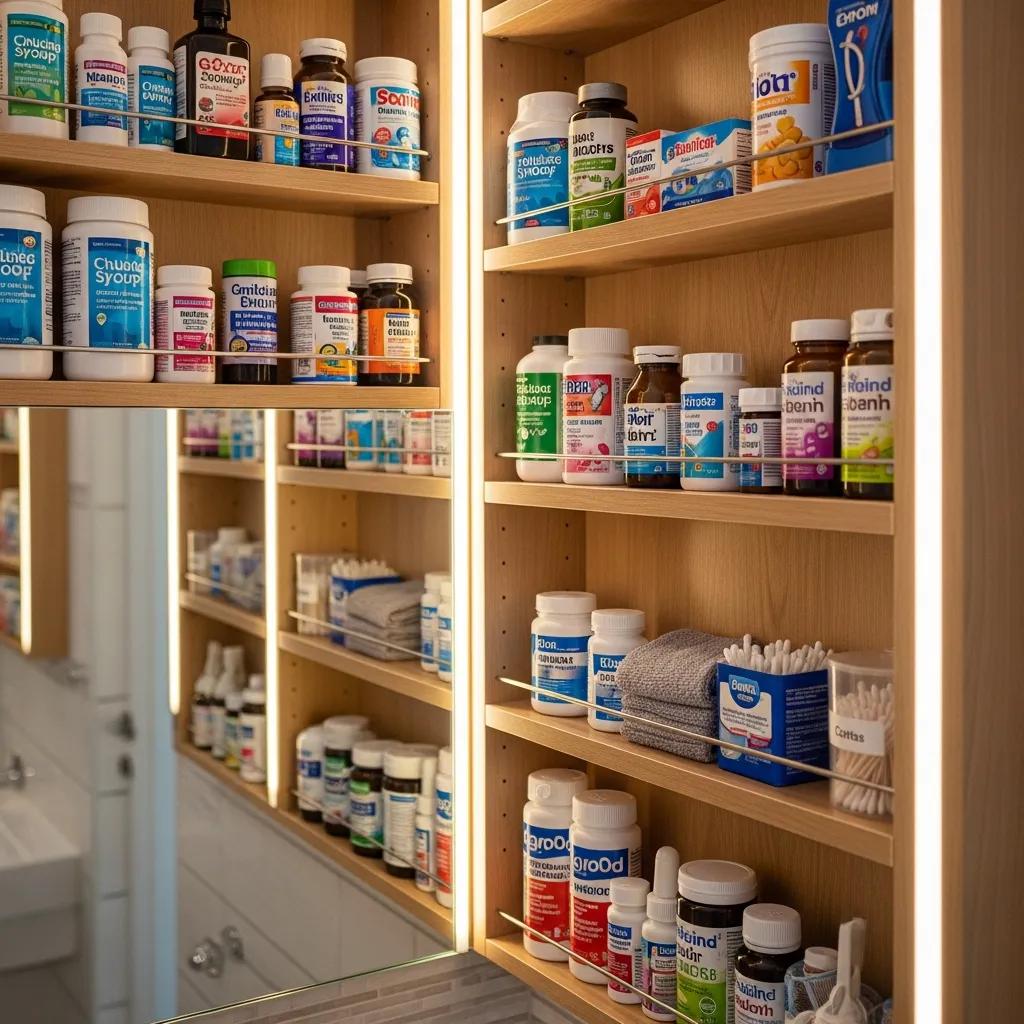
General storage guidelines keep medicines potent and reduce risks by controlling environment, packaging, and access. Store most oral solid medications at controlled room temperature, protected from moisture and sunlight, in their original container with the label intact to preserve dosing and safety information. Keep medicines out of bathrooms and off kitchen counters where humidity and heat fluctuate; select a cool, dry, dark spot such as a high closet shelf or locked cabinet instead. These basic rules help both drug safety and household poisoning prevention, and they lead naturally into how to control specific environmental factors.
Medications stored correctly maintain potency and safety; the following quick rules summarize core practices.
- Store medicines at room temperature unless label instructs otherwise.
- Keep items in original containers with child-resistant caps.
- Protect from moisture, heat, and direct sunlight by choosing dry, dark locations.
These three rules create a strong baseline for safe storage and reduce common errors that cause degradation or accidental ingestion.
Before the detailed table, note that Value Drugstore pharmacists are a local resource for personalized storage questions and can clarify unusual labeling or special handling for particular prescriptions. Ask a pharmacist if a medicine’s label is unclear or if you need a storage recommendation tailored to your household.
Different medication types map to practical household storage choices in this quick-reference table.
| Medication Type | Storage Location | Key Rule |
|---|---|---|
| Over-the-counter tablets/capsules | Cool, dry cabinet away from sink/bathroom | Keep in original bottle; avoid humidity |
| Prescription oral liquids | Refrigerator or cabinet per label | Note “store in fridge” on label if required |
| Topicals (creams, ointments) | Dark, cool cabinet or original tube | Close cap tightly; avoid heat exposure |
| Inhalers and aerosols | Room temperature, dry area | Keep away from extreme heat and freezing |
This table clarifies common home choices and highlights the importance of following label directions. Use it as a baseline when organizing household medications.
How Should Temperature, Humidity, and Light Be Controlled When Storing Medications?
Temperature, humidity, and light each accelerate chemical or physical changes in medicines, so controlling these factors preserves efficacy. High humidity promotes hydrolysis and mold growth in tablets and capsules, while heat speeds degradation and light can break down light-sensitive compounds; keeping medicines within a moderate room-temperature range and in opaque containers reduces these risks. For most non-refrigerated meds, aim for roughly 20–25°C (68–77°F) and relative humidity below 60% when possible; avoid bathrooms and window-facing shelves where humidity and sunlight spike. Understanding these environmental mechanisms helps you choose storage locations that minimize potency loss over time.
Controlling environment transitions naturally to preserving original packaging and labeling, which further protects medicines from damage and misuse.
Why Is Keeping Medications in Original Containers Important?
Original containers combine labeling, desiccants, and child-resistant features that together support safe, effective use of medications. Labels provide drug name, strength, directions, lot number and expiration date that are essential for correct dosing and for assessing safety if a reaction occurs; desiccants and seals reduce moisture exposure that can degrade sensitive formulations. Moving pills into unmarked containers increases the risk of dosing errors and accidental ingestion, especially in households with multiple users or children. Keeping items in their original packaging also preserves legal and safety information that pharmacists and clinicians rely on when advising patients.
Retaining packaging connects directly to safe handling at home and to child-proofing strategies for households with young children.
How Can You Child-Proof Your Medicine Storage to Prevent Accidental Ingestion?
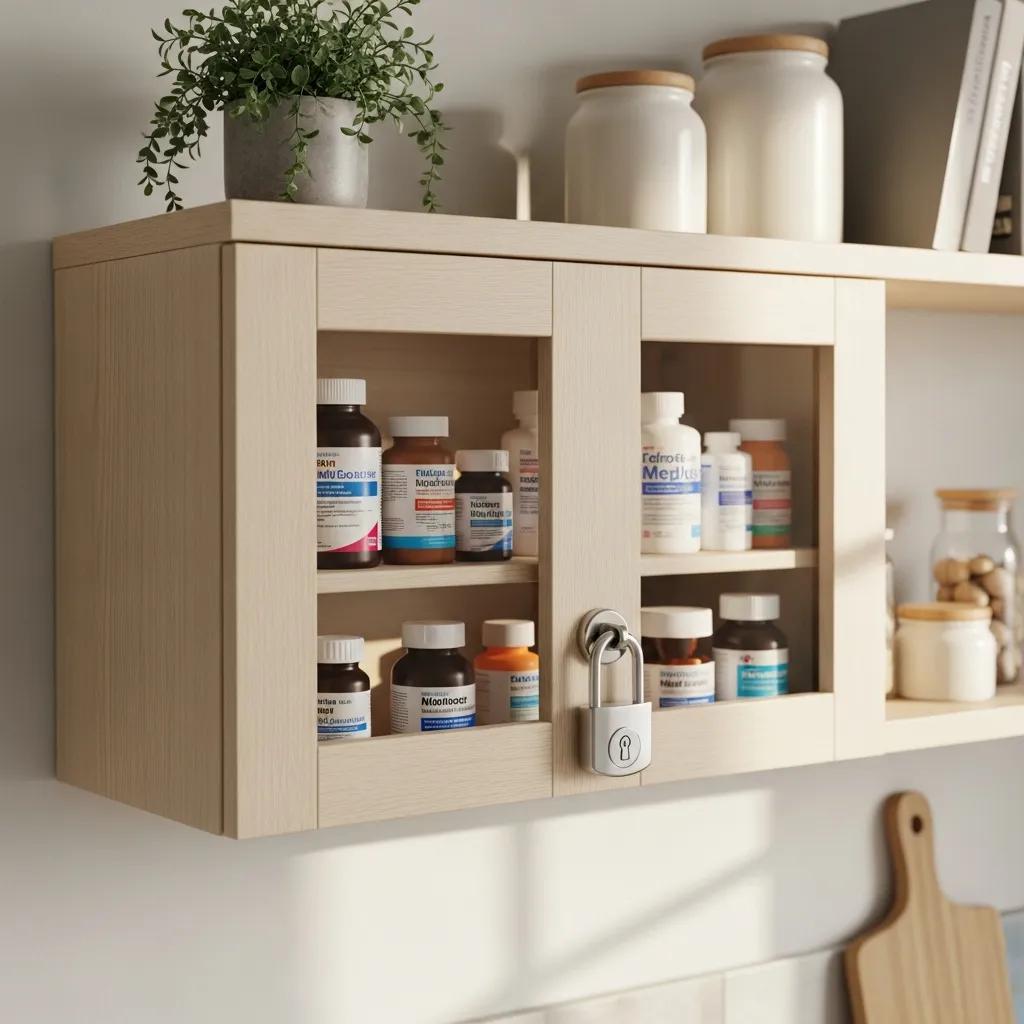
Child-proofing medicine storage reduces the risk of accidental ingestion by combining placement, barriers, and education. Store medicines up high and out of sight, use locked cabinets or boxes, and keep only the medications you need at home to limit quantities accessible to curious hands. Child-resistant caps and packaging add a layer of protection, but they are not fail-safe; combining caps with locked storage and caregiver supervision creates stronger safety. These steps lower accidental poisoning incidents and create predictable storage behavior that supports long-term family safety.
Practical child-proofing steps are straightforward and actionable for caregivers.
- Store medicines up high and out of sight, not in bathrooms or on counters.
- Use a locked cabinet or a medication lock box for households with toddlers.
- Keep purses, backpacks, and young-adult prescriptions secured and monitored.
Following these steps reduces immediate access and supports ongoing supervision and education about medicine safety.
What Are Effective Strategies for Safe Medicine Storage Around Children?
Effective strategies use placement, locking, and education together to create multiple barriers to access. Place medicines on high shelves or in locked cabinets, install cabinet locks where children reach, and remove unused or expired items promptly to reduce temptation and confusion. Teach older children and teens about medicine safety and supervise any legitimate medication use, noting that adolescent misuse requires additional monitoring and conversation. Consistent routines—such as keeping a single designated storage spot—help caregivers maintain control and make it easier to notice when something is missing.
These household practices naturally lead to considering specific packaging and storage products that further limit child access.
Which Child-Resistant Packaging and Storage Solutions Are Recommended?
Child-resistant caps reduce access but are only one component of a layered approach; locks and locked boxes provide stronger barriers in homes with young children. Rated cabinet locks, lockable medicine boxes, and high-shelf placement each have pros and cons: caps are convenient for daily use, while locks add deliberate effort to access, which is effective for toddlers. Consider using a locked container for opioid or high-risk prescriptions and combine that with clear labeling and caregiver protocols for pill organizers. For product options and pharmacist-recommended packaging choices, ask Value Drugstore pharmacists about child-safety products and packaging solutions available in-store—they can suggest combinations that suit your household needs.
Choosing appropriate products complements education and placement strategies to reduce accidental ingestion risk.
What Do Medication Expiration Dates Mean and How Should Expired Drugs Be Disposed Of Safely?
Expiration dates indicate the date until which the manufacturer guarantees full potency and safety under labeled storage conditions; beyond that date, effectiveness may decline or the product may be unsafe. The term “expiration” differs from “beyond-use date” used by some compounding pharmacies, and liquid or opened products often have shorter recommended use windows after opening. Avoid using critical medications past expiration, particularly antibiotics, nitroglycerin, and injectables where loss of potency can be dangerous; for lower-risk OTC items the risk may be less but cautious disposal is recommended. Understanding these distinctions helps you prioritize which items to replace promptly and which require careful disposal.
The following table summarizes common drug classes, what expiration means for them, and disposal recommendations.
| Drug Class | What Expiration Date Means | Disposal Recommendation |
|---|---|---|
| Prescription antibiotics | Potency may decline; avoid use after expiry | Use take-back or mail-back disposal |
| Topicals/creams | May separate or grow microbes after expiry | Seal and dispose via take-back if available |
| Injectables/biologics | Potency and sterility concerns | Follow provider/pharmacy guidance; do not use |
| OTC pain relievers | Reduced potency; generally low immediate risk | Use take-back or household disposal per guidance |
This table helps prioritize unsafe classes and guides disposal choices based on risk. Use take-back programs when available for optimal safety and environmental protection.
When official take-back programs are unavailable, household disposal can be used cautiously. Mix medicines with undesirable material (coffee grounds or kitty litter), place the mixture in a sealed bag, remove personal information from labels, and discard in household trash as a last resort. For definitive local options, contact your pharmacist—Value Drugstore can advise on local DEA/FDA take-back resources or pharmacy disposal services if available in your area rather than assuming availability.
How Can You Understand and Monitor Medication Expiration Dates?
Monitoring expiration dates requires simple routines and clear labeling to avoid accidental use of expired products. Keep an inventory with expiration dates written on a list or smartphone reminder, note the date you open liquids or eye drops, and check bottles when organizing the cabinet to remove expired items promptly. Understand label language: “EXP” denotes the official expiration date, while compounded medicines often have a shorter beyond-use date set by the pharmacy. Creating a quarterly check routine helps households stay current and reduces accumulation of outdated medications.
Routine monitoring ties directly to selecting proper disposal methods when items reach end-of-life.
What Are the Best Practices for Safe and Environmentally Friendly Medication Disposal?
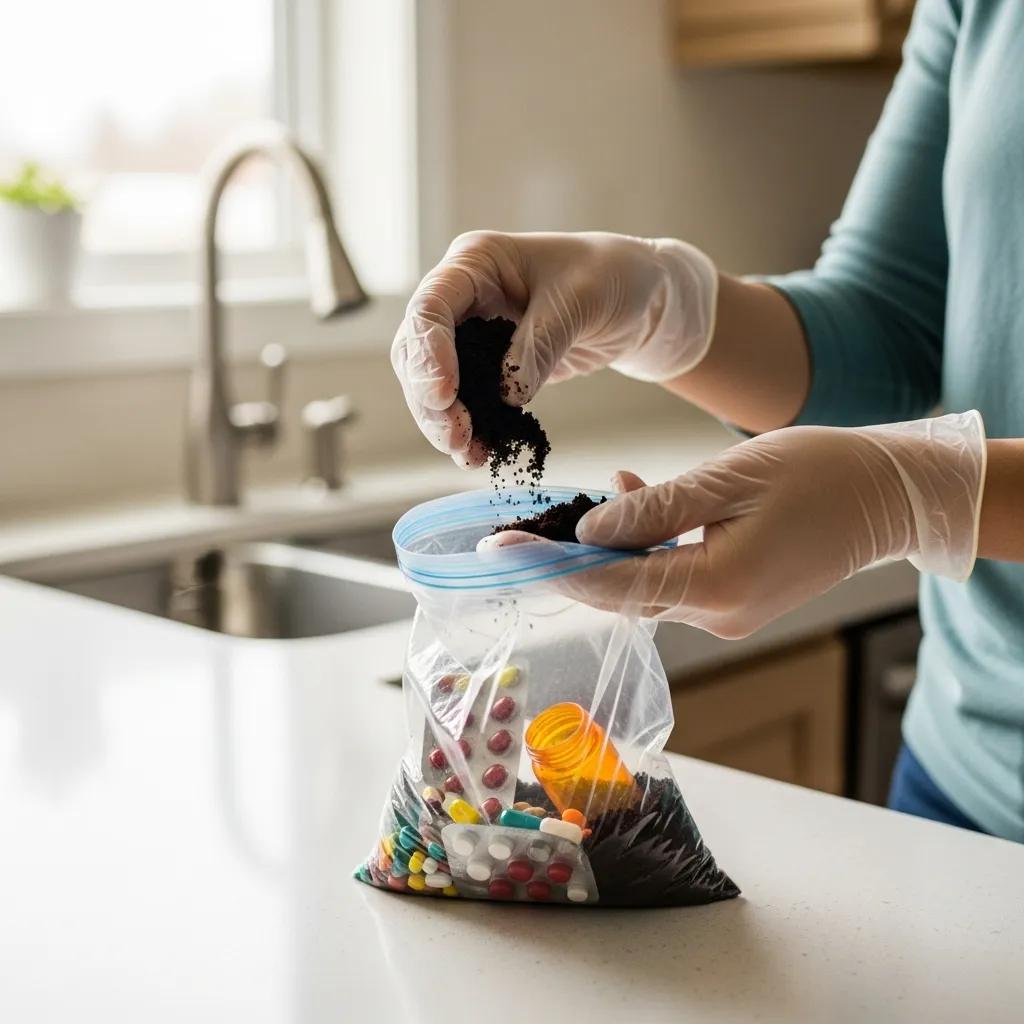
Safe disposal balances household safety with environmental responsibility by using official take-back programs first, mail-back services second, and careful household disposal only when other options are unavailable. Take-back events or designated drop-off locations minimize environmental release and are the preferred method; mail-back envelopes provided by some programs are an effective alternative. If neither option is accessible, mix medicines with undesirable material, seal them, and discard in the trash, and always remove personal information from labels to protect privacy. These ranked options reduce accidental ingestion and environmental contamination while aligning with regulatory guidance.
These disposal practices lead naturally into special handling needs for refrigerated and temperature-sensitive drugs discussed next.
How Should Temperature-Sensitive and Special Medications Be Stored for Maximum Efficacy?
Temperature-sensitive and specialty medications require stricter controls because potency can fall quickly when exposed to heat, cold, or freeze–thaw cycles. Refrigerated drugs generally need consistent cold storage, while some biologics and injectables have narrow stability ranges; following label instructions and minimizing time out of recommended temperature ranges preserves clinical effect. For household refrigerators, store medications in the main compartment away from the door, monitor temperatures with a simple thermometer, and avoid the freezer unless the label explicitly permits freezing. Understanding these requirements helps prevent reduced efficacy for critical therapies and supports safe transport when traveling.
The next subsection covers precise refrigerated ranges and insulin-specific handling details.
| Medication (e.g., Insulin) | Required Temperature Range | Storage Tip |
|---|---|---|
| Insulin (many types) | 2–8°C (36–46°F) when refrigerated | Store in main fridge compartment; avoid door |
| Some biologics | Typically 2–8°C or per label | Keep in original box with cold pack for transit |
| Room-temp solids | 20–25°C (68–77°F) | Keep in closed cabinet away from heat sources |
This table summarizes common temperature categories and practical storage tips to reduce potency loss for sensitive medicines.
What Are the Storage Requirements for Refrigerated and Sensitive Drugs Like Insulin?
Refrigerated drugs typically require a stable 2–8°C (36–46°F) environment to retain potency, with short-term exposure to room temperature allowed for certain products per label. Place insulin and similar products in the refrigerator’s main body—not the door—to avoid temperature swings, and keep them in original packaging to shield from light and temperature fluctuations. Monitor fridge temperature periodically using an appliance thermometer and follow manufacturer guidance on how long a product can be kept at room temperature after opening. For exact limits and product-specific advice, consult the medication label and speak with a pharmacist.
Safe travel with temperature-sensitive meds is the next practical consideration and requires planning and appropriate containers.
How Can You Safely Travel with Temperature-Sensitive Medications?
Traveling with refrigerated medicines requires insulated carriers, validated cold packs, and keeping medications in carry-on luggage to maintain the cold chain. Use an insulated cooler or travel case with gel packs rated for medical transport, avoid checked luggage where temperatures vary, and keep documentation or prescription labels handy in case of inspection. Limit time out of controlled storage during transit, and when in doubt consult your pharmacist for device-specific advice or packaging recommendations tailored to the medication. These steps help preserve efficacy during transit and reduce the risk of unexpected temperature exposure.
For personalized travel solutions or to discuss validated cold packs and packaging, ask your pharmacist for recommendations suited to your medication needs.
Value Drugstore pharmacists can answer medication-specific questions, suggest storage products, and advise on disposal and travel options tailored to your prescriptions. They serve as a local resource for clarifying labels, recommending child-safety products, and directing you to appropriate take-back programs when available. For individualized guidance about your medicines’ storage or disposal, consult the pharmacy team at Value Drugstore.