
Master Your Child's Immunization Schedule: Key Vaccine Info
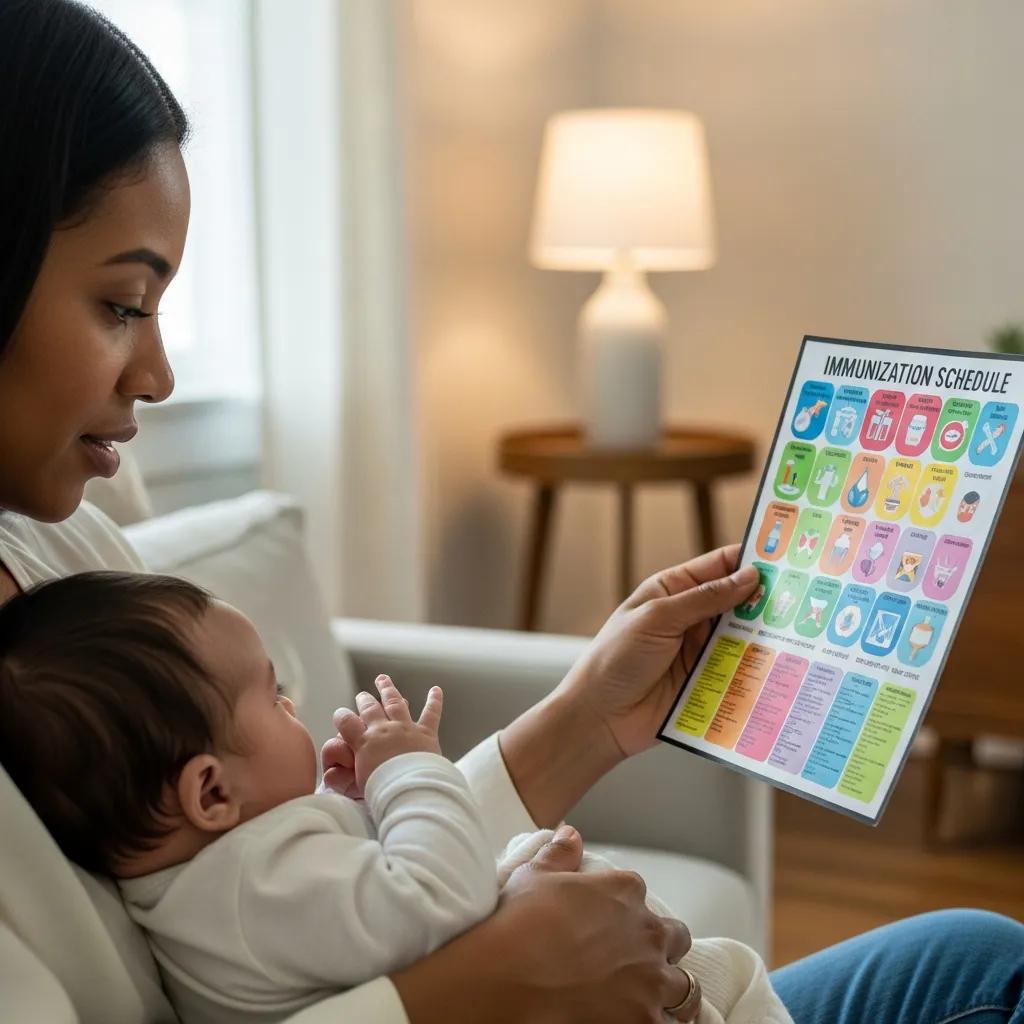
Understanding Your Child's Immunization Schedule — Complete 2025 Childhood Vaccine Guide
The 2025 childhood immunization schedule lists the vaccines recommended at each age to protect kids from serious illnesses and to help communities stay healthy through timely doses and boosters. In this guide we’ll walk through the shots commonly given from birth through the teen years, explain why CDC/AAP timing matters for the best protection, and offer practical steps parents can use to track records and handle common safety questions. Many parents face confusing timelines, online misinformation, and worries about side effects; this article gives clear, evidence-focused answers and printable-style quick references to help you plan. Value Drugstore: Your Family Deserves the Best in Care appears here as a family-focused source of helpful information aligned with national guidance — clinical choices and vaccine administration are decisions for your child’s licensed provider. Keep reading for an age-by-age schedule, straightforward safety answers, tracking tools, and resources to follow the 2025 pediatric immunization recommendations with confidence.
What Is the 2025 Childhood Vaccine Schedule by Age?
The 2025 schedule groups recommended pediatric vaccines by age so protection is given when children are most vulnerable and to build lasting immune memory. Sticking to the schedule narrows the window when infants and young children are most at risk by ensuring primary series and boosters happen at recommended intervals. Below is a simple age-by-age checklist — a quick reference for parents who want one glance before diving into the details.
- Birth to 2 months: Begin newborn hepatitis B series and follow newborn screening steps.
- 2, 4, 6 months: Primary series for DTaP, IPV, Hib, PCV, rotavirus — plus flu vaccine when a child is old enough.
- 12–15 months: MMR, varicella, PCV booster, start hepatitis A series, and any needed catch-up doses.
This quick checklist previews the vaccine table and the infant/toddler details below so you can match appointments to the recommended timing.
Which Vaccines Are Recommended for Infants and Toddlers?
Vaccines given in infancy and toddlerhood form the core protection that prevents serious early-life infections. Repeated, timed doses build immune memory to keep children safe as they grow. Typical vaccines given from birth through 18 months include hepatitis B; DTaP (diphtheria, tetanus, pertussis); Hib (Haemophilus influenzae type b); IPV (polio); PCV (pneumococcal conjugate); rotavirus; seasonal influenza when age-eligible; and MMR and varicella around 12–15 months. Mild reactions — like a short fever or soreness at the injection site — are common and usually fade in a day or two; they’re a normal sign the immune system is responding. If a child misses doses, official catch-up schedules let providers finish the series safely.
Before the table below, this compact guide links vaccine names to recommended ages and a brief note on purpose for quick scanning.
| Vaccine | Recommended Age / Dose | Purpose / Key Notes |
|---|---|---|
| Hepatitis B (HepB) | Birth, 1–2 months, 6–18 months (series) | Protects the liver and prevents transmission from mother to baby |
| DTaP | 2, 4, 6 months; booster at 15–18 months | Prevents diphtheria, tetanus, and pertussis (whooping cough) |
| Hib | 2, 4, (6) months; booster 12–15 months | Prevents meningitis and invasive Hib infections |
| IPV (polio) | 2, 4, 6–18 months; booster 4–6 years | Protects against poliomyelitis and paralysis |
| PCV (pneumococcal) | 2, 4, 6 months; booster 12–15 months | Reduces risk of pneumonia and invasive pneumococcal disease |
| Rotavirus | 2, 4 (and possibly 6) months | Prevents severe diarrheal illness in infants |
| MMR | 12–15 months; second dose at 4–6 years | Protects against measles, mumps, and rubella |
| Varicella | 12–15 months; second dose at 4–6 years | Prevents chickenpox and related complications |
Which Vaccines Should Children Receive Between Ages 2 and 6?
Preschool-age doses finish primary series and prepare children for school-entry health requirements, helping maintain both personal and community protection. Key items between ages 2 and 6 include second doses of MMR and varicella if not yet given, the DTaP booster, IPV booster, and yearly influenza vaccination when recommended. These doses strengthen the immune memory built in infancy and lower the risk of outbreaks at daycare or kindergarten. If earlier shots were missed, catch-up guidance outlines safe intervals to complete the series.
Keep a short checklist of common boosters and school-entry requirements to align well-child visits with recommended timing and documentation needs.
Why Are Childhood Vaccines Important for Your Child’s Health?
Childhood vaccines protect children from serious — sometimes life-threatening — diseases by training the immune system to recognize germs and respond quickly. Vaccination lowers severe illness and hospitalizations for vaccine-preventable diseases and builds herd immunity that helps protect infants and medically vulnerable community members. Recent research and public-health monitoring show timely immunization prevents outbreaks and long-term complications from illnesses like measles and pertussis. Knowing these benefits helps parents weigh the strong community-level advantages alongside the direct protection for their child.
Childhood vaccination provides three main public-health benefits that protect children and the communities they live in:
- Disease prevention: Vaccines sharply lower the chance of infection and serious outcomes from targeted diseases.
- Herd immunity: High vaccination coverage reduces spread and protects those who can’t be vaccinated.
- Long-term protection: Early vaccination prevents lasting complications and eases the burden on families and the health system.
These reasons explain why following CDC/AAP recommendations remains a central strategy for protecting kids and communities, and they lead into how vaccines actually deliver that protection biologically.
How Do Vaccines Protect Against Common Childhood Diseases?
Vaccines safely expose the immune system to a part of a germ (an antigen), prompting antibody production and immune memory without causing the disease itself. This trains immune cells to recognize and respond quickly if the child ever encounters the real pathogen, preventing illness or lessening its severity. For example, the measles vaccine triggers neutralizing antibodies that block the virus from infecting cells — a change that has dramatically lowered measles hospitalizations where vaccine coverage is high. Immune memory also explains why boosters and multi-dose series strengthen and extend protection over time.
Knowing how vaccines work clarifies why timing and dose intervals matter and why following the recommended schedule gives the best protection.
What Are the Benefits of Following the CDC Immunization Schedule?
Following the CDC immunization schedule times vaccines when children are most at risk and when their immune systems respond best, producing stronger, longer-lasting protection. Keeping to the schedule simplifies clinical decisions, reduces the need for complex catch-up plans, and helps schools and childcare centers confirm required immunizations to reduce outbreak risk. The schedule is based on evidence from clinical trials and public-health surveillance, which together optimize safety and effectiveness. When parents follow the schedule they help maintain community protection and lower the chance of disruptive disease outbreaks.
To show disease-specific benefits, the table below links common vaccines to the outcomes they prevent and the main public-health advantages.
| Disease | Vaccine | Prevented Outcomes / Benefits |
|---|---|---|
| Measles | MMR | Prevents fever, rash, encephalitis, and community outbreaks |
| Pertussis (Whooping cough) | DTaP | Reduces severe coughing illness and infant hospitalizations |
| Pneumococcal disease | PCV | Lowers rates of pneumonia, meningitis, and invasive disease |
Childhood Immunization in the US: Recommendations and Compliance
Vaccinating children remains one of the most powerful public-health tools to control disease, yet some parents choose to delay or decline vaccination for a mix of reasons. A range of strategies has been proposed to improve vaccine uptake.
1. Vaccination is a highly effective public-health approach to prevent disease, but a subset of parents delay or forgo childhood vaccines. Multiple interventions have been suggested to address vaccine noncompliance.
2. This article is the first of two on immunization in the United States. Part 2 will cover adult vaccination, the role of pharmacists, and considerations for pharmacy and therapeutics (P&T) committees.
3. In efforts to reduce childhood illness and death, the CDC’s Advisory Committee on Immunization Practices (ACIP) issues annual recommendations for childhood and adolescent immunizations. Despite this, some parents delay or follow alternative schedules for medical, religious, philosophical, or socioeconomic reasons. Provider-based strategies to improve adherence include clear counseling, easier access to vaccines, maximizing office visit opportunities, offering combination vaccines, and using electronic medical records and alerts. Community and government approaches include public education, reminder/recall systems, financial incentives, and alternative vaccination venues.
Immunization in the United States: recommendations, barriers, and measures to improve compliance: part 1: childhood vaccinations, 2016
What Are Common Parental Questions About Child Vaccine Safety?

Parents often ask about vaccine safety, side effects, and whether giving several vaccines at once is too much for a child’s immune system. Clear, evidence-based answers help reduce anxiety and guide decisions. Vaccine safety relies on strong pre-licensure trials and ongoing post-marketing surveillance to spot rare events and update recommendations. Most short-term reactions are mild and self-limited; serious adverse events are rare and closely monitored. Below are concise answers to the questions parents ask most.
- Are vaccines safe for babies and young children? Yes — vaccines recommended for children undergo clinical testing and continuous safety monitoring to make sure benefits outweigh risks.
- Can vaccines overload a baby’s immune system? No — research shows routine vaccinations do not overwhelm the immune system; everyday exposures present far more antigens than vaccines do.
- What if my child has a reaction? Most reactions are mild and go away on their own; serious events are rare and evaluated by healthcare teams and public-health authorities.
These short answers offer quick reassurance and lead into brief explanations of safety monitoring and the evidence behind vaccine recommendations.
Are Childhood Vaccines Safe for Babies and Young Children?
Yes — recommended childhood vaccines have well-established safety records based on clinical trials and continuous monitoring systems that look for rare adverse events. Public-health organizations review trial results, post-licensure surveillance, and reporting systems to detect patterns that may need investigation. Common side effects include a short fever, fussiness, or soreness at the injection site; these usually resolve quickly and are signs the immune system is responding. Understanding how safety monitoring works can help parents feel informed and ready to talk with their pediatrician.
This safety overview connects naturally to the related myth about immune overload and the scientific evidence that addresses it.
Can Vaccines Overload a Baby’s Immune System?
No — infants’ immune systems handle thousands of microbes and antigens every day; vaccines expose children to a tiny, controlled number of antigens that safely build immunity. Immunology research shows vaccine antigens are a small fraction of what babies encounter in daily life and do not impair immune development. Simple analogies comparing everyday microbial exposures to vaccine antigen load can help parents see the difference and understand why vaccines are safe. This evidence-based clarification helps correct a common misconception and supports timely vaccination.
How Can Parents Keep Track of Their Child’s Immunization Records?
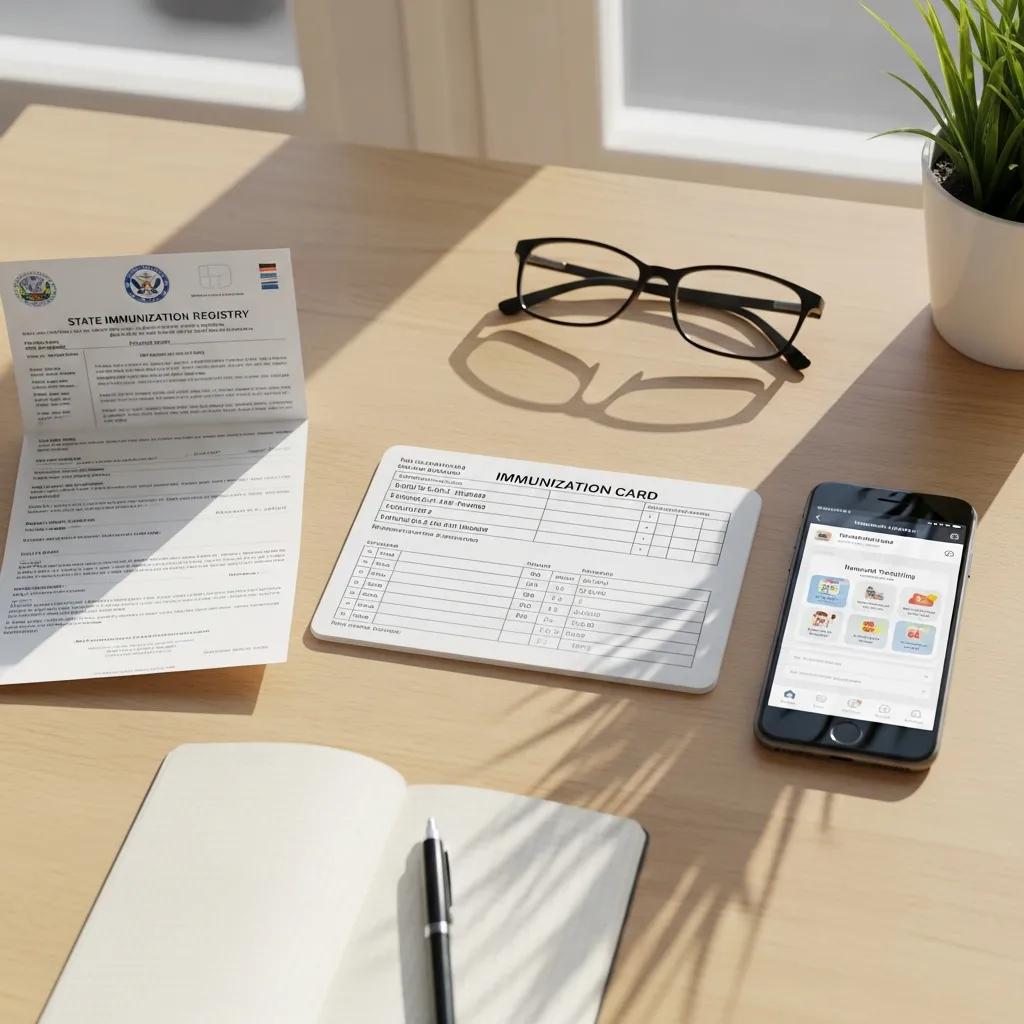
Good record-keeping helps ensure kids get timely doses, meets school or childcare requirements, and makes catch-up planning easier if doses are missed. Parents can use a paper immunization card, state immunization registries, and secure record apps to store and share records. A simple routine — keep the card in a safe place, upload records to a trusted app, and share copies with new providers — lowers stress around appointments. The next section outlines practical tools and the pros and cons so you can pick what works best for your family.
Here’s a quick comparison to help you choose the right tracking approach for common family needs.
| Tool | Feature | Benefit / Use Case |
|---|---|---|
| Paper immunization card | Portable, simple | Ready proof for appointments and childcare |
| State immunization registry | Centralized, provider-updated | Official record clinicians and schools can access |
| Immunization record app | Digital storage, shareable | Easy access from phones and can store photos of cards |
| Pharmacy record services | Pharmacy-maintained history | Handy when families get vaccines at participating pharmacies |
What Tools and Charts Help Monitor the Baby Immunization Schedule?
Several practical tools can help parents track the infant immunization schedule, each with clear strengths to match family needs. A printable one-page chart gives a quick visual reference for appointments and can be posted near a calendar; state registries offer an official, longitudinal record clinicians can access; immunization apps provide mobile convenience and easy sharing; and pharmacy records can supplement provider documentation where pharmacies participate. Using two complementary methods — one official source plus a portable copy — lowers the chance of missed appointments or lost documentation. These options give families flexibility while keeping records accurate and shareable.
Next, we cover how community health resources can support families through this process.
How Does Value Drugstore Support Your Child’s Immunization Journey?
Value Drugstore: Your Family Deserves the Best in Care is a community-focused pharmacy that provides family-centered health information and preventive-care guidance to help parents make informed vaccination decisions. Our blog covers topics like adult immunization schedules and age-based health checkups, showing our commitment to vaccine awareness and preventive education. While licensed clinicians handle vaccine administration, Value Drugstore supports families with information resources, help printing records, and — where available — services like immunization clinics or consultations. For clinical questions or to confirm vaccine timing and administration for your child, please consult your pediatrician or other licensed healthcare providers and follow guidance from national public-health authorities.
For next steps, review CDC and AAP guidance and talk with your child’s pediatrician or local licensed provider to confirm timing and vaccine choices based on your child’s health history and local recommendations.