
Must-Have International Travel Shots for Your Next Trip

Essential Travel Vaccines for International Trips — Your Complete Guide to Requirements and Travel Health
Travel vaccines lower your risk of catching or spreading infectious diseases while abroad and can meet entry rules for some countries. This guide walks you through the vaccines most commonly required or recommended, how they protect you, and the practical steps to schedule and document shots before you travel. Travelers often have questions about official certificates, timing for multi‑dose series, and destination‑specific risks — the right immunizations help prevent illness and keep your trip on track. Below we map key vaccines (like Yellow Fever and Hepatitis A/B), outline when to get them, summarize regional guidance for Africa, Asia, and South America, and explain where to get shots and manage prescriptions. Our focus is evidence‑based travel medicine and coordinating immunizations with pharmacy services.
Which Travel Vaccines Are Essential for International Trips?
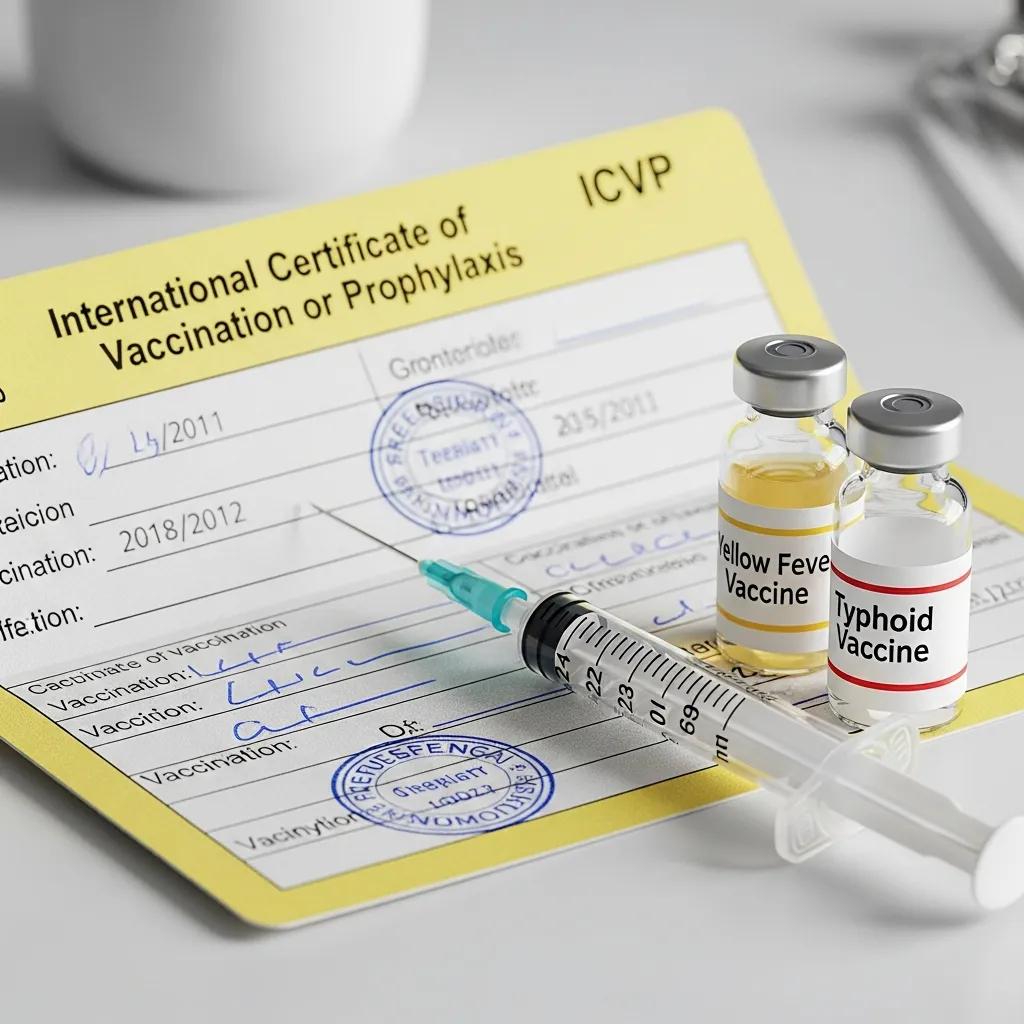
Vaccines help protect travelers by training the immune system to recognize and fight specific pathogens, reducing the chance of serious illness and onward transmission. Some immunizations are also required under international health rules for entry to particular countries. Whether a vaccine is essential depends on your destination, planned activities, and personal health — planning ahead reduces both health risks and travel hassles. The sections that follow list common travel vaccines and explain how mandatory entry rules differ from clinical recommendations meant to protect you.
Common vaccines referenced for international travel include routine adult shots plus destination‑specific immunizations tailored to local risks.
- Yellow Fever vaccine — required by some countries in Africa and South America; one dose usually gives long‑lasting protection.
- Typhoidvaccine — protects against Salmonella Typhi (food and water transmission); recommended for travel to many lower‑resource areas.
- Hepatitis Aand Hepatitis B vaccines — Hepatitis A mainly spreads via contaminated food or water; Hepatitis B spreads through blood and sexual exposure.
- Rabiesvaccine — advised for travelers likely to have animal contact or those staying long‑term in high‑risk regions.
- Japanese Encephalitis vaccine — recommended for extended rural stays or seasonal exposure in parts of Asia.
- Cholera vaccine — considered when traveling to areas with active cholera transmission, outbreaks, or very poor sanitation.
These vaccines fall into two groups: those countries may legally require for entry, and those recommended by health experts to reduce personal risk. We’ll clarify both types below.
Mandatory vs. Recommended Vaccines — What’s the Difference?
A mandatory vaccine is one a country requires for entry and is usually shown on an international vaccination certificate. A recommended vaccine is advised by health authorities because it lowers medical risk but typically isn’t enforced at the border. For example, Yellow Fever vaccination can be mandatory for travelers arriving from, or transiting through, certain countries and may require an official certificate. Vaccines such as Hepatitis A or typhoid are commonly recommended to protect travelers but usually won’t affect entry. Always check both legal entry requirements and clinical recommendations before you travel — rules can change with outbreaks or new guidance.
How Vaccine Requirements Differ by Destination
Requirements and recommendations vary because disease prevalence, outbreak history, ecology, and national public health policies differ by region. Countries where Yellow Fever is endemic or where recent outbreaks occurred may ask for proof of vaccination; other destinations may only recommend shots for certain activities, rural stays, or seasons. Factors like mosquito activity, sanitation, and local healthcare access also shape which vaccines are prioritized. To plan well, consider the local disease ecology and your planned activities, then match vaccines to the exposure risks you expect.
Yellow Fever’s resurgence in parts of Africa after periods of low coverage underscores why ongoing mass vaccination and up‑to‑date certificates matter for outbreak control and travel safety.
Yellow Fever Epidemics in Africa: Vaccine Demand and Impact
The World Health Organization’s EYE (Eliminate Yellow Fever Epidemics) strategy responds to rising global YF risk by estimating disease burden and vaccine impact across affected countries. Researchers used ecological and transmission models, plus serological survey data, to estimate local infections, deaths, and disability‑adjusted life years (DALYs) while accounting for changing vaccination coverage. These models help plan where vaccine campaigns will have the greatest effect on preventing urban and sylvatic transmission cycles.
Eliminating yellow fever epidemics in Africa: Vaccine demand forecast and impact modelling, K Jean, 2020
Past vaccination programs in Africa greatly reduced Yellow Fever incidence for decades, which highlights the value of sustained immunization efforts to prevent future outbreaks.
Yellow Fever in Africa: Disease Burden and Vaccination Impact
Yellow Fever affects humans and primates across tropical Africa and South America; because wildlife reservoirs exist, eradication isn’t feasible, but wide vaccination can dramatically lower human cases. Historical mass vaccination campaigns in parts of Africa cut incidence for many years, yet gaps in coverage allowed resurgence. Since 2006, renewed funding has supported preventive campaigns in high‑risk countries to curb rising disease burden and limit outbreaks.
Yellow fever in Africa: estimating the burden of disease and impact of mass vaccination from outbreak and serological data, NM Ferguson, 2014
What Should Travelers Know About the Most Common Travel Vaccines?
Know each vaccine’s purpose, dosing schedule, how long protection lasts, and major contraindications so you can plan and avoid preventable illness. Travel vaccines range from single‑dose live vaccines to multi‑dose series; some need boosters for long‑term protection. Being clear about side effects and who should avoid certain vaccines helps you and your provider choose the safest, most practical options. The profiles below summarize key vaccines, and the comparison table makes dose and schedule differences easy to scan.
Quick facts travelers use to prioritize shots:
- Yellow Fever: One‑dose live vaccine; may require an international certificate at some borders.
- Typhoid: Available as a single inactivated IM dose or a multi‑dose oral live series; timing differs by formulation.
- Hepatitis A& B: Hepatitis A usually requires two doses for long‑term protection; Hepatitis B is a multi‑dose series for full immunity.
These points set up the comparison table that follows.
| Vaccine | Dose & Schedule | Protection duration / Notes / Contraindications |
|---|---|---|
| Yellow Fever vaccine | Single dose (typically one injection) | Usually long‑lasting; certificate may be required for entry. Not recommended for people with severe immunosuppression and some with specific egg allergies. |
| Typhoid vaccine | Single inactivated IM dose or oral live series (per product instructions) | Protection varies by type; oral series must be completed before travel. Not suitable for some immunocompromised travelers. |
| Hepatitis A vaccine | Two doses, commonly spaced 6–12 months apart | Long‑term protection after the series; recommended for travel to endemic areas and safe for most adults. |
| Hepatitis B vaccine | Multi‑dose series (commonly 3 doses over ~6 months) | Durable protection after completion; important for long stays or exposures involving blood or sexual contact. |
| Rabies vaccine | Pre‑exposure series: 3 doses (day 0, 7, and 21–28) | Recommended for high‑risk exposure travelers; boosters and post‑exposure management differ if exposed. Contraindications depend on individual conditions. |
Use this table to decide which vaccines need early planning and which can be handled closer to departure.
When and How Should You Schedule Your Travel Vaccinations?
Give yourself enough lead time so vaccine series can finish and immunity can develop. Aim to start planning at least 4–6 weeks before travel for most single‑dose vaccines and earlier for multi‑dose schedules. Some vaccines reach protective levels within two to four weeks, but Hepatitis B, Japanese Encephalitis, and some other series may take months unless an accelerated schedule is used. Early planning also gives you time to secure documentation like vaccination certificates. The checklist below helps you prepare for appointments and paperwork.
- Collect previous vaccination records and relevant medical history so your provider can identify what you still need.
- Allow at least 4–6 weeks for most vaccines; start earlier for multi‑dose series.
- Bring your itinerary and planned activities to guide risk‑based recommendations.
- Tell your provider about pregnancy, allergies, or immunosuppression so they can recommend safe alternatives if needed.
This checklist prepares you for the more detailed timing guidance that follows.
How Far in Advance Should Travel Vaccines Be Given?
Administer vaccines with enough lead time to ensure protection: generally at least 4–6 weeks before departure for single‑dose vaccines and longer for multi‑dose series. Hepatitis B, for example, is typically completed over six months, though accelerated schedules may be available. Japanese Encephalitis and rabies pre‑exposure series also require several weeks to months for full response, so plan early if you’re at higher risk. Knowing these timing rules helps you avoid rushed or incomplete protection.
If you’re traveling to Asia, ask about Japanese Encephalitis risk and local vaccine availability as part of early planning.
Japanese Encephalitis Risk in Asia: Guidelines and Vaccine Availability
Japanese Encephalitis (JEV) poses a serious risk in parts of Asia, especially for long stays in rural or agricultural areas during transmission seasons. Safer, better‑tolerated vaccines and updated national guidelines have expanded preventive options for travelers, though vaccine schedules can be complex and costly. Availability varies by country, so travelers and clinicians should review current national guidance and access options before departure.
Japanese encephalitis: a review of clinical guidelines and vaccine availability in Asia, 2015
What Happens During a Pre‑Travel Consultation at Value Drugstore?

A pre‑travel visit at Value Drugstore starts with a focused review of your itinerary, activities, immunization history, and medical background. Our pharmacists use that information to recommend destination‑specific vaccines and other preventive steps. During the appointment we review past records, explain benefits and precautions, and build a personalized schedule for immunizations and any paperwork you need. Located in Belvedere Square, Value Drugstore offers comprehensive immunization services and online tools to help with appointment booking and prescription refills, making it easier to complete vaccine series before your trip.
How Do Travel Vaccines Protect Against Region‑Specific Diseases?
Vaccines lower the rate and severity of region‑specific illnesses by priming your immune system to recognize local pathogens. They’re one part of a layered approach that also includes mosquito avoidance, safe food and water practices, and timely medical care. Choosing the right vaccines depends on whether you’ll be in urban or rural areas, how long you’ll stay, and what activities you’ll do — the table below links common regions with typical vaccine recommendations and the reasons behind them.
Remember: urban versus rural travel, length of stay, and planned exposures all affect which vaccines you’ll need.
| Region / Country Type | Vaccine Recommended | Why / Risk factors / Practical note |
|---|---|---|
| Africa (specific countries) | Yellow Fever, Typhoid, Hepatitis A; Rabies when animal exposure likely | Some countries require Yellow Fever proof; rural travel and safaris raise animal encounter risks and gastrointestinal disease risk where sanitation is limited. |
| Asia (rural or agricultural areas) | Japanese Encephalitis, Hepatitis A, Typhoid | JE risk is higher in rural areas and during transmission seasons; long stays and outdoor exposure increase risk. |
| South America (endemic zones) | Yellow Fever, Hepatitis A, Typhoid | Certain jungle or rural areas may require Yellow Fever vaccination; food‑ and water‑borne risks make Hepatitis A and typhoid common recommendations. |
This regional mapping helps you match vaccines to the places and activities on your itinerary.
Which Vaccines Are Recommended for Travel to Africa?
Travel to many parts of Africa commonly warrants Yellow Fever, typhoid, and Hepatitis A vaccinations. Rabies is recommended for travelers who expect animal contact or long stays in remote areas where emergency care would be delayed. Yellow Fever vaccination may be legally required for entry to, or transit through, certain countries — having the correct certificate can prevent quarantine or denied entry. Typhoid and Hepatitis A lower the risk of severe gastrointestinal and liver infections from contaminated food and water, especially in areas with limited sanitation.
Which Vaccines Should Travelers to Asia and South America Consider?
In parts of Asia, consider Japanese Encephalitis if you’ll spend extended time in rural, agricultural, or camping settings — especially during transmission season. Both Asia and South America include zones where Yellow Fever and Hepatitis A are relevant; in South America, some jungle and rural destinations may require Yellow Fever proof. Activity‑based risks (long outdoor stays, volunteering, adventurous travel) increase the need for rabies or Japanese Encephalitis vaccination, so match immunizations to your planned behavior and seasonal risks.
Where Can You Get Travel Vaccinations and Related Health Services?
You can get travel vaccines through travel clinics, primary care providers, and community pharmacies that offer immunization and pre‑travel consultations. Pharmacy‑based services are convenient and often provide online appointment booking and prescription management to help you complete vaccine series before departure. The short table below outlines common service types and how Value Drugstore supports access to each.
Below is a simple table describing service options, what’s included, and how Value Drugstore can help you access them.
| Service | What it includes | How to access at Value Drugstore |
|---|---|---|
| Immunization services | Risk assessment, vaccine administration, documentation for travel | Book a pre‑travel consultation; our staff will administer vaccines and provide official records. |
| Pre‑travel consultations | Itinerary review, personalized vaccine plan, travel health advice | Schedule an appointment to go over your trip and get tailored recommendations. |
| Online prescription refills | Medication refills, continuity of care, pre‑travel prescriptions | Use the pharmacy’s online refill tools to request travel medications and manage follow‑ups. |
This overview explains how core travel‑health services are delivered and points to practical next steps for booking and recordkeeping at a pharmacy.
What Travel Health Clinic Services Does Value Drugstore Offer?
Value Drugstore provides professional immunizations and pre‑travel consultations that assess itinerary risks and recommend appropriate vaccines. We focus on affordable, accessible care with personalized attention — staff can document vaccinations for travel records or entry requirements. Travelers may request single‑dose vaccines or schedule multi‑dose series and use online tools to manage prescription refills before departure. These services support both preventive care and the administrative steps needed to complete vaccine series and obtain necessary documentation.
How Do I Manage Travel Vaccine Appointments and Prescription Refills Online?
At Value Drugstore, you can request an appointment, upload prior vaccination records, and use the refill portal to make sure medications are ready before you leave. Confirm appointment dates that allow enough time for immunity, bring or upload vaccine records to your visit, and request travel‑related prescriptions early to avoid delays. Online reminders and refill tools help you stay on schedule for follow‑up doses and reduce last‑minute stress.
Common Questions About Travel Vaccinations
People often ask about safety, side effects, timing, cost, and where to get vaccines. Clear, evidence‑based answers make it easier to act. Below are practical responses to typical questions, plus how Value Drugstore can help with next steps.
What Side Effects and Safety Considerations Should I Know?
Most travel vaccines cause mild, short‑lived side effects such as soreness at the injection site, low‑grade fever, or tiredness — signs your immune system is responding. Serious reactions are rare but can include allergic responses. People with severe immunosuppression, certain allergies, or specific medical conditions should discuss vaccination risks with a clinician. Live vaccines are usually avoided in people with significant immune compromise. If you have severe or unusual symptoms after a vaccine, seek medical care promptly.
If you want personalized safety counseling or help managing vaccine schedules, Value Drugstore offers professional consultations to review contraindications and timing.
How Much Do Travel Vaccines Like Yellow Fever Cost at Value Drugstore?
Vaccine costs vary by vaccine type, clinic fees, and whether insurance covers the service. For current pricing and coverage details, contact Value Drugstore or use the online booking tools — fees and insurance policies differ, and staff can provide estimates and discuss out‑of‑pocket options. During a pre‑travel consultation we’ll review costs and help you plan payment and documentation.
Value Drugstore can provide transparent pricing during your appointment and help with online prescription refills before travel.
- Plan early: Start vaccine planning at least 4–6 weeks before travel to allow immunity to develop.
- Bring records: Share prior vaccination records so providers can recommend only what you still need.
- Check insurance: Verify coverage with your insurer and ask the pharmacy about possible out‑of‑pocket costs.
These simple steps help you finalize scheduling and documentation before departure.
- Book a consultation: Schedule a pre‑travel appointment to get tailored vaccine recommendations and any required paperwork.
- Use online tools: Manage prescriptions, appointments, and reminders through the pharmacy’s online system.
- Complete series on time: Finish multi‑dose vaccines before travel or ask about clinically supported accelerated schedules when appropriate.
Following these steps reduces last‑minute stress and helps ensure you’re protected for your trip.
- Key insight: Early planning, clear records, and use of pharmacy services make it easier to get the right shots and the paperwork you need — with less hassle.
Frequently Asked Questions
What should I do if I miss a dose of my travel vaccination series?
If you miss a dose, reschedule as soon as possible. The next steps vary by vaccine: for some you can continue the series, while for others (in rare cases) a restart may be advised. Your pharmacist or healthcare provider will review your vaccine history and travel timeline to recommend the correct course.
Are there health conditions that might prevent me from getting certain travel vaccines?
Yes. Conditions such as severe immunosuppression, certain allergies (for example, some egg allergies in specific situations), or other medical issues can affect vaccine eligibility. Discuss your medical history during a pre‑travel consultation to identify contraindications and safe alternatives.
How can I make sure my travel vaccinations are recognized internationally?
Obtain an International Certificate of Vaccination or Prophylaxis (ICVP) for vaccines that require documentation, such as Yellow Fever. Keep this certificate with you during travel — authorities may check it at border control or health checkpoints.
What should I do if I have side effects after a travel vaccine?
Most side effects are mild and short‑lived (soreness, low‑grade fever, fatigue). For severe or unusual reactions — such as breathing difficulties, swelling, or a high fever — seek immediate medical attention. Report any concerning reactions to your healthcare provider for follow‑up and documentation.
Can I receive all my travel vaccines at once, or should they be spaced out?
Some vaccines can be given at the same visit, while others may need spacing for safety or optimal immune response. Your provider will create a personalized schedule during the consultation based on which vaccines you need and your health status.
How much do travel vaccines cost, and will insurance cover them?
Costs vary by vaccine, provider, and insurance plan. Some vaccines may be covered, others may require out‑of‑pocket payment. Check with your insurer and the clinic or pharmacy ahead of time. Value Drugstore staff can provide estimates and discuss payment options during your appointment.
How do I find a travel clinic or pharmacy that offers vaccinations near me?
Search online for local travel health services or use resources like the CDC travel pages. Many community pharmacies — including Value Drugstore — offer immunizations. Call ahead to confirm availability, schedule an appointment, and check which vaccines are in stock.
Conclusion
Travel vaccinations protect your health and help you meet entry requirements for many international destinations. By understanding which vaccines you need and planning ahead, you reduce the chance of illness and travel disruption. Schedule a pre‑travel consultation to get personalized recommendations for your itinerary. Visit Value Drugstore to explore our immunization services and prepare for your next trip with confidence.