NAD: A New Ally in Weight Loss

NAD+: Your New Ally for Weight Loss and Metabolic Health at Value Drugstore
NAD+ (nicotinamide adenine dinucleotide) is a core cellular coenzyme that powers energy production and helps regulate metabolic signaling — making it a promising focus for people working on weight loss and overall metabolic health. This guide walks through what NAD+ does inside your cells, how it connects to sirtuins and mitochondrial function, and why supporting NAD+ can help shift the body toward burning fat more efficiently. As we age many of us lose NAD+, which often coincides with a slower metabolism and gradual weight gain. That’s why practical strategies — from daily habits to supplements and clinic-based therapies — matter. In the sections below we define NAD+ and its metabolic role, trace the mechanisms that link NAD+ to fat burning, compare supplementation and therapy options, and explain how personalized NAD+ plans can be delivered through telehealth and compounding. We’ll also summarize the evidence, safety notes, typical timelines for results, and clear steps you can take now to support NAD+ and metabolic resilience. By the end you’ll have evidence-informed options you can discuss with your healthcare team or try safely alongside diet and exercise.
What is NAD+ and How Does It Support Weight Loss?
NAD+ is a small but essential molecule that shuttles electrons in key metabolic reactions and acts as a required cofactor for enzymes that control energy balance. When cells have enough NAD+, oxidative phosphorylation and fatty-acid oxidation run smoothly, which supports a higher resting metabolic rate and better use of energy stores. For weight loss, that means NAD+-sensitive pathways help the body favor fat burning over fat storage — especially when paired with sensible diet and activity changes. Research shows that boosting NAD+ through precursors or lifestyle steps can alter enzymes and signaling networks tied to body-weight regulation. Understanding this biochemical role helps explain why NAD+ declines with age and what interventions may restore metabolic vigor.
What Role Does NAD+ Play in Cellular Energy and Metabolism?
NAD+ acts mainly as an electron acceptor and donor in glycolysis, the TCA (Krebs) cycle, and oxidative phosphorylation, letting cells extract energy from food and produce ATP efficiently. That electron-shuttling role directly affects how much ATP mitochondria can make: when NAD+ is low, electron flow slows, mitochondrial ATP production drops, and the body downshifts energy-intensive processes like thermogenesis and fat oxidation. NAD+ is also consumed by enzymes such as sirtuins and PARPs, linking cellular redox state to gene regulation and DNA repair — processes that set metabolic “set points” and energy balance. Increasing NAD+ can raise mitochondrial respiration and boost fatty-acid oxidation in muscle and liver, giving a clear mechanistic reason why NAD+-focused approaches may improve metabolism. The next section explains why NAD+ falls with age and how that contributes to a slowing metabolism.
NAD+ is a central player in cellular energy production and metabolic control.
NAD+ Metabolism: A Key Regulator of Cellular Energy and Aging
Nicotinamide adenine dinucleotide (NAD+) is a fundamental metabolic cofactor in eukaryotic cells with a central role in energy homeostasis. In its reduced form (NADH) it donates electrons to the mitochondrial respiratory chain during oxidative phosphorylation to help generate ATP. The NAD+/NADH ratio influences enzymes across glycolysis, the Krebs cycle, and fatty-acid oxidation. Cells make NAD+ both de novo from l-tryptophan and — more commonly — via salvage pathways using dietary niacin precursors. NAD+ is also used by sirtuins, poly ADP-ribose polymerases (PARPs), and cyclic ADP-ribose synthases; the balance between NAD+ production and consumption determines the cellular NAD+ pool. Increasing NAD+ content, either by boosting biosynthesis or limiting consumption, activates sirtuins and alters metabolic and stress-response pathways. NAD+ levels fall with mitochondrial dysfunction and aging, which links reduced NAD+ to metabolic decline and age-related disorders. This review covers biosynthesis, utilization, compartmentalization, and how boosting NAD+ could translate to clinical benefits for mitochondrial and age-related diseases.
Emerging therapeutic roles for NAD+ metabolism in mitochondrial and age-related disorders, 2016
Why Do NAD+ Levels Decline with Age and Affect Weight Gain?
NAD+ naturally decreases with age because its synthesis slows and its consumption rises via enzymes like PARPs and CD38. Chronic inflammation and ongoing metabolic stress speed that loss. Lower NAD+ undermines mitochondrial efficiency, increases oxidative stress, and reduces sirtuin-driven control of metabolic genes — all of which lower energy expenditure and make it easier to gain and harder to lose weight. Lifestyle factors such as poor sleep, inactivity, calorie-dense diets, and repeated metabolic insults worsen NAD+ depletion over time. Restoring NAD+ can reverse parts of this metabolic drift by improving mitochondrial turnover and enhancing pathways that favor lipid oxidation — a topic we’ll explore in the next section on sirtuins and mitochondrial support.
Age-related NAD+ loss is an important contributor to slower metabolism and weight gain.
Age-Related NAD+ Decline and Oxidative Stress in Human Tissue
Nicotinamide adenine dinucleotide (NAD+) is a critical electron carrier in mitochondrial respiration and oxidative phosphorylation. In the nucleus, NAD+ is the substrate for PARP enzymes involved in DNA repair and for sirtuin histone deacetylases. Studies have linked age-related increases in DNA damage to PARP-driven NAD+ depletion and lowered SIRT1 activity in animal models. This work examined whether similar associations appear in human tissues. Pelvic skin samples from consenting patients aged 0–77 (n = 49) showed DNA damage increased with age in both males (p = 0.029; r = 0.490) and females (p = 0.003; r = 0.600), while markers of lipid oxidation rose with age in males (p = 0.004; r = 0.623). These findings support a link between aging, oxidative stress, and changes in NAD+ metabolism.
Age-Associated Changes In Oxidative Stress and NAD+ Metabolism In Human Tissue, 2012
How Does NAD+ Boost Metabolism and Promote Fat Burning?
NAD+ supports metabolism mainly by activating sirtuins and improving mitochondrial function — two linked systems that raise energy use and steer fuel choice toward fat. Sirtuins are NAD+-dependent enzymes that deacetylate proteins controlling mitochondrial biogenesis and fatty-acid oxidation (for example, PGC-1α). When NAD+ is higher, sirtuin activity and downstream metabolic programming increase. Better mitochondrial function means more efficient ATP production and a higher baseline metabolic rate, while changes in adipokines like adiponectin help insulin sensitivity and mobilize stored fat. Together, these effects create a cellular environment that favors sustained fat burning when matched with calorie control and regular exercise. Below we break that down into clear pathway steps and mechanistic parts.
NAD+ connects metabolic steps into a practical fat-burning pathway:
- NAD+ availability increases sirtuin activity, which deacetylates metabolic regulators and boosts mitochondrial gene expression.
- Mitochondrial biogenesis and function improve, raising ATP output and expanding capacity for fatty-acid oxidation.
- Adiponectin and insulin sensitivity improve, helping release stored fat and reducing new fat storage.
This stepwise view shows how molecular changes can lead to meaningful shifts in whole-body energy balance and sets up a concise summary of the main mechanistic players.
| Mechanistic Entity | Primary Role | Metabolic Effect |
|---|---|---|
| Sirtuins (SIRT1 family) | NAD+-dependent deacetylases | Increase mitochondrial gene expression and fatty-acid oxidation |
| Mitochondria | ATP production and oxidative metabolism | Higher ATP output and greater capacity for lipid oxidation |
| Adiponectin | Adipokine that affects insulin sensitivity | Improves fat mobilization and glucose handling |
This table highlights the core links between NAD+, sirtuins, mitochondria, and metabolic outcomes, making it easier to see how cellular events scale up to body-level changes.
What Are the Best NAD+ Supplementation and Therapy Options for Weight Loss?
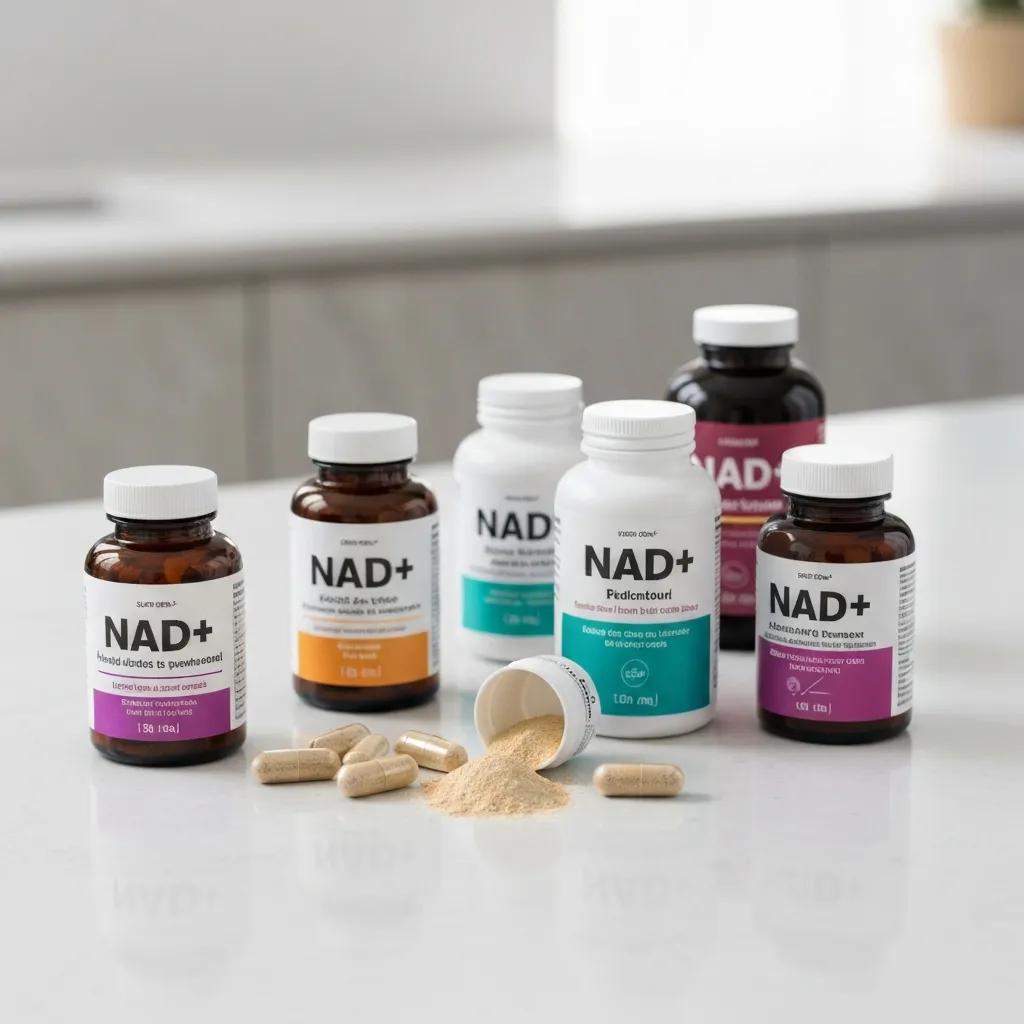
Options for boosting NAD+ differ in bioavailability, convenience, cost, and the strength of supporting evidence. Oral precursors like nicotinamide riboside (NR) and nicotinamide mononucleotide (NMN) raise precursor pools with generally favorable safety profiles. IV NAD+ delivers the coenzyme systemically but requires clinic visits and is more expensive. Lifestyle measures — exercise, time-restricted eating, and niacin-rich foods — work alongside these approaches and help sustain gains. The table below summarizes practical differences to help you choose an approach that fits your goals and medical context.
This table compares common NAD+ approaches:
| Form | Mechanism | Typical Dosing/Administration | Evidence for Weight/BMI Effects | Safety Profile |
|---|---|---|---|---|
| NR / NMN (oral precursors) | Increase precursor availability for intracellular NAD+ synthesis | Daily oral doses (product-dependent) | Early trials report metabolic improvements over months; direct weight-loss effects are modest and need more study | Generally well tolerated; longer-term data are growing |
| Oral Niacin (B3) | Precursor for NAD+ via salvage pathways | Dietary intake or supplements | Limited direct weight evidence; supports NAD+ pool | Can cause flushing at higher doses; monitor use |
| IV NAD+ Therapy | Direct systemic NAD+ delivery | Clinic-administered infusions | Limited trial data for lasting weight loss; many reports are anecdotal for energy improvements | Possible infusion reactions; requires clinical oversight |
Many people start with lifestyle changes plus oral precursors and consider IV options later if clinically appropriate. Value Drugstore’s Natural Supplements offerings and telehealth/compounding services can help you choose products and tailor a regimen when individualized guidance is needed.
Before we list practical lifestyle boosters, here are key comparative points to keep in mind:
- Oral precursors are convenient and appropriate for long-term use in many people.
- IV NAD+ may yield quicker subjective energy effects but needs medical supervision and carries greater cost.
- Diet, exercise, and sleep work together with supplements to preserve NAD+ and support lasting benefits.
This balanced approach favors safe, evidence-supported first steps and reserves clinic-based therapies for selected cases, which leads into the practical lifestyle measures below.
How Do NAD+ Supplements Compare to IV Therapy for Fat Burning?
Oral NR and NMN are easy to take daily and have growing clinical data showing improvements in metabolic markers over months. IV NAD+ bypasses first-pass metabolism and can raise systemic NAD+ more quickly but has limited randomized-trial evidence for sustained weight loss. Practical differences include bioavailability, cost, convenience, and monitoring needs: oral options suit home routines, while infusions require clinic visits and medical oversight. For most people seeking metabolic benefits, combining oral supplementation with lifestyle changes is the pragmatic first step; anyone considering IV therapy should consult a clinician to weigh potential benefits, risks, and costs.
What Natural Lifestyle Changes Can Boost NAD+ Levels?
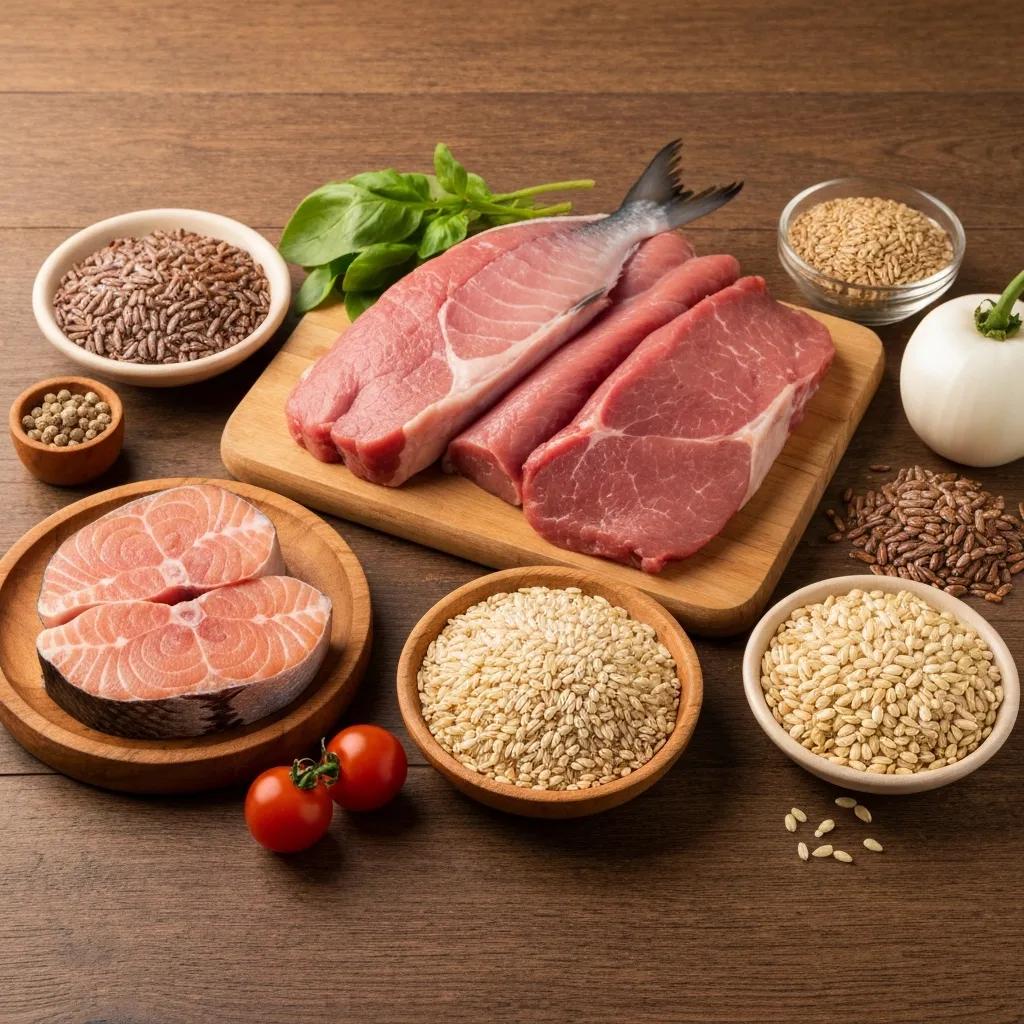
Evidence-based lifestyle steps can meaningfully support NAD+ and amplify supplement or therapy effects. Regular aerobic and resistance exercise stimulates mitochondrial biogenesis and increases NAD+/NADH turnover in muscle. Time-restricted eating or intermittent fasting can favor pathways that conserve NAD+ and enhance sirtuin signaling. Eating niacin-rich foods — lean meats, fish, nuts, whole grains — provides building blocks for NAD+ synthesis. Prioritizing sleep and aligning daily routines with your circadian rhythm reduces metabolic stress and preserves NAD+. Together these habits create a durable foundation that improves the impact and longevity of any NAD+-focused plan.
- Exercise types that support NAD+: HIIT, resistance training, and consistent aerobic activity.
- Diet patterns that help NAD+: protein-forward meals, niacin-containing foods, and controlled meal timing.
- Recovery habits: steady sleep, stress management, and minimizing chronic inflammatory triggers.
Start with these habits to naturally raise NAD+ and improve the odds that supplements or therapies will produce meaningful, lasting weight-loss results.
Meta-analyses suggest NAD+ precursor supplements can improve several metabolic markers.
NAD+ Precursor Supplementation Improves Lipid Metabolism and Glucose Levels
A meta-analysis found NAD+ precursors can significantly lower triglyceride levels (SMD = −0.35, 95% CI (−0.52, −0.18), P < 0.0001), total cholesterol (SMD = −0.33, 95% CI (−0.51, −0.14), P = 0.0005), and LDL (SMD = −0.38, 95% CI (−0.50, −0.27), P < 0.00001), while raising HDL (SMD = 0.66, 95% CI (0.56, 0.76), P < 0.00001). The analysis also noted changes in plasma glucose (SMD = 0.27, 95% CI (0.12, 0.42), P = 0.0004). Subgroup results indicated niacin supplementation had the largest effects on several lipid and glucose measures. These findings support metabolic benefits from precursor supplementation, though individual responses vary.
Effects of NAD+ precursor supplementation on glucose and lipid metabolism in humans: a meta-analysis, 2022
How Can Personalized NAD+ Plans Enhance Your Weight Loss Journey at Value Drugstore?
Personalized NAD+ plans tailor choices to your medical history, current medications, and weight-loss goals to improve safety and the chance of meaningful benefit. Through a telehealth consultation you and a clinician or pharmacist can review baseline metrics, discuss lifestyle patterns, and determine whether oral precursors, compounded formulations, or referral for clinic-based therapy make sense. Compounding allows custom formulations or dosing to address sensitivity, interactions, or specific metabolic targets, and regular follow-up helps monitor outcomes and side effects. Value Drugstore supports this patient-focused model with telehealth visits, curated supplements, and compounding services so you can pursue NAD+-focused strategies safely and with professional oversight.
The table below compares typical service elements people encounter when building a personalized NAD+ plan.
| Service Element | What It Involves | Patient Benefit / Next Step |
|---|---|---|
| Telehealth Consultation | Remote review of medical history, goals, and medications | Individualized assessment and treatment plan; schedule follow-up |
| Personalized Compounding | Custom formulation of supplements or tailored dosages | Individualized dosing to reduce interactions and improve adherence |
| Natural Supplements | Selected oral NAD+ precursors and mitochondrial support products | Accessible daily options; purchase with pharmacist guidance and monitoring |
Here’s a short, practical roadmap many patients follow:
- Book a telehealth consultation to review goals, medications, and any contraindications.
- Receive a personalized plan that recommends lifestyle strategies, supplements, or compounded options.
- Purchase recommended supplements and schedule follow-up checks to track progress and adjust as needed.
Combining clinical oversight with tailored products and lifestyle coaching creates a safer, more effective NAD+-centered pathway toward better metabolic health.
What Personalized NAD+ Strategies Are Available Through Telehealth Consultations?
Telehealth visits typically start with a detailed intake — medical history, current medications, diet, and realistic weight-loss expectations — to identify which NAD+ strategies are safe and sensible. A clinician or pharmacist will screen for interactions, discuss contraindications, and recommend evidence-informed options (lifestyle changes, oral precursors, or compounding). Common plans start conservatively with oral precursors paired with exercise and sleep optimization, then reassess metabolic markers and goals at set intervals. Telehealth also lets providers adjust regimens quickly without in-person visits, supporting adherence and ongoing monitoring as your plan progresses.
How Do Natural Supplements at Value Drugstore Support NAD+ and Metabolic Health?
Value Drugstore offers natural supplements such as NR and NMN precursors, B3/niacin options, and mitochondrial support blends designed to complement lifestyle efforts and support cellular energy. These products help increase precursor availability and support enzymatic pathways that maintain NAD+ levels; adjunct ingredients like coenzyme Q10 or carnitine may aid mitochondrial function and fatty-acid transport. We recommend speaking with a pharmacist before starting supplements to check for interactions and to tailor dosing. When used alongside structured lifestyle changes and telehealth follow-up, supplements become one component of a coordinated metabolic-support plan rather than a standalone quick fix.
What Are the Additional Benefits of NAD+ Beyond Weight Loss?
Supporting NAD+ can produce secondary benefits that help sustain weight-loss efforts: steadier daily energy that makes exercise easier, modest appetite and craving improvements, and potential cognitive boosts that help decision-making around food and activity. Better mitochondrial function and neuronal metabolism can reduce fatigue and mental fog, improving adherence to healthy routines. At the cellular level, NAD+ supports DNA repair and lowers inflammation, contributing to recovery and resilience — all factors that indirectly support long-term weight maintenance. Seeing NAD+ strategies as part of a whole-person metabolic plan is often more productive than treating them as an isolated intervention.
NAD+ supports everyday functions that reinforce weight-loss work:
- Appetite regulation through metabolic signals that affect hypothalamic hunger and satiety circuits.
- Sustained energy via improved mitochondrial ATP production for steady activity levels.
- Cognitive clarity that helps you stick with diet and exercise plans.
These combined benefits explain why NAD+ approaches tend to produce more durable outcomes when included in a comprehensive lifestyle program.
How Does NAD+ Influence Appetite and Craving Control?
NAD+ affects appetite and cravings indirectly by improving metabolic signaling and neuronal energy status that influence hypothalamic pathways for hunger and fullness. Better mitochondrial function in brain and peripheral tissues stabilizes energy sensing and can reduce compensatory overeating tied to perceived energy deficits. Some clinical reports show reduced cravings and improved satiety as metabolic health improves with precursor supplementation plus lifestyle changes, though appetite effects are modest and vary by person. Combining NAD+ support with behavioral tools — meal planning, mindful eating, and consistent protein intake — increases the chance metabolic gains translate into lower daily calorie intake.
In What Ways Does NAD+ Support Sustained Energy and Overall Wellness?
Raising NAD+ improves mitochondrial efficiency and steady ATP production, which underpins daily energy and supports exercise capacity — both important for maintaining a weight-loss routine. Improved cellular energy can also lift mood and sharpen cognition by supporting neuronal metabolism. Other wellness gains include better stress resilience and faster recovery after exercise, tied to healthier mitochondrial turnover and lower oxidative damage. For example, someone who no longer experiences severe afternoon energy dips is likelier to complete regular workouts, reinforcing caloric burn and metabolic adaptation.
What Are the Common Questions About NAD+ Safety, Efficacy, and Weight Loss Results?
People often ask whether NAD+ specifically targets belly fat, how soon results appear, and what side effects or interactions to watch for. The balanced answer is that NAD+ supports systemic fat oxidation and metabolic improvements rather than spot reduction; timelines and responses vary. Lifestyle changes and oral precursors typically show metabolic marker improvements within weeks to months, while IV treatments may give earlier subjective energy boosts. Oral precursors have generally acceptable safety profiles, but interactions and side effects should be reviewed with a pharmacist or clinician. We recommend discussing options with Value Drugstore’s telehealth team for personalized safety and efficacy guidance.
Does NAD+ Help Specifically with Belly Fat Reduction?
NAD+ strategies support overall fat oxidation and improved metabolic health, which can reduce abdominal fat as part of a full weight-loss program — but they don’t cause spot-specific fat loss. Evidence from animal and human studies points to systemic increases in fatty-acid oxidation and better insulin sensitivity, conditions that favor reductions in visceral and subcutaneous fat when paired with calorie control and exercise. Because central fat responds to metabolic improvements, you may see belly fat decrease over time; results will vary by individual. For best effect, combine NAD+ approaches with targeted exercise and nutrition strategies aimed at central adiposity.
How Long Does It Take for NAD+ to Show Weight Loss Benefits?
Timelines vary by approach. Oral precursors and lifestyle changes typically produce measurable shifts in metabolic markers over several weeks to a few months, with more visible weight or body-composition changes emerging over months of consistent effort. IV NAD+ may produce quicker subjective improvements in energy and clarity within days to weeks, but lasting weight outcomes still depend on ongoing behavior change and metabolic remodeling. Expect initial biomarker changes within 4–12 weeks and more noticeable body-composition changes over 3–6 months when a plan is sustained. Regular check-ins with a healthcare provider help set realistic expectations and adjust the regimen as needed.
What Are the Possible Side Effects of NAD+ Supplementation or IV Therapy?
Oral NAD+ precursors are generally well tolerated; common mild side effects include gastrointestinal upset, occasional headache, and flushing with higher-dose niacin. Rare or serious adverse events are still being tracked as real-world use grows. IV NAD+ carries infusion-specific risks such as localized site reactions, transient dizziness, or, rarely, systemic reactions — which is why clinic-based administration and monitoring are recommended. Key contraindications include pregnancy and certain medication interactions, so clinician review is important before starting any NAD+ approach. A conservative start, symptom monitoring, and pharmacist or clinician oversight are the safest path for dose escalation or compounded regimens.
- Common oral side effects: mild GI upset, flushing (with niacin), and transient headache.
- IV-specific considerations: infusion-site discomfort and the need for supervised administration.
- Safety steps: review medications, begin with lower doses, and schedule regular follow-up.
Following these precautions helps ensure NAD+-focused plans remain patient-centered, safe, and evidence-informed. That covers the main patient concerns in this guide.
Frequently Asked Questions
What are the potential long-term effects of NAD+ supplementation on overall health?
Long-term NAD+ support may offer benefits beyond weight loss, including improved metabolic function, better mitochondrial performance, and possible cognitive gains. Maintaining healthy NAD+ levels supports DNA repair, lowers oxidative stress, and helps preserve cellular energy — effects that can contribute to general wellness and may reduce some age-related risks. Individual outcomes vary, so ongoing monitoring with a healthcare provider is recommended to make sure supplementation stays safe and effective over time.
Can NAD+ supplementation help with energy levels during exercise?
Yes — by improving mitochondrial function and ATP production, NAD+ support can boost exercise energy and endurance for some people. Greater NAD+ availability helps cells convert nutrients into usable energy more efficiently, which can reduce fatigue and speed recovery. Athletes and active adults may notice steadier performance and less post-exercise tiredness, though results depend on factors like diet, training, and overall health.
How does NAD+ interact with other supplements or medications?
NAD+ precursors can interact with certain drugs and supplements that affect metabolic pathways. For example, high-dose niacin may interact with cholesterol medications and cause flushing. Always consult a clinician or pharmacist before starting NAD+ supplements, particularly if you take prescription drugs or have underlying conditions. Our pharmacists can review interactions and recommend safe, individualized plans.
Are there specific dietary recommendations to enhance NAD+ levels?
Yes — foods rich in niacin support NAD+ synthesis. Lean meats, fish, nuts, and whole grains supply precursors that help build NAD+. Antioxidant-rich foods can reduce oxidative stress and help preserve NAD+. Overall, a balanced diet with varied nutrients combined with regular activity supports healthy NAD+ metabolism.
What lifestyle changes can complement NAD+ supplementation for better results?
To get the most from NAD+ strategies, adopt habits like regular exercise, consistent sleep, and stress management. Aerobic and resistance training promote mitochondrial biogenesis and NAD+ turnover. Time-restricted eating or intermittent fasting can favor NAD+-supportive pathways. These lifestyle changes, paired with supplements or therapies, create a practical, comprehensive approach to weight loss and metabolic health.
How can I monitor the effectiveness of my NAD+ supplementation plan?
Track changes in energy, exercise performance, and measurable metabolic markers such as weight, body composition, and blood glucose. Regular telehealth follow-ups with a clinician or pharmacist help evaluate progress and fine-tune the plan. Keeping a simple journal of diet, workouts, sleep, and any side effects also provides useful insights into how well the approach is working for you.
Conclusion
Adding NAD+ strategies to a well-rounded weight-loss plan can strengthen metabolic health, boost daily energy, and support overall wellness. By knowing how NAD+ affects fat oxidation and cellular function, you can make informed choices about lifestyle changes, supplements, and clinically supervised options. Value Drugstore offers personalized plans and telehealth support so you can pursue NAD+-focused strategies safely and in line with your health goals. Explore our NAD+ products and telehealth services to take a clear, supervised step toward better metabolic health.