
Pneumonia Vaccine Insights: A Must for Older Adults

Pneumonia Vaccine — Updated guidance to protect adults and seniors
Pneumococcal disease, caused by Streptococcus pneumoniae, remains a common — but preventable — source of pneumonia and other serious infections in adults and older adults. New guidance recommends starting vaccination earlier for many people. This guide explains what pneumonia vaccines do, how conjugate and polysaccharide vaccines trigger immunity, and why beginning vaccination around age 50 can reduce hospitalizations and serious complications. You’ll find clear details on vaccine options (including PCV20 and PPSV23), typical timing, common side effects, and practical steps to get vaccinated nearby. Each section links current recommendations to simple next steps, compares vaccine types in an easy table, outlines expected reactions and when to seek care, and points to local places that offer vaccines. We reference recent research and public‑health updates so you can make informed choices and see how community pharmacies make vaccination convenient and safe.
What are the pneumonia vaccine recommendations for adults and seniors?

Recommendations for pneumococcal vaccination identify who will gain the most protection against invasive disease and severe respiratory infection. Guidance uses age and specific risk factors to decide which vaccine is appropriate and when to give it. Vaccines present harmless parts of the bacteria to the immune system so it learns to recognize common pneumococcal serotypes — helping prevent colonization, serious illness, and hospital stays. Knowing who’s eligible makes it easier to choose between single‑dose and multi‑step schedules and prepares you for a quick conversation with your clinician or pharmacist about timing. Below we summarize who should consider vaccination starting at age 50 and how often doses are usually needed so you can match your health profile to current guidance.
Who should get the pneumonia vaccine starting at age 50?
Adults 50 and older are now included in baseline recommendations because age increases both exposure and the chance of severe disease; vaccinating at this age helps protect you and those around you. People with chronic conditions — such as diabetes, heart disease, or chronic lung disease — and those with weakened immune systems are at higher risk and may need earlier or extra doses. Your medical history determines whether a conjugate vaccine alone is best or whether a conjugate‑plus‑polysaccharide approach is advised. Prior vaccination history matters: if you already received PPSV23, timing and choices differ from someone never vaccinated. If you’re unsure, bring your vaccine records to a pharmacist or provider so they can recommend the plan that fits you best.
How often do adults and seniors need pneumonia vaccinations?
How often you need a vaccine depends on which product is used. Single‑dose conjugate vaccines simplify the schedule for many adults, while paired strategies (conjugate followed by PPSV23) require a recommended interval to broaden serotype coverage and strengthen immune memory. People who are immunocompromised or who previously received PPSV23 may need additional or earlier doses, so schedules are individualized based on history and risk. Talk with a clinician or pharmacist to confirm the right timing and to document any need for future boosters.
What are the differences between PCV20 and PPSV23 vaccines for adults?
PCV20 and PPSV23 protect against different sets of pneumococcal serotypes and work through different immune pathways. Conjugate vaccines like PCV20 attach polysaccharide antigens to a protein carrier, triggering a T‑cell–dependent response that improves immune memory and mucosal protection. Polysaccharide vaccines like PPSV23 cover a broader array of serotypes and mainly stimulate a B‑cell response without the same long‑term memory. In practice, conjugate vaccines often give longer‑lasting protection for vaccine‑naïve adults and can be used as single‑dose options, while PPSV23 is useful to expand serotype coverage when given after a conjugate vaccine for higher‑risk patients. Understanding these differences helps you and your provider choose the option that best fits your age, vaccine history, and health conditions.
Each vaccine type has strengths clinicians use to tailor prevention to individual needs.
Recent reviews and guideline updates describe evolving recommendations for adult pneumococcal vaccination and the roles of PCV20 and PPSV23.
Pneumococcal vaccination guidelines for adults: PCV20 and PPSV23 recommendations
Current guidance for adult pneumococcal vaccination includes the 20‑valent conjugate vaccine (PCV20) used alone or, in some cases, in sequence with earlier conjugate vaccines followed by the 23‑valent polysaccharide vaccine (PPSV23).
| Vaccine | Type / mechanism | Typical use case |
|---|---|---|
| PCV20 (conjugate) | Conjugate vaccine that produces T‑cell–dependent immunity and stronger immune memory | Single‑dose option offering broad protection for adults 50+ and for those who are vaccine‑naïve |
| PPSV23 (polysaccharide) | Polysaccharide vaccine with wider serotype coverage that mainly stimulates a B‑cell response | Often given after a conjugate vaccine to expand serotype coverage in higher‑risk patients |
| PCV15 (conjugate) | Conjugate vaccine with fewer serotypes than PCV20 but used in combination strategies | Paired with PPSV23 in some schedules to balance immune memory and coverage |
This quick comparison highlights how conjugate and polysaccharide vaccines differ and supports a practical decision path based on age and vaccination history.
In many communities, pharmacists and primary‑care clinics offer both PCV20 and PPSV23 so patients can follow recommended schedules without long waits. Value Drugstore offers immunization services at our Belvedere Square location and can administer PCV20 and PPSV23 per current guidance, with pharmacists available to review your vaccine history and recommend the best option for your health profile. Local availability helps move you from learning about differences to getting the right vaccine quickly.
Where can adults and seniors get the pneumonia vaccine near me?
Pneumococcal vaccines are offered at many convenient locations. Choose a site based on convenience, whether you need a clinical review, and if you’d like a pre‑visit telehealth check. Pharmacies, primary‑care offices, public‑health clinics, and some urgent‑care centers commonly provide these vaccines. Community pharmacies often offer walk‑in or appointment‑based services that make vaccination easier for busy adults and seniors. Before your visit, gather prior vaccine records, a current medication list, and your insurance information if you plan to use coverage — this helps staff confirm the right vaccine and spacing. The next section explains why a community pharmacy can be a practical choice for many people.
- Pharmacies often have extended hours and offer walk‑in appointments for immunizations.
- Primary‑care clinics can coordinate vaccines with other preventive care and chronic‑disease management.
- Public‑health centers provide vaccine services and counseling for high‑risk groups.
Choosing the right site balances convenience, clinical review, and documentation. A pharmacy visit can combine efficiency with professional screening to ensure correct vaccine administration.
Why choose Value Drugstore for your pneumonia vaccination?
Value Drugstore is a neighborhood pharmacy focused on accessible immunization services and practical support for adults and seniors. Our pharmacists offer one‑on‑one consultations to review your vaccine history and health conditions. We combine convenient online prescription refills, a selection of supplements, personalized compounding, and telehealth options to support ongoing care and answer questions before or after vaccination. Many patients find that in‑person pharmacist expertise plus telehealth reassurance makes choosing and scheduling the right vaccine straightforward. A local pharmacy that integrates record review, medication management, and immunizations helps you move quickly from decision to protection.
How to schedule your pneumonia vaccine appointment at Value Drugstore?
Booking an appointment is simple: check availability, gather your health information, and decide whether you prefer an in‑person visit or a telehealth pre‑assessment. To prepare, bring prior vaccination records, a current medication list, and notes about chronic conditions so the pharmacist can recommend the optimal vaccine and timing; this reduces delays and ensures accurate documentation. If you prefer a pre‑visit telehealth consult, our service can answer safety questions and confirm which vaccine is recommended — especially helpful if you have a complex medical history. Arrive with records to streamline the visit and increase the chance of getting the correct vaccine the same day.
What are the common side effects and safety considerations of pneumonia vaccines for seniors?
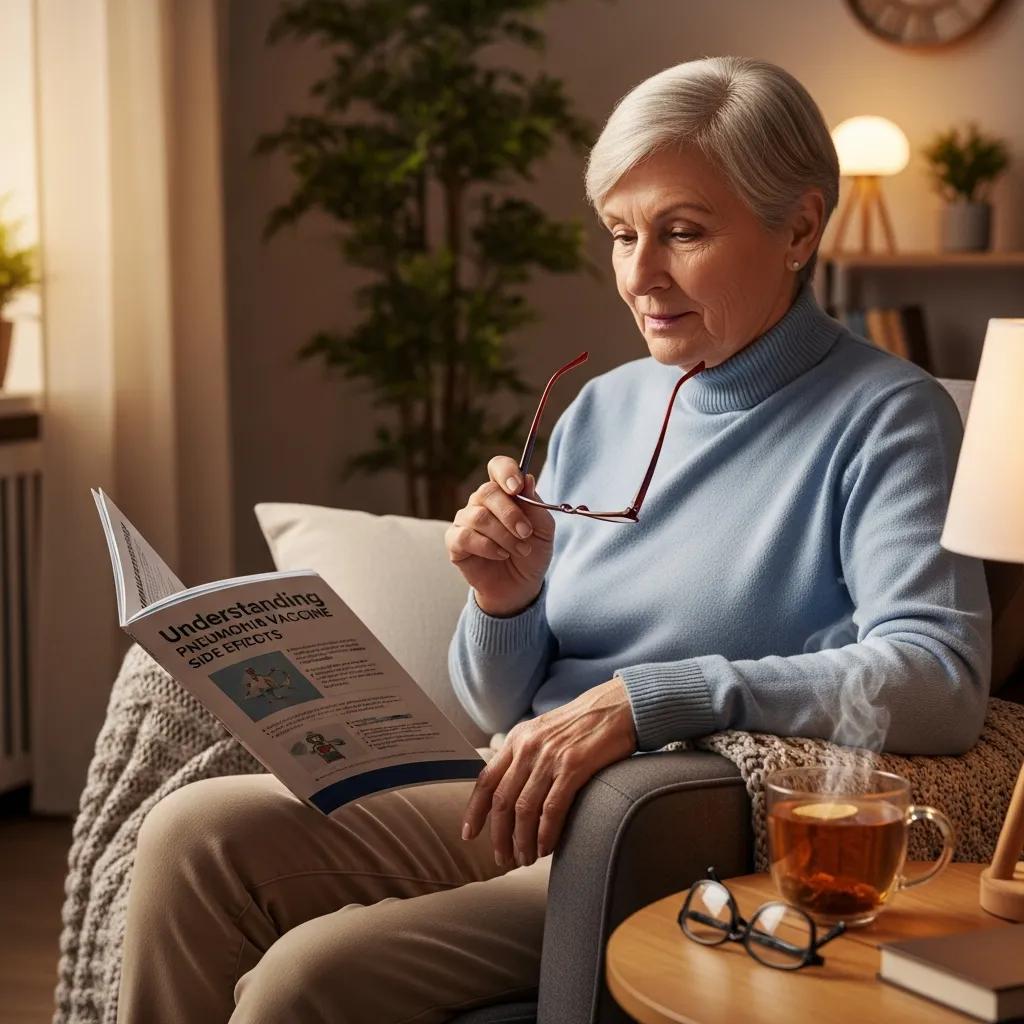
Pneumonia vaccines are generally safe for older adults. Most people experience predictable local and mild systemic reactions; serious events are rare. Local soreness or mild swelling at the injection site are the most common reactions and usually appear within hours. Systemic symptoms — low‑grade fever, fatigue, or muscle aches — can occur within 24–48 hours and typically clear in a few days. Severe allergic reactions are uncommon; clinicians and pharmacists screen for a history of severe vaccine allergies to reduce risk. Value Drugstore pharmacists are available to answer safety questions during your visit and to advise on aftercare and symptom monitoring.
Newer vaccines such as PCV20 have expanded adult coverage options for preventing pneumococcal disease.
PCV20 vaccine: expanded coverage for pneumococcal disease prevention in adults
A 20‑valent pneumococcal conjugate vaccine (PCV20; Prevnar20®; Apexxnar®) is approved to prevent invasive disease and pneumonia caused by S. pneumoniae in adults. PCV20 builds on earlier conjugate vaccines by adding protection against seven additional serotypes chosen for their prevalence and geographic importance.
| Side effect | Frequency | Typical onset & duration |
|---|---|---|
| Injection site soreness | Common | Starts within hours; usually 1–3 days |
| Low‑grade fever or fatigue | Common | Onset 24–48 hours; resolves in 1–2 days |
| Muscle aches | Less common | Within 24–48 hours; 1–3 days duration |
| Allergic reaction (hives, difficulty breathing) | Rare | Immediate to hours; requires emergency care |
This table helps you anticipate routine reactions and spot rare but serious events that need urgent care, so you can monitor your recovery after vaccination.
What side effects should adults expect after pneumonia vaccination?
Expect mild soreness at the injection site and possibly short‑lived symptoms like fatigue, low‑grade fever, or muscle aches — these are signs your immune system is responding and usually pass quickly. Simple care — ice on the injection site, over‑the‑counter pain relievers if appropriate, and rest — will ease most symptoms; follow your healthcare team’s guidance about medications. Monitor symptoms for 48–72 hours; if you develop a high fever or worsening local signs, seek professional advice. If you’re unsure, a quick consult with a pharmacist or a telehealth visit can help decide whether further care is needed.
When to seek medical advice for pneumonia vaccine reactions?
Seek immediate medical help for signs of a severe allergic reaction: difficulty breathing, facial or throat swelling, or rapid hives — these require emergency treatment. Contact your healthcare provider if symptoms worsen or persist beyond 72 hours, such as high fever or increasing redness at the injection site, as these may indicate complications or another illness. For non‑urgent questions, pharmacists can provide guidance, and Value Drugstore’s telehealth consultations offer a fast way to review symptoms and next steps. Early contact helps distinguish normal immune responses from conditions needing further evaluation.
How does pneumococcal disease affect adults and seniors and how can vaccination prevent it?
Pneumococcal bacteria can cause a range of illnesses — from milder respiratory infections to invasive disease like bacteremia and meningitis. Older adults face higher rates of severe outcomes due to age‑related immune decline and common chronic conditions. Typical symptoms include cough, fever, shortness of breath, and chest pain; complications can lead to hospitalization, sepsis, or respiratory failure, especially in people with comorbidities. Vaccination lowers both individual risk and community spread by reducing carriage and severe disease. Newer conjugate vaccines increase serotype coverage and have helped reduce hospitalizations in vaccinated groups. Preventive vaccination shifts the odds away from severe outcomes and eases pressure on healthcare systems.
What are the symptoms and risks of pneumococcal pneumonia in older adults?
Older adults with pneumococcal pneumonia often present with cough, fever, shortness of breath, and sometimes confusion or a decline in daily functioning; these signs can worsen quickly because of weaker immune defenses and chronic illnesses. Conditions such as heart disease, diabetes, and chronic lung disease raise the risk of hospitalization and complications; even a moderate respiratory infection can prolong recovery or trigger secondary problems like heart‑failure exacerbation. Early recognition and prompt medical care reduce complications. Vaccination lowers the chance of severe pneumococcal infections and helps prevent these high‑risk outcomes in older populations.
How effective are pneumonia vaccines in preventing severe illness?
Pneumococcal vaccines, especially modern conjugate formulations, substantially reduce the risk of invasive pneumococcal disease and related hospitalizations by improving immune memory and lowering carriage of high‑risk serotypes. Population studies and surveillance show declines in severe disease after wider use of conjugate vaccines, and combining conjugate and polysaccharide vaccines can extend serotype coverage for high‑risk people. Vaccines don’t eliminate all pneumococcal disease because some serotypes aren’t covered, but they meaningfully reduce the chance of severe outcomes and death in older adults. Vaccination lowers severity and frequency of invasive disease but does not replace prompt medical care if symptoms develop.
What is the updated pneumonia vaccine schedule and eligibility for adults over 50?
The updated schedule for adults over 50 emphasizes earlier baseline vaccination and tailors choices to past immunizations and health conditions, weighing single‑dose convenience against combined strategies that broaden coverage. For vaccine‑naïve adults, single‑dose conjugate options simplify the process. For those with prior PPSV23 or who are immunocompromised, a conjugate‑plus‑PPSV23 sequence with specific spacing may be advised to optimize protection. Reviewing past records and discussing chronic conditions with a provider or pharmacist will help decide whether PCV20 as a single dose or a PCV15‑plus‑PPSV23 sequence is best. Below is a practical mapping of common patient situations to recommended options to guide your next steps before booking an appointment.
Current recommendations for adults 50+ and certain high‑risk groups now include PCV20 and PPSV23 in updated vaccination schedules.
Updated pneumococcal vaccination schedules for adults 50 and older
The 20‑valent pneumococcal conjugate vaccine (PCV20) alone, or in sequence with earlier conjugate vaccines and/or the 23‑valent polysaccharide vaccine (PPSV23), is recommended for adults aged 50 and older and for certain high‑risk individuals.
| Patient profile | Recommended vaccine option | Timing / notes |
|---|---|---|
| Never received pneumococcal vaccine and age 50+ | Single‑dose PCV20 preferred | Usually one visit |
| Previously received PPSV23 only | Review timing; consider a conjugate vaccine | Interval since PPSV23 affects the plan |
| Immunocompromised or asplenia | Conjugate vaccine followed by PPSV23 in sequence | Shorter interval and individualized follow‑up |
| Age 65+ with prior conjugate | Follow‑up with PPSV23 may be considered based on history | Consult a provider for an individualized plan |
Before your appointment, check your vaccine records and bring documentation to speed decision‑making and ensure correct spacing between doses. If you’re unsure how prior PPSV23 affects scheduling or whether you’re in a high‑priority group, a Value Drugstore pharmacist can review your history during an immunization visit or a telehealth consult and help schedule the right vaccine. Bringing your vaccination record and discussing chronic conditions reduces uncertainty and helps us give you the correct vaccine at the pharmacy.
- Check your vaccination records: Confirm any prior pneumococcal or related vaccines and note dates.
- Prepare medical history: List chronic conditions and medications to inform scheduling.
- Ask about options: Use a pharmacist consultation to choose single‑dose versus combined strategies.
- Book a consultation if uncertain: A telehealth review can clear up eligibility before you arrive.
- Bring documentation: Vaccination cards or medical records help clinicians verify intervals.
- Plan follow‑up: If a multi‑dose sequence is needed, confirm timelines and reminder plans.
- Pharmacies: Convenient access, pharmacist screening, and often same‑day administration.
- Primary care: Comprehensive review with coordination of other preventive care.
- Public health clinics: Focused outreach for high‑risk populations and community programs.
Pick the site that best fits your need for clinical review, convenience, and documentation. Community pharmacies often offer a balanced option for older adults seeking efficient, informed vaccination services.
What are the CDC’s latest pneumococcal vaccination guidelines for adults 50+?
CDC guidance recommends adults aged 50 and older receive a pneumococcal conjugate vaccine (PCV15 or PCV20) if not previously vaccinated, with PPSV23 in certain situations depending on past vaccine history and risk factors. The guidance supports shared clinical decision‑making to choose the best strategy, and PCV20 as a single‑dose option is now preferred for many adults 50+ who haven’t had a conjugate vaccine. If you previously had PPSV23 but not a conjugate vaccine, a single dose of PCV15 or PCV20 is recommended; if PCV15 is used, PPSV23 is typically given at least one year later. The updates aim to reduce invasive disease and hospitalizations by starting protection earlier while allowing clinicians to tailor schedules for people with chronic illness or weakened immunity. Key actions: verify your vaccine history, discuss chronic conditions with a clinician or pharmacist, and consider a single‑dose conjugate option when appropriate. If there’s uncertainty about prior PPSV23 or a complex medical history, a provider consultation will clarify timing and ensure adherence to current recommendations.
Which health conditions increase pneumonia vaccine priority for seniors?
Certain conditions raise priority for timely pneumococcal vaccination in seniors, including chronic lung disease, cardiovascular disease, diabetes, chronic liver or kidney disease, and immunocompromising conditions. These issues can impair the body’s ability to clear respiratory infections or make invasive disease more dangerous, so vaccination is an important preventive step to lower complications and hospital stays. Discuss with your clinician or pharmacist whether a combined conjugate‑plus‑PPSV23 strategy offers extra protection for your situation. Proactive planning for high‑priority conditions reduces the chance of severe outcomes and supports healthier long‑term care.
- Chronic lung disease (COPD, asthma): Raises risk of severe respiratory infection and flare‑ups.
- Diabetes: Affects immune response and increases hospitalization risk from pneumococcal disease.
- Cardiovascular disease: Infection can trigger cardiac complications and worsen outcomes.
Frequently asked questions
What is the difference between the pneumonia vaccine and the flu vaccine?
The pneumonia vaccine protects against pneumococcal bacteria, which can cause pneumonia, meningitis, and bloodstream infections. The flu vaccine protects against influenza viruses that cause seasonal flu. Both are important for respiratory health but target different germs. For older adults and people with chronic conditions, getting both vaccines provides broader protection against serious respiratory illness.
Can I receive the pneumonia vaccine if I am currently sick?
If you have a mild illness (like a runny nose or minor cold), you can usually get the pneumonia vaccine. If you’re moderately or severely ill, it’s best to wait until you’ve recovered so your immune system can respond properly. Check with your healthcare provider if you’re unsure about timing.
Are there any specific dietary recommendations after receiving the pneumonia vaccine?
There are no special dietary restrictions after the vaccine. Eating a balanced diet, staying hydrated, and getting rest can help your body recover from any mild side effects. If you have specific dietary needs or medical conditions, ask your healthcare provider for tailored advice.
How long does it take for the pneumonia vaccine to become effective?
It generally takes about two weeks for the vaccine to build protection. During that time, continue practicing good hygiene and other precautions, especially if you’re at higher risk. If you have concerns about how well the vaccine will work for you, talk with your clinician or pharmacist.
What should I do if I experience severe side effects after vaccination?
If you experience severe reactions — difficulty breathing, swelling of the face or throat, or a very rapid heartbeat — seek emergency care right away. For less severe but persistent problems, such as high fever or increasing pain at the injection site, contact your healthcare provider. Keeping a record of symptoms and when they started helps clinicians assess your situation.
Is there a cost associated with the pneumonia vaccine?
Cost varies by insurance and provider. Many insurance plans cover pneumococcal vaccines for eligible adults, especially those 50+ or with qualifying health conditions. If you’re uninsured, community health centers and some pharmacies may offer reduced‑cost or free options. Check with your insurance and local providers for specific pricing and coverage details.
Can I get vaccinated at the same time as other vaccines?
Yes — in most cases it’s safe to receive the pneumonia vaccine at the same visit as other vaccines, like the flu shot. Still, check with your healthcare provider to confirm the best timing for your overall vaccine schedule and personal health status.
Conclusion
Getting a pneumonia vaccine is an effective way for adults and seniors to lower the risk of serious respiratory illness and hospital stays. Understanding the updated recommendations and available vaccine options helps you choose a plan that fits your health needs. Talk with a healthcare professional or your pharmacist to decide the right strategy and schedule. When you’re ready, schedule your pneumonia vaccine appointment — it’s a simple step that protects your health and peace of mind.