Prescription Myths You Shouldn’t Believe

Prescription Medication Myths That Put Your Health at Risk — Clear, Practical Facts for Safer Use
Misunderstandings about prescription drugs are common — and they can affect how well treatments work. This article separates fact from fiction on adherence, safety, and effectiveness so you can use medicines with confidence. You’ll learn why stopping medicines early or missing doses can be dangerous, how OTC products, alcohol, and supplements may interact with prescriptions, and when generics are a safe, cost-effective choice versus when special formulations matter. We also cover practical storage, disposal, and simple steps to verify medication information and improve adherence. Throughout, we highlight how pharmacists and medication-management strategies reduce errors and support better outcomes. By the end, you should feel equipped to spot misinformation, ask the right questions, and use pharmacy resources to protect your health.
What Are the Most Common Myths About Prescription Medication Adherence?
Medication adherence means taking medicines exactly as prescribed. Consistent dosing keeps drug levels steady, which helps prevent relapse, resistance, or treatment failure. When people don’t follow their regimen, it undermines goals from blood-pressure control to infection clearance. Knowing the common myths makes it easier to stay on track and protects the effectiveness of your treatment. Below we debunk two frequent adherence myths and offer pharmacist-recommended, practical ways to stay consistent.
Many people think it’s safe to stop a medicine once symptoms improve — but that can cause relapse or, in some cases, resistance. For example, stopping an antibiotic early can leave behind bacteria that survive and adapt, and stopping long-term therapy for chronic conditions can trigger rebound symptoms or acute complications. If you’re feeling better and considering stopping a drug, check with your prescriber or pharmacist first; they’ll advise whether a monitored taper or a planned stop is appropriate. Regular communication and follow-up reduce the risk of unsupervised interruptions and keep your care aligned with recovery.
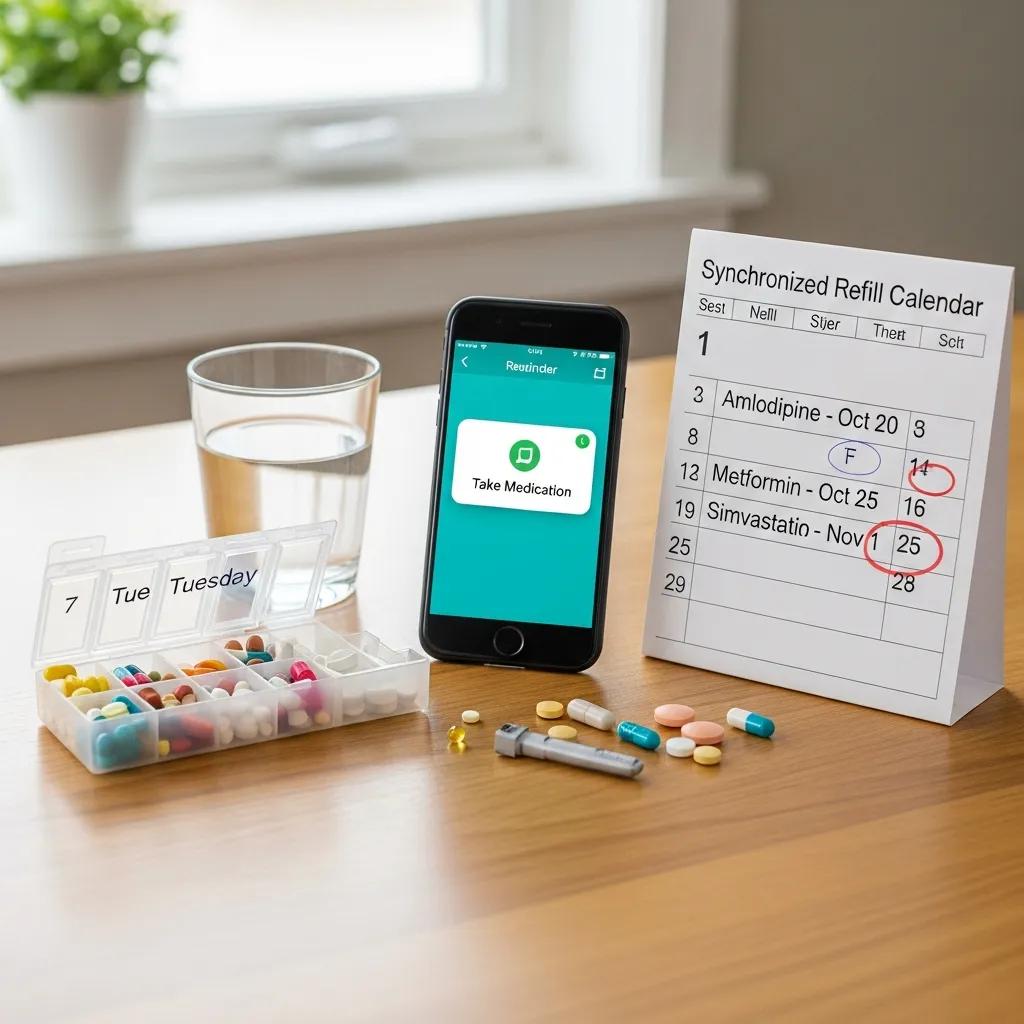
Missing a single dose often feels trivial, but the consequences depend on the medicine and the condition. Some drugs require precise timing for steady-state levels; others tolerate occasional misses. Insulin, anticoagulants, and antiretrovirals are examples where missed doses can be serious. Pharmacists recommend practical tools like pillboxes, alarms, synchronized refills, and clear “catch-up” instructions to reduce risk. Small routine changes and available aids can greatly lower the chance of missed doses and support long-term adherence.
Simple adherence tools you can start using today:
- Use a daily pillbox or blister pack to organize doses.
- Set phone alarms or app reminders tied to daily routines like meals.
- Synchronize refills so prescriptions renew on the same monthly date.
- Ask your pharmacist about long-acting or simplified regimens if dosing is complex.
These practical steps help keep drug levels steady and reduce complications from missed or stopped medications.
Is It Safe to Stop Taking Medication When You Feel Better?
Stopping medication because symptoms improve is a common mistake that can undermine cure or disease control — especially with antibiotics and some chronic therapies. Finishing a prescribed course often ensures eradication of the pathogen or sustained suppression of the condition; stopping early can let organisms or symptoms return and adapt. Before changing or stopping a medicine, talk to your prescriber or pharmacist — some drugs require a taper rather than abrupt stopping. Pharmacists can also tell you which warning signs need urgent review and help arrange follow-up care if needed.
How Harmful Is Missing a Dose of Your Prescription Medication?
The risk from a missed dose depends on the drug, how often it’s taken, and the condition being treated — ranging from minor to life-threatening. For short-acting pain medicines or occasional therapies, a missed dose may be reversible; for anticoagulants, antiepileptics, and antiretrovirals, misses can cause serious harm. Many drugs have evidence-based catch-up rules (for example, take a missed dose unless it’s near the next one), so check the label and consult your pharmacist for tailored advice. Regular medication reviews and adherence supports reduce missed doses and help keep treatments effective.
What Are the Biggest Misconceptions About Medication Safety?
People often assume OTC products, alcohol, sharing prescriptions, or “natural” supplements are harmless with prescription drugs — but interactions and risks can be common and sometimes severe. Different substances can change drug metabolism, potency, or safety. This section clears up four widespread safety myths and gives practical checks you can use. A short interaction table follows to show typical risks and recommended actions.
OTC medicines aren’t always safe to mix with prescriptions. Many OTCs affect bleeding risk, blood pressure, or liver enzymes that change how prescription drugs work. For example, frequent NSAID use can increase bleeding risk or strain the kidneys when used with anticoagulants or certain blood-pressure medicines; decongestants can raise blood pressure in people taking antihypertensives. Before combining an OTC product with a prescription, ask your pharmacist or read label warnings carefully. Your pharmacist can check for interactions and suggest safer symptom-management options when needed.
| Substance | Potential Interaction | Recommended Action |
|---|---|---|
| NSAIDs (e.g., ibuprofen) | Increased bleeding risk with anticoagulants; kidney stress with ACE inhibitors/diuretics | Avoid regular NSAID use; consult your pharmacist about alternatives like acetaminophen or topical options |
| Decongestants (pseudoephedrine) | Can raise blood pressure and counteract antihypertensives | Try saline sprays or ask your pharmacist for safer options if you have hypertension |
| Aspirin (OTC low-dose) | May increase bleeding when combined with other blood thinners | Check with your pharmacist before adding aspirin to a prescribed anticoagulant |
| Antacids / Calcium supplements | Can reduce absorption of some antibiotics and thyroid hormone | Separate dosing times and ask your pharmacist about timing strategies |
This table shows common OTC-prescription combinations that can cause problems and simple actions to lower risk.
Alcohol doesn’t interact with every medicine, but it often increases sedation, impairs judgment, and alters metabolism for many drug classes. High-risk combinations include sedatives or opioids (which can cause dangerous respiratory depression) and certain antibiotics — for example, metronidazole — which can produce severe nausea or a fast heartbeat when mixed with alcohol. Even OTC antihistamines can add to drowsiness. Ask your pharmacist about alcohol cautions for your medicines and follow label guidance to avoid harmful effects.
Sharing prescription medications is unsafe and usually unlawful. A medicine that’s right for one person may be harmful for another because prescriptions are tailored to diagnosis, weight, allergies, and other medications. Sharing can cause allergic reactions, improper dosing, or hidden interactions. If someone needs treatment, encourage them to see a healthcare provider or speak to a pharmacist for safe, legal alternatives. Keeping medicines secured and disposing of leftovers properly also prevents accidental ingestion and misuse.
Natural supplements and herbal remedies can interact with prescription drugs despite a “natural equals safe” belief. St. John’s wort, for instance, speeds metabolism of many drugs and can lower their effect. Grapefruit or grapefruit juice can block enzymes that metabolize certain statins and other therapies, raising drug levels and increasing toxicity risk. Always tell your pharmacist and prescriber about any supplements so they can check for interactions and recommend safe options.
Quick signs that a substance might interact with your prescription:
- You notice new or worsening side effects after combining products.
- The product label warns against mixing with other medicines or alcohol.
- Your medication has a narrow therapeutic index (small margin between effective and harmful doses).
- The OTC or supplement is known to affect liver enzymes or bleeding risk.
Checking these signs with a pharmacist before combining substances reduces the chance of adverse events.
Are Over-the-Counter Drugs Always Safe to Use With Prescriptions?
OTC drugs are convenient but not automatically safe to pair with prescriptions. Interactions can change effectiveness or increase side effects. Common problem pairs include NSAIDs with anticoagulants and decongestants with blood-pressure medicines; antacids can also reduce absorption of important therapies. These effects often come from enzyme changes or additive physiological impacts like higher blood pressure or increased bleeding. When adding an OTC, consult your pharmacist and use label warnings and pharmacist checks to guide safe use and find alternatives.
Can Alcohol Interact With All Prescription Medications?
Alcohol does not interact with every prescription, but it frequently affects drug absorption, metabolism, or central nervous system activity in clinically important ways. High-risk drug classes include sedatives, opioids, benzodiazepines, some antibiotics, and certain antidepressants — where alcohol can raise sedation or reduce benefit. Your pharmacist can identify which of your medicines interact with alcohol and recommend safe behavior or temporary avoidance. When in doubt, treat alcohol as a potential interacting agent and ask a professional before combining it with prescriptions.
Is Sharing Prescription Medications Ever Okay?
No — sharing prescription medications is rarely safe or legal. Prescriptions are personalized and may cause harm if taken by someone with different health conditions, allergies, or concurrent medicines. Sharing can lead to inadequate treatment, allergic reactions, or overdose. Safer alternatives include having the person seek evaluation and a proper prescription, or consulting a pharmacist for OTC symptom relief. Pharmacists can recommend lawful, appropriate options that avoid the risks of sharing.
Are Natural Supplements Always Safe When Taken With Medications?
Natural supplements are biologically active and can interact with prescription drugs through enzyme changes, additive effects, or competition for absorption. Examples include St. John’s wort lowering levels of some antidepressants or immunosuppressants, and grapefruit increasing levels of certain statins. Always tell your pharmacist and prescriber about supplements so interactions can be assessed; often there are safer alternatives or timing strategies. Full transparency about everything you take is a simple, effective step to prevent harmful interactions.
| Substance | Possible Interaction | Risk & Recommended Action |
|---|---|---|
| St. John’s wort | Induces liver enzymes; can reduce levels of many drugs | Avoid with critical therapies; consult your pharmacist for safer options |
| Grapefruit juice | Inhibits metabolism of some statins and calcium channel blockers | Avoid grapefruit; choose alternatives and check medication labels |
| High-dose vitamin K | Can counteract warfarin anticoagulation | Keep intake consistent and coordinate monitoring with your clinician |
| Fish oil supplements | May increase bleeding risk when combined with anticoagulants | Discuss safe dosing with your pharmacist and watch for bleeding signs |
This table summarizes common supplement interactions and practical steps you can take to manage risk.
How Do Myths About Medication Efficacy Affect Patient Treatment?
Misbeliefs about how drugs work — for instance, thinking generics are inferior or antibiotics treat every infection — can lead to wrong choices and poorer outcomes. Misinformation may cause people to reject cost-saving options or misuse antibiotics, which drives resistance and hampers disease control. Below we cover generics, antibiotic misuse, and the risks of altering tablets, plus a concise comparison to clarify when generics are appropriate.
Generic medicines must meet regulatory standards for bioequivalence to brand-name products — meaning they deliver similar amounts of active ingredient into the bloodstream within an accepted range. For most medicines, generics are as effective and safe as brand-name versions and provide more affordable options. Exceptions include narrow therapeutic index drugs or some biologics where small changes matter; in those cases, a pharmacist or clinician can advise whether the brand or closer monitoring is preferable. Knowing how regulation protects generics helps you make informed choices without unnecessary worry.
Antibiotics fight bacterial infections but don’t cure viral illnesses like the common cold or flu. Using antibiotics when they’re not needed doesn’t help and contributes to antibiotic resistance, making future bacterial infections harder to treat. Clinicians decide on antibiotics using tests, clinical criteria, and stewardship principles; pharmacists reinforce those decisions at dispensing. Patients can help by following prescriber guidance, only taking antibiotics when appropriate, and avoiding pressure for antibiotics when they’re not indicated.
Crushing or splitting pills without professional guidance can change how a drug is released and absorbed; extended-release, enteric-coated, and some toxic drugs must not be altered because that can cause dose dumping or stomach irritation. A pharmacist can tell you which medications are safe to split or crush and suggest alternatives like liquid formulations, patches, or compounded versions for swallowing difficulties. Don’t modify dosage forms without checking with your pharmacist first.
| Drug Type | Regulatory Attribute | Patient Takeaway |
|---|---|---|
| Generic oral small-molecule | Bioequivalence required; same active ingredient and similar pharmacokinetics | Generally interchangeable with brand-name options for most drugs |
| Biosimilar (biologic alternatives) | Highly similar but not identical; specific interchangeability rules apply | May be appropriate — discuss with your clinician for complex biologics |
| Brand-name (original) | Innovator product with established clinical data | May be preferred for narrow therapeutic index drugs or complex biologics per clinician advice |
This comparison clarifies bioequivalence and when brand versus generic choices should involve clinician or pharmacist input.
Are Generic Drugs Less Effective Than Brand-Name Medications?
Generic drugs must meet strict bioequivalence standards, so they match brand-name medications in how much active ingredient reaches your bloodstream. For most medicines, generics are equally effective and safe and help reduce cost barriers to adherence. Concerns mainly apply to drugs with a narrow therapeutic index, where small concentration changes can affect safety or benefit; in these cases, pharmacists may suggest sticking with one manufacturer or closer monitoring. Overall, approved generics support effective therapy without compromising outcomes.
Do Antibiotics Cure All Types of Infections?
No — antibiotics target bacteria and are ineffective against viruses. Using antibiotics for viral infections doesn’t help and contributes to antibiotic resistance. Clinicians base antibiotic decisions on diagnosis and testing when available, and pharmacists reinforce appropriate use at the pharmacy. Patients should follow prescriber guidance, avoid pressuring clinicians for antibiotics, and take antibiotics only when indicated.
Is It Safe to Crush or Split Pills Without Consulting a Pharmacist?
Crushing or splitting pills can change absorption and release patterns, risking too much drug at once for extended-release or enteric-coated products. Before altering a tablet or capsule, ask your pharmacist — they can recommend safe alternatives like immediate-release formulations, liquids, or compounded options. For swallowing problems, pharmacists can arrange dose forms that preserve the intended release and safety. Don’t modify medication forms without professional advice.
Why Is the Role of Your Pharmacist Crucial in Debunking Medication Myths?
Pharmacists are medication specialists who connect prescriber instructions to everyday use. They check for interactions, optimize doses, and suggest adherence strategies that turn clinical evidence into safe, personalized care. Their training and frequent patient contact make them well placed to correct myths, clarify labels, and recommend safer OTC options. Working with a pharmacist reduces medication errors and improves outcomes through reviews, counseling, and coordination with prescribers. Below we explain how local pharmacy services translate these benefits into practical support.
Value Drugstore offers accessible pharmacist consultations and medication-management services designed to tackle myths and promote safe medication use. Services include Medication Management consultations, Pharmacist Consultations, Personalized Compounding, and Prescription Refills to help reconcile regimens and check interactions in real time. These services complement clinical care by ensuring medications are used safely and effectively and support the article’s aim to provide useful health information, encourage people to use pharmacy services, buy needed products, and manage prescriptions. Ask our pharmacists for medication reviews, interaction checks, and adherence support to reduce mistakes driven by misinformation.
Pharmacist-led actions that improve medication safety and outcomes:
- Comprehensive medication reviews to find duplicates, interactions, and deprescribing opportunities.
- Tailored adherence plans, including smart packaging or synchronized refills.
- Immediate interaction checks when adding OTCs or supplements.
- Personalized compounding and alternative formulations for swallowing or allergy needs.
These services turn accurate information into patient-specific plans that lower risk and improve therapy success.
How Can Pharmacist Consultations Improve Medication Management?
Pharmacist consultations provide medication reconciliation, interaction screening, and dose optimization based on your full medication list and health background. A pharmacist may spot a risky OTC-prescription combo, suggest a safer substitute, and coordinate changes with your prescriber — which leads to fewer adverse events and clearer regimens. Consultations also address adherence barriers, device technique, and monitoring needs while offering concrete next steps. To get the most from a consultation, bring all medication containers, a list of supplements, and your questions so the pharmacist can give targeted, practical guidance.
What Makes Local Pharmacy Services Like Value Drugstore Unique?
Value Drugstore focuses on personalized care through medication management, pharmacist consultations, compounding, and proactive prescription refills that adapt therapy to individual needs. These services deliver clear benefits: fewer interactions and simplified regimens from medication reviews; practical adherence solutions from consultations; customized formulations from compounding; and fewer lapses with refill coordination. As part of our patient-education mission, Value Drugstore corrects misinformation at the point of care by offering expert pharmacist guidance, reliable health information, and personalized options — including telehealth when in-person visits aren’t possible. This approach turns myth-busting into better, real-world outcomes for patients and supports the article’s goal to provide useful healthcare information and help people manage prescriptions and purchases.
What Are Best Practices for Safe Prescription Medication Storage?
Storing medications correctly preserves potency and reduces accidental exposure because many drugs are sensitive to heat, humidity, and light. Keep medicines in cool, dry, dark places and in their original packaging to retain labels and safety information. Avoid high-humidity areas and follow label instructions to prevent chemical breakdown. Below is a practical comparison table of common household locations and whether they’re suitable for medication storage.
| Location | Typical Conditions | Suitability & Tip |
|---|---|---|
| Bathroom cabinet | Warm, humid, frequent temperature shifts | Not recommended — moisture can degrade tablets and liquids |
| Kitchen countertop | Variable heat and humidity from cooking | Avoid long-term storage; choose a cool, dry cupboard away from stove and sink |
| Bedroom closet / drawer | Stable, moderate temperature; low humidity | Generally suitable for most solid dosage forms; keep in original containers |
| Refrigerator | Consistent cold temperatures | Required for some medicines — follow label instructions and pharmacist guidance |
This table helps you pick appropriate storage spots and shows when refrigeration or manufacturer instructions are necessary.
Bathroom cabinets are common but problematic because showers raise humidity and temperature, accelerating degradation via hydrolysis and mold exposure. Humidity can make tablets swell, crumble, or lose potency; liquids may separate or support microbial growth. A better choice is a bedroom closet or a dedicated medicine drawer away from heat sources, where conditions are drier and more stable. Always keep medications in their original containers so dosing instructions and expiration dates remain visible.
Proper storage limits exposure to factors that chemically change active ingredients — oxidation, hydrolysis, and photodegradation — so medicines remain effective. Some antibiotics and insulin need refrigeration; many pills do fine at room temperature if kept dry and out of sunlight. Signs a medicine may be degraded include changes in color, smell, texture, or unexpected sediment in liquids — if you see these, consult your pharmacist before using. Regularly check expiration dates and ask your pharmacist about safe disposal and replacement.
Storage checklist to preserve medication effectiveness:
- Keep solid medicines in original bottles in a cool, dry place.
- Store heat- or light-sensitive products as labeled, often in a refrigerator.
- Check medications periodically for signs of degradation or expiration.
- Secure medicines away from children and pets; dispose of unneeded items safely.
These steps protect medication safety and reduce the risk of accidental exposure.
Why Is the Bathroom Cabinet Not the Best Place to Store Medications?
Bathroom cabinets experience repeated humidity and temperature changes that speed up chemical reactions like hydrolysis and oxidation, causing pills to lose potency or liquid medicines to separate. Over time this reduces effectiveness and can make dosing unreliable, especially for chronic medications. Choosing a consistently cool, dry spot with stable temperatures extends shelf life and keeps dosing accurate. If you’ve stored medicines in the bathroom, check their condition and talk to a pharmacist about replacing any items that show signs of degradation.
How Does Proper Storage Prevent Medication Degradation?
Proper storage controls the environmental factors that drive degradation: humidity prompts hydrolysis, oxygen allows oxidation, and light triggers photodegradation. Limiting these exposures preserves drug integrity. Vulnerable products may need refrigeration, while desiccants and sealed containers help protect solids. Identifying and replacing compromised medicines prevents ineffective therapy and harm; pharmacists can advise on storage for specific drug classes. Good storage also supports predictable drug levels, which is critical for medications with narrow therapeutic windows.
| Location | Temperature / Humidity Risk | Suitability & Preservation Tip |
|---|---|---|
| Open counter | High heat/humidity spikes | Poor — move medicines to an enclosed cabinet away from the stove |
| Original sealed container | Controlled environment per labeling | Best — keeps labeling and desiccants intact when present |
| Refrigerator compartment | Low temperature, stable | Good for designated refrigerated meds; keep in original box to avoid freezing-sensitive items |
This extra table reinforces household storage choices and practical preservation tips you can apply right away.
What Actionable Steps Can Patients Take to Avoid Prescription Medication Myths?
Use a structured approach to verify medication information, improve adherence, and reduce myth-driven errors: check trusted sources, schedule regular medication reviews, use adherence tools, and tell clinicians about all OTCs and supplements. The checklist below helps you reduce misinformation and improve medication safety.
- Confirm claims with reliable sources such as national regulatory guidance or your pharmacist before changing therapy.
- Schedule periodic medication reviews to reconcile regimens and spot interactions.
- Use adherence tools — pill organizers, reminder apps, or synchronized refills — to reduce missed doses.
- Disclose all supplements and OTC products to your pharmacist and prescriber for interaction screening.
Following these steps replaces myths with evidence-based practices and strengthens collaboration with your healthcare team.
How Can You Recognize and Avoid Common Medication Myths?
Spotting medication myths means checking the source, looking for clinical evidence, and consulting trusted experts instead of relying on anecdotes or social media. Red flags include sensational claims, no cited studies, or advice that contradicts product labels and professional guidance. Trust pharmacists, regulatory agencies, and peer-reviewed literature; when unsure, ask a pharmacist to run an interaction or safety check. Making source verification a habit helps you avoid risky, self-directed changes to your medications.
What Are the Benefits of Regular Medication Reviews With Your Pharmacist?
Regular medication reviews cut adverse events, simplify regimens, and can save money by identifying duplicates or recommending appropriate generics. Practically, these reviews clarify dosing schedules, remove risky combinations, and create personalized adherence plans that improve outcomes. A pharmacist-led review can spot interactions with OTCs or supplements, adjust timing to improve absorption, and coordinate with prescribers for safer therapy. Pharmacists and local pharmacy services are ready to support ongoing medication safety and effectiveness, and Value Drugstore’s mission is to provide useful healthcare information, help people find and use pharmacy services, purchase products, and manage prescriptions.
Key outcomes from pharmacist medication reviews:
- Fewer adverse drug events by identifying interactions.
- Simpler regimens that improve adherence and reduce pill burden.
- Cost-saving recommendations, such as appropriate generics or eliminating redundancies.
- Personalized education that corrects myths and builds patient confidence.
These outcomes show how proactive pharmacist engagement turns medication safety into measurable health benefits.
Frequently Asked Questions
What should I do if I experience side effects from my medication?
If you experience side effects, contact your pharmacist or healthcare provider right away. They can determine whether the effects are expected, need urgent attention, or warrant a medication change. Note the side effect’s timing, severity, and duration — this helps your care team make informed decisions. Don’t stop or change your medication without professional advice, as that could cause complications or worsen your condition.
How can I ensure I am taking my medications correctly?
Create a routine that ties your medication schedule to daily activities. Use pill organizers, phone reminders, or medication apps to track doses. Review your medications regularly with your pharmacist to clarify instructions and answer questions. Keeping a medication diary can help you track adherence and spot issues. If you have trouble taking medicines, talk to your pharmacist for practical solutions.
What are the risks of using expired medications?
Expired medications can be less effective and, in some cases, unsafe. Over time drugs may degrade and change chemically, which can reduce benefit or, rarely, create harmful byproducts. Regularly check expiration dates and dispose of expired medicines safely. If you’re unsure about a specific medication’s safety, ask your pharmacist about replacement and proper disposal.
How can I safely dispose of unused or expired medications?
Follow local disposal guidelines — many areas offer pharmacy take-back programs or community disposal events. If those aren’t available, mix medicines with an undesirable substance (like coffee grounds or cat litter), place the mixture in a sealed bag, and discard it in the household trash. Remove personal information from containers first. Avoid flushing medications down the toilet unless the label or pharmacy tells you it’s acceptable, since flushing can harm the environment.
What should I do if I forget to take a dose of my medication?
If you miss a dose, check the medication label first or call your pharmacist for specific advice. In general, if it’s almost time for your next dose, skip the missed one and resume your regular schedule — do not double up. Your pharmacist can give precise catch-up instructions and help you develop strategies to prevent missed doses in the future.
Can I trust online sources for medication information?
Some online sources are useful, but always check credibility. Prefer information from government health agencies, academic medical centers, or established medical organizations. Avoid relying on anecdotal claims or unverified social media posts. For personalized, accurate guidance, consult your pharmacist or healthcare provider — they can interpret information based on your specific health needs.