
Promoting Mental Health & Well-being in the Baltimore Community
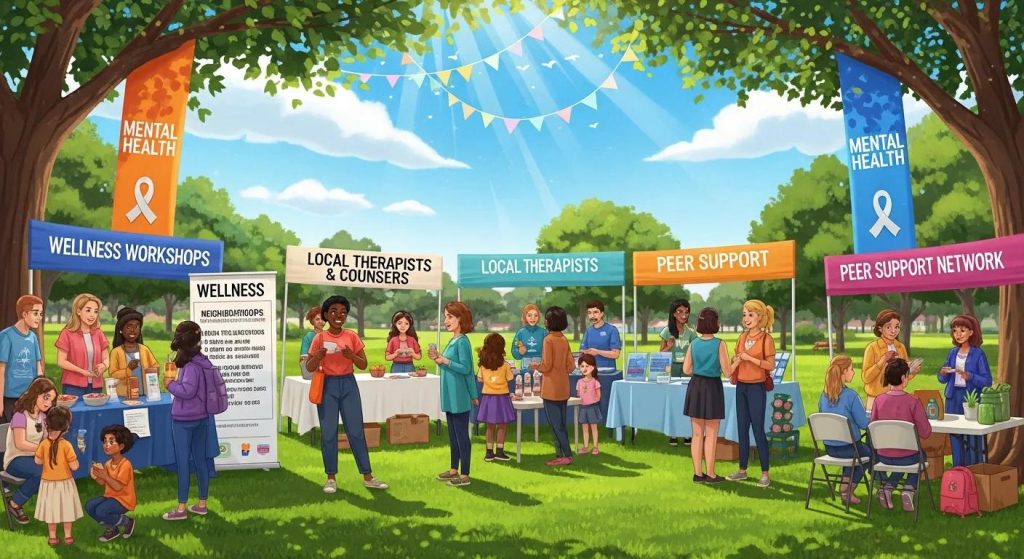
Empowering Community Mental Health
Communities that put mental health first become safer, more resilient places where people can heal, connect, and thrive. This guide describes what community mental health programs look like, why they matter, and which local supports make care easier to access, reduce stigma, and prevent crises. You’ll learn how community programs boost mental wellness, where to find local resources, simple stress‑management practices families can use, and which strategies tend to work best for neighborhoods of all sizes. Throughout, we offer clear next steps community leaders, families, and neighbors can take — and show how local partners, including neighborhood pharmacies, help keep referrals and follow-up care running smoothly. Recommendations are drawn from public‑health research and best practice, with actionable lists, comparison charts, and examples to help you plan awareness events, start support groups, and connect people with timely services.
What Are Community Mental Health Programs and Why Do They Matter?
Community mental health programs are organized local services and activities that prevent mental illness, promote emotional wellness, and link people to care. They typically combine public education, peer support, screening, and referral so fewer people fall through the cracks and concerns are caught early. The main payoff is easier access to help and less stigma — which encourages people to seek support sooner and improves recovery outcomes. Knowing the common program types makes it easier for neighborhoods to design systems that keep families and individuals emotionally supported.
These programs work by strengthening social connection, spotting problems early, educating residents, and connecting people to clinical care when needed. Those mechanisms reduce isolation and create faster pathways to clinicians or crisis services, which improves recovery. For example, a peer‑led support group offers lived‑experience guidance that helps people stick with treatment and lowers emergency visits. Practical examples like this show why local investment in community mental health delivers measurable benefits and reinforces safety nets.
Different programs meet different needs, so the right mix depends on local priorities and who lives in your area. Typical initiatives include outreach campaigns to raise awareness, peer support groups that build connection, school programs for youth, and gatekeeper trainings to build skills across the community. Some efforts—like school counseling—target adolescents, while hotlines and outreach focus on adults in crisis. Choosing what to implement depends on available resources, population needs, and existing service gaps.
The short list below summarizes the core benefits community mental health programs bring and helps you see immediate value before planning local action.
Community mental health programs deliver clear benefits:
- Improved access: Local services shorten travel and wait times for care.
- Early intervention: Screening and outreach catch problems sooner.
- Stigma reduction: Public education makes seeking help feel more normal.
- Continuity of care: Local referral networks help people stay connected to follow‑up services.
When communities invest in a coordinated set of programs, they typically see better mental health outcomes and stronger social cohesion — a foundation for finding the right resources near you.
How Can Local Mental Health Support Enhance Community Well-being?
Local mental health supports make a difference by offering easy‑to‑reach services, strengthening social networks, and enabling prevention through education and timely referral. Because these supports sit close to people’s daily lives, it’s easier to spot needs and respond before problems escalate. The result: steadier care, fewer emergency escalations, and a more resilient community. Knowing what local supports do helps leaders set priorities and build cross‑sector partnerships.
What Resources Are Available for Mental Health Support Near Me?
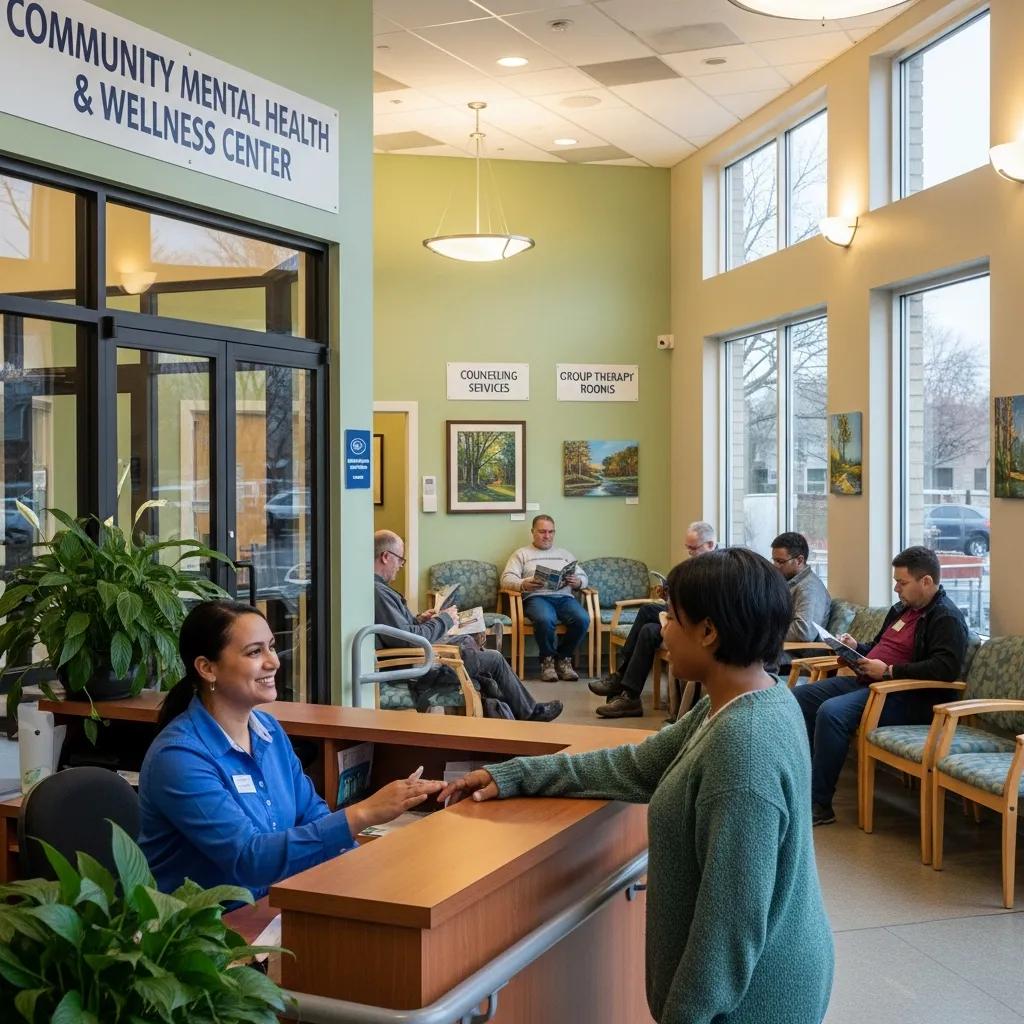
Common local resources include crisis hotlines, community mental health clinics, peer support groups, school counselors, primary‑care screening, and pharmacy consultations for medication questions. To locate them, check your local health department directory, community center bulletin boards, national locator tools, or ask a primary‑care or school staff member for a referral. The compact comparison below shows typical local support types and the services they usually provide.
| Local Resource | Typical Service | Primary Value |
|---|---|---|
| Community Clinic | Counseling & referrals | Ongoing care coordination |
| Crisis Hotline | Immediate crisis response | 24/7 crisis stabilization |
| Support Group | Peer‑led mutual support | Shared experience & coping |
| Pharmacy | Medication counseling & signposting | Adherence help and referral support |
What Role Do Pharmacists Play in Supporting Mental Health Locally?
Pharmacists are convenient, trusted health professionals who support medication management, explain side effects, and encourage treatment adherence while staying within their clinical scope. They can open a first conversation with brief, validated screening questions, explain how medicines work, and guide people to clinicians or community services when concerns go beyond the pharmacy’s role. Pharmacists also coordinate with primary care to clarify prescriptions and simplify regimens, which reduces medication errors and improves outcomes. Local pharmacies can provide resource lists and timely referrals so people get the follow‑up care they need; for neighborhood guidance, see the Value Drugstore blog.
Pharmacists complement clinical and community programs by offering low‑barrier touchpoints where people regularly interact with healthcare. Their medication expertise is especially helpful for older adults and people on complex regimens, and pharmacists often notice adherence or behavior patterns that signal a need for extra support. Integrating pharmacists into referral networks strengthens continuity of care and helps ensure medication questions don’t become obstacles to recovery — which leads naturally into broader community promotion and prevention efforts.
What Are the Best Strategies for Promoting Mental Health in Communities?
Effective community strategies blend awareness, training, accessible services, and peer support to create lasting change. These approaches increase knowledge, reduce stigma, and make it clear where people can go for help. Implementation should focus on measurable results — more screenings, fewer emergency visits, and higher participation in supports. The numbered list below highlights top strategies and why they work.
- Public awareness campaigns: Educate residents, normalize help‑seeking, and reduce stigma with storytelling and local events.
Community awareness campaigns have shown meaningful gains in mental‑health literacy and help‑seeking across a variety of settings.
Community Mental Health Awareness Campaign Improves Service Coverage and Treatment Seeking in India
1. Low community awareness of mental health problems negatively affects treatment‑seeking. Despite a shortage of mental‑health providers, there is room to expand service coverage. This study examined the impact of a multi‑state, community‑based awareness campaign on knowledge, attitudes, treatment‑seeking behavior, and acceptability.
2. Campaign activities included educational materials, public meetings, musical announcements, quizzes, and street plays, followed by a mental‑health screening camp. A rapid, real‑world evaluation used post‑intervention surveys (n = 693), field notes, and phone interviews across five states.
3. The campaign — run as a public–private partnership between government services and community groups — reached about 3,000 people in 20 new locations. After the campaign, 1,176 people sought treatment for mental disorders and 66% received a preliminary diagnosis. About 75% of participants said it was the first time they’d learned about mental‑health problems. Participants reported understanding that mental disorders are treatable, could name common symptoms and local services, and expressed more supportive attitudes toward people with mental health problems.
4. The campaign appeared to improve service coverage by increasing knowledge, changing attitudes, and encouraging treatment‑seeking. Future research could apply a quasi‑experimental design to test this approach further.
Pilot community mental health awareness campaign improves service coverage in India, SM Gaiha, 2021
- Gatekeeper training (e.g., MHFA): Train community members to spot crisis signs and make safe, timely referrals.
- Peer support networks: Create groups led by trained peers for ongoing mutual aid and reduced isolation.
- Integrated referral systems: Link clinics, schools, pharmacies, and hotlines so people receive coordinated follow‑up.
These priority strategies direct resources where they most reliably boost help‑seeking and continuity of care. Use evaluation metrics such as referral completion rates and growth in participation to track impact.
The table below offers a compact comparison to help decision‑makers choose strategies based on likely outcomes and local capacity.
| Strategy | Strategy Type | Expected Outcome |
|---|---|---|
| Awareness Campaigns | Education & outreach | Reduced stigma, increased help‑seeking |
| Support Groups | Peer‑based services | Stronger social support, fewer relapses |
| Training Programs | Capacity‑building | Better early detection & referrals |
| Service Integration | Systems coordination | Improved continuity, fewer crises |
How Can Families Practice Stress Management and Build Emotional Resilience?

Families can adopt small, regular habits that lower everyday stress, improve communication, and model healthy coping for kids and older relatives. Practical steps — consistent sleep schedules, balanced activity, shared meals, and open conversations — help regulate emotions across ages. Brief, regular check‑ins normalize talking about feelings, and simple structured activities build problem‑solving skills. The list below contains easy techniques families can start using this week.
Family stress‑management techniques:
- Establish routines: Regular sleep and meal times stabilize mood and reduce friction.
- Be active together: Short walks or home exercise lower stress and lift mood.
- Try open‑communication rituals: Weekly check‑ins create safe space to share concerns.
- Practice mindfulness or breathing: Short guided exercises help everyone calm down and reset.
These practices build resilience by creating predictable supports and teaching coping skills that help at school, work, and in daily life — and they reinforce public‑awareness and stigma‑reduction efforts discussed below.
How Do Awareness Campaigns Help Reduce Mental Health Stigma?
Awareness campaigns reduce stigma by sharing clear facts, personal stories, and easy steps for finding help so more people feel safe reaching out. Education corrects myths, storytelling humanizes real experiences, and visible local events show community commitment. Campaigns that track impact use surveys and help‑seeking data to refine messages and reach underserved groups. Practical tactics include community forums, targeted social messaging, school partnerships, and local media engagement.
Targeting specific groups — for example, youth — with tailored campaigns is especially effective at improving mental‑health literacy and encouraging early help‑seeking.
Youth Mental Health Awareness Campaign: Improving Literacy and Early Help‑Seeking
1. Early detection and treatment of mental disorders in adolescents and young adults leads to better outcomes. Mental‑health literacy is central to early recognition and help‑seeking. While many public‑health initiatives have worked to improve literacy, few have specifically targeted young people using robust population‑health methods. This paper reports outcomes from applying a health‑promotion model to a community campaign aimed at improving youth mental‑health literacy and early help‑seeking.
Development and evaluation of a youth mental health community awareness campaign – The Compass Strategy, PD McGorry, 2006
Effective campaign tactics include:
- Story‑led events: Invite people with lived experience to share recovery stories and normalize help‑seeking.
- Targeted outreach: Shape messages for youth, seniors, or cultural communities.
- Institutional partnerships: Work with schools, employers, and faith groups to expand reach.
Combined, these tactics lower barriers and increase early help‑seeking, supporting a broader strategy of normalization and access that sustains mental‑health improvements.
How Does Community Engagement Foster Mental Well-being?
Community engagement supports mental well‑being by building social capital, reducing isolation, and creating meaningful roles that give residents purpose and belonging. Volunteering, local projects, and civic activities strengthen social ties and offer informal support that buffers stress. When communities design inclusive, accessible opportunities to participate, they create environments that support mental health long before crises arise. The next section explains why social connection matters and how people can get involved.
Why Is Social Connection Important for Mental Health?
Social connection lowers the risk of depression and anxiety by providing emotional support, practical help, and easier access to services. Strong social ties aid recovery and encourage treatment adherence through companionship and accountability. Simple recommendations include regular social activities, buddy systems for people at risk, and programs that intentionally include isolated groups. Strengthening these connections reduces loneliness and produces measurable population‑level improvements.
Recommendations to strengthen connection:
- Create local meet‑ups: Interest‑based groups make it easy to join and belong.
- Develop buddy systems: Pair volunteers with isolated older adults for regular check‑ins.
- Promote inclusive events: Make activities accessible and culturally responsive.
These steps weave a stronger social fabric that supports individual well‑being and enables prevention at the community level.
How Can Individuals Get Involved in Local Mental Wellness Initiatives?
Getting involved starts with a few concrete steps: volunteer with a local organization, join or start a peer support group, attend an awareness event, or advocate for school and workplace mental‑health programs. Reach out to your health department, community center, faith group, or neighborhood association to learn about openings. A simple timeline to get started: attend one event this month, volunteer next month, and propose a small project within three months. Cross‑sector partnerships — including pharmacies, primary care, schools, and nonprofits — amplify impact and create dependable referral pathways.
Local resources that can help you take those first steps include community clinics, crisis hotlines, school counselors, peer support groups, and neighborhood pharmacies. These organizations offer direct services, referrals, and event venues; for example, a pharmacy can host an information table or point people toward counseling and training. Value Drugstore is one neighborhood resource that can help residents find information and referrals to community mental‑health supports, reinforcing local collaboration.
Frequently Asked Questions
How can you tell if a community needs better mental health resources?
Signs a community may need more mental‑health resources include rising reports of mental‑health concerns, more emergency‑room visits for crises, and few local support options. Other warning signs are widespread feelings of isolation or anxiety among residents, or strong stigma that prevents open conversations. Conducting community surveys or hosting public forums can pinpoint specific service gaps.
How can local businesses support mental health initiatives?
Local businesses can help by fostering workplace cultures that prioritize mental well‑being — for example, offering employee assistance programs, hosting awareness events, and training staff to recognize signs of distress. Businesses can also partner with local mental‑health groups to sponsor workshops, fund support programs, or provide meeting space, creating benefits for employees and the wider community.
What role do schools play in promoting mental health awareness?
Schools are key settings for mental‑health promotion because they reach children and teens during critical developmental years. Schools can provide mental‑health education, counseling services, and peer supports, and train staff to identify students in distress. Including mental‑health topics in the curriculum helps normalize conversations and reduces stigma among students.
How can technology improve mental health support in communities?
Technology expands access by providing digital education, screening tools, and peer support platforms. Mobile apps can offer assessments, mindfulness exercises, and directories of local services. Online support groups and teletherapy reach people who face stigma or geographic barriers to in‑person care. Social media campaigns can also raise awareness and promote local events, making resources easier to find.
How should communities measure the success of mental health programs?
Measure success with a mix of quantitative and qualitative metrics: participant feedback, higher service use, fewer emergency visits for mental‑health crises, and improved scores on awareness surveys. Tracking referral completion, attendance at support programs, and changes in stigma‑related attitudes also helps evaluate integrated referral systems and overall program impact.
How can individuals advocate for better mental health resources locally?
Individuals can advocate by speaking with local officials, attending community meetings, joining advocacy groups, and sharing personal stories to humanize the issue. Organize or take part in awareness events, workshops, and public forums, and work with local organizations to draft petitions or proposals for new services. Collective, consistent action helps persuade decision‑makers to prioritize mental health.