
Say Goodbye to Bladder Infections: UTI Prevention Guide

Effective UTI Prevention Tips: How to Prevent Urinary Tract and Bladder Infections Naturally
Urinary tract infections (UTIs) occur when bacteria, most commonly E. coli, enter and multiply in the urinary system, producing symptoms ranging from burning urination to pelvic discomfort. Preventing urinary tract and bladder infections helps reduce pain, avoid repeated antibiotic courses, and support long-term urinary health through simple daily habits and targeted natural options. This article explains actionable daily habits, evidence-backed natural remedies and supplements, dietary choices that support a resilient urinary microbiome, and specific strategies for women including menopause-related prevention. You will learn how hydration and voiding behavior flush bacteria, which supplements—like cranberry, D-mannose, probiotics, and vitamin C—have supporting evidence, what foods to favor, and how menopause changes risk and management. Practical lists, comparison tables, and pharmacist-led considerations are included to make prevention clear and ready to act on.
What Are the Most Effective Daily Habits to Prevent UTIs?
Daily habits lower the chance that bacteria will reach or stick to the bladder by reducing bacterial load, preserving healthy flora, and minimizing irritation of the urethra. Hydration increases urine volume and frequency, physically flushing bacteria; appropriate voiding habits and sexual hygiene decrease bacterial transfer; and breathable clothing choices reduce local moisture that favors bacterial growth. Implementing a few consistent routines can markedly reduce UTI incidence for many people, especially those with recurrent infections. Below are the highest-impact, evidence-aligned daily practices and brief mechanisms for each.
The most effective daily habits to prevent UTIs include:
- Drink adequate fluids daily: Increased urine output flushes bacteria from the bladder and urethra.
- Void frequently and after sex: Regular voiding prevents bacterial build-up; urinating after intercourse reduces transfer.
- Practice front-to-back hygiene: Reduces fecal bacteria moving toward the urethra.
These habits form a practical baseline for urinary health; combining them with targeted supplements or clinical guidance further reduces recurrence risk and moves the focus from reactive treatment to prevention.
How Does Proper Hydration Help Flush Out UTI-Causing Bacteria?
Proper hydration increases urine production and frequency, which physically reduces bacterial concentration in the urinary tract and lowers the chance bacteria adhere to the bladder lining. By maintaining light-colored urine most of the day, individuals can monitor adequate intake while avoiding overhydration for those with medical fluid restrictions. For most adults this translates to regular sips throughout the day and more at times of activity; tracking urine color is a practical self-check. If fluid intake must be limited for medical reasons, discuss personalized targets with a clinician to balance hydration and safety.
Hydration’s flushing action complements other behaviors—like timely voiding and hygiene—so improving fluid habits often leads naturally into improved urinary health routines and fewer symptomatic infections.
Which Personal Hygiene Practices Reduce UTI Risk?
Simple hygiene measures reduce the likelihood that gut bacteria will reach the urethra and cause infection by removing or blocking bacterial transfer points and lowering local irritation. Wiping front-to-back, changing out of wet swimwear promptly, avoiding douches and scented feminine products, and choosing breathable cotton underwear all reduce bacterial exposure and local inflammation. For sexually active people, using lubrication and avoiding spermicides linked to higher UTI risk are practical steps that reduce urethral irritation and bacterial introduction. Discuss recurrent issues with a clinician—persistent irritation or recurrent infections may require targeted evaluation or prophylactic strategies.
These hygiene improvements are straightforward to adopt and work together with hydration and voiding habits to create a robust day-to-day prevention strategy.
What Natural Remedies and Supplements Support Urinary Health?

Natural supplements can help reduce bacterial adhesion, support a healthy vaginal and urinary microbiome, and provide immune support; mechanisms vary by agent and evidence ranges from moderate to promising. Cranberry proanthocyanidins can prevent bacterial attachment, D-mannose binds E. coli to promote elimination, specific Lactobacillus probiotics support protective flora, and vitamin C may aid immune function and urine acidity. Use of supplements should be individualized for dose, formulation, and safety, particularly in pregnancy or when immune status is altered.
Below is a concise comparison of common urinary-health supplements, their mechanism, typical doses used in studies, and safety notes to help you evaluate options.
| Supplement | Mechanism | Typical Dose / Notes |
|---|---|---|
| Cranberry extract (proanthocyanidins) | Anti-adhesion; reduces E. coli binding | Standardized extracts often used; avoid sugary juices |
| D-Mannose | Binds E. coli adhesins, promotes excretion | Common study doses vary; discuss dosing if diabetic medication is used |
| Probiotics (Lactobacillus strains) | Restores protective vaginal/urinary flora | Strain-specific benefits; choose products with live cultures |
| Vitamin C | Immune support; may acidify urine modestly | Food-first approach preferred; supplementation considered for low intake |
This table summarizes how each product works and practical considerations; consult a pharmacist or clinician for dosing tailored to your health history and current medications. Value Drugstore offers cranberry, D-mannose, probiotic, and vitamin C supplement options and provides telehealth consultations and pharmacist advice for product selection, dosing, and potential interactions. Pharmacist-assisted compounding is an option when standard formulations do not meet individual needs.
How Do Cranberry Products Help Prevent Bladder Infections?
Cranberry products contain proanthocyanidins (PACs) that reduce bacterial adhesion to the bladder epithelium, making it harder for pathogens like E. coli to establish infection. Clinical analyses suggest extracts or standardized supplements are preferable to sweetened juices because they deliver concentrated PACs without added sugars that can irritate urinary symptoms. Typical study regimens vary, so selecting a standardized extract and checking dose with a pharmacist ensures effective intake. Individuals with specific health conditions or on certain medications should seek professional advice before starting daily cranberry supplementation.
Understanding cranberry’s anti-adhesion role helps place it alongside behavior-based prevention steps rather than as a sole solution.
What Is the Role of D-Mannose and Probiotics in UTI Prevention?
D-mannose is a simple sugar that can bind to certain E. coli strains, preventing them from attaching to the urinary tract lining and allowing flushing with urine; evidence shows promise in recurrent UTI prevention for some patients. Probiotics, especially Lactobacillus strains, help maintain a healthy vaginal microbiome that competes with pathogens and reduces colonization risk, which is particularly relevant for women. Safety varies by population—pregnant or immunocompromised individuals should consult a clinician—and dosing should be individualized. When used together, these options can complement lifestyle measures and reduce recurrence for many people.
Discussing D-mannose and probiotic choices with a pharmacist helps match strain, formulation, and dosing to your needs and medication profile.
Which Foods Are Best for Preventing Urinary Tract Infections?
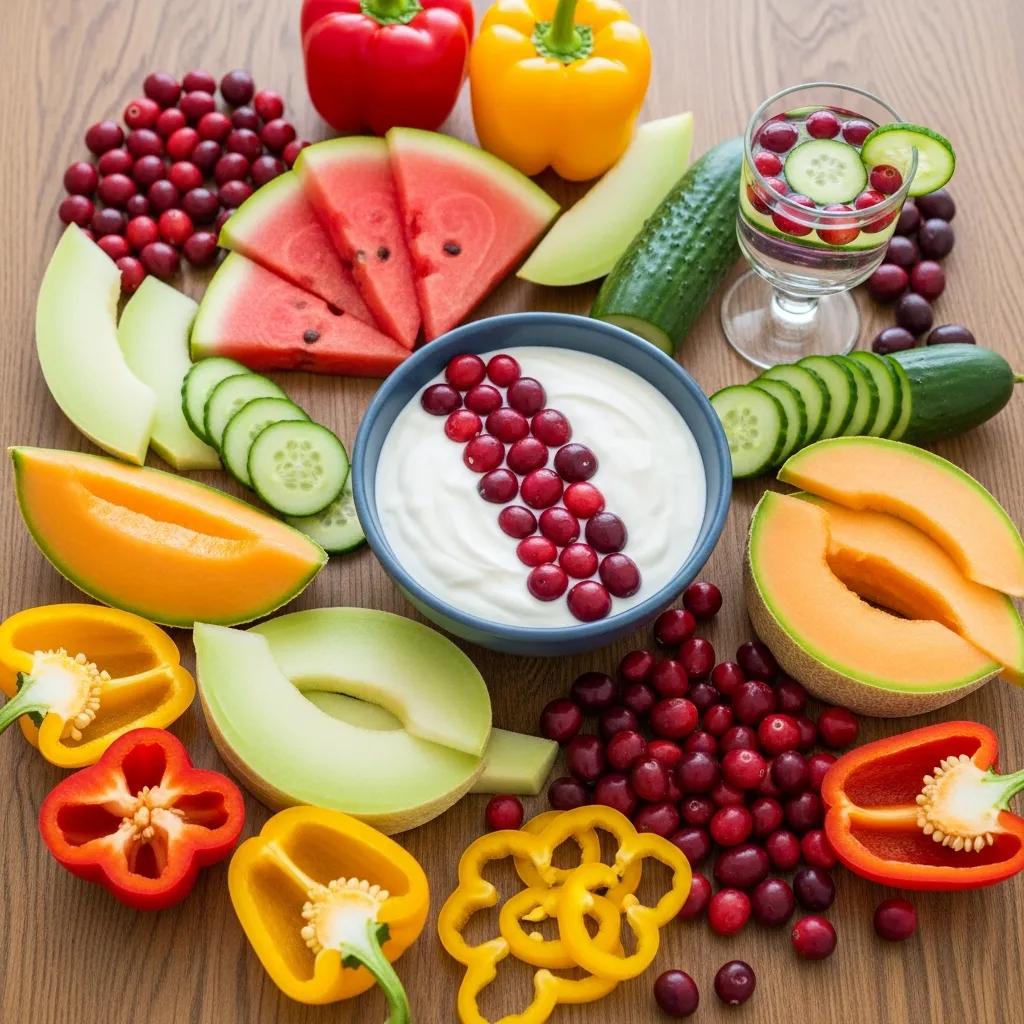
Dietary choices support urinary health mainly by maintaining hydration, providing probiotic organisms, or supplying nutrients that support immune defense; foods do not replace clinical treatment but can reduce recurrence risk when combined with other measures. Favoring water-rich fruits and vegetables, fermented probiotic foods, and vitamin-C-rich produce helps maintain a urinary environment less hospitable to pathogens. Avoiding bladder irritants like excess caffeine, artificial sweeteners, and highly acidic or spicy foods may reduce symptomatic bladder irritation that can mimic or worsen UTI symptoms. Below is a compact comparison of foods and their beneficial components to guide daily choices.
| Food | Beneficial Component | Suggested Serving / Note |
|---|---|---|
| Cranberries (low-sugar) | Proanthocyanidins | Use unsweetened dried or extract-based products |
| Yogurt / kefir | Live Lactobacillus cultures | Choose plain, live-culture varieties daily |
| Water-rich fruits (melon, cucumber) | Hydration | Complement fluid intake; snack alternative |
| Citrus / bell peppers | Vitamin C | Food sources preferred over high-dose supplements |
These food choices complement supplements and habits by promoting hydration, beneficial flora, and immune support, and they fit naturally into varied meal patterns without major disruption.
What Are the Top Foods That Promote a Healthy Urinary Tract?
Top urinary-health foods provide hydration, live cultures, or immune-supporting nutrients that help limit pathogen growth and support protective flora. Unsweetened cranberries or standardized cranberry products provide anti-adhesion compounds, fermented dairy or plant-based yogurts supply Lactobacillus strains, and water-dense fruits and vegetables increase fluid intake naturally while delivering vitamins. Consuming a variety of these foods across the week supports steady benefits rather than relying on single items. Pairing these foods with hydration and hygiene routines makes a more effective prevention strategy.
Regularly including these foods builds a supportive dietary pattern that reduces the frequency of symptomatic bladder irritation and may lower UTI recurrence.
How Does Vitamin C Support Urinary Health and UTI Prevention?
Vitamin C supports immune function and can modestly increase urinary acidity, which may inhibit some bacterial growth; however, evidence for vitamin C alone preventing UTIs is limited and mixed. Obtaining vitamin C from whole foods (citrus fruits, bell peppers, strawberries) is safe and provides additional nutrients, while supplements can be considered for those with low dietary intake. High-dose supplementation should be discussed with a clinician because excessive intake has potential risks and limited extra benefit for UTI prevention. Overall, vitamin C is a supportive adjunct rather than a standalone preventive measure.
Pairing dietary vitamin C with probiotics and hydration offers a multi-pronged, nutrition-focused approach to urinary resilience.
How Can Women and Menopause Patients Reduce Their Risk of UTIs?
Women have higher UTI risk due to a shorter urethra and the proximity of the urethral opening to the anus, as well as hormonal and microbiome factors that change across the lifespan; targeted prevention combines behavior, topical or systemic approaches when needed, and microbiome support. Menopause specifically reduces estrogen, which can thin vaginal epithelium and reduce Lactobacillus populations, increasing susceptibility to recurrent UTIs. Practical measures include hydration, post-coital voiding, avoiding irritants, considering vaginal probiotics, and discussing topical estrogen or other clinical options for persistent recurrences. Mapping specific risk factors to measures helps tailor prevention to the individual’s life stage and medical history.
The table below matches common female subgroups and risk-driven prevention actions to help clinicians and patients target interventions effectively.
| Population | Risk Factor | Recommended Prevention Strategy |
|---|---|---|
| Premenopausal sexually active women | Sexual activity, spermicide use | Post-coital voiding, avoid spermicides, consider prophylactic measures if recurrent |
| Postmenopausal women | Estrogen decline, reduced Lactobacillus | Discuss topical estrogen referral, probiotics, and tailored hygiene |
| Women with recurrent UTI history | Behavioral and microbiome contributors | Combine hydration, probiotics, and clinician evaluation for prophylaxis |
These targeted strategies emphasize that prevention is not one-size-fits-all and that clinical or pharmacist involvement can refine choices for safety and effectiveness. Value Drugstore’s pharmacists can offer telehealth consultations, recommend suitable probiotic strains, suggest probiotic or topical referral options, and provide compounding solutions when standard formulations do not suit patient needs.
Why Are Women More Prone to UTIs and What Prevention Strategies Work Best?
Women’s anatomy—specifically a shorter urethra and closer proximity to the anus—creates shorter pathways for bacteria to reach the bladder, and behavioral factors like certain contraceptives or hygiene practices can increase risk. Proven prevention steps include regular hydration, voiding after sex, avoiding spermicides, and maintaining a healthy vaginal microbiome through diet or probiotics. Addressing modifiable behaviors and supporting microbial balance typically reduces symptomatic infections without routine antibiotics. For recurrent UTI patterns, clinicians may recommend targeted prophylaxis, microbiome restoration strategies, or specialist referral.
Understanding these drivers makes prevention practical: modify behaviors that increase bacterial transfer and support protective flora through diet and supplements.
What UTI Prevention Tips Are Recommended During Menopause?
During menopause, declining estrogen reduces protective Lactobacillus levels and alters vaginal pH, increasing UTI risk; strategies focus on restoring local defenses and reducing irritation. Topical vaginal estrogen (by prescription) is effective for many postmenopausal women to restore mucosal integrity and support Lactobacillus recolonization; clinicians can assess candidacy and prescribe appropriately. Probiotic support, hydration, avoidance of irritants, and timely bladder-emptying remain important adjuncts; recurrent cases may benefit from pharmacist-guided product selection or compounded topical formulations. Discussing symptoms and patterns with a clinician helps determine whether topical hormone therapy, probiotic regimens, or compounded options are appropriate.
If you’d like personalized guidance on supplement selection, dosing, product availability, or compounding options, consult a Value Drugstore pharmacist or telehealth clinician for expert, tailored advice that aligns with your medical history and prevention goals.