
Senior Nutrition Simplified: Key Diet Tips for Healthy Aging

Essential Nutrition Tips for Older Adults: Senior Nutrition Guidelines for Healthy Aging
Proper senior nutrition means meeting changing nutrient needs to maintain strength, bone health, digestion, and cognitive function as we age. This article explains what “senior nutrition” involves, why older adults need tailored diets, and how practical meal planning, hydration, and targeted supplementation reduce risks like sarcopenia and osteoporosis. Readers will learn key nutrients to prioritize, simple plate-building strategies, common challenges older adults face, and when supplements and pharmacist support are appropriate for safe use. Recent research and geriatric nutrition guidance inform the recommendations here, and the article highlights actionable food swaps and easy recipes for those with chewing or appetite issues. Each section presents concise checklists, comparison tables, and quick steps you can apply immediately to improve an elderly diet and preserve independence. Throughout, terms like protein for seniors, vitamin D for older adults, and hydration elderly are used to connect practical advice with current evidence-based priorities.
What Are the Key Nutritional Needs of Older Adults?
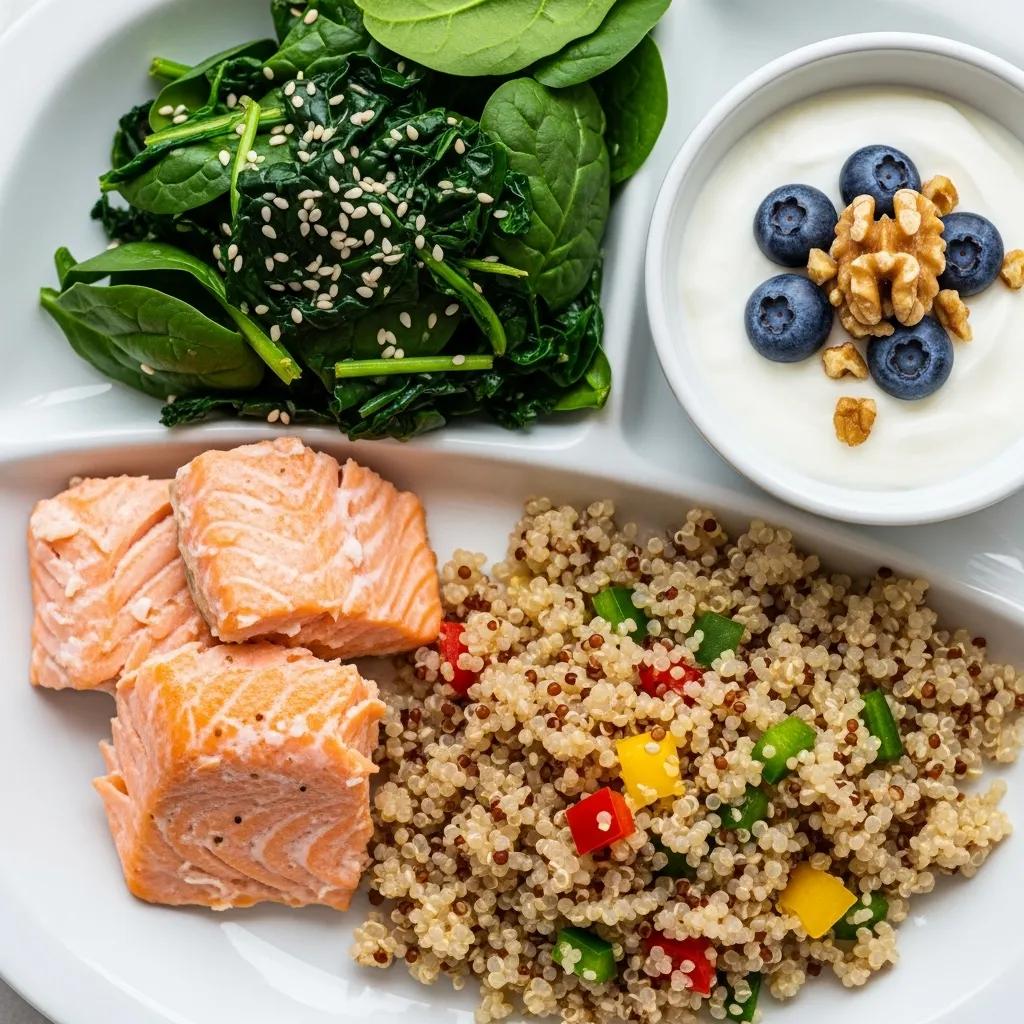
Adequate intake of specific nutrients helps older adults preserve muscle mass, maintain bone density, support cognition, and regulate digestion. Physiological changes—reduced appetite, decreased absorption, medication effects—make nutrients like protein, vitamin D, B12, calcium, fiber, and omega-3s especially important for senior nutrition and preventing malnutrition.
Below is a concise comparison of these core nutrients, their roles, and accessible food or supplement options to bridge gaps. The table gives quick guidance for meal planning and targeted supplementation when diet alone is insufficient.
| Nutrient | Recommended role & simple guidance | Food sources / Supplement options |
|---|---|---|
| Protein | Prevents sarcopenia; aim for protein at each meal | Lean poultry, eggs, dairy, legumes; protein-rich smoothies |
| Vitamin D | Supports bone health and immune function; test if limited sun | Fatty fish, fortified milk; vitamin D supplements |
| Vitamin B12 | Needed for nerve and blood health; absorption may drop with age | Meat, eggs, fortified cereals; oral or injectable B12 if deficient |
| Calcium | Maintains bone density and muscular function | Dairy, fortified plant milks, canned salmon with bones; calcium supplements as needed |
| Fiber | Supports digestion and cardiovascular health | Whole grains, fruits, vegetables, legumes |
| Omega-3s | Supports heart and brain health | Fatty fish, walnuts, flaxseed; omega-3 supplements |
The comparison clarifies priorities for balanced meals and shows common dietary sources that are easy to add. For older adults with limited diets or absorption issues, pharmacists can advise on supplement selection and compounding options to match individual needs.
Which Vitamins and Minerals Are Essential for Seniors?
Key vitamins and minerals require attention because aging changes absorption, metabolism, and reserves in the body. Vitamin D deficiency is common due to reduced skin synthesis and less outdoor time, increasing fracture risk; supplementation after testing is often warranted. Vitamin B12 absorption declines with age, causing fatigue and neuropathy if untreated; fortified foods or supplemental B12 may be necessary when intake or absorption is low. Calcium intake supports bone strength, but dietary absorption and medication interactions should be reviewed to optimize doses and timing.
These nutrient issues overlap with clinical concerns like osteoporosis and cognitive decline, so monitoring intake and symptoms helps target interventions. Briefly consulting a pharmacist or clinician can identify when testing or targeted supplementation is the safest next step.
How Much Protein and Fiber Do Older Adults Need Daily?
Older adults typically benefit from higher protein per meal to reduce muscle loss and support recovery from illness, with many guidelines advising roughly 1.0–1.2 g/kg/day depending on health status. Aim for a portion of high-quality protein at each meal—about a palm-sized serving—to hit daily targets without overwhelming appetite. Fiber recommendations remain around 21–30 grams daily for older adults, emphasizing soluble and insoluble sources to ease constipation and support heart health.
Practical strategies include blending protein into smoothies, choosing soft cooked legumes and whole-grain porridges, and spacing protein across meals to improve utilization. These approaches help prevent sarcopenia and support digestion without requiring large single meals.
How Can Older Adults Plan Balanced and Healthy Meals?

Building meals around nutrient-dense components preserves calories and ensures essential vitamins and minerals in smaller appetites. A simple plate model balances a protein source, colorful vegetables or fruits, whole grains or starchy vegetables, and a calcium-rich or fortified dairy component to meet key senior nutrition goals. Use the table below as a quick template for single-serving, easy-to-prepare meals and swaps when chewing or cooking is difficult.
| Meal component | Portion / contribution | Example foods / easy meal ideas |
|---|---|---|
| Protein | Palm-sized portion per meal | Scrambled eggs, canned fish on toast, Greek yogurt with nut butter |
| Vegetables / Fruits | Half-plate for fiber and micronutrients | Steamed mixed vegetables, soft fruit compote, cooked greens |
| Whole grains / Starches | Energy and fiber | Oatmeal, brown rice, mashed sweet potato |
| Calcium source | Small serving at meals | Fortified yogurt, cottage cheese, calcium-fortified plant milk |
Sample plate-building steps help caregivers and seniors create balanced meals with minimal prep and budget impact.
What Are Easy and Nutrient-Dense Meal Ideas for Seniors?
Choose meals that combine protein, soft textures, and flavor enhancements to improve intake and enjoyment. Smoothies with milk or fortified plant milk, protein powder, fruit, and nut butter deliver calories and nutrients in a swallow-friendly form. Soft soups with pureed legumes, flaked cooked fish, or blended lentil stews provide protein and fiber with little chewing required. Small, frequent nutrient-dense snacks—yogurt with ground flaxseed, cottage cheese with fruit, or hummus with soft pita—help reach daily goals when appetite is limited.
Flavor boosts with herbs, citrus, or savory sauces can stimulate appetite without adding complex preparation. These ideas prioritize nutrient density and ease of preparation for older adults with varying cooking abilities.
How Can Portion Control and Budget-Friendly Options Improve Senior Nutrition?
Portion control preserves appetite and prevents waste while still delivering nutrients, using visual cues such as a fist for a cup and palm for protein portions. Budget-friendly choices—frozen vegetables, canned beans, and bulk whole grains—offer nutrition without high cost and often require minimal prep. Batch-cooking and portioning single-serving meals into the freezer reduces daily cooking burdens and ensures a consistent supply of healthy options.
These practical strategies make consistent, balanced eating more feasible for seniors on fixed incomes or with limited mobility and support long-term adherence to a nutrient-rich elderly diet.
What Common Nutritional Challenges Do Seniors Face and How Can They Be Addressed?
Older adults commonly face reduced appetite, chewing or swallowing difficulties, dehydration, and medication-nutrient interactions that impair nutrient status and quality of life. Identifying these problems early—unintended weight loss, persistent constipation, confusion, or dry mouth—enables prompt interventions like fortified snacks, texture-modified foods, and hydration plans. Practical solutions include small, calorie-dense meals, fortified milkshakes, and scheduled fluids to prevent dehydration and malnutrition. Pharmacist consultations can help review medications that affect appetite or absorption and recommend formulation changes or compounding for ease of use.
Integrating simple monitoring—weekly weight checks and fluid logs—helps caregivers detect declines faster and prompt clinical follow-up when needed.
How Can Older Adults Prevent Malnutrition and Stay Hydrated?
Prevention focuses on routine, nutrient-rich eating and planned hydration throughout the day to offset diminished thirst cues. Schedule fluids with meals and between meals, include hydrating foods such as fruit and soups, and limit diuretics close to mealtime when safe to do so. When intake is low, fortified beverages or oral nutrition supplements provide concentrated calories and protein in small volumes to reverse weight loss. Monitor trends in weight, energy, and bowel patterns; if problems persist, seek healthcare evaluation for underlying causes or tailored interventions.
These steps reduce the immediate risks of dehydration and undernutrition while supporting recovery and functional independence.
What Solutions Help With Appetite Loss and Chewing Difficulties?
When chewing or swallowing is impaired, texture-modified diets and nutrient-dense liquids maintain intake while reducing aspiration risk. Pureed meals, soft cooked proteins, and thickened liquids can be combined into tasty, enriched dishes that preserve calories and key nutrients. Small, frequent meals and social mealtimes can stimulate appetite, and flavor enhancements make foods more appealing without adding unhealthy ingredients. Referral to dental care or speech-language pathology is appropriate for persistent mechanical issues, while pharmacists can suggest compounding or alternate supplement forms to aid swallowing and absorption.
Addressing mechanical and sensory barriers often restores adequate intake and improves overall nutritional status.
When Should Seniors Consider Supplements and How Can Pharmacists Help?
Supplements are appropriate when dietary intake is insufficient, tests show deficiency, malabsorption exists, or medications impair nutrient status; they are not a substitute for balanced meals. Commonly considered supplements include vitamin D and calcium for bone health, B12 when absorption is low, omega-3s for cardiovascular support, and targeted oral nutrition supplements for underweight individuals. Pharmacists play an essential role by reviewing potential medication–nutrient interactions, advising on appropriate formulations, suggesting monitoring, and arranging compounding for swallowing-friendly doses when needed. The table below compares common supplement types, when they are recommended, and pharmacist-supported options.
| Supplement type | When recommended / caution | Pharmacist role / compounding option |
|---|---|---|
| Vitamin D | Low sun exposure or low lab levels; monitor dosing | Recommend testing-based doses and safe timing |
| Vitamin B12 | Signs of deficiency or malabsorption; consider injections | Advise on oral vs injectable options and interactions |
| Calcium | Low dietary intake or osteoporosis risk; watch interactions | Coordinate dosing with meds to improve absorption |
| Omega-3s | Low fish intake or cardiovascular risk | Select formulations and check anticoagulant interactions |
What Types of Supplements Are Recommended for Older Adults?
Evidence-based choices focus on correcting documented deficiencies and supporting specific risks like bone loss or poor intake rather than blanket multivitamin use. Vitamin D and calcium are coordinated when bone health is a concern, B12 supplementation is targeted for absorption problems or low intake, and omega-3s may support heart and cognitive health when dietary sources are inadequate. Always consider medical history and medications before starting supplements, and prefer testing where feasible to tailor therapy safely.
Thoughtful selection reduces unnecessary supplementation and targets interventions that support healthy aging.
How Can Pharmacist Consultations Support Safe Supplement Use?
Pharmacists review current medications to identify interactions that reduce nutrient absorption or increase risk, such as anticoagulants with high-dose fish oil or acid-reducing drugs affecting B12. During a consultation, a pharmacist assesses diet, suggests appropriate supplement forms and dosing, and can coordinate compounding of swallow-friendly formulations when necessary. For complex cases, pharmacists recommend laboratory monitoring or clinician referral to ensure safety and effectiveness. For individualized help, Value Drugstore offers pharmacist consultations, natural supplement options, and personalized compounding services to support safe, evidence-informed choices for older adults.