You stand in the pharmacy aisle staring at rows of sleep aids. Some promise fast relief. Others claim to be natural. The prices vary wildly and the ingredient lists look like chemistry homework. You just want something safe that actually helps you fall asleep without feeling groggy the next morning.
This guide walks you through 9 proven over the counter sleep aid options you can buy at your local pharmacy. You’ll learn what each type does, how much it costs, who should avoid it, and when to talk to a pharmacist or doctor. We’ll cover antihistamine sleep aids, melatonin, herbal blends, combination products, and non pill alternatives so you can choose the right option for your situation.
1. Value Drugstore sleep aid support
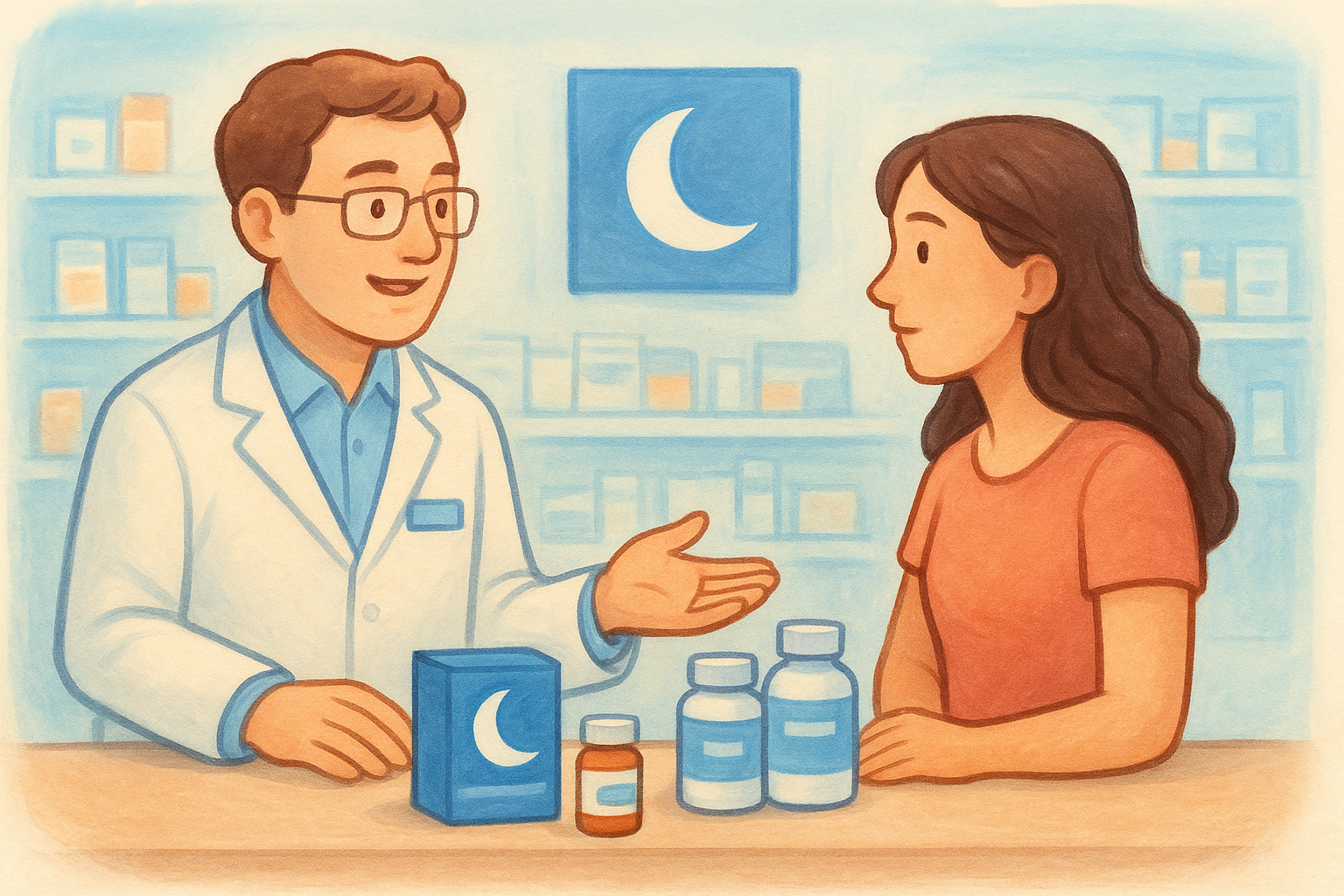
Value Drugstore offers personalized guidance when you need help choosing a sleep aid from the pharmacy. Your local pharmacist can review your specific health situation, current medications, and sleep problems to recommend the safest option. This community pharmacy combines the selection of a full-service drugstore with the individual attention you won’t find at big chain stores.
What you can find at Value Drugstore
You’ll find diphenhydramine tablets, doxylamine products, melatonin in multiple strengths, and herbal sleep blends at Value Drugstore. The pharmacy stocks both name brand and generic versions to fit different budgets. Natural supplements like magnesium and glycine sit alongside traditional sleep aids pharmacy options, giving you choices for mild or occasional sleep trouble.
How pharmacists help you choose a sleep aid
Your pharmacist reviews your current medications to check for interactions before you buy. They explain how each sleep aid works, what side effects to expect, and how long you can safely use it. This consultation happens face to face at the counter or through a quick phone call if you prefer.
When to see a doctor before using sleep aids
See your doctor first if you’ve struggled with sleep for more than three weeks or if you wake up gasping for air. Chronic insomnia often signals an underlying health condition that over the counter products can’t fix. Your pharmacist will direct you to medical care when sleep aids aren’t the right answer.
Use online refills and free delivery for sleep meds
Value Drugstore’s online refill platform lets you reorder sleep aids without leaving home. Free prescription delivery brings your order to your door, which helps when you’re too tired to drive. This service works for both prescription sleep medications and certain over the counter products you’ve purchased before.
When to book a telehealth visit about sleep
Book a telehealth consultation through Value Drugstore if sleep aids haven’t helped after two weeks of proper use. The virtual visit connects you with a licensed professional who can evaluate whether you need prescription strength treatment. Telehealth saves you a trip while giving you access to medical advice about persistent sleep problems.
A telehealth appointment can identify serious sleep disorders that require more than pharmacy sleep aids.
Safety questions to ask before you buy
Ask your pharmacist if a sleep aid will interact with your blood pressure medication or antidepressants. Find out whether you can drive the next morning and if the product causes daytime drowsiness. Discuss how long you can use it safely and what withdrawal symptoms might occur when you stop.
2. Diphenhydramine sleep aids
Diphenhydramine ranks as the most common active ingredient in over the counter sleep aids pharmacy shelves carry. You’ll recognize it as the drowsiness causing component in allergy medications that manufacturers repurpose as sleep products. This antihistamine works quickly and costs less than most alternatives, making it a popular first choice for occasional sleeplessness.
What diphenhydramine sleep aids are
Diphenhydramine is an antihistamine medication originally designed to treat allergic reactions and cold symptoms. Drug companies market the same ingredient at sleep promoting doses under brands like Benadryl, Sominex, and ZzzQuil. Your body doesn’t distinguish between diphenhydramine sold for allergies versus sleep, which explains why allergy pills often warn about drowsiness.
How diphenhydramine makes you sleepy
This medication blocks histamine receptors in your brain that normally keep you alert and awake. The blocking action produces drowsiness within 30 to 60 minutes of taking a dose. Your body metabolizes diphenhydramine slowly, which explains why the sedative effects can last 4 to 6 hours and sometimes cause morning grogginess.
Pros, cons, and common side effects
Diphenhydramine works fast and you can buy it without a prescription at any pharmacy. The low cost and proven effectiveness make it accessible for most people. Common side effects include dry mouth, constipation, dizziness, and next day drowsiness. Your body builds tolerance quickly, so the medication stops working after a week or two of nightly use.
Regular use of diphenhydramine can lead to tolerance within just seven consecutive nights.
Who should avoid diphenhydramine
Skip diphenhydramine if you have glaucoma, enlarged prostate, or urinary retention problems. People over 65 face higher risks of confusion and falls from this medication. You shouldn’t combine it with alcohol or other sedating drugs.
Typical dose, forms, and brand examples
The standard sleep dose is 25 to 50 mg taken 30 minutes before bed. You’ll find it as tablets, capsules, liquid gels, and liquid formulas. Common brands include Benadryl, Unisom SleepGels, ZzzQuil, and dozens of store brands with identical ingredients.
Price range and how to save at the pharmacy
Generic diphenhydramine costs $4 to $8 for a month’s supply of 25 mg tablets. Brand name versions run $10 to $15 for the same quantity. Buy the store brand version to save 50% while getting the exact same active ingredient and effectiveness.
3. Doxylamine sleep aids
Doxylamine offers a stronger sedative effect than diphenhydramine while maintaining similar safety for short term use. This antihistamine appears in many sleep aids pharmacy sections stock under the Unisom brand name and generic versions. You’ll find it works longer and causes more pronounced drowsiness compared to its diphenhydramine cousin.
What makes doxylamine different
Doxylamine belongs to a different antihistamine class than diphenhydramine, which explains why some people respond better to one than the other. This medication produces stronger sedation at lower doses and lasts longer in your system. Your body metabolizes doxylamine more slowly, creating sleep effects that extend 7 to 8 hours instead of 4 to 6 hours.
How doxylamine sleep aids work
This antihistamine blocks the same histamine receptors that keep you alert during the day. The blocking action happens in your central nervous system and creates drowsiness within 30 minutes of swallowing a dose. Doxylamine’s longer half life means it stays active in your bloodstream throughout the night, which helps prevent middle of the night waking.
Pros, cons, and side effects to know
Doxylamine works effectively for full night sleep and requires just one dose before bed. The medication costs less than prescription options and you can buy it without doctor approval. Side effects mirror diphenhydramine but often feel more intense, including severe dry mouth, next day grogginess, and constipation. You build tolerance after one to two weeks of consecutive use.
Doxylamine causes more morning drowsiness than diphenhydramine because it stays in your system longer.
Who should not take doxylamine
Avoid doxylamine if you have asthma, chronic bronchitis, or breathing problems during sleep. People with glaucoma, enlarged prostate, or difficulty urinating should choose a different sleep aid. Adults over 65 face increased fall risk and confusion from this medication.
Dosing, timing, and how long to use
Take 25 mg of doxylamine 30 minutes before you plan to sleep. You can find it as tablets or dissolving tablets under brand names like Unisom SleepTabs. Limit use to two weeks maximum to prevent tolerance and dependence.
Cost and value tips for doxylamine products
Generic doxylamine costs $5 to $10 for 30 tablets at most pharmacies. Brand name Unisom runs $12 to $18 for the same quantity. Store brands contain identical active ingredients and work exactly the same while saving you 40% compared to name brands.
4. Melatonin sleep supplements
Melatonin stands apart from antihistamine sleep aids pharmacy sections carry because your body already produces this natural hormone to regulate sleep. These supplements replace or boost your existing melatonin levels rather than forcing drowsiness through sedation. You’ll find melatonin works best for specific sleep timing problems instead of general insomnia.
How melatonin supports your sleep cycle
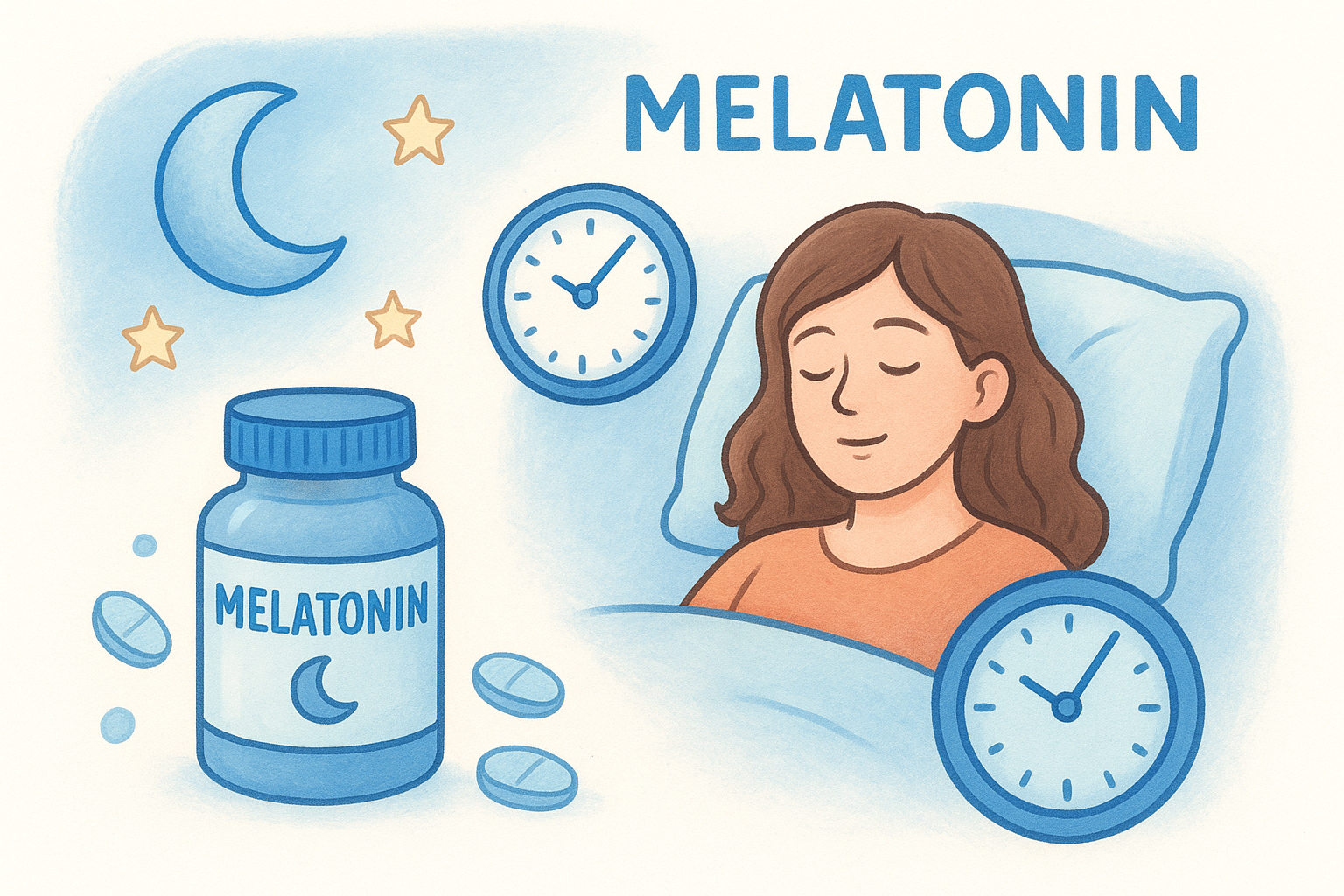
Your pineal gland releases melatonin when darkness falls to signal bedtime to your body. Supplemental melatonin mimics this natural process and helps reset your internal clock when it shifts off schedule. The hormone doesn’t knock you out like antihistamines but instead tells your brain that sleep time approaches.
Best uses for melatonin sleep aids
Melatonin works effectively for jet lag recovery and shift work sleep disruption. You’ll get better results using it to adjust your sleep schedule than to treat chronic insomnia. People who struggle falling asleep at a consistent time each night often respond well to low dose melatonin taken 1 to 2 hours before target bedtime.
Melatonin helps reset your sleep timing rather than forcing immediate drowsiness like antihistamine sleep aids.
Side effects and safety of melatonin
Most people tolerate melatonin without significant side effects. You might experience mild headaches, dizziness, or vivid dreams at higher doses. The supplement can interact with blood thinners and blood pressure medications, so check with your pharmacist before combining treatments.
How to choose dose, form, and timing
Start with 0.5 to 1 mg taken 1 to 2 hours before your desired sleep time. You’ll find tablets, gummies, liquid drops, and dissolving tablets at your pharmacy. Higher doses don’t work better and often cause more side effects.
Price, strengths, and what to expect
Melatonin costs $6 to $15 for a month’s supply depending on strength and form. Bottles contain doses from 1 mg to 10 mg, though most people need only 1 to 3 mg for effectiveness.
5. Magnesium and glycine for sleep
Magnesium and glycine offer gentler alternatives to antihistamine sleep aids pharmacy shelves display prominently. These naturally occurring substances support your body’s sleep mechanisms without the sedative knockout effect or next day grogginess. You can take them individually or find combination products that pair both supplements for enhanced sleep support.
How magnesium may improve sleep quality
Magnesium regulates neurotransmitters that send calming signals throughout your nervous system. This mineral helps activate your parasympathetic nervous system, which controls your rest and digest functions. Low magnesium levels correlate with poor sleep quality and frequent nighttime waking in research studies.
How glycine can support deeper sleep
Glycine works as an inhibitory neurotransmitter that lowers your core body temperature to prepare you for sleep. This amino acid increases serotonin production without raising serotonin levels, helping you transition into deeper sleep phases. Your body temperature naturally drops before sleep, and glycine accelerates this cooling process.
Glycine taken before bed can improve sleep quality without causing morning drowsiness typical of antihistamine sleep aids.
Pros, cons, and side effects to watch
Both supplements produce minimal side effects compared to pharmaceutical sleep aids. You won’t build tolerance or face withdrawal symptoms when stopping use. High magnesium doses can cause digestive upset and diarrhea, while excessive glycine might lead to mild nausea. Start with lower doses to assess your tolerance.
Choose the right forms and doses
Take 200 to 400 mg of magnesium glycinate or magnesium threonate 30 minutes before bed. Glycine works at 3 grams taken directly before sleep. You’ll find both as capsules and powders that dissolve in water for faster absorption.
What magnesium and glycine cost at a pharmacy
Magnesium supplements cost $10 to $20 for a month’s supply depending on the form. Glycine powder runs $15 to $25 for 30 servings. Combination sleep products containing both ingredients range from $20 to $35 per month.
Who should talk to a doctor before using them
Consult your doctor if you take blood pressure medication or have kidney disease before using magnesium supplements. People with kidney problems should avoid high dose glycine. Check with your pharmacist about interactions with prescription medications.
6. Herbal sleep aid blends
Herbal sleep aids pharmacy sections stock combine plant extracts that cultures have used for centuries to promote relaxation and sleep. These products blend multiple herbs to create synergistic effects stronger than individual ingredients alone. You’ll find these formulas marketed as natural alternatives to antihistamine sleep aids, though natural doesn’t automatically mean safer or more effective.
Common herbs in pharmacy sleep formulas
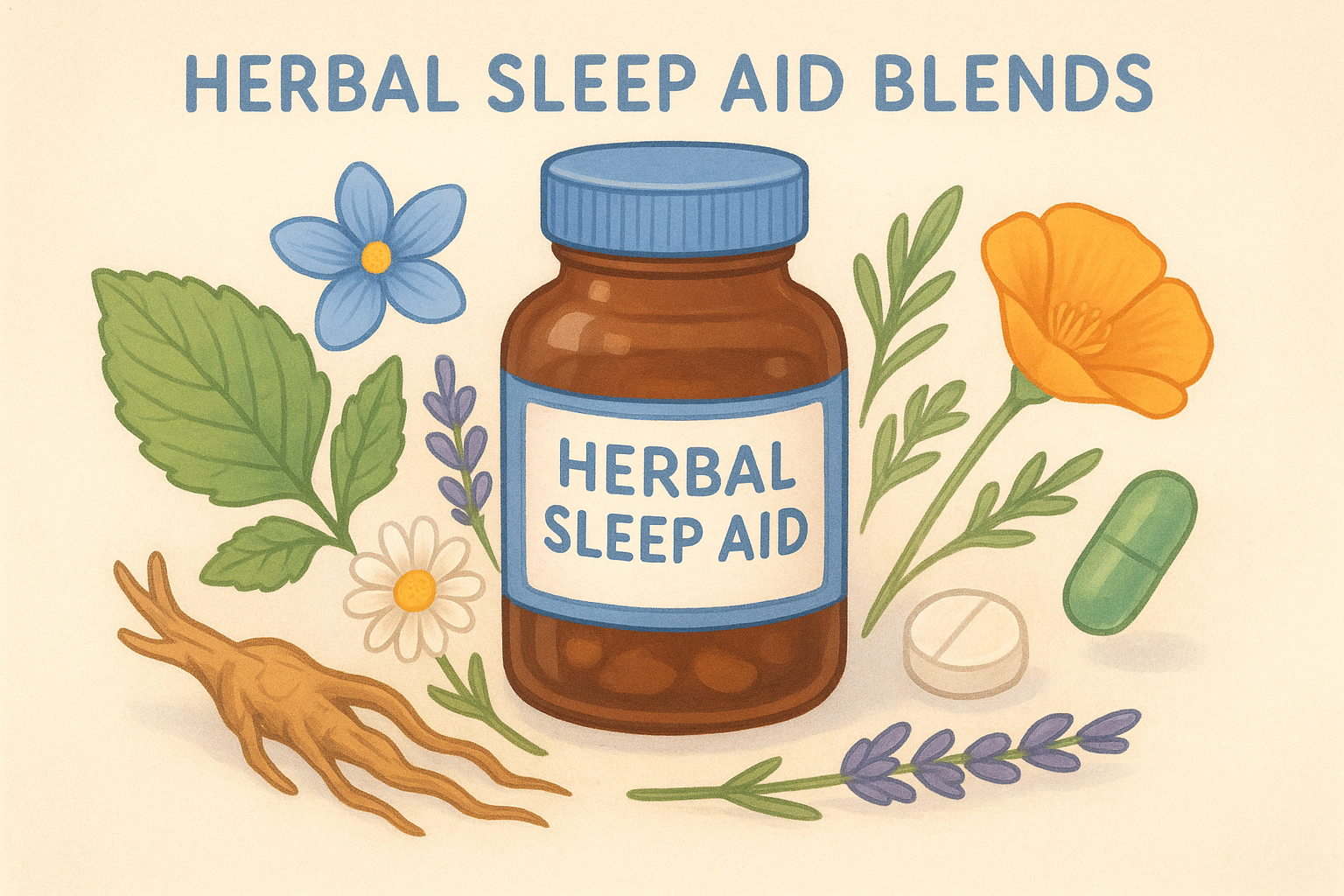
Most herbal sleep blends contain valerian root, lemon balm, passionflower, and chamomile as primary ingredients. You’ll also find hops, lavender, and California poppy in various combinations. Manufacturers add small amounts of melatonin or magnesium to enhance the formula’s sleep promoting properties.
How valerian, lemon balm, and others work
Valerian root increases GABA activity in your brain, creating calming effects similar to prescription sleep medications but much weaker. Lemon balm reduces anxiety and mental restlessness that prevents sleep onset. Passionflower and chamomile work as mild sedatives that relax your nervous system without strong knockout effects.
Herbal sleep blends produce gentler effects than antihistamine sleep aids but require consistent use for 2 to 4 weeks to reach full effectiveness.
Safety, side effects, and interactions
These products cause fewer side effects than pharmaceutical sleep aids but can still produce morning grogginess and headaches. Valerian interacts with sedative medications and alcohol to increase drowsiness dangerously. Check with your pharmacist before combining herbal blends with antidepressants or anxiety medications.
How to pick a quality herbal sleep product
Look for products with standardized extracts that list specific ingredient amounts on the label. Choose brands that display third party testing seals from USP or NSF. Avoid products with proprietary blends that hide individual herb amounts behind vague total quantities.
Typical pricing for herbal sleep aids
Herbal sleep blends cost $12 to $25 for a 30 day supply at most pharmacies. Premium brands with organic ingredients and third party testing run $20 to $35 per month.
7. Nighttime pain and sleep medicines
Combination products that pair pain relievers with sleep aids pharmacy sections stock target people who struggle falling asleep because of aching muscles, headaches, or minor pain. These medications bundle acetaminophen or ibuprofen with diphenhydramine to address both discomfort and sleeplessness in one pill. You save money and simplify your bedtime routine by taking a single product instead of reaching for separate medications.
When a pain plus sleep aid makes sense
You’ll benefit from combination products when minor pain actively prevents you from falling asleep. Headaches, muscle soreness from exercise, arthritis flare ups, and menstrual cramps respond well to these nighttime formulas. Skip them if pain isn’t keeping you awake, since you’ll expose yourself to unnecessary medication ingredients and side effects.
How these combination products work
The pain reliever component blocks prostaglandins that cause inflammation and discomfort in your body. Diphenhydramine adds sedation by blocking histamine receptors in your brain. Both ingredients work together to eliminate the physical discomfort and mental alertness that prevent sleep onset.
Safety risks, liver health, and interactions
Acetaminophen in these products can damage your liver when you exceed recommended doses or mix it with alcohol. Taking multiple medications that contain acetaminophen creates dangerous overdose risk without realizing it. Check every medicine label to avoid doubling up on the same pain reliever from different products.
Taking more than one product containing acetaminophen can cause serious liver damage even at doses that seem safe.
Who should avoid nighttime pain relievers
Skip these products if you have liver disease, kidney problems, or stomach ulcers. People who take blood thinners face bleeding risks from the ibuprofen versions. Adults over 65 should avoid diphenhydramine containing formulas due to increased fall and confusion risks.
Dosing, timing, and maximum days of use
Take the dose printed on the package 30 minutes before bed with a full glass of water. Limit use to 7 to 10 days maximum without consulting your doctor. Extended use masks underlying conditions that need medical attention.
Price range and ways to save safely
These combination products cost $8 to $15 for 20 to 30 doses at most pharmacies. Store brands offer identical ingredients for 40% less than name brands like Tylenol PM or Advil PM.
8. Non pill sleep support from the pharmacy
Your pharmacy carries non medication options that support better sleep without swallowing pills or risking side effects. These products work by creating an environment and routine that signals bedtime to your body. You’ll find everything from calming teas to white noise machines that help you relax naturally without antihistamines or supplements.
Sleep teas, gummies, and drink mixes
Chamomile and lavender teas provide ritual and warmth that prepares your body for rest. Sleep gummies containing L-theanine or GABA offer chewable alternatives to capsules while adding enjoyment to your bedtime routine. Powdered drink mixes with magnesium and herbal extracts dissolve in warm water to create a calming beverage you sip 30 minutes before bed.
Relaxing bath products and aromatherapy
Epsom salt baths with lavender oil help lower your body temperature after you exit the tub, which triggers natural drowsiness. Essential oil rollers and pillow sprays add soothing scents to your bedroom environment. Your pharmacy stocks diffusers and sleep specific essential oil blends that release calming aromas throughout the night.
Sleep masks, earplugs, and white noise
Light blocking sleep masks eliminate bedroom brightness that disrupts melatonin production. Foam earplugs reduce noise disturbances that jolt you awake during light sleep phases. White noise machines create consistent sound that masks sudden noises from traffic or neighbors.
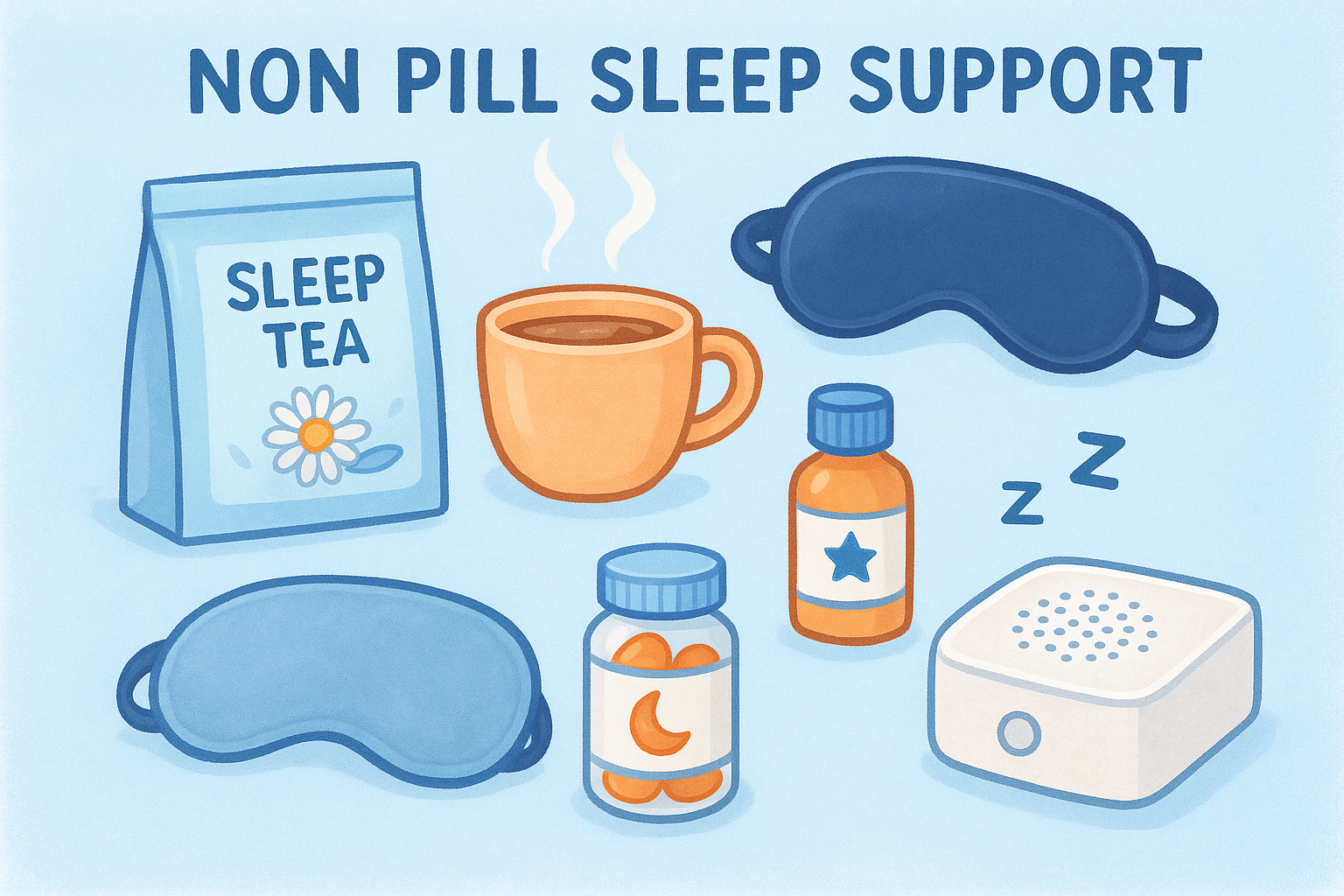
Creating a dark, quiet sleep environment often works better than taking sleep aids pharmacy sections promote heavily.
Build a simple bedtime routine with pharmacy tools
Combine three products to create a predictable routine your brain associates with sleep. You might spray lavender on your pillow, put on a sleep mask, and turn on a white noise machine at the same time each night. This consistency trains your body to expect sleep when these cues appear.
How much these non drug options usually cost
Sleep teas cost $5 to $12 per box at most pharmacies. Bath products and essential oils run $8 to $20 per bottle. Sleep masks and earplugs range from $10 to $25 for quality versions that last months.
When to pair products with lifestyle changes
Pair these pharmacy tools with consistent sleep schedules and reduced screen time before bed. You’ll get better results combining products with behaviors like avoiding caffeine after 2 PM and keeping your bedroom cool.
Next steps
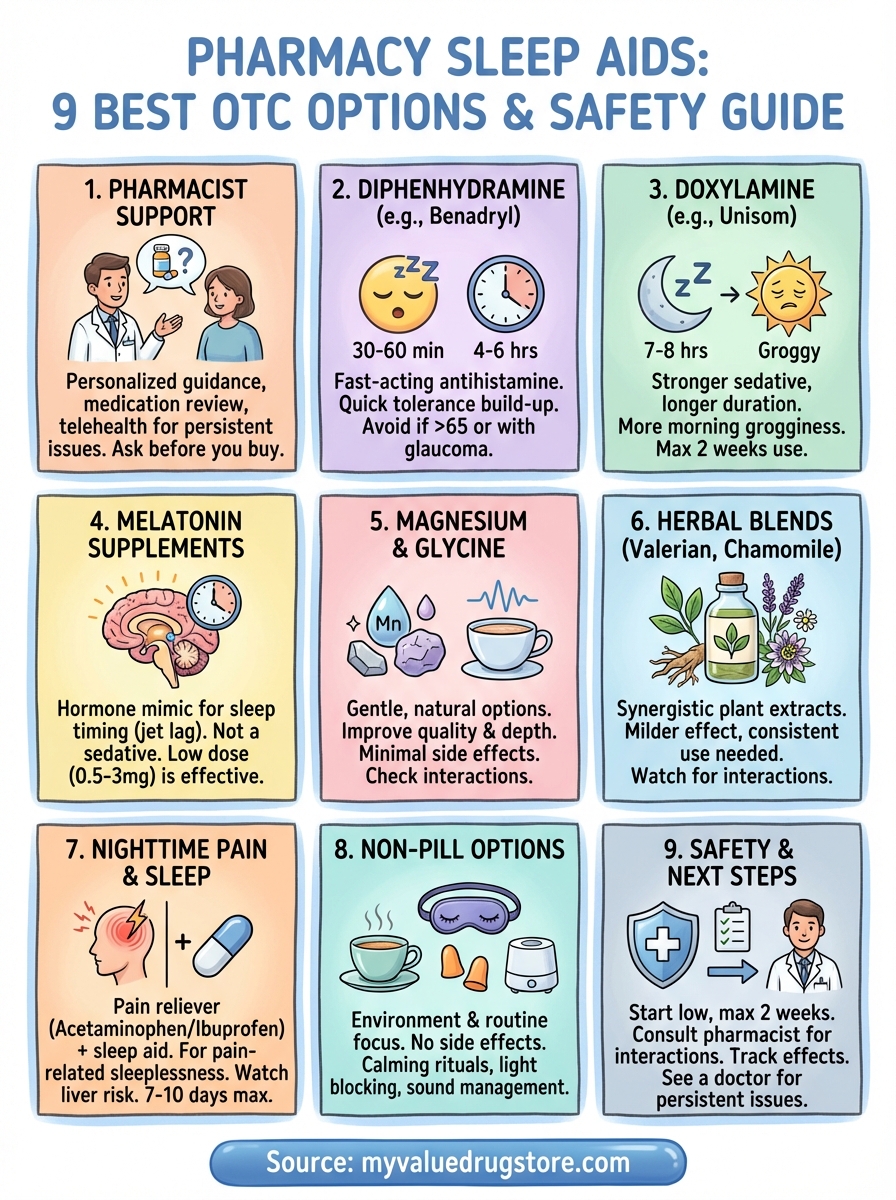
You now know the 9 main types of sleep aids pharmacy sections carry, from diphenhydramine to herbal blends and non pill alternatives. Start with the lowest effective dose of any product you choose and use it for no more than two weeks without medical guidance. Track how each option affects your morning alertness and sleep quality to identify what works best for your body.
Visit your local pharmacist before buying if you take prescription medications or have health conditions that might interact with sleep aids pharmacy products. Your pharmacist reviews your complete medication list and steers you away from dangerous combinations. Value Drugstore’s experienced team provides personalized consultations that help you choose the safest, most effective option for your specific sleep struggles while avoiding products that could cause problems with your current treatments.