
Smart Medicine Habits for Healthy Kids
Keeping Kids Safe with Medicine: Practical Tips and Guidelines for Parents and Caregivers
Keeping children safe around medicine means using, storing, measuring, and disposing of medications in ways that prevent mistakes, accidental swallowing, and harmful interactions. Unintentional pediatric exposures at home still drive many emergency calls, so simple, consistent safety steps matter. This guide walks through practical storage ideas, how to measure liquids accurately, ways to avoid common errors, and when to seek urgent help. It highlights how pharmacists and trusted resources like Poison Control and pediatric safety lists can support families. You’ll learn how to set up secure storage, measure doses correctly, check for interactions, and spot warning signs that need immediate attention. Each H2 section that follows includes quick-check lists, comparison tables for devices and storage options, and clear action steps you can use at home. Throughout, we tie in pharmacy services and local pharmacist roles to help you turn safety tips into everyday routines for children of all ages.
How Can Parents Safely Store Medications to Protect Children?
Safe storage makes medicines hard for kids to reach, lowers the chance a child will mistake medicine for food or candy, and reduces dosing mistakes by keeping medications in one secure place. Aim for “up and away” plus a lockable container to keep medicines out of sight and out of reach — that also helps prevent accidental double-dosing when caregivers forget a given dose. Effective storage combines physical barriers with clear labeling and regular checks so the household always knows what medicines are present. The next paragraphs cover best practices, how storage stops accidental ingestion, and practical product options to consider.
Different storage choices balance convenience and child resistance; the table below compares common options and their safety features.
| Storage Method | Security Level | Pros / Cons |
|---|---|---|
| Lock box | High | Pros: portable and lockable; Cons: must be used correctly and requires key/code management |
| Cabinet (high shelf) | Low-Moderate | Pros: easy for adults to access; Cons: not fully child-proof and can be reached with a boost |
| Child-resistant bottle caps | Moderate | Pros: standard for store-bought medicines; Cons: not effective if bottles are left within reach |
| Medication lock pouch | High | Pros: soft, mountable, and discreet; Cons: may be forgotten or left unlatched by busy caregivers |
Keeping medicines locked and in a single, predictable location reduces confusion and lowers the chance that different caregivers will give duplicate doses. Regularly review stored items and promptly discard expired or unused medicines to keep your home safer and make it easier to act quickly if an incident occurs.
What Are the Best Practices for Child-Resistant Medication Storage?
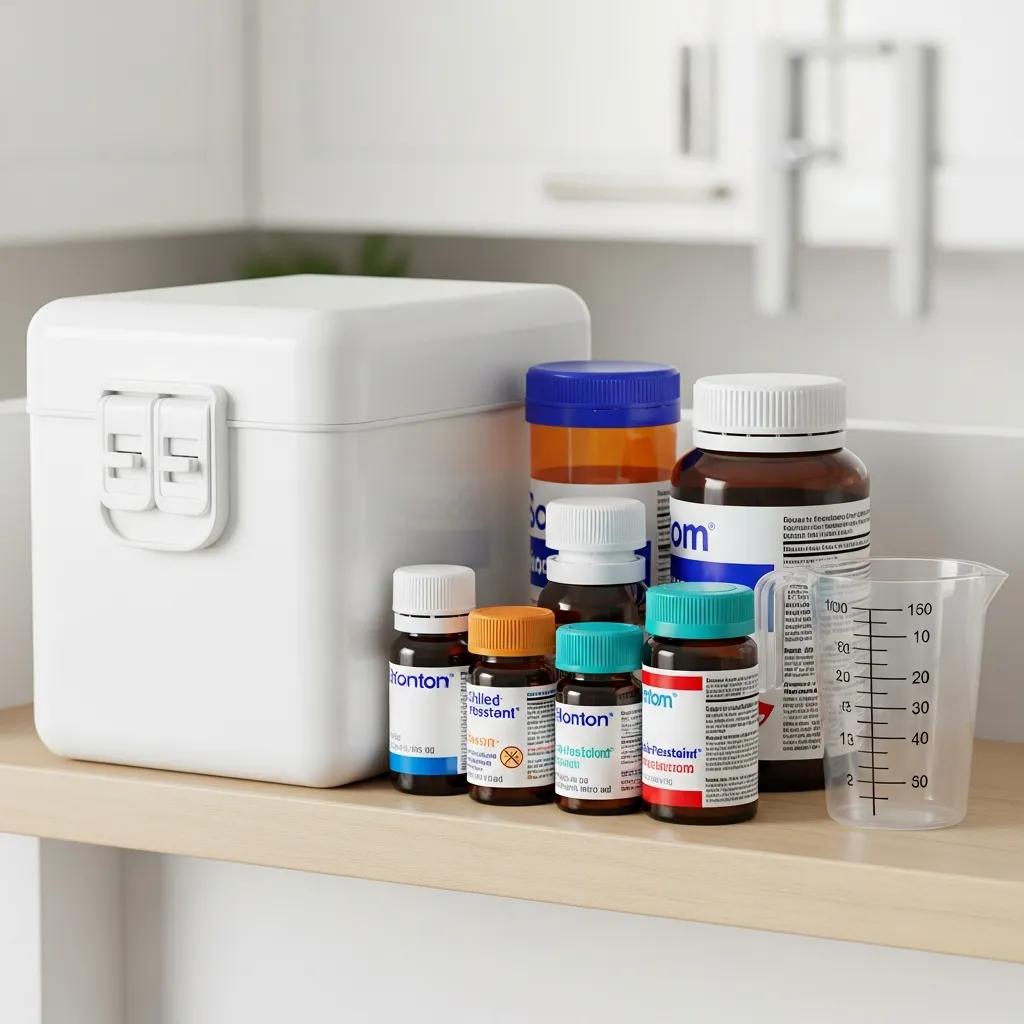
Child-resistant packaging helps, but it doesn’t replace good storage habits — determined children can sometimes get past closures. Best practices include keeping medicines in locked containers, storing all prescription meds and vitamins together and out of sight, and keeping dosing devices with the medicine so caregivers use the right tool each time. Label bottles clearly and hide or remove any packaging that might attract a child’s attention, such as brightly colored vitamin containers. These steps work with product-level safety features to lower the behavioral risks that lead to accidental ingestion. The next subsection explains more about why packaging alone isn’t enough.
Child-Resistant Packaging: Preventing Pediatric Poisoning
Child-resistant (CR) packaging — known as Poison Prevention Packaging (PPP) in the U.S. — is designed to make it hard for young children (typically under age 5) to open containers while still allowing adults access. Many household substances, from medicines to cleaners, can harm a curious child, so keeping products out of reach and under lock and key is the safest option. Public education helps, but it can’t eliminate all risk, which is why clear labeling and safe storage practices remain essential to prevent accidental poisonings.
Child-resistant packaging, 1996
CR packaging is an important safety layer, but it isn’t foolproof. Combine CR containers with locked storage, clear labeling, and keeping dosing tools with the medicine to ensure accurate dosing. Hiding packaging that might attract children — for example, colorful vitamin bottles — further reduces risk. Together, these habits and product features make accidental ingestion far less likely.
Innovative Child-Resistant Packaging for Pharmaceutical Solid Dosage Forms
Researchers tested a new child-resistant packaging prototype using a click-lock design and blister pack materials. Panels of 100 children (aged roughly 42–51 months, split across age groups) and 100 adults (divided by age ranges) attempted to open the packs. Only 6% of children opened the package within 5 minutes, while 94% could not; by contrast, 96% of adults accessed the contents without difficulty. The study showed that a well-designed CR system can greatly reduce children’s access to solid-dose medicines while remaining usable for adults.
Innovative Child-Resistant Packaging for Pharmaceutical Solid Dosage Forms, 2019
How Does Proper Storage Prevent Accidental Medication Ingestion?
Good storage stops ingestion by making medicines physically inaccessible and by lowering the chance a child will mistake them for food or candy. Locked or high storage breaks the chain — curiosity, access, ingestion — so incidents drop even when supervision lapses. Routine checks and clear communication among caregivers (for example, noting when a dose was given) reduce duplicate doses or misplaced bottles. A quick monthly home safety review can uncover weak spots and help you strengthen protection.
- Recommended quick home storage checklist: Place medicines in a locked box: Use one secured container for all medicines and supplements. Store out of sight and reach: Choose high cabinets or locked drawers away from play areas. Keep dosing devices with the medicine: Store oral syringes and cups with the prescription bottle. Dispose of unused meds promptly: Use community disposal programs or pharmacy take-back options. Communicate with caregivers: Tell babysitters and relatives where medicines are kept and how doses are recorded.
These simple checks make safe storage a habit and reduce emergencies. The next H2 explains how accurate dosing connects to storage and everyday safety.
What Are the Key Pediatric Dosage Guidelines for Giving Medicine to Kids Safely?
Pediatric dosing rests on two key ideas: dosing by weight and measuring precisely. Calculating a dose based on a child’s current weight aligns the medicine to their size and how their body handles drugs. Use purpose-built devices like oral syringes to measure accurately — household spoons can lead to under- or overdosing. Always read the label for concentration, dose, frequency, and route, and confirm the child’s weight before giving a dose. The table below compares common measuring devices and when to use them.
| Measuring Device | Accuracy | Recommended Age / Use Case |
|---|---|---|
| Oral syringe | High accuracy for small volumes | Best for infants and children under 5 for doses <10 mL |
| Dosing cup | Moderate accuracy | Useful for older children who can drink from a cup; less precise for small amounts |
| Dosing spoon | Low accuracy | Not recommended — variable volumes make it unreliable for precise dosing |
| Calibrated syringe with adapter | High | For very small infants or when using compounded liquids that need an adapter |
Accurate measurement reduces dosing mistakes. The next subsections show how to measure correctly and why weight-based dosing matters for both safety and effectiveness.
Accurate Liquid Medication Administration for Children
Caregivers should routinely use calibrated tools — like oral syringes or dosing spoons — to measure and give liquid medicines. Health professionals recommend these devices because they improve dose accuracy and reduce errors.
Accurately administering oral medication to children isn’t child’s play, 2012
When giving liquid medicines, choose the right tool for the job. Calibrated spoons and oral syringes are preferred because they help you give the exact dose prescribed. Precision matters: the correct amount makes treatment effective and lowers the risk of harm from too little or too much medicine.
How Do You Measure Accurate Dosages for Children?
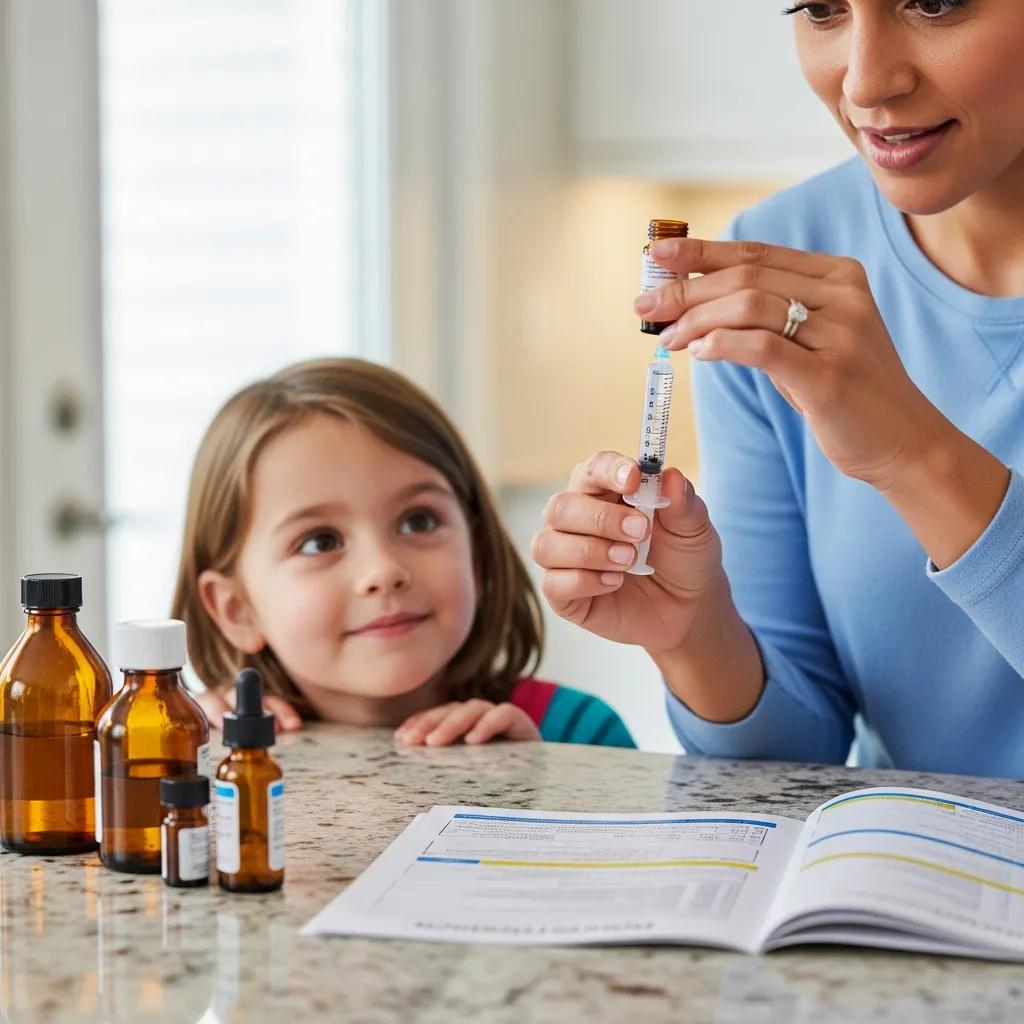
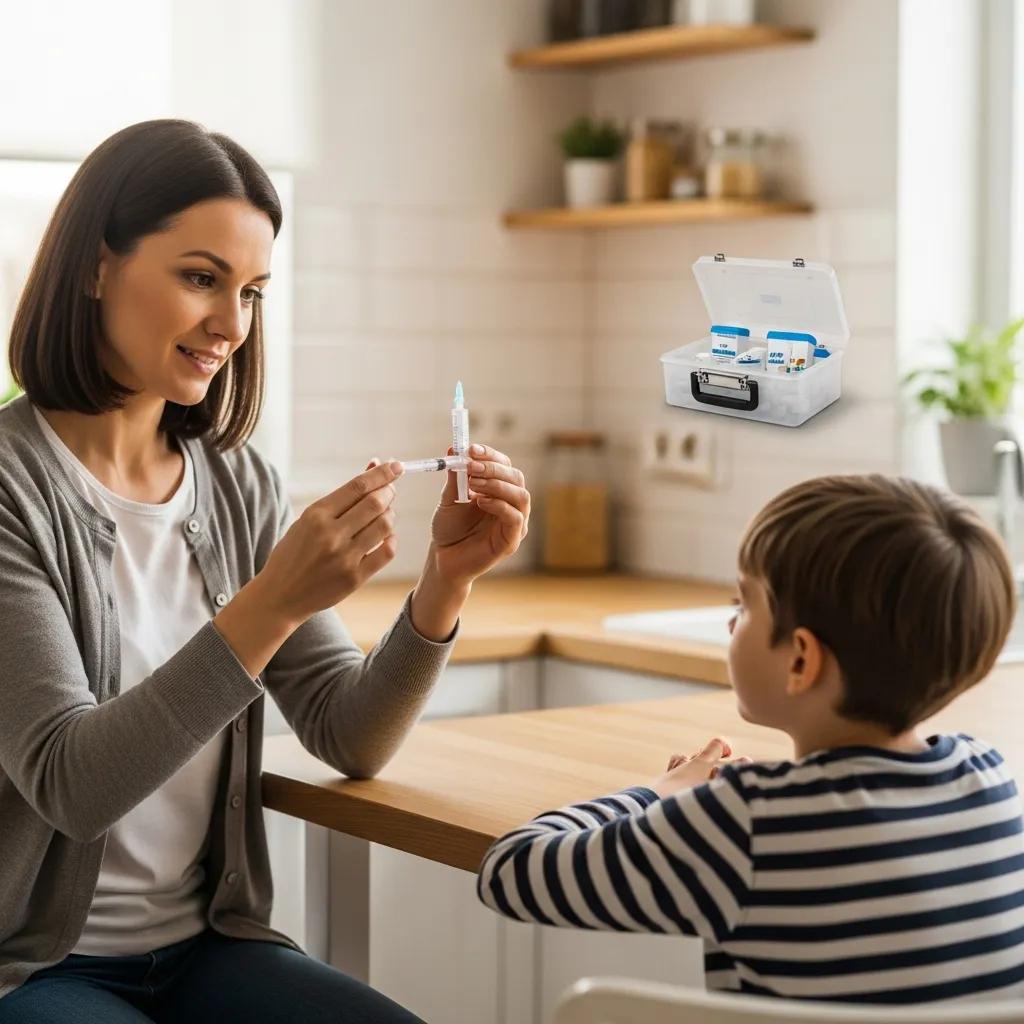
Use an oral syringe for liquid medicines: draw the liquid to the correct mL mark, tap out air bubbles, and give the dose slowly toward the inside cheek to reduce choking risk. Check the label for concentration (for example, mg per mL) and follow the prescribed mL dose — don’t guess with household spoons. Keep the dosing device with the medicine and clean it as instructed so the markings remain readable. Practicing the technique once with a pharmacist or experienced caregiver can prevent common mistakes and build a safe routine.
Why Is Weight-Based Dosing Important in Pediatric Medication?
Children handle drugs differently from adults, so dosing by weight matches the medicine amount to the child’s size and how their body processes drugs. Using an outdated or estimated weight can lead to underdosing (not enough effect) or overdosing (possible toxicity), especially for drugs with narrow safety margins. Always verify the child’s current weight, calculate the dose or follow the provider’s instructions, and consult a pharmacist if a dose seems unusual or if you’re using off-label or compounded formulations. That extra check helps keep dosing safe and effective.
- Three quick dosing rules for parents: Measure by mL with a proper device: Avoid household spoons. Confirm weight-based instructions: Use the child’s current weight for calculations. Double-check with a pharmacist for anything unclear: Especially for unfamiliar medicines or compounded doses.
Note: Value Drugstore offers pharmacist verification and personalized compounding to adjust doses or flavors when standard formulations don’t fit — an extra layer of pediatric dosing safety.
How Can Parents Prevent Common Medication Errors in Children?
Most home medication errors come from unclear labels, inconsistent storage, and using the wrong measuring device. Common slip-ups include mixing up similarly named products, mismeasuring doses, or giving duplicate medicines because caregivers didn’t know a dose was already given. Checking active ingredients, keeping a single medication log, and using pharmacist services to screen for interactions can prevent these mistakes. The list below shows frequent errors and what parents can do right away.
- Wrong product given: Stop and compare the label to the prescription; if you’re unsure or the child swallowed a notable amount, call Poison Control right away.
- Incorrect dose measured: Pause any further doses until you confirm the correct amount and consult a pharmacist for guidance.
- Wrong frequency / missed doses: Use a dosing chart or app to track when doses were given and set reminders for the next dose.
- Duplicate therapy (same active ingredient in multiple meds): Check ingredient lists and ask a pharmacist to prevent accidental overdose.
- Failure to check allergies: Confirm allergy history before giving a new medicine and make sure all caregivers know and document any reactions.
These prevention steps cut down on common error pathways. The next subsection addresses drug interactions and why they deserve special attention with children.
What Are the Most Frequent Medication Mistakes Made with Kids?
At home, the most common mistakes are simple: mixing up medicines with similar names, misreading concentrations (mg per mL), and using household utensils for dosing. If an error happens, stop giving the medicine, check the original prescription label, and contact Poison Control or a pharmacist for next steps. Prevention is about consistent labeling, storing medications together, and keeping a single medication list that every caregiver consults. These habits improve safety and communication among family and providers.
How Do Drug Interactions Affect Pediatric Medication Safety?
Drug interactions can change how a medicine works by affecting absorption, metabolism, or elimination. Children may be more sensitive to these changes because their bodies are still developing. Common risks include mixing OTC cough medicines with prescription drugs or adding supplements that alter metabolism. Use an interaction checker or ask a pharmacist to review multiple medicines, and refer to pediatric resources like the KIDs List or guidance from pediatric pharmacy groups when in doubt. Early pharmacist review can identify risky combinations and suggest safer options or monitoring plans.
- Tools and resources parents should use: Medication list review: Share a complete list with every provider and pharmacist. Pharmacist interaction check: Ask a pharmacist to review whenever a new medicine or supplement is started. Pediatric safety references: Consult authoritative pediatric lists for high-risk drugs and contraindications.
These tools lower interaction risk and help keep medication records consistent across caregivers.
How Can Pharmacists Help Ensure Medication Safety for Children?
Pharmacists are medication experts who can verify pediatric doses, screen for interactions, recommend accurate measuring devices, and advise on formulations that improve safety and adherence. They can explain label details — dose, frequency, concentration — and show you how to use oral syringes or other delivery tools so dosing at home is accurate. Pharmacists also guide families on when to call Poison Control or seek emergency care, serving as a bridge between everyday safety and urgent response. The table below summarizes common pharmacy services, what they help with, and when to use them.
| Pharmacy Service | What It Helps With | When to Use |
|---|---|---|
| Dose verification | Confirms weight-based dosing and correct concentration | Always for new prescriptions or dose changes |
| Compounding | Makes custom doses and flavors easier for children | When commercial formulations aren’t available or aren’t tolerated |
| Telehealth consultations | Remote counseling for dosing and interaction questions | For quick clarifications without an in-person visit |
| Medication reconciliation | Finds duplicate therapy and interaction risks | When multiple providers or caregivers are involved |
Think of pharmacists as a final safety check before medication reaches your child — their counseling and tailored solutions reduce errors and support safer, more reliable treatment.
What Personalized Advice Do Pharmacists Provide for Child Medication Safety?
Pharmacists check dose calculations, recommend the right measuring device, and can suggest compounding options to achieve precise weight-based doses or mask unpleasant tastes. They’ll teach caregivers how to read concentrations and follow label instructions, demonstrate device technique, and help create a single medication list to share with other caregivers. Ask your pharmacist to review all active ingredients and confirm timing to avoid duplicate therapy. This personalized support reduces dosing mistakes and helps medicines be easier for children to take.
If you want local pharmacist support, Value Drugstore offers telehealth consultations, personalized compounding, and prescription refill help — services aimed at answering pediatric dosing questions, creating taste-masked options, and keeping medication plans consistent while prioritizing safety.
When Should Parents Contact Poison Control or Emergency Services?
If a child may have swallowed medicine unexpectedly, first secure the child and the medicine container, note the amount and time, and call Poison Control for step-by-step guidance. If the child shows severe symptoms — such as unconsciousness, trouble breathing, or seizures — call emergency services right away. Poison Control will ask for details about the substance, amount, and the child’s age or weight and will tell you whether to go to the emergency department. Keep product labels and dose records handy to give accurate information to responders; quick documentation and following professional instructions improve outcomes in suspected ingestion events.
- Emergency action steps for suspected ingestion: Secure the child and the package: Remove remaining medication and keep the packaging for reference. Call Poison Control immediately: Be ready to provide the substance, estimated amount, and the child’s weight/age. Follow instructions: Only give first aid if directed; seek emergency care for severe symptoms.
Read the guidance above and use it as a practical, everyday checklist to keep medicine use at home safe and straightforward.