Top 7 Natural Supplements to Boost Immunity
Boost your immunity with natural supplements: trusted vitamins and herbal support for immune health
Natural supplements can be a helpful complement to everyday habits that keep your immune system resilient and lower infection risk when used appropriately. This guide walks through which vitamins, minerals, herbs, and probiotics support immune function, how they work at a biological level, and practical tips for choosing high-quality products for adults in late 2024. Many people look for extra immune support during seasonal peaks or when diet and sleep fall short. Targeted supplements offer antioxidant protection, cofactors for immune enzymes, and ways to modulate innate and adaptive responses. You’ll find the top evidence-backed options, how vitamins C, D, and B6 act at the cellular level, the roles of zinc and selenium, and how gut health and lifestyle habits boost supplement benefits. Each H2 section explains mechanisms, food sources, dosing notes, and safety checks, with quick comparison tables and short checklists to help you choose effective, pharmacist‑recommended options. Throughout, we use phrases like immune support, natural immunity, and pharmacist recommended immune boosters to connect research-backed choices with practical steps you can take today.
What are the best natural supplements to boost your immune system?
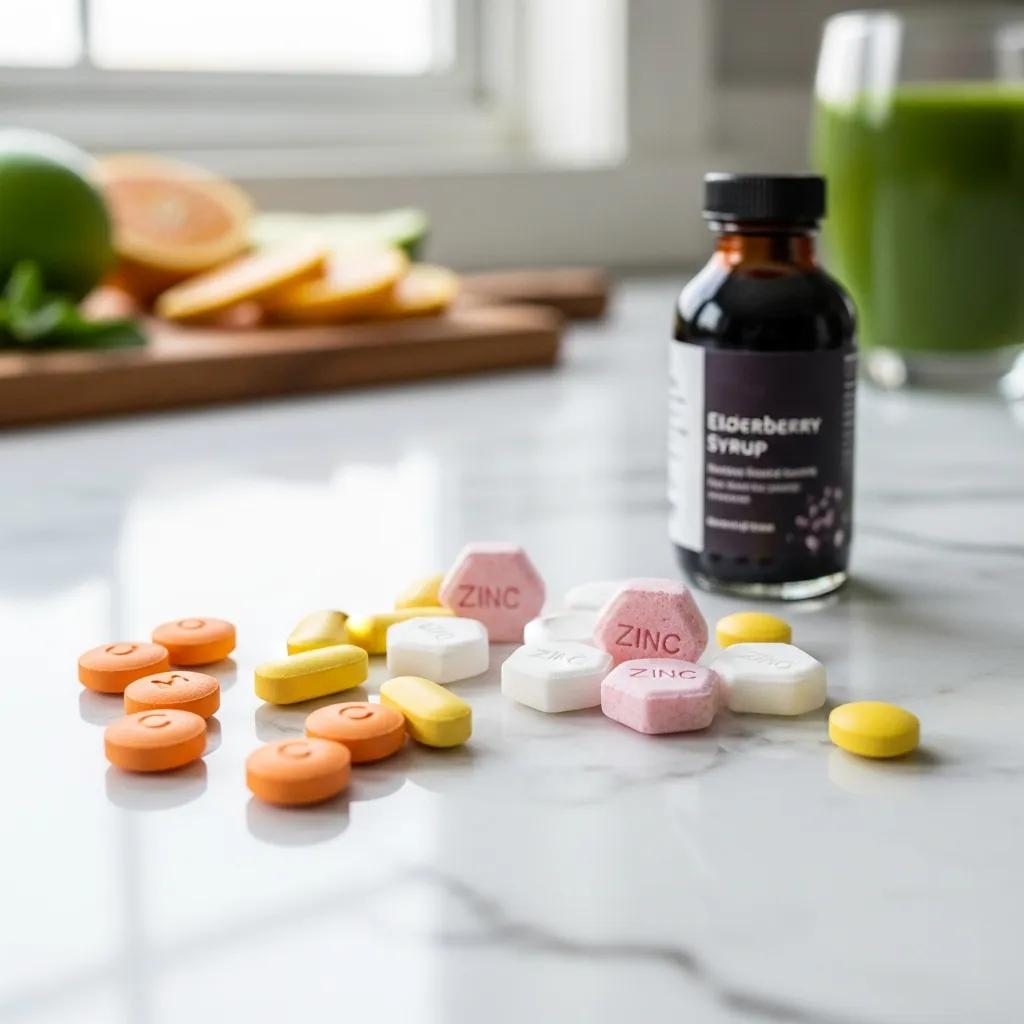
Natural immune-support supplements include vitamins, minerals, herbs, and targeted probiotics that help lower oxidative stress, support white blood cell function, and maintain mucosal defenses. These products work by supplying antioxidants, acting as enzyme cofactors, and modulating immune signaling to help prevent or shorten common infections. A balanced approach that addresses deficiencies, acute needs (for example, zinc lozenges at symptom onset), and ongoing maintenance (such as vitamin D and probiotics) builds resilient immunity. The list below summarizes core options and why each is commonly recommended.
The top natural immune boosters and a one-line benefit for each:
- Vitamin C supplements: Powerful antioxidant support and improved white blood cell function.
- Vitamin D3 capsules: Helps modulate innate and adaptive immune responses.
- Zinc lozenges: May shorten cold duration when started early.
- Elderberry extract syrup: Contains antiviral phytochemicals that can ease flu‑like symptoms.
- Echinacea capsules: Often used short-term at the first sign of upper respiratory symptoms.
- Probiotic strains (Lactobacillus rhamnosus, Bifidobacterium): Support gut–immune signaling and barrier integrity.
How to choose quality immune supplements — a short checklist before you shop:
- Look for third‑party testing or quality seals and a clear, complete ingredient list.
- Prefer well‑recognized forms (ascorbic acid, cholecalciferol, zinc gluconate) and transparent dosing information.
- For probiotics, choose products with identified strains and CFU counts through expiration.
This checklist helps you quickly evaluate products and narrows choices to supplements with reliable manufacturing and transparent labeling. Below is a concise comparison table highlighting primary benefits and common forms to guide quick selection.
Different supplements deliver immune benefits through distinct mechanisms and formats.
| Supplement | Primary benefit | Common forms |
|---|---|---|
| Vitamin C | Antioxidant support; helps maintain white blood cell function | Tablets, buffered powders, liposomal liquids |
| Vitamin D3 | Modulates innate and adaptive immunity | Softgels, capsules, sublingual drops |
| Zinc | May reduce duration of common colds | Lozenges, tablets (gluconate/acetate) |
| Elderberry | Contains antiviral phytochemicals | Syrup, liquid extract, capsules |
This quick comparison clarifies which formulations suit maintenance versus acute use and helps you decide which product matches your needs.
Which vitamins are essential for immune support?
Vitamins like C, D, B6, E, and A each play specific roles in cellular immunity, antioxidant protection, and cell signaling. Vitamin C is a water‑soluble antioxidant that shields leukocytes from oxidative damage, while vitamin D influences immune cell gene expression through the vitamin D receptor. Vitamin B6 supports lymphocyte proliferation and cytokine production, and fat‑soluble vitamins A and E help maintain mucosal barriers and antioxidant networks. Many of these nutrients come from food—citrus and bell peppers for vitamin C, oily fish and fortified foods for vitamin D, and nuts and seeds for vitamin E—so supplements are most useful when diet or lab tests show a shortfall. Safety matters: fat‑soluble vitamins can accumulate, so testing or professional advice helps avoid excess.
Research shows vitamin C plays an important role in protecting immune cells and supporting their activity.
Vitamin C and cellular immune functions: neutrophils and lymphocytes
Studies examining ascorbate (vitamin C) describe its influence on several immune functions, especially phagocyte and lymphocyte activity. Evidence suggests ascorbate can improve migration and bactericidal actions of neutrophils and monocytes, while deficiency impairs cell‑mediated responses and alters lymphocyte behavior. Experimental work also indicates ascorbate can protect neutrophils from oxidative damage caused by hypochlorous acid (HOCl), although it does not reverse already established oxidative injury.
What herbal supplements help strengthen immunity naturally?
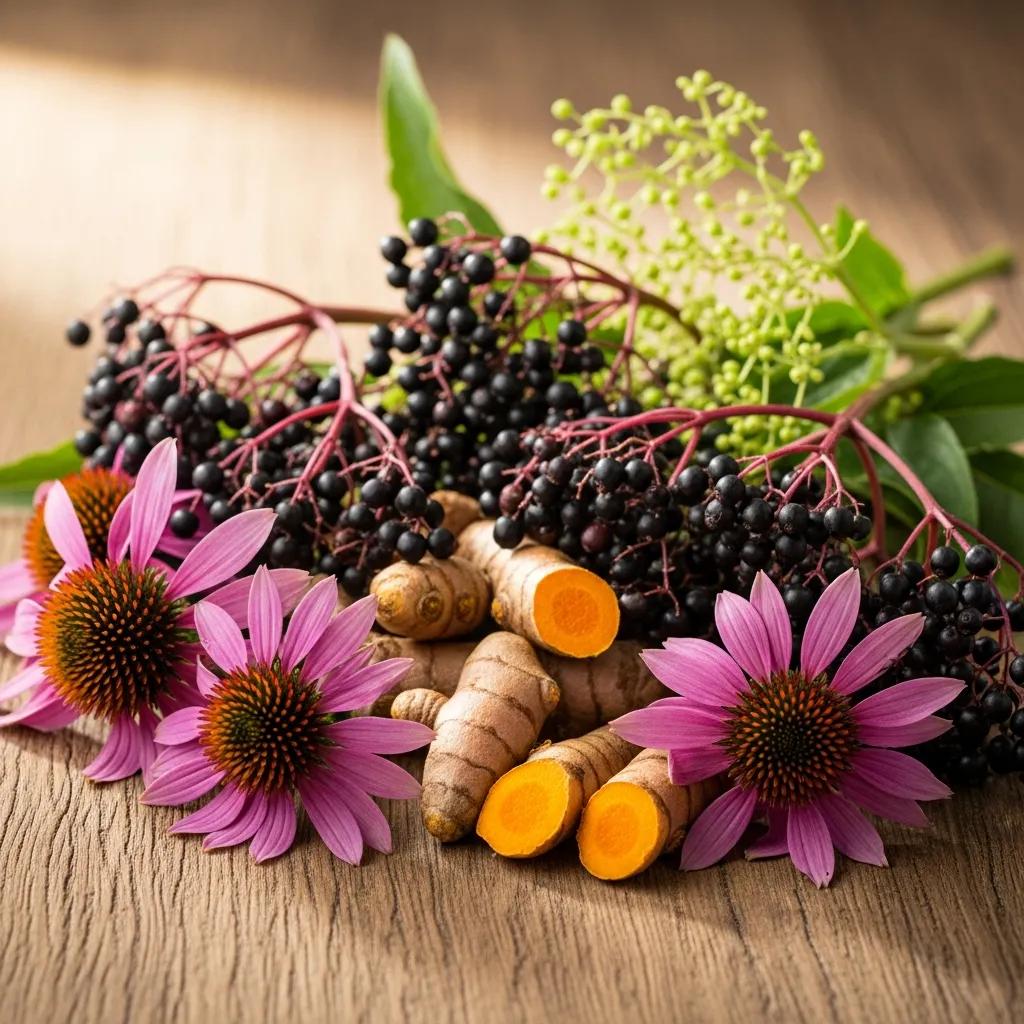
Herbal allies like elderberry, echinacea, astragalus, garlic, and turmeric offer complementary immune benefits through phytochemicals, antiviral activity, and anti‑inflammatory effects. Elderberry extract contains anthocyanins that have been associated with reduced symptom severity in some trials, while echinacea is commonly taken short‑term at the first sign of an upper respiratory illness. Astragalus is traditionally used as an adaptogen for ongoing immune tone; garlic supplies allicin and related compounds with antimicrobial properties; and turmeric delivers curcumin for anti‑inflammatory support. Formulations range from syrups and extracts for acute use to capsules and tinctures for daily maintenance. Important safety note: pregnant people, those with autoimmune conditions, or anyone on immunosuppressants should check with a clinician before starting herbal regimens.
A quick comparison of herbal product forms and typical uses:
- Elderberry syrup: Often used for symptomatic relief during flu‑like illness.
- Echinacea capsules: Common short‑course option at cold onset.
- Turmeric/curcumin: Daily anti‑inflammatory support in capsule form.
These herbal options can complement vitamins, minerals, and probiotics as part of a multimodal immune support plan. If you’re unsure about product quality or a tailored combination, pharmacist guidance can help.
Value Drugstore, a community‑focused pharmacy committed to holistic care and personalized service, offers pharmacist‑curated natural supplements and custom compounding for readers who want tailored doses or combined formulas. A pharmacist consult can match form, dose, and timing to individual needs.
How do key vitamins like vitamin C, D, and B6 support immunity?
Key vitamins support immunity through antioxidant protection, immune cell signaling, and metabolic cofactor roles that keep pathogen responses effective. Vitamin C neutralizes reactive oxygen species and helps phagocytes work efficiently; vitamin D shapes T‑cell and innate responses via receptor‑mediated gene regulation; and vitamin B6 is involved in antibody production and lymphocyte proliferation. Understanding these mechanisms makes it easier to translate nutrient roles into practical dosing and food‑based strategies. Recent studies through 2023–2024 emphasize testing and targeted repletion for people who are deficient. The table below is a compact reference for mechanisms and recommended adult sources/doses.
| Vitamin | Mechanism | Recommended dose (adult) / Food sources |
|---|---|---|
| Vitamin C | Antioxidant; supports leukocyte function | 75–90 mg/day baseline; citrus, bell peppers, kiwi |
| Vitamin D (D3) | Immunomodulation via VDR signaling | 600–2000 IU/day typical; fatty fish, fortified foods |
| Vitamin B6 | Cofactor for immune cell metabolism | 1.3–2 mg/day; poultry, beans, fortified cereals |
This table gives concise mechanisms and practical food sources to answer common queries about vitamin roles. For individualized dosing—particularly higher therapeutic doses—consult a pharmacist who can advise on interactions and compounding options suited to your routine.
What are the immune benefits of vitamin C and its best sources?
Vitamin C supports immune resilience by acting as a strong antioxidant that protects immune cells from oxidative stress while aiding neutrophil chemotaxis and phagocytosis. Foods high in ascorbic acid—citrus fruits, red peppers, strawberries, and kiwi—make meeting daily needs realistic for many people. Supplement options include standard ascorbic acid, buffered forms for sensitive stomachs, and liposomal preparations that claim higher bioavailability. Typical maintenance doses align with recommended dietary allowances, while short‑term higher dosing is sometimes used during acute illness; very high doses can cause gastrointestinal upset and should be weighed against potential benefits.
Choosing the right form and timing improves tolerability and effectiveness, which naturally leads into vitamin D as another cornerstone of immune support.
How does vitamin D enhance immune function?
Vitamin D supports immune health by strengthening innate defenses and modulating adaptive immunity through the vitamin D receptor found on many immune cells, which changes gene expression and cytokine profiles. Vitamin D deficiency is common and has been linked to higher risk of respiratory infections in observational studies; randomized trials suggest supplementation benefits those who are deficient. Safe supplementation usually begins with moderate maintenance dosing, and testing is advised when higher‑dose therapy is considered to confirm levels. Product quality varies, so choose cholecalciferol (D3) formulations with clear labeling and consult a pharmacist to determine appropriate testing and dosing for your situation.
Testing and pharmacist‑guided dosing lower the risk of excessive supplementation and help ensure vitamin D supports immunity without unintended effects.
Why are minerals like zinc and selenium important for immune defense?
Minerals such as zinc, selenium, and magnesium act as enzyme cofactors, support antioxidant enzyme systems, and play central roles in cell‑mediated immunity and redox balance. Zinc is vital for thymic function and lymphocyte activity; selenium is a component of glutathione peroxidase enzymes that limit oxidative damage; and magnesium supports cellular metabolism and stress resilience, which indirectly affects immune competence. Evidence‑based use includes zinc taken early to shorten common cold duration and selenium supplementation when deficiency is present to support antioxidant defenses. The table below summarizes evidence and practical notes for safe use.
| Mineral | Evidence / Key study finding | Practical note (interaction, dosing) |
|---|---|---|
| Zinc | Meta‑analyses show early zinc lozenges can shorten cold duration | Use zinc acetate/gluconate lozenges; avoid long‑term high doses because of copper depletion risk |
| Selenium | Supports selenoprotein antioxidant activity; deficiency linked to worse outcomes | Supplement cautiously; excess can be toxic—monitor total intake |
| Magnesium | Supports cellular metabolism and stress response | Often helpful if deficient; may interact with some meds—space dosing |
This table emphasizes that minerals require attention to form, timing, and interactions; pharmacist input can help balance benefit and safety.
How does zinc reduce cold duration and boost immunity?
Evidence suggests zinc can shorten common colds when lozenges containing zinc acetate or gluconate are started within 24 hours of symptom onset, likely by inhibiting rhinovirus replication and supporting mucosal defenses. Effective regimens in trials vary, but lozenges providing elemental zinc several times a day while symptomatic are common; side effects can include metallic taste and nausea. Because long‑term high‑dose zinc can cause copper deficiency, short‑course use for acute symptoms is the usual approach. Lozenge formulation and the specific zinc salt affect tolerability and effectiveness, so read labels for elemental zinc content and consult a pharmacist for personalized guidance.
With zinc’s acute‑use role in mind, it’s helpful to also review selenium and magnesium as minerals that support longer‑term immune health.
What roles do selenium and magnesium play in immune health?
Selenium contributes to antioxidant defenses through selenoproteins like glutathione peroxidase, protecting cells from oxidative stress during immune activation; low selenium status has been associated with worse outcomes in some infectious settings. Magnesium is involved in hundreds of enzymatic reactions tied to energy metabolism and stress response, which helps stabilize immune function during chronic stress or sleep loss. Dietary sources—brazil nuts for selenium and leafy greens, nuts, and whole grains for magnesium—are first‑line options, with supplementation used to correct confirmed shortfalls. Caution: selenium has a narrow therapeutic window, so avoid excess and consider total dietary intake when supplementing.
Practical supplement choices depend on baseline status, diet, and concurrent medications; a pharmacist can help interpret tests and select appropriate forms.
How can lifestyle and gut health improve natural immunity alongside supplements?
Lifestyle habits—balanced eating, adequate sleep, stress management, and regular activity—shape immune readiness by affecting inflammation, gut barrier function, and hormonal stress responses. Gut‑associated lymphoid tissue (GALT) connects the intestinal microbiota to systemic immunity, and targeted probiotics can strengthen that link by improving barrier integrity and immune signaling. Combining lifestyle changes with targeted supplements provides synergy: nutrients replenish essential cofactors while sleep and lower stress preserve immune regulation. Below we outline practical lifestyle steps and probiotic considerations to pair with supplement choices.
Key lifestyle actions that support natural immunity:
- Eat a balanced, nutrient‑dense diet high in fiber and polyphenol‑rich foods to feed beneficial microbes.
- Prioritize regular sleep (7–9 hours for most adults) to support immune cell trafficking and balanced cytokine responses.
- Use stress‑reduction practices—mindfulness, regular exercise, and social connection—to lower chronic inflammation.
These habits create a foundation where supplements and probiotics can be more effective. Next, we summarize probiotic strain selection and product features to consider.
or schedule a pharmacist consultation for personalized lifestyle plans and help choosing quality probiotic supplements, including product suggestions and tips for daily use.
What is the role of probiotics in supporting gut and immune health?
Probiotics support gut immunity by interacting with GALT, strengthening the intestinal barrier, and modulating innate and adaptive signaling. Strains with evidence for immune benefits include Lactobacillus rhamnosus and specific Bifidobacterium species, typically provided at multi‑billion CFU doses with clearly labeled strain IDs. When choosing a product, look for verified strain identification, stable CFU claims through expiration, and third‑party testing when available; pairing probiotics with prebiotic fiber and a varied diet helps colonization. People who are immunocompromised should consult a pharmacist or clinician before starting live probiotics to weigh risks and benefits.
Picking the right strain and formulation determines whether a probiotic delivers measurable immune support and complements the dietary and lifestyle strategies already discussed.
How do diet, sleep, and stress management affect immune strength?
Poor sleep and chronic stress disrupt hormones and inflammatory mediators, which can reduce vaccine responses and increase infection risk, while a diet rich in fiber, micronutrients, and polyphenols supports a diverse microbiome and adequate nutrient status. Practical daily actions include choosing whole foods (vegetables, legumes, nuts), keeping consistent bedtimes, and adding short stress‑management habits like breathing exercises or brief walks. Small, sustainable changes—adding a serving of leafy greens, reducing late‑night screen time, and scheduling a short daily relaxation break—compound over weeks to improve immune markers and enhance the benefits of any supplements you take.
Putting these pieces together completes a holistic plan: use diet and lifestyle as the foundation, add targeted supplements to correct gaps, and work with a pharmacist to personalize dosing and ensure product quality.
- Prioritize whole‑food sources: A food‑first approach delivers cofactors and fiber that support microbiome health.
- Use supplements to fill gaps: Targeted vitamins, minerals, herbs, and probiotics address specific shortfalls.
- Consult a pharmacist for personalization: Professional guidance reduces interaction risks and enables compounding for tailored doses.
These combined strategies strengthen natural immunity through complementary pathways and practical daily steps you can start today.
Frequently Asked Questions
1. Can natural supplements replace a healthy diet for immune support?
No, natural supplements should not replace a healthy diet. While they can provide additional nutrients that support immune function, a balanced diet rich in fruits, vegetables, whole grains, and lean proteins is essential for overall health. Supplements are most effective when used to fill specific nutritional gaps or deficiencies identified through diet or testing. It’s best to view them as complementary to a healthy lifestyle rather than a substitute.
2. Are there any side effects associated with taking immune-supporting supplements?
Yes, some immune-supporting supplements can cause side effects, especially if taken in excessive amounts. For instance, high doses of vitamin C may lead to gastrointestinal upset, while excessive zinc can cause nausea and copper deficiency. Herbal supplements may interact with medications or cause allergic reactions in some individuals. It’s important to consult a healthcare professional before starting any new supplement regimen to ensure safety and appropriateness for your health status.
3. How long does it take for immune supplements to show effects?
The time it takes for immune supplements to show effects can vary widely depending on the specific supplement, individual health status, and the reason for use. Some people may notice improvements in immune function or a reduction in cold symptoms within a few days of taking zinc lozenges, while others may require weeks of consistent vitamin D supplementation to achieve optimal levels. Regular use, combined with a healthy lifestyle, generally yields the best results over time.
4. Can children take the same immune supplements as adults?
Not all immune supplements suitable for adults are appropriate for children. Dosages and formulations often differ due to children’s unique nutritional needs and developmental stages. Some vitamins and minerals can be toxic in high doses for children, so it’s crucial to use products specifically designed for pediatric use. Always consult a pediatrician or healthcare provider before giving any supplements to children to ensure safety and proper dosing.
5. How do I know if I need to take immune-supporting supplements?
Determining the need for immune-supporting supplements typically involves assessing your diet, lifestyle, and health status. If you have a poor diet lacking in essential nutrients, experience frequent infections, or have specific deficiencies identified through blood tests, supplements may be beneficial. Consulting with a healthcare professional can provide personalized recommendations based on your individual health needs and lifestyle factors.
6. Are there specific times of the year when I should consider taking immune supplements?
Many people consider taking immune supplements during the fall and winter months when colds and flu are more prevalent. Additionally, during periods of increased stress, illness, or when dietary intake is insufficient, supplements can provide extra support. However, maintaining a consistent regimen year-round, especially for vitamins like D and C, can help bolster your immune system continuously, regardless of the season.
7. What should I look for when choosing a quality immune supplement?
When selecting a quality immune supplement, look for products that have undergone third-party testing for purity and potency. Check for clear labeling that includes ingredient sources, dosages, and any certifications (like GMP or NSF). Choose well-recognized forms of vitamins and minerals, and consider products that specify strain types and CFU counts for probiotics. Consulting a pharmacist can also help ensure you choose effective and safe options tailored to your needs.