Understanding Erectile Dysfunction: Causes and Treatments

Understanding Erectile Dysfunction: Causes, Symptoms, and Practical Treatments for Men's Sexual Health
Erectile dysfunction (ED) is a common condition that affects millions of men. It means having trouble getting or keeping an erection firm enough for sex. Learning what causes ED and which treatments work can help men regain sexual confidence and improve overall well‑being. This article walks through the main causes, typical symptoms, and effective treatment options — including the practical support available from Value Drugstore. Many men also face emotional strain and relationship stress because of ED, but there are effective paths to help.
Common Causes of Erectile Dysfunction (ED)
ED can come from physical health problems, emotional health issues, or a mix of both. Knowing the likely causes helps guide treatment and recovery.
Physical Causes of Erectile Dysfunction
Several physical health problems commonly contribute to erectile dysfunction, including:
- Diabetes: Diabetes can damage blood vessels and nerves involved in erections, making ED more likely.
- Cardiovascular Health: Heart and blood vessel problems can reduce blood flow to the penis, making it hard to get an erection.
- Hormonal Imbalances: Low testosterone or other hormonal issues can lower sex drive and affect erectile function.
These examples show why managing overall physical health is important for preventing and treating ED.
Psychological Factors Contributing to ED
Mental and emotional health also play a big role in erectile function. Common psychological contributors include:
- Stress: Ongoing stress can interfere with sexual interest and performance.
- Anxiety: Worry about sexual performance can create a cycle of fear that worsens ED.
- Depression: Depression can lower libido and make it harder to have or maintain an erection.
Treating these psychological factors is often essential to getting better results with ED care.
Mental and emotional well‑being are closely linked to sexual function, so addressing them is a key part of treatment.
Psychological Factors & Emotional Impact of ED
Erectile dysfunction affects a large number of men worldwide. Research shows that anxiety, depression, and relationship problems can both contribute to ED and result from it. Addressing emotional and psychological issues is an important part of comprehensive ED care.
The psychology of erectile dysfunction, MS Allen, 2023
Recognizing Symptoms and Diagnosing Erectile Dysfunction
Key Symptoms of Erectile Dysfunction (ED)
The most common signs of ED include:
- Difficulty Achieving an Erection: Trouble getting or keeping an erection during sex.
- Low Libido: A noticeable drop in sexual interest.
- Emotional Distress: Feelings of embarrassment, anxiety, or sadness tied to sexual performance.
These symptoms can affect relationships and quality of life, so it’s worth discussing them with a healthcare provider.
Diagnosing ED: Medical Tests and Assessments
To find the cause of ED, clinicians may use several tests, such as:
- Blood Tests: To check hormone levels and screen for conditions like diabetes or heart disease.
- Ultrasound: To assess blood flow to the penis; sometimes used with an injection that triggers an erection for testing.
- Psychological Assessments: To identify anxiety, depression, or relationship issues that may be contributing.
These evaluations help clinicians tailor a safe and effective treatment plan.
Effective Treatments for Erectile Dysfunction (ED)
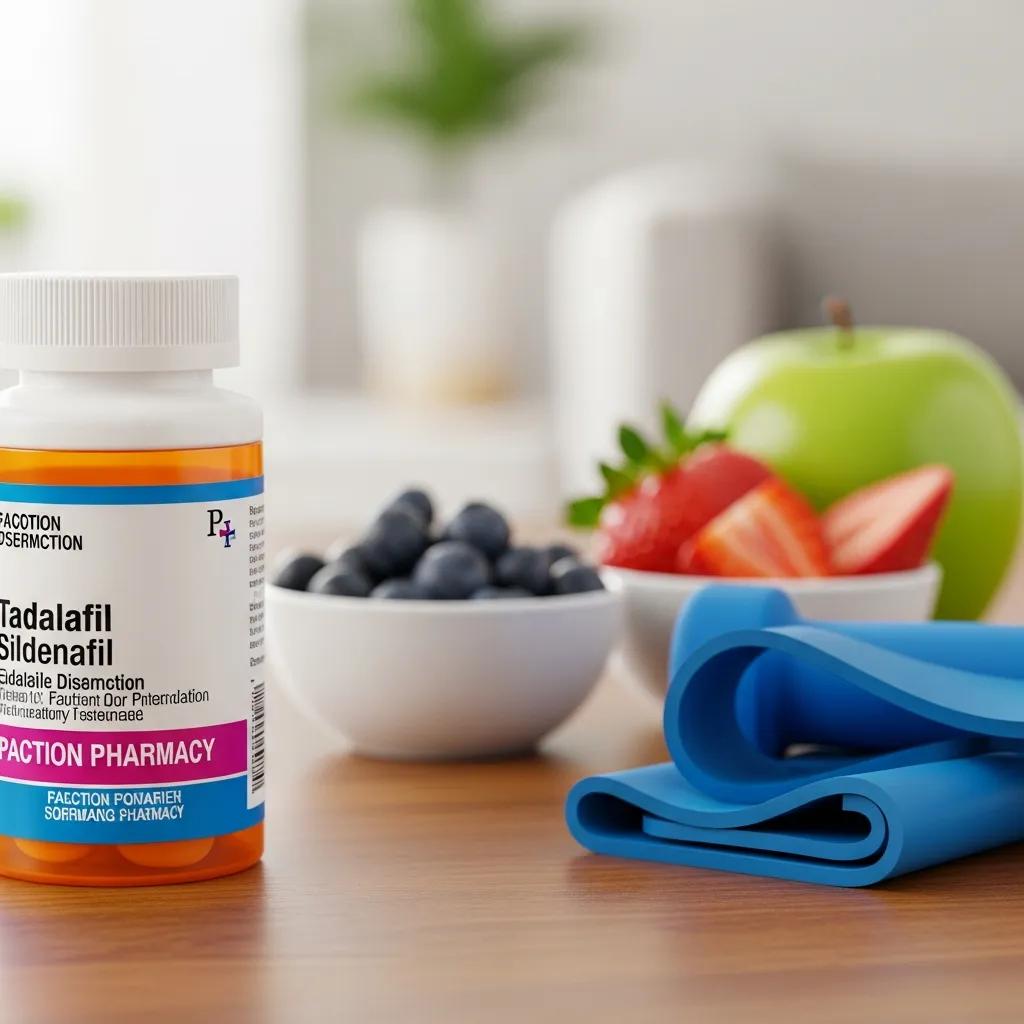
Prescription Medications for ED: Sildenafil and Tadalafil
Oral prescription medicines like sildenafil (Viagra) and tadalafil (Cialis) are widely used to treat ED. They work by:
- Inhibiting PDE5: Blocking the enzyme phosphodiesterase type 5 helps increase blood flow to the penis during sexual arousal.
- Enhancing Erection Quality: Improved blood flow makes it easier to reach and maintain an erection.
These medications help many men, but they should be used under medical supervision—especially if you have heart disease or take nitrates.
Since their introduction, PDE5 inhibitors have become a reliable, well‑tolerated option for many patients.
PDE5 Inhibitors: First-Line ED Treatment
Phosphodiesterase type 5 inhibitors (PDE5Is) are considered first‑line therapy for ED. Since the first branded sildenafil launched in 1998, these drugs have helped millions of men with an effective, generally well‑tolerated oral option.
Increasing access to erectile dysfunction treatment via pharmacies to improve healthcare provider visits and quality of life: Results from a prospective real‑world …, 1998
Natural Remedies and Lifestyle Changes for Male Sexual Health
Alongside medication, several lifestyle steps can support sexual health and improve ED:
- Dietary Changes: Eating more fruits, vegetables, whole grains, and healthy fats supports circulation and overall health.
- Regular Exercise: Physical activity boosts cardiovascular fitness and can help erectile function.
- Stress Management Techniques: Practices like meditation, breathing exercises, or yoga can reduce anxiety and improve sexual response.
Making these changes often improves outcomes and is commonly recommended before or alongside drug treatments.
Adopting healthier habits can be one of the most effective first steps in managing sexual dysfunction.
Lifestyle Factors & Sexual Dysfunction Treatment
Unhealthy lifestyle factors — especially obesity — play a major role in developing sexual dysfunction by harming cardiovascular and metabolic health. Smoking, heavy alcohol or substance use, and chronic stress also contribute over time. Sexual health specialists often guide patients toward healthy habits (avoiding tobacco and excessive alcohol, exercising regularly, eating a balanced diet, and using stress‑management strategies) before or alongside medical or psychological treatments.
Lifestyles and sexuality in men and women: the gender perspective in sexual medicine, G Ciocca, 2020
Value Drugstore's Support for Erectile Dysfunction Care
The Role of Pharmacist Consultations in ED Treatment
Our pharmacists are a practical resource for men managing ED. They can help with:
- Medication Management: Explaining prescriptions, proper use, and possible side effects.
- Counseling on Lifestyle Changes: Practical tips to boost treatment success through diet, exercise, and stress reduction.
- Support for Emotional Well‑being: Referrals and resources to address anxiety, depression, or relationship concerns.
Pharmacist consultations make sure treatment fits each person’s needs and life situation.
Personalized Compounding and Supplements for ED Management
Value Drugstore also offers personalized compounding and supplement options that may help in some cases:
- Tailored Medication Solutions: Compounded meds can be adjusted to a patient’s specific needs, when appropriate.
- Natural Supplement Options: We offer supplements that some men find helpful, though evidence varies and they should be used cautiously and discussed with a clinician.
- Benefits of Personalized Care: Customized approaches aim to deliver the most effective and tolerable treatment for each individual.
Using these services, men can take proactive, personalized steps to improve sexual health and quality of life.
Frequently Asked Questions About Erectile Dysfunction (FAQs)
What lifestyle changes can help prevent erectile dysfunction?
Healthier daily habits can lower your risk of ED. Try to eat a balanced diet rich in fruits, vegetables, and whole grains, stay physically active, manage stress with relaxation techniques, avoid smoking, and limit alcohol. These steps improve blood flow and heart health, which support erectile function.
Are there any psychological therapies available for erectile dysfunction?
Yes. Psychological therapies are effective when mental health factors contribute to ED. Cognitive‑behavioral therapy (CBT) can address performance anxiety or depression, and couples therapy can help partners improve communication and intimacy. These approaches often boost the results of medical treatments.
How can I talk to my partner about erectile dysfunction?
Choose a calm, private moment and speak honestly about how you feel. Emphasize that ED is common and not a measure of attraction. Invite your partner to share their thoughts and work together on solutions. Open, compassionate conversations strengthen connection and reduce pressure.
What are the potential side effects of ED medications?
Common side effects of drugs like sildenafil and tadalafil include headache, flushing, nasal congestion, and stomach upset. Less common but serious effects can include sudden changes in vision or hearing and prolonged erections (priapism), which need immediate care. Talk with your healthcare provider about existing conditions and other medicines to stay safe.
Can erectile dysfunction be a sign of other health issues?
Yes. ED can be an early sign of conditions such as diabetes, heart disease, or hormonal imbalances. Psychological issues like anxiety and depression can also cause or worsen ED. A full medical evaluation helps identify any underlying problems and guide appropriate treatment.
What role does diet play in managing erectile dysfunction?
Diet affects blood flow and overall cardiovascular health, both important for erections. A diet rich in antioxidants, healthy fats, and vitamins — including fruits, vegetables, whole grains, lean proteins, and certain foods like nuts and fatty fish — supports sexual health. Limiting processed foods, excess sugar, and unhealthy fats can also help reduce ED symptoms.
Conclusion
Understanding erectile dysfunction is crucial for men seeking to regain their sexual health and confidence. By addressing both physical and psychological factors, effective treatments can lead to improved relationships and overall well-being. Taking proactive steps, such as consulting with healthcare professionals and adopting healthier lifestyle choices, can significantly enhance outcomes. Discover more about personalized care options and support available at Value Drugstore today.