
Vital Reasons Preventative Health Depends on Annual Checkups

Why Annual Check-ups Are Crucial for Your Health: Benefits, Early Detection, and Preventive Care
Annual check-ups — also called yearly physicals or preventive doctor visits — are scheduled, routine exams that evaluate your overall health, update preventive measures, and detect silent conditions early. These visits work by combining a focused medical history, vital sign assessment, targeted health screenings, and immunization review so clinicians can identify risk factors before symptoms appear. By detecting high blood pressure, abnormal lipids, prediabetes, and early-stage cancers, annual check-ups enable timely interventions that improve outcomes and reduce intensive treatments later. This article explains the primary benefits of yearly exams, the specific screenings and vaccines commonly performed, how routine care translates into long-term health and financial gains, and practical steps to prepare for an effective visit. You will also learn how local pharmacy services can complement follow-up care after a check-up. Read on for clear, evidence-based guidance on what to expect, which tests matter by age, and how preventive care supports both wellbeing and cost savings.
What Are the Key Benefits of Annual Checkups for Preventive Health?

Annual checkups are structured encounters that identify risk factors, update preventive measures, reconcile medications, and provide personalized lifestyle counseling to reduce future disease burden. The mechanism is straightforward: routine measurement (blood pressure, BMI), targeted laboratory tests (lipid panel, glucose/A1c), and a clinician’s risk assessment create opportunities for early intervention that change the disease trajectory. Early detection lowers the likelihood of emergency hospitalization, allows simpler treatments, and increases the chance of full recovery for many conditions. Recent studies and public health guidance note measurable reductions in morbidity when preventive services are delivered consistently and timely.
These benefits are commonly grouped as follows:
- Early identification of asymptomatic conditions like hypertension and high cholesterol.
- Timely cancer screening referrals that catch disease at more treatable stages.
- Medication reconciliation and chronic disease optimization to prevent complications.
- Up-to-date immunizations that reduce infection risk and community spread.
- Personalized counseling that supports behavior change and risk reduction.
Together, these advantages explain why preventive health and routine doctor visits are central to long-term wellness and why patients should prioritize yearly physicals.
How Do Annual Physical Exams Support Early Disease Detection?
Annual physical exams detect disease through systematic checks—vital signs, targeted labs, and risk-factor review—which together reveal early abnormalities before symptoms emerge. For example, a blood pressure screening identifies hypertension that would otherwise remain silent; a lipid panel reveals elevated LDL cholesterol that increases cardiovascular risk; and an A1c or fasting glucose flags prediabetes or undiagnosed diabetes. When screening results are abnormal, clinicians order confirmatory tests or initiate lifestyle and medication interventions, creating a clear follow-up pathway. Early detection commonly shifts care from aggressive interventions to manageable outpatient therapies, improving prognosis and preserving quality of life.
Assessing Cardiovascular Disease Risk Factors with Routine Data
Cardiovascular disease (CVD), including ischemic heart disease and stroke, is the primary cause of death worldwide, leading to 32% of all deaths worldwide in the year 20131. CVD costs the United States more than $315 billion annually, consuming almost one in every six dollars spent on healthcare2. Prevention of CVD would markedly decreases costs to the health system, and would improve quality of life at a population level.
Type 2 diabetes mellitus and hypercholesterolemia are well established modifiable risk factors for CVD3,4, and are easily diagnosable with simple laboratory tests5. To identify at-risk patients in the United States, professional organizations publish screening guidelines o
Assessing screening guidelines for cardiovascular disease risk factors using routinely collected data, J Pannu, 2017
What Role Do Regular Doctor Visits Play in Managing Chronic Conditions?
Regular doctor visits allow clinicians to monitor disease markers, adjust medication regimens, and coordinate multidisciplinary care to minimize complications from chronic conditions. For chronic illnesses such as diabetes or heart disease, periodic review of lab values and symptoms leads to dose adjustments, screening for comorbidities, and timely referrals to specialists when needed. Medication reconciliation during these visits reduces drug interactions and improves adherence by simplifying regimens or addressing side effects. This ongoing oversight reduces emergency visits and progressive organ damage, reinforcing the value of integrating primary care follow-up into a broader preventive strategy.
Which Health Screenings and Tests Are Recommended During Annual Check-ups?
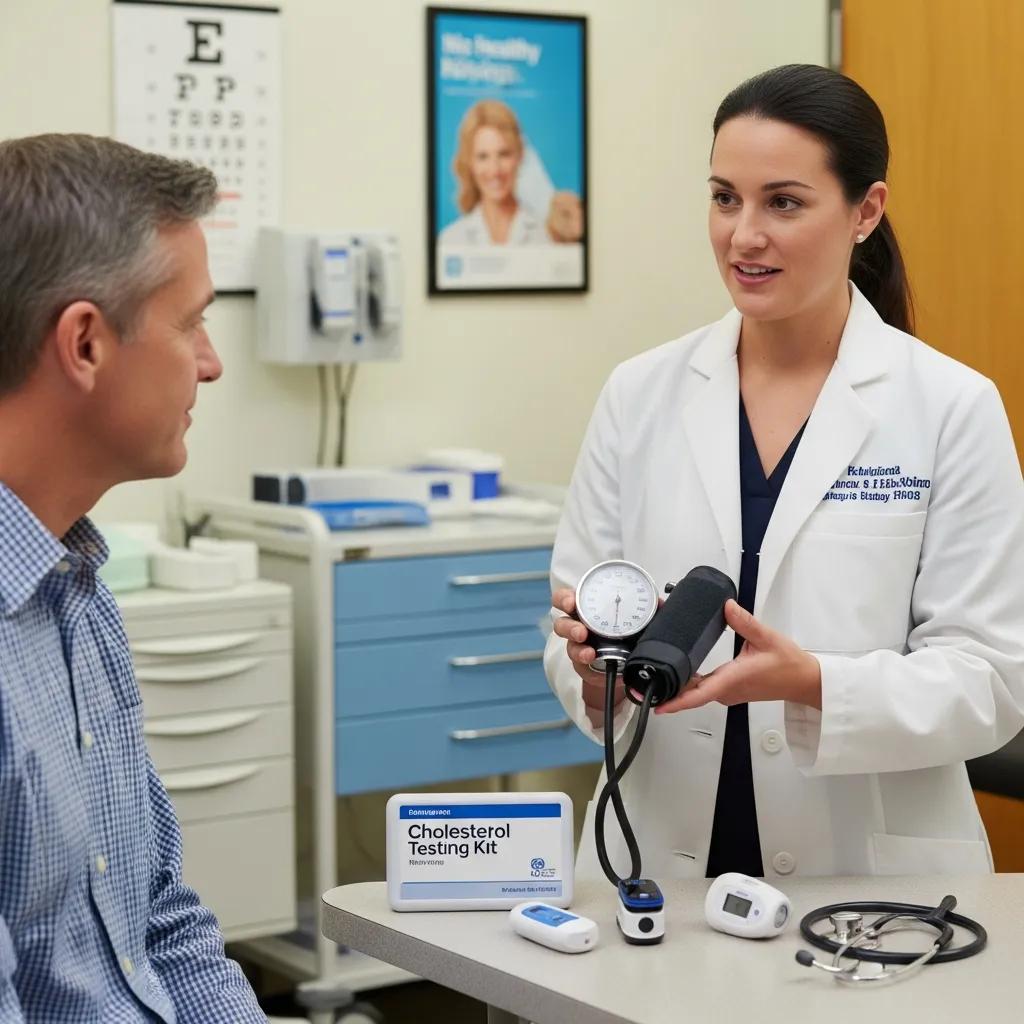
Annual check-ups typically include baseline screenings that depend on age, sex, and individual risk factors; the combination of vital checks and selective labs creates a screening profile tailored to each patient. Clinicians use blood pressure, BMI, lipid panels, and glucose tests as common meronyms of a routine exam because they collectively assess cardiovascular and metabolic risk. Age- and risk-based cancer screenings (mammography, colon cancer screening, Pap tests) are added according to guidelines and personal history, and immunization reviews update vaccines as needed. The value of each test rests on early detection translating to more effective treatment and fewer complications.
Intro to quick-reference table for common screenings and timing:
| Screening/Test | Purpose | Typical Age/Frequency |
|---|---|---|
| Blood pressure screening | Detect hypertension and cardiovascular risk | Every visit or annually for adults |
| Cholesterol (lipid panel) | Assess atherosclerotic risk and guide statin decisions | Every 4–6 years starting in 20s; more often if risk factors present |
| Diabetes screening (A1c) | Detect prediabetes or diabetes | Every 3 years starting at 35 or earlier with risks |
| Mammogram | Early breast cancer detection | Typically every 1–2 years starting around age 40–50 (individualized) |
| Colon cancer screening | Detect precancerous polyps and early cancer | Begin at age 45 for average risk; intervals vary by test type and risk |
This table summarizes how common screenings function within preventive medicine and why timing is adapted to personal risk.
What Age-Specific Screenings Should You Expect at Your Annual Exam?
Age-specific screening tailors preventive actions to biological risk windows, so young adults focus on lifestyle counseling and baseline labs while middle-aged and older adults receive more frequent cardiovascular and cancer screenings. Screening schedules shift when risk factors—family history, smoking, obesity—are present, prompting earlier or more frequent testing. For example, routine cholesterol checks often begin in early adulthood and become annual or biennial in midlife, whereas colon cancer screening typically starts at age 45 for average-risk adults but is essential by middle age. Discussing personal and family history at the annual visit ensures screening timing is individualized to maximize early detection.
How Do Vaccinations Complement Your Annual Health Check-up?
Vaccinations are a core preventive tool reviewed during annual visits because up-to-date immunization reduces individual and community disease burden, especially for seasonal and age-related threats. Common vaccines checked or administered at yearly visits include the seasonal influenza vaccine, Tdap boosters, and age-appropriate shingles or pneumococcal vaccines for older adults; these immunizations prevent severe infections that can complicate chronic disease management. Pharmacies increasingly provide convenient vaccination access, enabling timely updates after a check-up if immediate administration is not available in the clinic.
- Seasonal influenza vaccine: reduces hospitalization and severe illness during flu season.
- Tdap booster: protects against tetanus, diphtheria, and pertussis for adults and contacts.
- Shingles (herpes zoster) vaccine: recommended starting at age 50 to prevent painful reactivation in older adults.
Pharmacies can serve as complementary sites for immunization delivery, improving access and adherence to recommended schedules.
How Can Annual Check-ups Lead to Long-Term Health and Financial Benefits?
Preventive care delivered through annual check-ups produces measurable health improvements and can reduce long-term costs by avoiding advanced disease treatments and hospitalizations. Screening and early intervention decrease the incidence of severe complications—such as advanced cancer or end-organ failure—that require costly surgeries or prolonged inpatient care. Economic analyses from public health agencies indicate preventive measures often yield favorable return on investment when they avert expensive downstream care. Beyond dollars, annual check-ups provide reassurance, encourage adherence to treatment plans, and foster gradual behavior change that compounds into better health over years.
Intro to intervention-to-savings table:
| Intervention | Outcome | Financial Impact |
|---|---|---|
| Hypertension detection & control | Fewer strokes and heart attacks | Reduced hospitalization and long-term disability costs |
| Diabetes screening + early management | Lower rates of kidney and vascular complications | Savings from avoided dialysis and surgeries |
| Vaccination updates | Fewer severe infections | Lower acute care and ICU expenses |
This table links common preventive interventions to outcomes and typical financial impacts, illustrating how modest investments in screening can prevent high-cost events.
What Are the Cost Savings Associated with Regular Preventive Care?
Evidence indicates that many preventive services—especially vaccinations and some screenings—prevent costly downstream care, with benefit-to-cost ratios varying by service and population. For example, early detection of cardiovascular risk factors allows inexpensive outpatient treatments that reduce the probability of expensive hospital care later. While insurance coverage and individual circumstances affect out-of-pocket savings, the consistent economic principle is that preventing advanced disease reduces aggregate healthcare spending and personal financial strain. Patients should discuss coverage and potential savings with their insurer and care team to understand specific implications.
How Do Annual Exams Provide Peace of Mind and Wellness Assurance?
Annual exams deliver psychological benefits by converting uncertainty into actionable plans: reassured patients report better adherence to healthy behaviors and medications after discussing risks and goals with clinicians. The structured nature of a yearly visit creates moments for goal-setting, brief counseling, and medication review, which together increase patient engagement. Practical steps to maximize this benefit include bringing a current medication list, noting family history changes, and preparing questions about lifestyle or preventive options. These simple actions ensure the visit yields both clinical value and emotional reassurance.
How Does Value Drugstore Support Your Preventive Health Through Annual Check-ups?
Value Drugstore complements annual check-ups by offering community-facing services that bridge clinic recommendations and practical follow-up care, supporting vaccination access, medication management, and wellness resources. As local pharmacies expand services, Value Drugstore provides vaccination services aligned with recommended adult immunization schedules and offers telehealth consultations to address follow-up questions that arise after a physical. Medication reviews and adherence support help translate provider prescriptions into safe, effective daily routines, while natural supplements and personalized compounding can serve as adjunctive options when clinically appropriate and coordinated with a clinician.
| Service | How It Supports Check-up Outcomes | When to Use |
|---|---|---|
| Vaccination services | Provide convenient vaccine administration and schedule support | After vaccine recommendation or when clinic access is limited |
| Medication reviews | Reconcile prescriptions, detect interactions, improve adherence | Following medication changes or at routine intervals |
| Telehealth consultations | Quick follow-up for lab results, symptom questions, or referrals | When in-person follow-up is delayed or for minor concerns |
| Personalized compounding | Tailored dosing or alternative formulations to meet unique needs | When standard formulations are unsuitable or allergies present |
What Telehealth and Medication Services Enhance Your Check-up Outcomes?
Telehealth consultations at community pharmacies provide timely, clinician-guided follow-up when lab results or minor concerns arise after a visit, reducing delays in care and clarifying next steps. Medication review programs reconcile all prescriptions and over-the-counter products to prevent interactions and support adherence through counseling and simplification strategies. Coordination between the pharmacy and primary care provider ensures that medication changes recommended at a check-up are implemented safely and monitored, decreasing the risk of adverse events and improving long-term control of chronic conditions.
How Do Natural Supplements and Personalized Compounding Support Wellness?
Natural supplements and personalized compounding can support individualized wellness plans when used under clinician guidance and evidence-based rationale, addressing unique dosing needs or formulation constraints. Compounding enables customized dosages or combinations for patients with allergies or intolerances, while select supplements may complement dietary and lifestyle strategies aimed at preventive health. Always coordinate supplements and compounding with your primary care provider to ensure safety, avoid interactions, and align these options with the screening and treatment plan established during your annual check-up.