Personalized Weight Loss Management & Medication in Baltimore
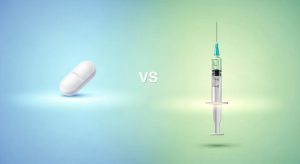
Weight loss medication refers to drugs that help you lose weight by changing how your body processes food or manages hunger signals. Some reduce your appetite, others keep you feeling full longer, and some prevent your body from absorbing dietary fat. These medications come in two main forms: prescription drugs that require your doctor’s approval, and over the counter products you can buy at any pharmacy. The prescription category includes powerful injectable options like semaglutide (Wegovy) and tirzepatide (Zepbound), which belong to a class called GLP-1 receptor agonists. These newer medications have gained significant attention for helping people lose substantial amounts of weight.
This guide breaks down what you need to know about weight loss medications. We’ll compare prescription versus OTC options, explain how different drug types work in your body, and cover the practical details like costs, insurance coverage, and safety. You’ll learn who qualifies for these treatments, what results to expect, and how to access them through your healthcare provider or local pharmacy.
Why weight loss medication is used
Your doctor may recommend weight loss medication when your weight creates serious health risks that diet and exercise alone haven’t resolved. These medications target the underlying biological mechanisms that make losing weight difficult, including hormone imbalances, metabolic slowdown, and persistent hunger signals that sabotage your efforts. Healthcare providers prescribe them as part of a comprehensive treatment plan that includes nutrition counseling and physical activity.
Medical conditions that prompt treatment
Doctors typically consider weight loss medication for patients with a body mass index (BMI) of 30 or higher, which falls into the obesity category. You may also qualify with a BMI of 27 or above if you have weight-related health problems. These conditions include Type 2 diabetes, high blood pressure, high cholesterol, heart disease, sleep apnea, fatty liver disease, or joint problems that limit your mobility. The medications address not just the number on your scale but the health complications that threaten your wellbeing.
Weight loss of just 5% to 10% of your body weight can significantly improve blood pressure, blood sugar levels, and cholesterol numbers.
Your healthcare provider evaluates your complete medical history before prescribing these treatments. They look at your current medications, previous weight loss attempts, family health patterns, and any conditions that might make certain drugs unsafe for you. People who have tried structured weight loss programs without lasting success often become candidates for medication support. This approach acknowledges that obesity functions as a chronic disease requiring ongoing medical management, not a simple willpower issue.
When diet and exercise aren’t enough
Some patients follow healthy eating plans and exercise regularly yet still struggle to lose weight or maintain weight loss. Your body fights back against calorie restriction by increasing hunger hormones and slowing your metabolism. Weight loss medication helps counteract these biological adaptations that make sustained weight loss nearly impossible through lifestyle changes alone. The drugs work alongside your efforts rather than replacing them, giving you the metabolic support your body needs to respond to healthy behaviors.
How to use weight loss medication safely and effectively
Using weight loss medication requires close medical supervision and a commitment to following your healthcare provider’s instructions. These drugs work best when you combine them with healthy eating habits and regular physical activity, not as standalone solutions. Your doctor determines the right medication, dosage, and treatment duration based on your medical history, current health status, and weight loss goals. Safety depends on your willingness to maintain regular checkups, report side effects promptly, and make the lifestyle adjustments that support long-term success.
Starting treatment with your doctor
Your healthcare provider begins by conducting a complete medical evaluation that includes your weight history, current medications, allergies, and any conditions that might affect treatment safety. They discuss your weight loss goals and set realistic expectations about how much weight you’ll likely lose and how quickly. Most people lose between 3% and 12% of their body weight within the first year, though results vary based on the specific medication and your individual response. Your doctor explains potential side effects, drug interactions, and warning signs that require immediate medical attention.
Working with your healthcare provider ensures you choose the safest, most effective option for your specific health situation.
Many prescription weight loss medications require a gradual dose increase over several weeks or months. Your body needs time to adjust to the medication and minimize uncomfortable side effects like nausea or digestive upset. Starting with a lower dose and slowly increasing it helps you tolerate the treatment better while your provider monitors how you respond.
Following your prescribed dosage
Taking weight loss medication exactly as prescribed gives you the best chance of success and reduces your risk of complications. Some medications require daily pills or injections, while others involve weekly shots that you can learn to give yourself at home. Never adjust your dose without consulting your doctor first, even if you’re not seeing results as quickly as you’d hoped. Skipping doses or taking extra medication disrupts the treatment plan and may cause dangerous side effects or reduce effectiveness.
You also need to tell your healthcare provider about any other medications or supplements you take. Weight loss drugs can interact with birth control pills, diabetes medications, blood thinners, and various other prescriptions. Your pharmacist serves as another valuable resource for checking interactions and answering questions about timing your doses or storing your medication properly.
Monitoring your progress and side effects
Schedule regular follow-up appointments with your doctor to track your weight loss, adjust your dosage if needed, and address any concerns. Your provider monitors your blood pressure, blood sugar levels, and other health markers that reflect how well the treatment works. If you don’t lose at least 5% of your body weight after three to six months at the full dose, your doctor may switch you to a different medication or add another treatment to your plan.
Pay attention to how your body responds and report any unusual or severe symptoms immediately. Common side effects like mild nausea often improve with time, but serious reactions require prompt medical attention. Contact your healthcare provider if you experience chest pain, severe stomach pain, thoughts of suicide, vision changes, or symptoms of pancreatitis or gallstones.
Prescription weight loss drugs and how they work
Prescription weight loss drugs target specific biological pathways that control hunger, satiety, and metabolism in your body. The FDA has approved six medications for long-term weight management in adults: semaglutide (Wegovy), tirzepatide (Zepbound), liraglutide (Saxenda), bupropion-naltrexone (Contrave), phentermine-topiramate (Qsymia), and orlistat (Xenical). Each medication works differently, which means your doctor can match the treatment to your specific health needs and medical history. These drugs provide the most significant weight loss results when you combine them with dietary changes and physical activity.
FDA-approved medications and their mechanisms
Semaglutide and tirzepatide belong to a class called GLP-1 receptor agonists that mimic natural hormones in your gut. These weekly injections slow down how quickly your stomach empties food, keeping you fuller for longer periods after eating. They also signal your brain that you’ve had enough to eat, which reduces your appetite naturally. Tirzepatide targets both GLP-1 and GIP receptors, giving it a dual action that helps people lose up to 22.5% of their body weight over 72 weeks in clinical trials. Semaglutide shows average weight loss around 14.9% in similar studies.
Liraglutide works through the same GLP-1 pathway but requires daily injections instead of weekly doses. Your body absorbs it differently, which means you need to take it more frequently to maintain steady levels in your bloodstream. People using liraglutide typically lose around 8% of their body weight within a year of treatment.
The most effective prescription weight loss medications address the hormonal signals that make you feel hungry or satisfied, not just your willpower.
Bupropion-naltrexone combines an antidepressant with an addiction treatment drug to change your brain chemistry around food cravings and appetite. This combination affects the reward centers in your brain that respond to eating, making you less likely to seek out food for emotional comfort. Patients lose an average of 5% to 9% of their body weight with this daily pill.
How different drug classes target weight loss
Phentermine-topiramate pairs a stimulant medication with an anti-seizure drug to create a dual-action appetite suppressant. The phentermine component acts like an amphetamine to reduce hunger, while topiramate helps you burn more calories and feel satisfied with smaller portions. You take this medication as a daily capsule, and it produces weight loss between 7% and 11% depending on your dose.
Orlistat takes a completely different approach by blocking your body’s ability to absorb dietary fat from food. This lipase inhibitor prevents the enzyme that breaks down fat in your intestines from working properly, so about 30% of the fat you eat passes through your digestive system unabsorbed. You must follow a low-fat diet while taking orlistat to avoid uncomfortable digestive side effects like oily stools and gas. This medication typically produces around 5% weight loss over six months to a year.
Expected results and effectiveness
Your individual results depend on which medication you take, how your body responds, and how well you stick to healthy lifestyle changes. Most prescription weight loss medication delivers measurable results within 12 to 16 weeks at the full therapeutic dose. Your doctor expects to see at least a 5% reduction in your starting weight during this period. If you don’t reach this milestone, they’ll likely switch you to a different medication or adjust your treatment plan.
The duration of treatment varies based on your progress and any side effects you experience. Many people continue taking these medications for years to maintain their weight loss, since stopping often leads to regaining the weight. Your healthcare provider monitors your response through regular appointments and adjusts your dosage as needed to maximize effectiveness while minimizing side effects.
Over the counter products and supplements
Over the counter weight loss options require no prescription and you can purchase them at any pharmacy or retail store. Only one FDA-approved medication exists in this category: orlistat at a lower dose sold as Alli. Everything else falls into the supplement category, which means the FDA doesn’t regulate these products with the same strict standards as prescription drugs. You need to approach OTC weight loss products with realistic expectations and understand the difference between proven medications and unregulated supplements that make bold claims without scientific backing.
The only FDA-approved OTC option
Alli contains 60 mg of orlistat in each capsule, exactly half the prescription strength of Xenical. You take it three times daily with meals that contain fat, and it works by blocking about 25% of the fat your body absorbs from food. This medication produces modest results, typically around 3% to 5% weight loss over several months when you combine it with a reduced-calorie, low-fat diet. Your body eliminates the unabsorbed fat through bowel movements, which can cause uncomfortable side effects like oily spotting, gas with discharge, and urgent bathroom trips if you eat high-fat meals.
The label clearly states that Alli works best when you limit your fat intake to about 15 grams per meal. Eating more fat than this threshold increases your risk of embarrassing digestive issues that can disrupt your daily activities. You also need to take a multivitamin at bedtime because blocking fat absorption can reduce your levels of fat-soluble vitamins A, D, E, and K. The supplement should be taken at least two hours before or after your Alli dose to ensure proper absorption.
Dietary supplements and their limitations
Dietary supplements marketed for weight loss flood the market with unproven claims and minimal scientific evidence supporting their effectiveness. The FDA doesn’t require supplement manufacturers to test their products for safety or effectiveness before selling them, unlike prescription weight loss medication. Companies can make broad marketing statements without demonstrating that their ingredients actually help people lose weight in controlled clinical trials.
Most weight loss supplements lack the rigorous testing and proven results that FDA-approved medications undergo before reaching consumers.
Common supplement ingredients include green tea extract, garcinia cambogia, conjugated linoleic acid, and various herbal blends. These products might offer minimal benefits at best, but they won’t deliver the significant weight loss that prescription medications provide. You also face potential risks from contaminated products, undisclosed ingredients, or dangerous interactions with your current medications.
Safety considerations before purchasing
Talk to your healthcare provider or pharmacist before taking any weight loss supplement, even if the label claims the product is natural or safe. Some supplements contain hidden ingredients that can raise your blood pressure, interfere with diabetes medications, or cause serious side effects. Your local pharmacy can help you verify whether an OTC product might interact with your current prescriptions and provide guidance on whether it’s appropriate for your health situation.
GLP 1 and other injectable weight loss drugs
Injectable weight loss medication represents the most powerful treatment option currently available for managing obesity, with GLP-1 receptor agonists leading this category. These drugs deliver medication directly into your body through subcutaneous injections, which means you inject them into the fatty tissue just under your skin. The injectable format allows these medications to bypass your digestive system and maintain steady levels in your bloodstream, producing more consistent effects than oral medications. Your doctor may recommend an injectable option when you need significant weight loss or when other treatments haven’t worked effectively.
What makes GLP 1 drugs different
GLP-1 receptor agonists mimic a natural hormone your intestines release after eating called glucagon-like peptide-1. This hormone tells your brain you’ve eaten enough and signals your stomach to slow down digestion. The synthetic versions in these medications last much longer than your body’s natural hormone, keeping you feeling satisfied for extended periods throughout the day. Your pancreas also responds by producing the right amount of insulin when needed, which helps stabilize your blood sugar levels even as you lose weight.
These drugs work directly on multiple body systems rather than just suppressing your appetite through brain chemistry alone. They slow gastric emptying, which means food stays in your stomach longer and you feel physically full after smaller meals. Your brain receives stronger satiety signals that reduce food cravings between meals. Studies show that people taking GLP-1 medications report thinking about food less often and finding it easier to resist snacks and large portions.
GLP-1 medications change how your body processes food and manages hunger signals at a biological level, not through stimulants or willpower alone.
Common injectable options and their differences
Semaglutide (Wegovy) requires one injection per week, typically on the same day each week. You start with a 0.25 mg dose and gradually increase over 16 to 20 weeks until you reach the full 2.4 mg weekly dose. This medication stays active in your system for several days, which allows for the convenient weekly schedule. Clinical trials show average weight loss around 15% of your starting body weight after one year of treatment.
Tirzepatide (Zepbound) also involves weekly injections but targets both GLP-1 and GIP receptors for enhanced effectiveness. You begin with 2.5 mg weekly and increase your dose every four weeks until reaching your maintenance dose, which can range from 5 mg to 15 mg depending on your response and tolerance. People taking the highest dose lose an average of 22.5% of their body weight, making this the strongest prescription weight loss medication currently available.
Liraglutide (Saxenda) stands apart by requiring daily injections instead of weekly doses. Your body processes this medication faster, so you need to maintain it with daily shots of up to 3 mg. This frequency gives you more flexibility to adjust your dose if you experience side effects, but it also requires more commitment to your treatment routine.
What to expect with injectable treatment
Your healthcare provider teaches you the proper injection technique during your first appointment or through their nursing staff. You rotate injection sites between your abdomen, thigh, and upper arm to prevent skin irritation or lumps from forming. The needles are very thin and short, similar to insulin needles, and most people find the injections cause minimal discomfort after they get used to the process.
Side effects like nausea, diarrhea, and constipation affect most people when starting these medications. These symptoms typically improve within a few weeks as your body adjusts to the treatment. Taking your injection at the same time each week, eating smaller meals, and avoiding fatty foods helps minimize digestive upset during the adjustment period.
Costs coverage and where to get help
Weight loss medication costs vary dramatically depending on which drug you choose and whether your insurance covers it. Prescription GLP-1 medications like Wegovy and Zepbound carry the highest price tags, often exceeding $1,000 per month without insurance coverage. Older medications like phentermine cost as little as $10 to $30 monthly, making them accessible for most budgets. Understanding your payment options and where to find financial assistance helps you afford the treatment you need without overwhelming your finances.
Understanding medication prices and insurance
Your insurance plan determines how much you actually pay for prescription weight loss medication, though many insurers don’t cover these drugs at all. Most health insurance companies treat obesity medications as optional rather than medically necessary, despite their proven health benefits. Medicare specifically excludes weight loss drugs from coverage by federal law, though some Medicare Advantage plans offer limited benefits. Commercial insurance policies vary widely, with some covering newer GLP-1 medications with prior authorization while others deny all weight loss drug claims.
Check your insurance benefits carefully before starting treatment, since coverage policies change frequently and vary dramatically between plans.
Manufacturers offer direct purchase programs that bypass insurance entirely. Novo Nordisk’s NovoCare Pharmacy sells Wegovy to cash-paying patients at set prices, while Eli Lilly’s LillyDirect provides Zepbound vials with home delivery. These programs help when your insurance denies coverage or when paying cash costs less than your insurance copay. Prices through these channels still run several hundred dollars monthly but offer more predictable costs than pharmacy cash prices.
Finding affordable access options
Pharmaceutical companies provide patient assistance programs for people who can’t afford their medications. Eligibility typically requires proof of income below certain thresholds and lack of adequate insurance coverage. Your healthcare provider’s office can help you complete the application paperwork for these programs, which may provide your medication at significantly reduced costs or free for qualifying patients.
Generic versions don’t yet exist for most weight loss medications, but you can ask your doctor about therapeutic alternatives that might cost less. Switching from a weekly injectable to a daily pill or choosing an older medication often reduces your monthly expense dramatically while still delivering meaningful weight loss results.
Getting support from your local pharmacy
Your community pharmacist serves as a valuable resource for navigating costs and coverage issues related to weight loss medication. Pharmacists can check your insurance formulary, identify cheaper alternatives, and help you access manufacturer coupons or discount cards. They also monitor for drug interactions with your other medications and answer questions about proper storage, injection techniques, or managing side effects between doctor visits.
Bringing it all together
Weight loss medication offers powerful tools for managing obesity when diet and exercise alone don’t produce lasting results. Your choice between prescription drugs and OTC options depends on your medical history, weight loss goals, and budget constraints. GLP-1 medications deliver the strongest results currently available but come with higher costs and potential side effects that require close medical supervision throughout treatment. Older medications like phentermine or orlistat provide more affordable alternatives that still produce meaningful weight loss for many patients who qualify for treatment.
Working with your healthcare provider ensures you choose the safest, most effective treatment for your specific situation. Regular monitoring helps track your progress and adjust your dosage as needed for optimal results. Your local pharmacy serves as an essential partner throughout this journey, helping you navigate insurance coverage, access manufacturer discounts, and manage any side effects that arise. Our team at Value Drugstore understands the challenges of managing your weight and stands ready to support you with personalized service, expert advice, and affordable access to the medications you need for success.
Frequently Asked Questions
How do I know if my insurance covers weight loss medication? Insurance coverage for medications like GLP-1 agonists (Wegovy, Zepbound) varies significantly. Our team specializes in Prior Authorizations (PAs). We work directly with your doctor and insurance provider to advocate for your coverage and find the lowest possible out-of-pocket cost.
Do you have these medications in stock? Supply chain shortages can make finding weight loss injections difficult. As a local Baltimore pharmacy, we maintain a dedicated inventory for our regular patients and can often provide more up-to-date availability than national “big box” chains.
Can I get a consultation if I’m already on medication? Yes. We provide supplemental consultations to help manage side effects, discuss nutrition, and ensure your dosage is optimized for your metabolism.
Expert Oversight by Our Clinical Team At Value Drugstore, your health is managed by licensed pharmaceutical experts who specialize in metabolic health. Our weight loss programs are overseen by our lead pharmacists, who bring years of clinical experience in Medication Therapy Management (MTM) and personalized compounding. We don’t just fill prescriptions; we partner with your primary care physician to ensure your weight loss journey is safe, effective, and tailored to your unique medical history.