
Preventive health care is the set of routine medical services designed to catch health problems before they start or become serious. This includes annual checkups, screenings for conditions like diabetes and cancer, immunizations, and counseling about healthy habits. The goal is simple: identify risks early when treatment is easier and more effective, rather than waiting until symptoms appear.
This article walks you through everything you need to know about preventive care. You’ll learn why these services matter for your long term health, which screenings and tests are recommended for your age, and how to fit preventive care into your routine. We’ll explain what your insurance typically covers at no cost to you, clarify the difference between preventive and diagnostic services, and show how your local pharmacy can help you stay on track with vaccinations and health consultations. Whether you’re managing a chronic condition or simply want to stay healthy, understanding preventive care helps you make informed decisions about your health.
Why preventive health care matters
Understanding what is preventive health care helps you see why these services offer far more than routine checkups. Preventive care directly impacts your health outcomes by catching diseases like diabetes, heart disease, and cancer when they’re most treatable. When you detect high blood pressure or elevated cholesterol early, you can make lifestyle changes or start medications before a stroke or heart attack occurs. Early intervention means simpler treatments, fewer complications, and better chances of full recovery.
Early detection changes outcomes
You gain a significant advantage when you catch health problems before symptoms appear. Cancer screenings can detect tumors at stages where treatment is most effective and survival rates are highest. For example, colorectal cancer detected early has a five-year survival rate above 90 percent, compared to much lower rates when found at advanced stages. Blood tests can reveal prediabetes years before type 2 diabetes develops, giving you time to prevent or delay the disease through diet and exercise changes.
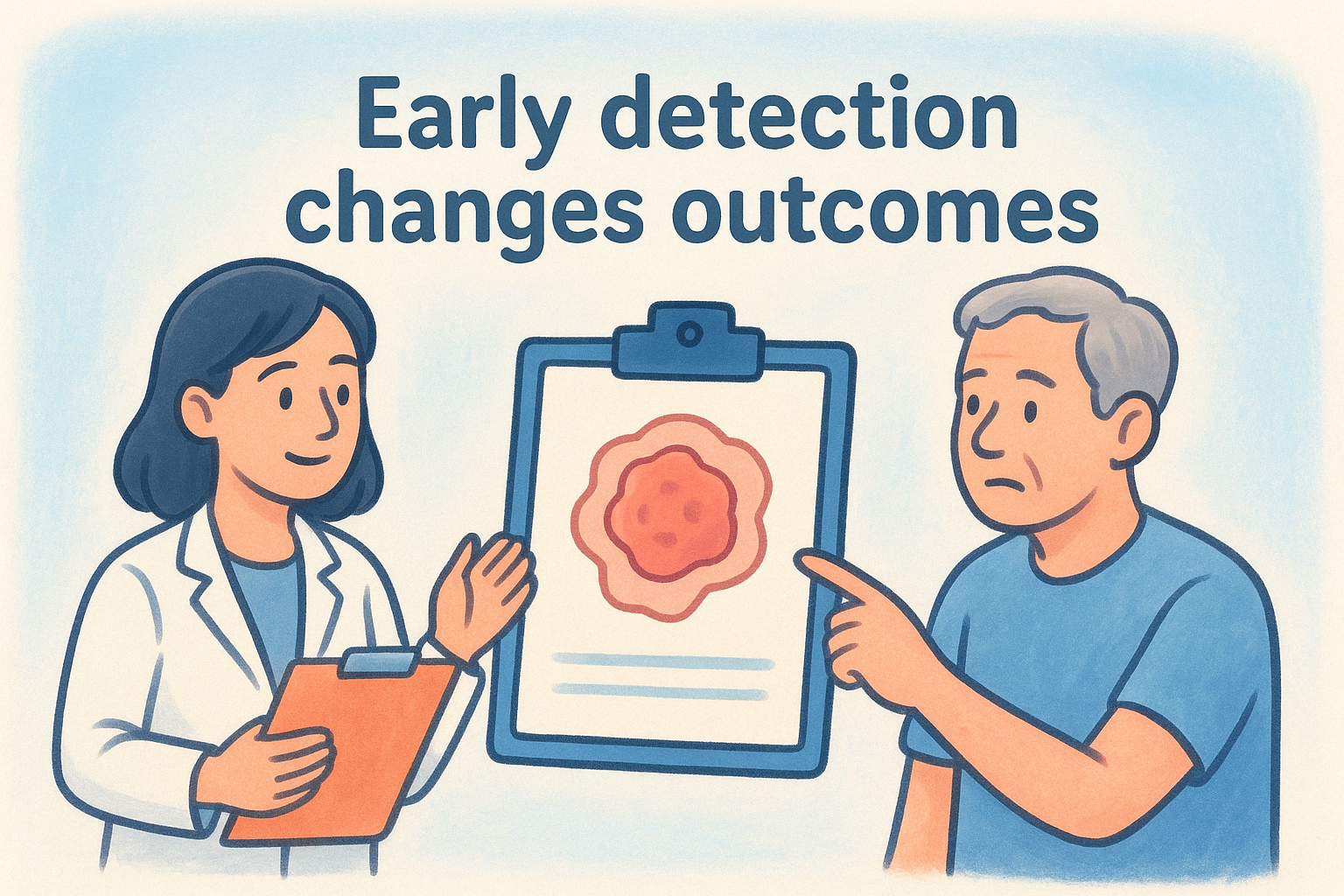
Treating a health condition early often requires less intensive intervention and delivers better long-term results than waiting until symptoms force you to seek care.
Financial and practical benefits
Preventive care saves you money in the long run. Most insurance plans cover preventive services at no cost to you, which means annual checkups, screenings, and vaccinations come without copays or deductibles. Compare this to the cost of managing advanced disease: hospital stays, emergency care, expensive medications, and lost work time. Regular monitoring helps you avoid medical emergencies that strain both your health and your budget.
Your quality of life improves when you stay ahead of health problems. Preventive care keeps chronic conditions under control, reduces the number of sick days you take, and helps you maintain your independence as you age. You spend less time managing health crises and more time doing what matters to you.
How to use preventive care in everyday life
Knowing what is preventive health care gives you the foundation, but making it part of your routine requires specific strategies. You can integrate preventive services into your daily life by planning ahead, staying organized, and taking advantage of the resources available to you. These practical steps help you maintain consistent care without disrupting your schedule or overwhelming your budget.
Schedule routine appointments ahead of time
You avoid gaps in your preventive care when you book your next appointment before leaving the doctor’s office. Schedule your annual physical for the same month each year so it becomes an automatic part of your routine, like renewing your car registration or filing taxes. Setting up recurring reminders on your phone or calendar ensures you don’t forget important screenings or immunizations.
Many insurance plans send reminders about upcoming preventive services you’re due for, but you should also keep your own health calendar. Mark down when you’re due for dental cleanings, vision exams, mammograms, colonoscopies, or other age-appropriate screenings. If you manage prescriptions through your local pharmacy, ask the pharmacist about available vaccines and schedule them during your next pickup to save time.
Track your family health history
Your family’s medical background directly impacts what preventive screenings you need and when you should start them. Documenting conditions like heart disease, cancer, or diabetes in your immediate family gives your doctor critical information for creating your personalized preventive care plan. You might need certain screenings earlier or more frequently than the standard recommendations suggest.
Start by talking to your parents, siblings, and grandparents about their health conditions and the ages when diagnoses occurred. Write down this information and bring it to your next wellness visit. Your doctor uses this history to identify your genetic risks and adjust your screening schedule accordingly.
Understanding your family’s health patterns helps you stay ahead of conditions that run in your bloodline, giving you years of valuable prevention time.
Make the most of your wellness visits
Preparation transforms a routine checkup into a powerful preventive tool. Write down your questions and concerns before your appointment so you don’t forget important topics once you’re in the exam room. Bring a current list of all medications, vitamins, and supplements you take, including dosages, since interactions can affect your health.
Use this time to discuss lifestyle factors like sleep quality, stress levels, nutrition habits, and exercise routines. Your doctor can offer specific guidance tailored to your situation and connect you with resources that support healthy changes. Ask which preventive screenings you’re due for and schedule them immediately rather than putting them off. Your pharmacy can also provide vaccination services and health consultations, often with more flexible scheduling than traditional medical offices.
Common preventive services by age and need
Understanding what is preventive health care becomes more practical when you know which services apply to your specific situation. Your age determines many screening recommendations, but your personal health history, family background, and lifestyle factors also shape what you need. The following breakdown helps you identify which preventive services you should discuss with your doctor based on where you are in life.
Preventive care for adults 18-39
Young adults benefit from establishing a baseline for their health through regular wellness visits every one to three years, depending on their health status and risk factors. Your doctor measures your blood pressure at each visit and checks your cholesterol starting at age 20, repeating these screenings every four to six years if results fall within normal ranges. Women need cervical cancer screenings beginning at age 21, with Pap tests every three years or co-testing with HPV every five years starting at age 30.
This age group should stay current with immunizations including the flu vaccine annually and the COVID-19 vaccine series plus boosters. Your doctor may recommend the HPV vaccine if you didn’t receive it during adolescence, and women planning pregnancy should verify their immunity to measles, mumps, and rubella. Mental health screenings for depression and anxiety become standard preventive care during this period, along with counseling about nutrition, exercise, and substance use when appropriate.
Essential screenings for adults 40-64
Screening intensity increases during middle age when your risk for chronic conditions rises. Annual blood pressure checks and cholesterol screenings every five years help detect cardiovascular problems early, though your doctor may order these tests more frequently if you have risk factors like obesity, diabetes, or family history. Diabetes screening becomes routine starting at age 45, or earlier if you’re overweight or have other risk factors.
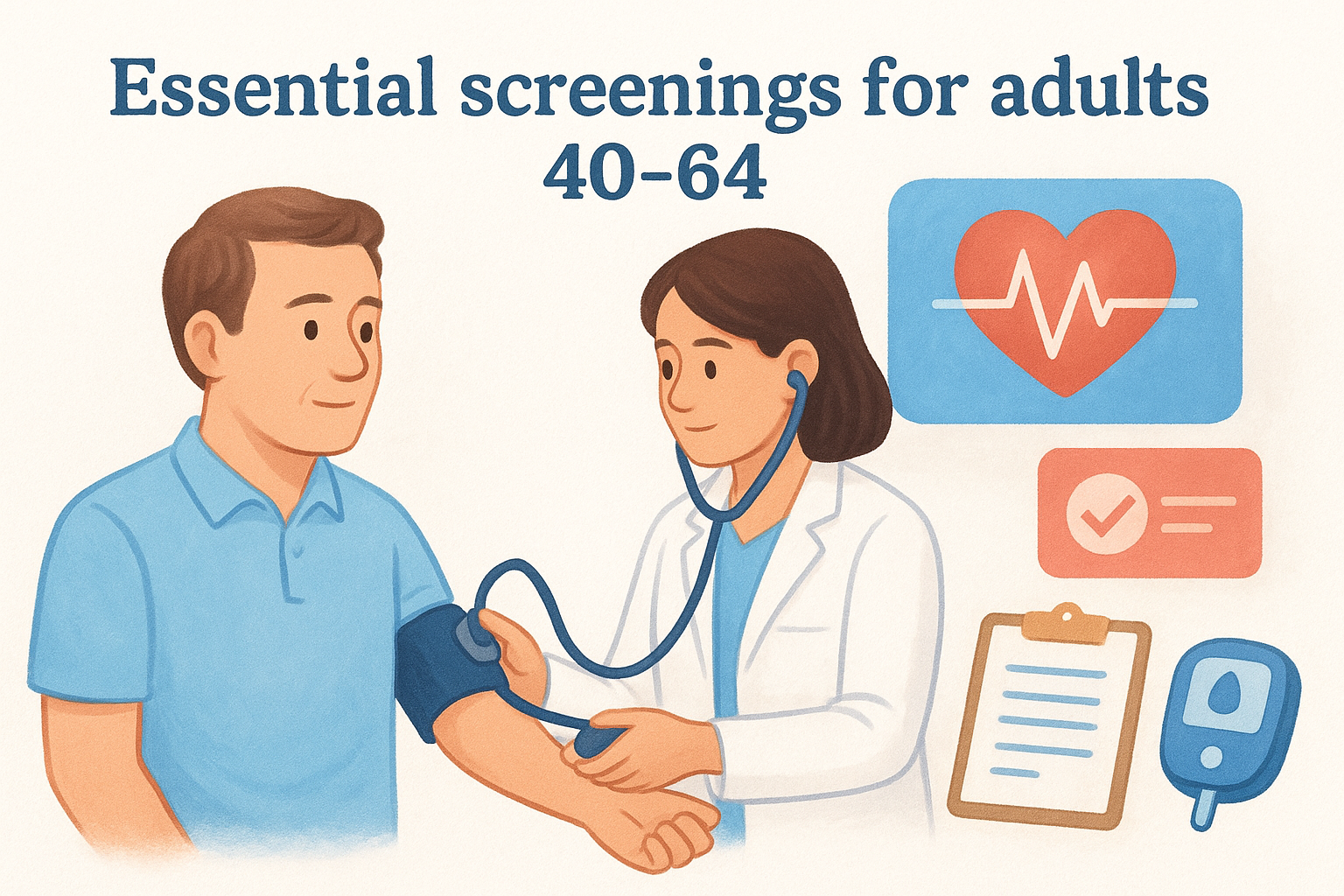
Cancer screenings expand significantly during these years. Women should begin annual mammograms at age 40 or 45 depending on their healthcare provider’s recommendations and risk assessment, continuing yearly or every other year through age 75. Both men and women need colorectal cancer screening starting at age 45, choosing from options like colonoscopy every 10 years, annual stool-based tests, or other methods your doctor recommends. Lung cancer screening with low-dose CT scans applies if you have a significant smoking history.
Catching diseases like diabetes, heart disease, and cancer during middle age through regular screenings gives you the best chance to prevent serious complications and maintain your quality of life.
Medicare-age preventive services (65+)
Medicare coverage begins at 65 and brings expanded access to preventive services at no cost. You receive a Welcome to Medicare visit within the first year of enrollment, followed by annual wellness visits that include cognitive assessment, fall risk evaluation, and personalized health planning. Bone density screening for osteoporosis becomes important, particularly for women, with repeat testing based on your results and risk factors.
Additional age-appropriate screenings include annual flu shots, pneumococcal vaccines, and shingles vaccination if you haven’t received it. Your doctor monitors your hearing and vision more closely, since age-related changes affect both senses. Cardiovascular screening continues with blood pressure and cholesterol checks, while diabetes monitoring becomes even more critical as your risk increases with age.
Risk-based screenings regardless of age
Some preventive services depend on specific risk factors rather than age alone. You need more frequent screening if heart disease, cancer, or diabetes runs in your immediate family. Sexually transmitted infection testing applies when you’re sexually active with new or multiple partners, including HIV, hepatitis B and C, and syphilis screenings. Pregnant women receive specialized preventive care including gestational diabetes screening and testing for anemia.
Your lifestyle choices also trigger additional preventive services. Hepatitis C screening is recommended for anyone born between 1945 and 1965, plus younger people who use injection drugs or received blood transfusions before 1992. Tuberculosis screening applies if you live or work in high-risk environments. Talk with your doctor about which risk-based screenings make sense for your situation beyond the standard age-related recommendations.
Insurance coverage and costs for preventive care
Understanding what is preventive health care includes knowing how insurance handles these services. Federal law requires most health insurance plans to cover specific preventive services at no cost to you, meaning no copayments, coinsurance, or deductibles apply when you receive these services from in-network providers. This protection gives you access to the screenings, vaccines, and counseling services you need without financial barriers preventing you from getting care.
What federal law requires insurers to cover
The Affordable Care Act established requirements that private health insurance plans must cover all preventive services rated A or B by the U.S. Preventive Services Task Force without charging you. This includes services purchased through the Health Insurance Marketplace, employer-sponsored plans, and most private insurance policies issued after 2010. Your plan must cover annual wellness visits, cancer screenings, blood pressure checks, diabetes screening, immunizations, and counseling services recommended for your age and risk factors.
Women receive additional protections under federal law, including coverage for well-woman visits, contraceptive services, breastfeeding support, and screening for gestational diabetes during pregnancy. Children’s preventive care gets similar comprehensive coverage, ensuring families can access wellness visits, developmental screenings, and childhood vaccinations without cost-sharing.
Federal preventive care requirements remove financial barriers that once kept people from getting routine screenings and vaccines, making it easier for you to catch health problems early when treatment works best.
Medicare and Medicaid preventive coverage
Medicare Part B covers preventive services at 100 percent with no deductible or copayment when you use providers who accept Medicare assignment. Your coverage includes annual wellness visits, cardiovascular screenings, diabetes screening, cancer screenings, bone mass measurements, and most vaccines including flu shots and pneumococcal vaccines. Medicare offers a one-time Welcome to Medicare visit during your first year of enrollment to establish your baseline health and create a personalized prevention plan.
Medicaid programs in all states provide comprehensive preventive care coverage for both adults and children without cost-sharing requirements. Coverage specifics vary by state, but federal guidelines mandate that states cover screening services, immunizations, and preventive care for conditions like diabetes, high blood pressure, and cancer.
When preventive services cost you money
You face potential costs when you receive preventive care from out-of-network providers, even though the service itself qualifies as preventive. Your insurance plan’s network restrictions still apply, so verify that your doctor participates in your plan before scheduling preventive appointments. Most insurance companies provide online directories where you can confirm provider network status.
Additional charges can occur when your doctor performs both preventive and diagnostic services during the same visit. For example, if you schedule a routine colonoscopy (preventive) but the doctor removes a polyp during the procedure, the polyp removal becomes diagnostic and may trigger cost-sharing. Similarly, if you mention symptoms during your annual physical, any testing related to those symptoms gets billed as diagnostic rather than preventive. Ask your provider how services will be coded before receiving care to avoid surprise bills.
What is not preventive care and why it matters
Understanding what is preventive health care requires you to recognize the distinction between preventive and diagnostic services, since insurance billing and your out-of-pocket costs change significantly based on how your doctor codes your visit. You face higher expenses when services shift from preventive to diagnostic, making this distinction critical for managing your healthcare budget. Knowing these boundaries helps you avoid surprise medical bills and plan for healthcare expenses accurately.
When screening becomes diagnostic
Your routine screening transforms into diagnostic care when you report symptoms or your doctor investigates an existing problem. A colonoscopy scheduled as part of your routine preventive screening at age 50 carries no cost, but the same procedure ordered to investigate abdominal pain, bleeding, or changes in bowel habits becomes diagnostic and triggers your deductible and copayments. Blood work ordered during your annual physical generally qualifies as preventive, but additional tests requested because of concerning symptoms your doctor wants to examine get billed as diagnostic services.
Insurance companies draw a clear line between looking for problems you don’t know about (preventive) and investigating symptoms you’re experiencing (diagnostic), and this distinction directly affects what you pay.
Treatment and ongoing care
You leave preventive care territory once your doctor diagnoses a condition and begins treatment, even if that diagnosis came from a preventive screening. Managing diabetes requires ongoing monitoring, medication adjustments, and specialist visits that fall under treatment rather than prevention. Follow-up appointments to check how your medications work, physical therapy sessions, and visits with specialists to manage diagnosed conditions all count as diagnostic or treatment services subject to your regular cost-sharing requirements.
Emergency care never qualifies as preventive, regardless of the situation. Your urgent care visit for flu symptoms, emergency room treatment for chest pain, or walk-in clinic appointment for a suspected infection all get billed as diagnostic care because you’re seeking treatment for active health concerns.
How a local pharmacy can support preventive care
Your local pharmacy offers more preventive services than you might realize, serving as an accessible healthcare hub beyond prescription fulfillment. Pharmacists complete specialized training that qualifies them to administer vaccines, provide health screenings, and offer consultations about medication management and wellness. Community pharmacies extend their hours beyond typical doctor’s office schedules, giving you flexibility to access preventive care when it fits your routine rather than taking time off work or rearranging your entire day.
Vaccination services without appointments
You can walk into most pharmacies and receive important immunizations on the spot, eliminating the barriers that prevent many people from staying current with their vaccines. Pharmacists administer flu shots, COVID-19 vaccines and boosters, shingles vaccines, pneumonia vaccines, and other routine immunizations recommended for adults. No appointment scheduling or long waits means you can get your flu shot while picking up groceries or stop by during your lunch break. This convenience removes one of the biggest obstacles to preventive care: finding time in your schedule.
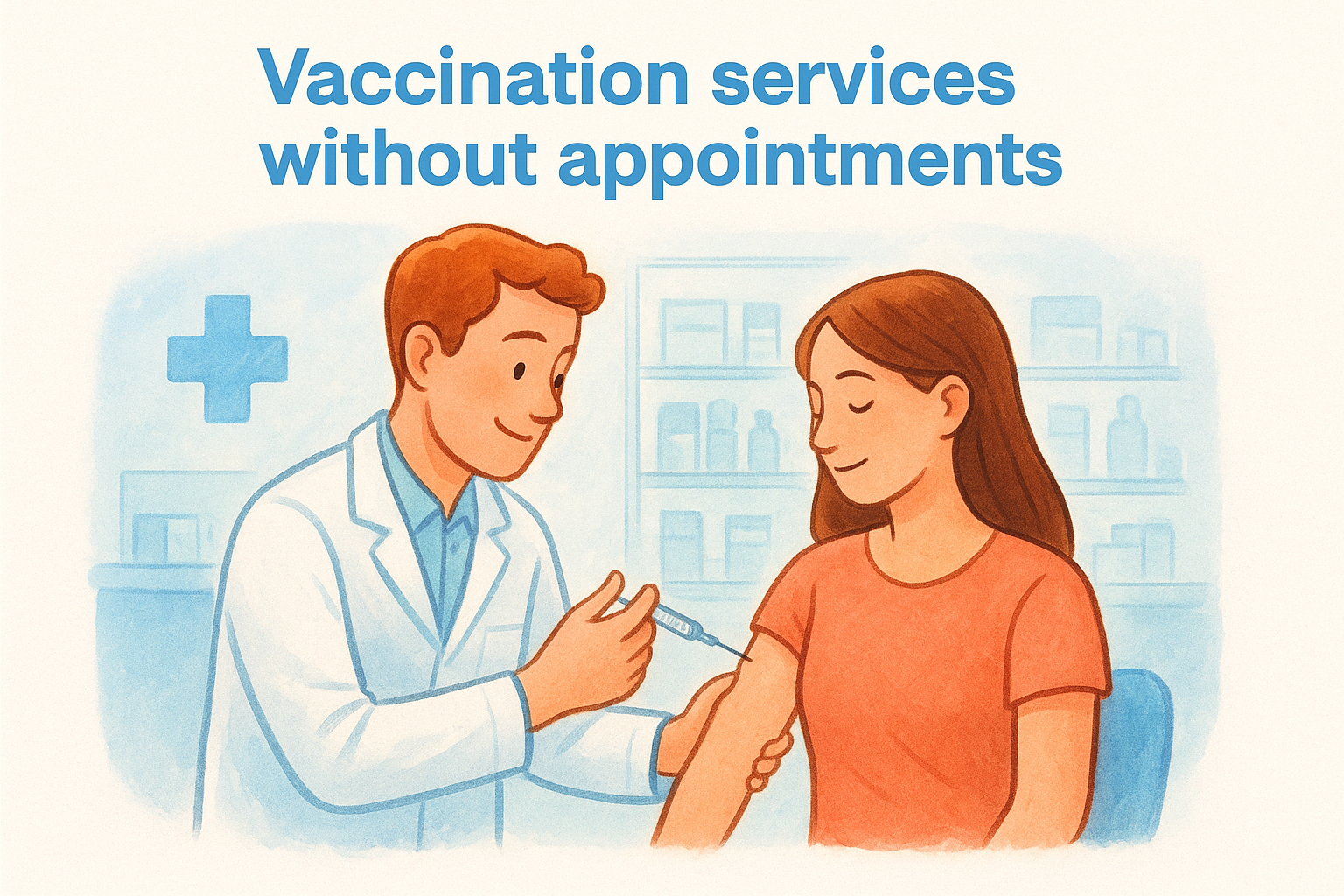
Local pharmacies bridge the gap between knowing what is preventive health care and actually receiving those services by making vaccines and health consultations available when and where you need them.
Medication reviews and health monitoring
Your pharmacist can conduct comprehensive medication reviews to identify potential interactions, duplicate therapies, or opportunities to simplify your regimen. These consultations catch problems before they affect your health, making them true preventive services. Many pharmacies now offer basic health screenings including blood pressure checks, cholesterol testing, and blood glucose monitoring at no cost or minimal expense. Regular monitoring helps you track numbers that indicate your disease risk and gives you data to share with your doctor during wellness visits. Pharmacists also answer questions about over-the-counter products, supplements, and lifestyle modifications that support your preventive health goals.

Next steps for preventive care
Understanding what is preventive health care gives you the foundation to take control of your long-term wellness. Schedule your next annual physical if you haven’t had one recently, and make a list of any screenings you’re due for based on your age and risk factors. Talk with your doctor about your family health history and ask which additional preventive services make sense for your situation. Bring your current medication list and write down any questions you’ve been putting off asking.
Your local pharmacy serves as a valuable partner in staying current with immunizations and health monitoring. Stop by for your flu shot, check your blood pressure, or ask the pharmacist about medication reviews that identify potential problems before they affect your health. Value Drugstore offers convenient vaccination services, health consultations, and personalized care that fits your schedule. Learn more about our commitment to accessible, community-focused healthcare and discover how we support your preventive health goals with affordable, expert care right in your neighborhood.