
Your Guide to Recommended Health Check-ups by Age
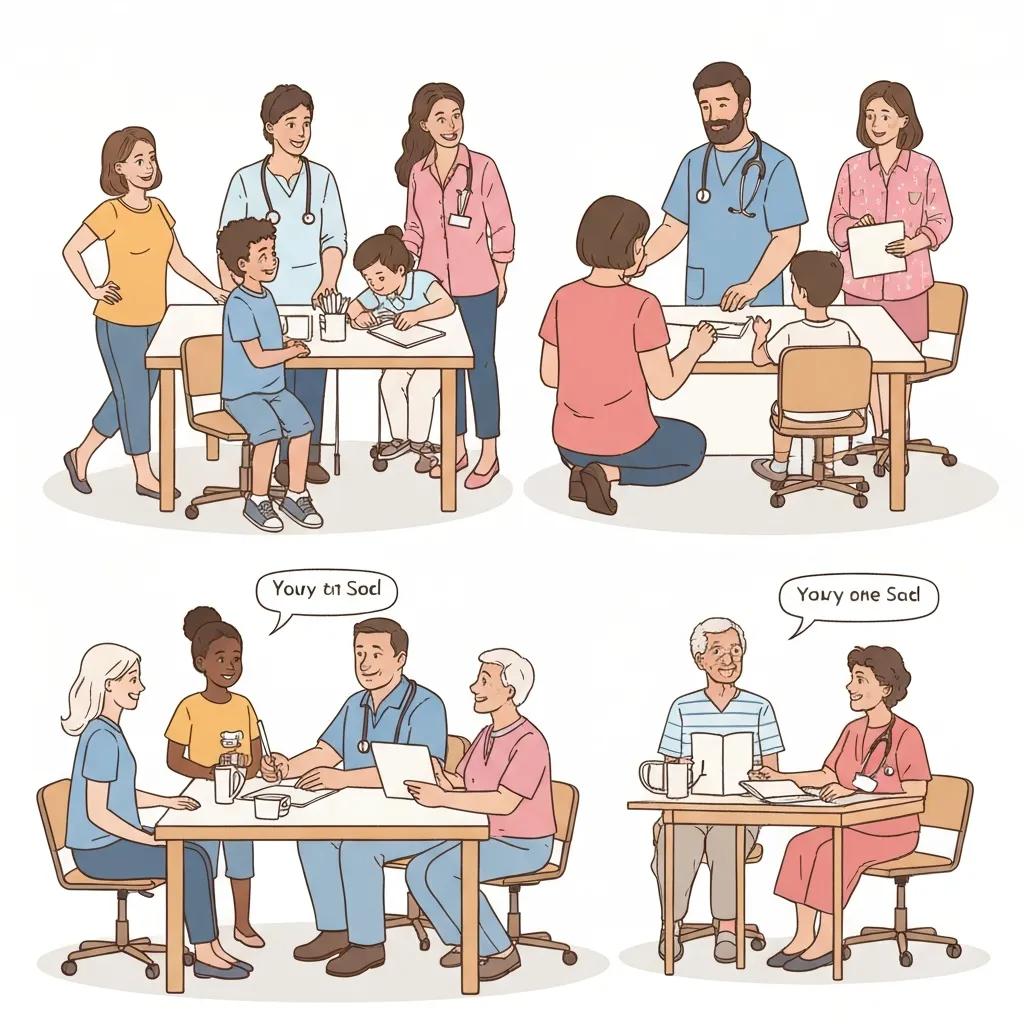
Your Age-by-Age Guide to Recommended Health Checkups and Preventive Screenings
Preventive checkups and screenings are routine, age- and risk-based visits that help catch problems early and keep you healthy as you get older. This guide walks through the screenings commonly recommended for children, young adults, midlife adults, and seniors, and explains why a timeline for prevention matters. Many people skip important tests because they aren’t sure when to start, how often to repeat them, or which ones apply given their sex, family history, or lifestyle. Below we map age-specific checkups to straightforward actions, cover general screenings everyone should consider, list recommendations for young adults (18–39), midlife adults (40–64), and seniors (65+), and offer tips on preparation, immunizations, and how pharmacy telehealth and immunization services can support your preventive plan. We base these recommendations on current guidelines so you can discuss options confidently with your care team.
Why Are Preventive Health Check-ups Important at Every Age?
Preventive checkups are routine exams meant to spot risk factors or early disease before symptoms start. Finding problems early allows for simpler, more effective treatment and can lower healthcare costs over time. Screenings look for measurable signs—like high blood pressure, high cholesterol, or abnormal cells—so your clinician can recommend lifestyle changes, closer monitoring, or treatment to slow or stop disease progression. Early detection typically leads to better outcomes, fewer complications, and a higher quality of life. The sections that follow explain the specific benefits and give practical screening recommendations by age.
What Are the Benefits of Early Detection and Preventive Care?

Finding health issues early can save lives and preserve daily function. For example, treating high blood pressure before complications arise lowers the chance of heart attack and stroke. Detecting precancerous changes on screening tests can reduce cancer deaths. Preventive care also cuts long-term costs by avoiding emergency care and complex treatments, and it helps people stay independent and active. Understanding these benefits makes it easier to see how routine tests and vaccines fit into a life-long plan for health.
How Does Preventive Care Reduce Risks of Chronic Diseases?
Preventive care lowers chronic disease risk by uncovering modifiable factors—like high cholesterol, prediabetes, or excess weight—and connecting them to proven steps: healthier eating, more activity, medications when needed, and vaccinations. Screening turns population-level risk into clear, personal action: a high A1c prompts glucose-lowering strategies, a high LDL leads to lipid management, and smoking-cessation programs reduce both lung and heart risk. These screening-to-treatment pathways reduce complications and improve population health, which is why age-focused screening schedules matter and how they link to follow-up care.
What General Health Screenings Should Everyone Get Regularly?
Some screenings apply to most adults, adjusted for individual risk and family history. These checks identify cardiometabolic risk, susceptibility to infections, and early signs of common conditions—and they often trigger referrals for more testing when needed. Regular screenings also create baselines so changes become easier to spot over time. Below are key routine tests, typical timing, and practical notes on scheduling and red flags to watch for.
Different routine tests help catch common problems early and indicate when closer follow-up is needed.
| Screening | Typical Frequency | Age/Applicability |
|---|---|---|
| Blood pressure check | At least annually; more often if elevated | All adults, starting at 18 |
| Lipid panel (cholesterol) | Every 4–6 years if low risk; annually if on therapy or high risk | Adults 20+ |
| Blood glucose / A1c | Every 3 years if normal; annually if prediabetes or risk factors | Adults 35+ or earlier with risk |
| BMI and weight assessment | At each preventive visit | All ages |
| Routine vaccinations (flu, Tdap) | Annual flu; Tdap once with boosters every 10 years | All ages |
This table outlines staple preventive checks that form the foundation of an individualized screening plan, making it easier to talk timing over with your clinician.
Which Routine Tests Are Recommended Across All Age Groups?
Routine testing focuses on vital signs, basic lab work, and vaccines that apply broadly and establish health baselines. Blood pressure should be checked at least once a year starting in young adulthood, with home monitoring if clinic readings are high. Lipid panels usually begin in early adulthood, with testing frequency based on risk and treatment. Blood glucose or A1c detects prediabetes and diabetes and is repeated more often when risk factors are present. Vaccines—such as the yearly flu shot and Tdap boosters every 10 years—help prevent infections across the lifespan. Together, these elements build a risk profile that guides targeted screenings and lifestyle changes.
How Often Should You Schedule Annual Physical Exams and Skin Checks?
An annual physical is a preventive checklist: medication review, vaccine updates, screening coordination, and counseling on diet, activity, and mental health. For most adults, a yearly wellness visit makes sense; people with chronic conditions may need more frequent care. Skin checks depend on personal and family risk—annually for higher-risk people; otherwise, monthly self-exams and a clinician visit for any changing spot. Red flags include unexplained weight loss, new persistent pain, changes in bowel or bladder habits, or new neurological symptoms. Regular visits help catch new concerns early and close screening gaps.
What Health Screenings Are Recommended for Young Adults?

Young adults (about 18–39) benefit from screenings that establish baselines, address sexual and reproductive health, and reinforce healthy habits that protect long-term heart and metabolic health. Baseline measures—blood pressure, BMI, and lipid checks—spot early risk. Catch-up vaccines (HPV, Tdap, flu) prevent common infections. Mental health and substance-use screenings are important because many conditions begin in this age range. Early engagement with preventive services helps shape healthier midlife and beyond by enabling timely interventions and specialist referrals when needed.
Which Preventive Tests Are Essential for Young Adults?
Key young-adult checks include cardiometabolic baselines, sexual health screening, and vaccinations to close gaps from adolescence. Regular items are blood pressure and BMI at preventive visits, a baseline lipid panel and glucose/A1c when indicated, and STI testing for sexually active people based on risk. For women, Pap/HPV testing follows guideline schedules and contraception counseling remains important during reproductive years. Vaccines like HPV (if missed earlier), Tdap boosters, and annual flu shots are commonly appropriate. The table below summarizes purpose and typical timing to help plan conversations with your clinician.
| Screening | Why it’s done | Recommended start age & frequency |
|---|---|---|
| Blood pressure | Detect hypertension early | Start at 18; at least annually |
| Lipid panel | Assess cardiovascular risk | Baseline in 20s–30s; repeat based on risk |
| STI testing (chlamydia/gonorrhea) | Prevent reproductive complications | Sexually active individuals; frequency by risk |
| HPV/Pap testing | Cervical cancer prevention | Pap starting at age 21; HPV testing per guidelines |
| Vaccinations (HPV, Tdap, flu) | Prevent infections and long-term complications | Complete HPV if missed; Tdap every 10 years; flu annually |
This quick reference links each screening with its purpose and the usual start age or timing to make planning easier.
How Can Telehealth Consultations Support Young Adult Preventive Care?
Telehealth works well for many preventive needs in young adults: risk assessments, counseling, and follow-ups. Virtual visits make it easy to get prescription refills, review lab results, and arrange referrals for in-person testing like blood work or vaccines. Telehealth can triage symptoms, offer birth-control counseling, and connect people with mental health resources without an immediate office visit. It’s a convenient first step for personalized screening plans that can be followed by in-person care when needed.
What Are the Key Health Check-ups for Midlife Adults?
Midlife (roughly 40–64) is when screening often intensifies: cardiovascular risk checks, diabetes screening, and age-appropriate cancer tests become priorities. This period commonly includes mammography, colorectal cancer screening options, and closer monitoring of blood pressure and cholesterol to prevent later complications. Shared decision-making is important for tests with trade-offs, such as prostate screening. Thoughtful midlife screening aims to prevent disability and help you maintain function into older adulthood; the sections below outline cancer screening and chronic-disease priorities for this group.
Which Cancer Screenings Are Recommended for Women and Men in Midlife?
In midlife, cancer screening focuses on mammograms, colorectal screening, and continued cervical screening based on prior results—plus individualized conversations about prostate screening. Mammography typically starts around age 40, with annual or biennial timing for average-risk women. Colorectal screening generally begins at 45, with options from colonoscopy to stool-based tests at guideline intervals. Cervical screening follows established schedules and may stop or change based on history. Prostate screening is a shared decision, often starting near age 50 or sooner for higher-risk men. These screenings lower mortality through earlier detection and are tailored by family history and individual risk.
Cardiovascular Disease Prevention in Midlife Adults
This study examined how a diagnosis of cardiovascular disease affects use of preventive services among midlife adults.
Cardiovascular disease and preventive care service utilization among midlife adults: The roles of diagnosis and depression, K Sun, 2024
What Chronic Disease Screenings Should Midlife Adults Prioritize?
Midlife adults should focus on blood pressure checks, lipid panels, and diabetes screening (A1c or fasting glucose), since cardiometabolic risk often increases in this decade. Check blood pressure at least yearly and more often if it’s high. Lipid monitoring depends on baseline values and whether you’re on statins. Diabetes screening is more frequent when risk factors—like obesity or family history—are present, so early lifestyle or medication changes can be started. Providers may also order liver and kidney tests when indicated. Detecting and managing these risks in midlife reduces the chance of heart disease, stroke, and organ damage later on.
What Preventive Screenings Are Crucial for Seniors?
Seniors (65+) need screenings that include bone health, cognition, sensory function, and fall risk in addition to ongoing heart and cancer checks as appropriate. Bone density testing (DXA) assesses osteoporosis risk and guides fracture-prevention steps. Cognitive screening can spot early decline so families and clinicians can plan support. Vision and hearing checks help preserve independence and prevent isolation. Vaccines such as shingles and pneumococcal shots protect older adults from serious infections. Annual wellness visits for medication review, fall-risk screening, and care coordination are key to maintaining quality of life. The sections below explain bone and cognitive screening benefits and vaccine priorities for older adults.
How Do Bone Density and Cognitive Health Screenings Benefit Seniors?
DXA scans measure bone mass and reveal fracture risk so interventions—like calcium and vitamin D, targeted exercise, or medications—can reduce fracture chances and help preserve mobility. Early osteoporosis treatment lowers the risk of hip and spine fractures. Cognitive screens use short, validated tools to detect memory or thinking changes that need further assessment and planning. Finding cognitive impairment early helps identify reversible causes, start support services, and address safety. Both bone and cognitive screenings aim to protect independence and guide tailored prevention.
Screening and Preventive Services for Older Adults
An overview of age-focused screening that helps clinicians offer cost-effective preventive services for older adults.
Screening and preventive services for older adults, 2011
What Immunizations and Annual Wellness Visits Are Recommended for Older Adults?
Older adults benefit from a vaccine-forward approach: annual flu shots and vaccines that address age-related risks—like shingles (recommended at age 50 or older) and pneumococcal protection (PCV13 and PPSV23 per CDC guidance)—along with routine Tdap boosters every 10 years when appropriate. Yearly wellness visits are a chance to reconcile medications, screen for fall risk, and review chronic-disease plans to prevent hospital visits. These visits also cover skin, hearing, and vision checks and coordinate referrals when needed. Staying current with vaccines and seeing your clinician yearly are simple, effective steps to reduce complications as you age.
Age-Related Disparities in Cancer Screening
This analysis compared screening patterns for colorectal, breast, and prostate cancer among people 50 and older to identify age-related disparities in care.
Age-related disparities in cancer screening: analysis of 2001 Behavioral Risk Factor Surveillance System data, AF Jerant, 2001
How Does Value Drugstore Support Your Preventive Health Journey at Every Age?
Value Drugstore offers services that make staying on top of prevention easier—immunizations, telehealth visits, online prescription refills, and free delivery—so screening recommendations are easier to follow for our Belvedere Square neighbors. Pharmacy-based vaccines give convenient access to recommended shots without replacing your clinician’s role. Telehealth visits help assess risk, coordinate care, and renew prescriptions, and our delivery and refill tools make it simpler to stick with preventive therapies. Together, these services reduce barriers and support adherence to your screening plan in the community.
How Can Comprehensive Immunization Services Protect You Across Life Stages?
Community pharmacy immunization services offer age-appropriate vaccines that lower the chance of infection and serious complications. Childhood and adolescent vaccines—like HPV—prevent long-term problems, while adult boosters and older-adult vaccines such as shingles and pneumococcal shots address risks that rise with age. On-site vaccinations make it easier to stay up to date and to get counseling on which shots fit your health profile. Local access to vaccines helps prevent delays and supports both public health and personal protection.
| Service | Benefit for preventive care | How to access |
|---|---|---|
| Immunizations | Reduces infection risk and complications across life stages | Schedule via telehealth consult or pharmacy appointment |
| Telehealth consultations | Personalized screening plans and prescription management | Virtual visits for risk assessment and referrals |
| Online prescription refills | Improves medication adherence and continuity of care | Refill services that limit treatment interruptions |
This table links Value Drugstore services to preventive benefits and practical access routes; these services support but do not replace clinician-directed screening.
What Are the Benefits of Telehealth Consultations for Personalized Preventive Care?
Telehealth consultations let you get timely, person-centered preventive care: quick risk checks, medication reviews, and screening-plan discussions that can be coordinated with in-person tests and vaccines. Virtual visits help prioritize which in-person screenings are next, manage chronic conditions to reduce complications, and handle prescription renewals to keep therapy on track. Telehealth also smooths referrals and scheduling for labs and imaging. For many people, virtual care lowers barriers and speeds action on screening recommendations.
What Are the Most Common Questions About Age-Based Health Screenings?
People often want to know which tests they need at milestone ages, how guidelines apply to their personal risk, and how to prioritize screenings when time or money is limited. Clear, concise answers help you take action and discuss options with your clinician. Below are short, practical checklists—what to get at 40 and which screenings women over 50 should prioritize—followed by tips on preparing for appointments and accessing local services.
What Health Check-ups Do I Need at 40?
Around age 40, core checks include blood pressure, a lipid panel, and blood glucose/A1c to screen for cardiometabolic risk, plus age-appropriate cancer-screening conversations. Many clinicians also discuss starting or continuing mammography for women and beginning colorectal screening if not already done. Review family history to see if earlier or extra testing—like genetic counseling or earlier colonoscopy—is needed. This visit is also a good time to revisit lifestyle, mental health, and work-related exposures that shape midlife health.
Which Screenings Are Recommended for Women Over 50?
Women over 50 should prioritize mammography as recommended by their care team, colorectal screening on schedule, and a bone-density check when risk factors or menopausal history indicate it. Continue routine blood pressure and lipid monitoring, and make sure vaccines like shingles and pneumococcal are current. Use shared decision-making for tests with trade-offs, and include medication review at annual visits to lower preventable risks. These steps help reduce illness and preserve function as you age.
How Can You Prepare for Your Health Check-ups and Screenings?
Good preparation makes tests more accurate and visits more productive. Bring an up-to-date medication list, note family history and past screening dates, and follow any test-specific instructions (for example, fasting before certain blood work). Know what to expect for common procedures and plan follow-up steps—like a telehealth check-in or a pharmacy appointment for vaccines and refills—to smooth your care path. The sections below explain what to expect during common procedures and how to schedule preventive services at Value Drugstore.
What Should You Expect During Common Screening Procedures?
Most screening procedures are brief and comfortable: blood draws are a short venipuncture; blood pressure checks are quick and noninvasive; and mammograms or DXA scans are done in specialized clinics with staff to guide you. Colon-cancer screening varies: stool-based tests are done at home and mailed in, while colonoscopy requires bowel prep and sedation at a procedure center. Your clinician will explain prep steps, sensations you might feel, and typical timelines for results and follow-up. Knowing these details reduces stress and helps you plan for transport or recovery when needed.
How Do You Schedule and Access Preventive Services at Value Drugstore?
Start by booking a telehealth visit to review your risk profile and get referrals or orders for any in-person tests. Then use our pharmacy immunization services and online prescription tools to stay current with vaccines and medications. Value Drugstore offers telehealth consultations to personalize screening schedules, coordinate needed vaccinations, and manage refills, plus online refills and free delivery to support adherence. Begin with a virtual visit for planning, then follow up with local in-person tests and immunizations as recommended by your care team.
- Gather your health information: Prepare medication lists, family history, and past screening dates.
- Book a telehealth consult: Use a virtual assessment to prioritize tests and referrals.
- Follow through with in-person tests and immunizations: Schedule labs, imaging, and pharmacy vaccinations.
These steps create a simple workflow that connects assessment, testing, and follow-up—helping you act on screening recommendations efficiently.
This guide mapped age-based checkups, explained how preventive care reduces risk, and outlined practical steps to prepare for and access screenings. Use these guidelines to discuss a personalized plan with your clinician and to take advantage of local pharmacy services for convenient preventive care.
Frequently Asked Questions
What should I do if I miss a recommended health screening?
If you miss a screening, reschedule it as soon as you can. Delays can mean missed chances to find a problem early. Contact your clinician to review which tests you need and when to do them; they can help prioritize based on your age, risks, and symptoms. Staying in touch with your care team keeps your preventive plan on track.
How can I find out which screenings are right for my specific health needs?
Talk with your healthcare provider to determine the screenings that fit your situation. They’ll consider your age, family history, lifestyle, and any existing conditions. You can also consult reputable guideline sources for general recommendations. An open conversation with your clinician helps tailor a screening plan to your health goals and concerns.
Are there any screenings that are particularly important for men or women?
Yes. Women commonly need mammograms for breast cancer and Pap/HPV testing for cervical cancer at recommended intervals. Men may discuss prostate screening based on age and risk. Both men and women should get routine checks for blood pressure, cholesterol, and diabetes. Talk with your clinician about gender-specific risks to make sure you get the right tests at the right time.
What lifestyle changes can I make to improve my health between screenings?
Between screenings, focus on a balanced diet with plenty of fruits, vegetables, whole grains, and lean proteins. Aim for regular physical activity—walking, swimming, or cycling are good options—and avoid smoking and limit alcohol. Manage stress with sleep, mindfulness, or relaxation techniques. These habits reduce risk and improve the value of your preventive care.
How can I prepare for my health check-up to ensure accurate results?
Prepare a current list of medications and supplements, note any new symptoms, and bring previous screening dates. Follow any test-specific directions, such as fasting when required. Arriving prepared helps your clinician make the most of the visit and ensures more accurate test results.
What should I do if I have concerns about the cost of screenings?
If cost is a concern, talk with your clinician or your insurance company—many preventive screenings are covered by insurance. Community health centers and local clinics may offer low-cost or sliding-scale options for people without coverage. Ask about available resources so you can prioritize important screenings without undue financial stress.
Can telehealth services help with preventive care and screenings?
Yes. Telehealth is a convenient way to get consultations, risk assessments, and follow-up on screening results. Virtual visits can help manage chronic conditions, arrange referrals for in-person tests, and provide counseling on lifestyle changes. Telehealth can make preventive care more accessible for people with busy schedules or transportation limits.