

Best Multivitamins for Women, Teens to 60+ and Beyond
Finding the right multivitamin feels overwhelming when you stare at shelves packed with bottles making
Finding the right multivitamin feels overwhelming when you stare at shelves packed with bottles making

You visit the doctor when something hurts. You pick up prescriptions when you get sick.
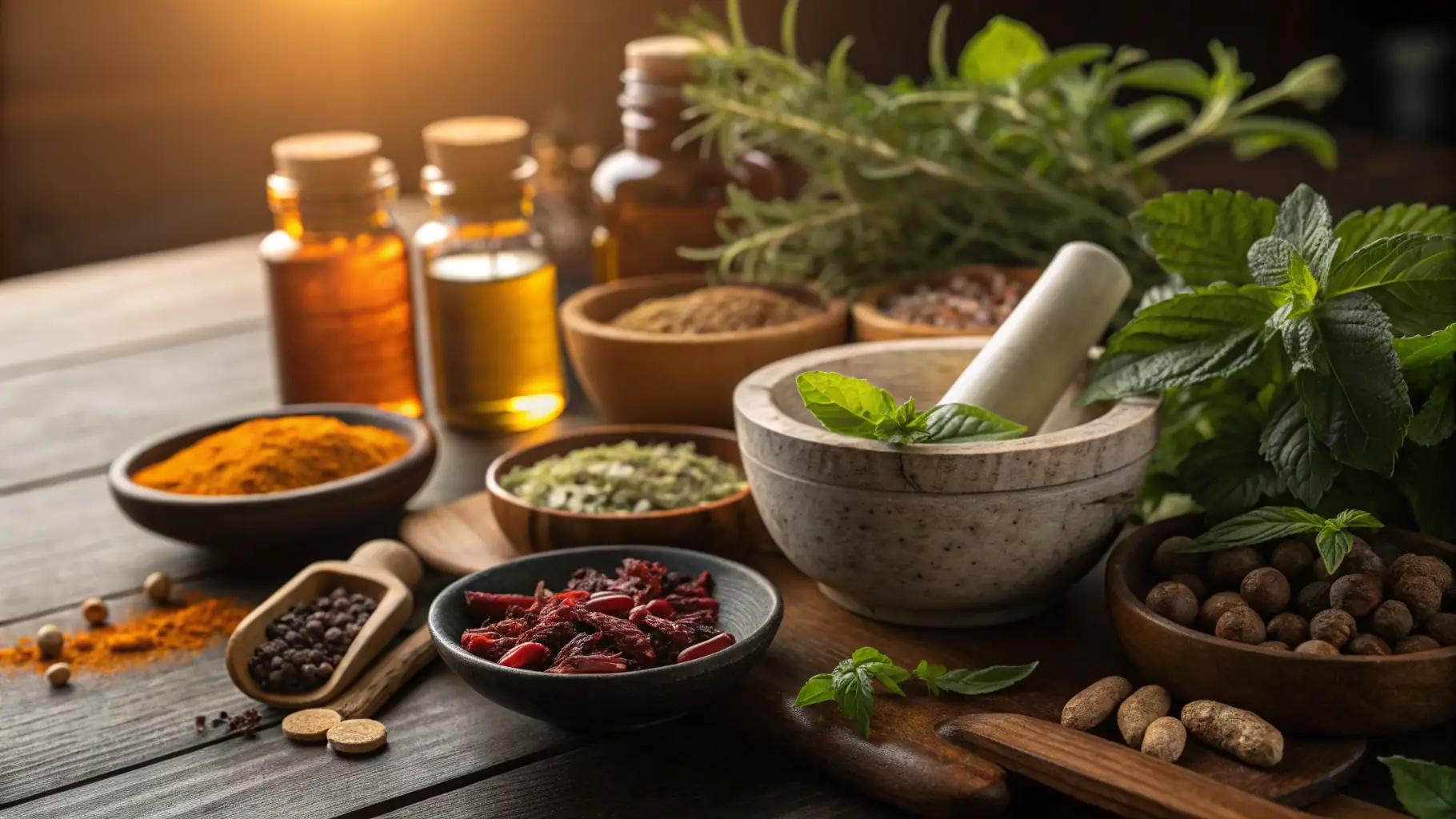
Natural supplements can play a vital role in enhancing your overall well-being, but it’s essential
value drugstore, value drugstore 524
Selecting the right natural supplements can be overwhelming due to the vast array of options available. It's essential to assess your individual health goals, dietary restrictions, and any existing medical conditions before making a choice. Consulting with a healthcare professional can provide personalized recommendations tailored to your specific needs.
For instance, athletes may benefit from supplements that enhance performance and recovery, such as branched-chain amino acids (BCAAs) or protein powders. On the other hand, individuals looking to boost their immune system might consider vitamin C or elderberry extract. Understanding your personal health profile ensures that you choose supplements that effectively support your wellness journey.
While natural supplements are often perceived as safe, they can still cause side effects or interact with medications. It's crucial to be aware of these potential risks when incorporating new supplements into your routine. Common side effects may include gastrointestinal discomfort, allergic reactions, or changes in blood pressure.
For example, high doses of vitamin E can increase the risk of bleeding, especially in individuals taking blood-thinning medications. Similarly, herbal supplements like St. John's Wort can interact with various pharmaceuticals, affecting their efficacy. Always research and consult with a healthcare provider to mitigate any risks associated with natural supplements.
Evaluating the quality of natural supplements is essential to ensure safety and efficacy. Look for products that have undergone third-party testing, which verifies that the supplements contain the ingredients listed on the label and are free from harmful contaminants. Certifications from organizations like NSF International or the U.S. Pharmacopeia (USP) can serve as indicators of quality.
Additionally, researching the brand's reputation and reading customer reviews can provide insights into the effectiveness and reliability of their products. Brands that prioritize transparency in their sourcing and manufacturing processes often stand out as trustworthy options in the crowded supplement market.
To maximize the benefits of natural supplements, it's crucial to integrate them with overall lifestyle changes, including a balanced diet and regular exercise. Supplements are designed to complement a healthy lifestyle, not replace it. Therefore, focusing on nutrition and physical activity can enhance the effectiveness of the supplements you choose.
For instance, combining omega-3 fatty acids with a diet rich in fruits and vegetables can improve cardiovascular health more effectively than supplements alone. Similarly, incorporating mindfulness practices alongside adaptogens like ashwagandha can help manage stress levels more holistically. Emphasizing a well-rounded approach to health ensures that you achieve optimal results from your supplement regimen.