
Compounded Treatments for Eczema, Acne & Rosacea

Personalized Dermatological Compounding for Skin Conditions — Custom Skin Medication Solutions from Value Drugstore
At Value Drugstore, dermatological compounding means creating topical medicines that match your skin’s needs — the right active ingredients, the right strength, and the right base for your condition and sensitivities. This guide explains how custom creams, gels, ointments and serums differ from store‑brand products and why tailored formulas can work better for acne, eczema, psoriasis, rosacea, melasma, scarring and aging skin. Many people stop or never start treatments because commercial products irritate, underperform, or contain allergens. Compounding fills those gaps with precise concentrations, alternative carriers, and combination therapy in a single tube. You’ll find clear steps on how a compounded product is made, which actives are commonly used and why, condition‑focused approaches, and the safety checks our pharmacists use. We also walk through how to request a compounding consultation at Value Drugstore, what clinicians and pharmacists handle, and answers to common questions about safety, insurance and turnaround times.
What Is Dermatological Compounding and How Does It Benefit Your Skin?
Dermatological compounding is the pharmacy practice of preparing custom topical medicines by changing active ingredients, doses and delivery vehicles to suit one patient. Compounding makes it possible to combine multiple actives in one tube, leave out ingredients that trigger reactions, and pick the best base — cream, gel, ointment or serum — to improve comfort and absorption. The outcome is a closer therapeutic fit: a strength and vehicle chosen for your skin type and sensitivity, which often means less irritation and better adherence. That’s why patients with allergies, special dosing needs or mixed skin concerns often do better with custom formulations.
Compounded dermatology delivers practical advantages many commercial products can’t match: accurate dose adjustments, removal of problematic excipients, and multi‑ingredient synergy in a single product — all of which can speed symptom control and reduce unnecessary systemic exposure. Key benefits include:
- Tailored strength and dose: Concentrations chosen to balance benefit and tolerance.
- Allergen‑free formulations: Fragrance‑ and dye‑free bases to lower contact dermatitis risk.
- Combination therapy in one product: Multiple actives in a single preparation to simplify care and improve adherence.
Those benefits lead into how compounding works and how pharmacists select actives, vehicles and quality checks before dispensing a personalized dermatologic medication.
How Does Personalized Skin Medication Work in Compounding?
The process begins with a prescription review and clinical assessment that pinpoints the problem area, past treatments, allergies and your texture and absorption preferences. Pharmacists then choose active ingredients and the most suitable base — cream, gel, ointment or serum — based on solubility and how the skin takes up the drug. For example, lipophilic actives may be placed in an ointment for occlusion, while hydrophilic drugs often suit gels. Compounding follows precise weighing and mixing under controlled conditions and includes clear labeling that lists concentration, directions and any omitted allergens. When feasible, quality checks confirm potency and stability.
This pharmacist‑led workflow narrows the gap between what the prescriber intends and what the patient can tolerate, helping clinicians deliver combination therapy in a rational, patient‑friendly way.
Pharmaceutical compounding is an important option in dermatologic care, giving patients alternatives when standard products fall short.
Pharmaceutical Compounding for Tailored Dermatological Therapies
Pharmaceutical compounding is a key tool in dermatology, helping clinicians customize topical treatments for individual patients. This work reviews when compounding is most useful and how to choose the right base and active strengths for specific therapeutic goals.
Pharmaceutical Compounding of Topical Dermatologic Treatments, 2025
What Are the Key Benefits of Custom Dermatology Prescriptions?
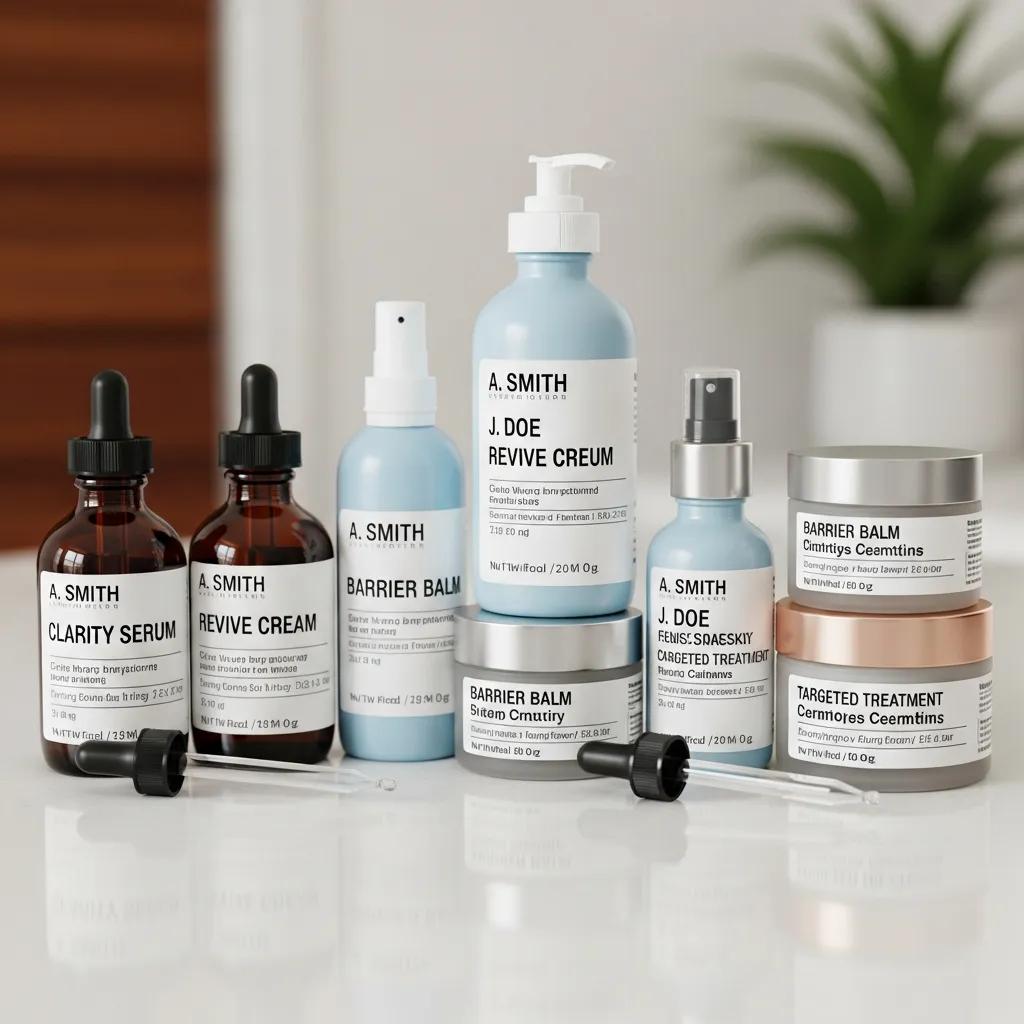
Custom dermatology prescriptions provide measurable clinical benefits through personalization: accurate dosing, removal of irritating excipients, and better adherence because patients get preferred textures and packaging. Personalization allows clinicians to combine complementary actives — for example, a retinoid plus an anti‑inflammatory — in ratios not available commercially, while avoiding ingredients that cause reactions.
For sensitive or pediatric patients, compounding lets clinicians start at lower concentrations and use gentler carriers that keep effectiveness but reduce irritation. These options are especially useful when standard products fail or when unique dosing is needed, which is why compounding is increasingly part of dermatologic care.
Which Skin Conditions Can Be Treated with Compounded Medications?
Compounded dermatology treats many conditions by aligning actives, concentrations and vehicles to the clinical problem and patient factors. Compounding is particularly helpful when commercial products aren’t available at the needed strength, when a combined formula improves adherence, or when patients need allergen‑free carriers. The list below gives a quick reference for common uses.
- Acne and acne variants: Custom retinoids, topical antibiotics and azelaic acid combinations for inflammatory and comedonal lesions.
- Eczema and atopic dermatitis: Site‑specific steroid potencies, calcineurin‑sparing options and rich emollient bases for barrier repair.
- Psoriasis: Localized higher‑potency steroids or keratolytic combinations in vehicles suited to plaques and flexural areas.
- Rosacea: Low‑irritant anti‑inflammatory actives in soothing bases to calm flushing without triggering flares.
- Melasma and hyperpigmentation: Hydroquinone, azelaic acid and antioxidant support in strengths and vehicles tailored to sensitivity.
- Scarring and anti‑aging: Retinoids, peptides and antioxidants compounded with step‑up strategies to improve tolerability.
Matching each condition with appropriate compounding strategies and delivery forms helps clinicians and patients choose the most effective path forward.
| Condition | Compounding Options | Delivery Forms / Typical Combinations |
|---|---|---|
| Acne (inflammatory & comedonal) | Retinoid + antibacterial; azelaic acid combinations | Gels or creams combining a retinoid with a topical antibiotic |
| Eczema / Atopic dermatitis | Low–mid potency corticosteroids; emollient vehicles | Ointments, creams or steroid‑sparing mixes for barrier support |
| Psoriasis | High‑potency corticosteroids; keratolytics | Ointments or creams with salicylic acid or similar adjuncts |
| Rosacea | Anti‑inflammatories; low‑irritant bases | Creams or serums (e.g., metronidazole or azelaic acid blends) |
| Hyperpigmentation (melasma) | Hydroquinone, azelaic acid, antioxidants | Creams with controlled hydroquinone strengths and supportive agents |
This condition‑to‑formula mapping highlights when compounding offers clear advantages and leads into the condition‑specific strategies below.
How Does Compounding Address Acne and Its Variants?
Compounding for acne adjusts active choice and vehicle to lesion type, skin sensitivity and patient age. For inflammatory acne, a prescriber may request a retinoid at a specific concentration combined with an antibacterial to treat comedones and reduce bacterial load while avoiding or limiting systemic antibiotics. For sensitive or pediatric skin, we can use lower‑strength retinoids in soothing carriers to limit irritation and support adherence. Pharmacists also consider stability and incompatibilities — for example, avoiding certain pairings of high‑strength benzoyl peroxide with some retinoid vehicles — to ensure safety and tolerability. This tailored approach often helps people who couldn’t tolerate or didn’t respond to standard regimens.
The same principles apply to chronic inflammatory diseases like eczema and psoriasis, where base selection and steroid potency influence long‑term safety and symptom control.
What Are the Compounded Solutions for Eczema and Psoriasis?
Eczema and psoriasis benefit from compounding strategies that separate short‑term flare control from long‑term maintenance. Short courses of higher‑potency, site‑targeted corticosteroids can be compounded for stubborn plaques, while maintenance blends focus on emollient carriers, non‑steroidal anti‑inflammatory ingredients and allergen‑free bases to rebuild the barrier. For patients sensitive to preservatives or fragrances, compounding removes those excipients and substitutes hypoallergenic alternatives.
Compounded options also include steroid‑sparing combinations and tailored dosing schedules that lower cumulative steroid exposure while keeping disease control. These approaches help manage flares effectively and support healthier skin over time.
Compounding broadens therapeutic options in dermatology, making it easier to treat inflammatory and cosmetic skin concerns with individualized care.
Compounding in Dermatology: Therapeutic Options and Considerations
A review of compounding’s role in dermatology, weighing benefits and limitations, relevant regulations, and recent developments in active ingredients and vehicles.
Compounding as a current therapeutic option in dermatology, 2013
What Ingredients Are Commonly Used in Compounded Dermatology Formulas?
Compounded dermatology relies on a core set of active agents and compatible bases to treat different conditions. Understanding how each ingredient works explains why pharmacists choose specific concentrations and combinations. Common actives include tretinoin, hydroquinone, azelaic acid, benzoyl peroxide, corticosteroids and peptides. The table below summarizes these ingredients, how they act and common clinical uses to help prescribers and patients make informed choices.
| Active Ingredient | Mechanism of Action | Indications / Typical Strengths / Notes |
|---|---|---|
| Tretinoin | Speeds keratinocyte turnover and supports collagen remodeling | Used for acne and photoaging; often started at low concentrations (e.g., 0.01–0.05%) to improve tolerance |
| Hydroquinone | Reduces melanin production by inhibiting tyrosinase | For hyperpigmentation; compounded at controlled strengths with monitoring |
| Azelaic acid | Antibacterial and anti‑inflammatory; also lightens pigment | Useful for acne, rosacea and melasma; generally well tolerated on sensitive skin |
| Corticosteroids | Anti‑inflammatory via glucocorticoid receptor pathways | For eczema and psoriasis; compounded to specific potencies depending on site |
| Peptides & antioxidants | Support collagen production and neutralize free radicals | Used for anti‑aging and scar remodeling; often combined with retinoids using titration |
How Do Active Ingredients Like Tretinoin and Hydroquinone Work in Custom Formulations?
Tretinoin increases cell turnover and promotes collagen remodeling, which helps comedonal acne and fine lines but can irritate if started at high strengths. Compounding supports titration plans — beginning with lower concentrations and increasing as tolerated — to balance results and comfort. Hydroquinone reduces pigment formation by blocking tyrosinase; when compounded, clinicians can pair it with antioxidants and buffering vehicles to improve efficacy and reduce irritation. Combination formulas can safely pair tretinoin with pigment‑modulating agents in vehicles that buffer sting, showing how mechanism‑based pairing improves outcomes. These ingredient‑level choices are why customization matters in practice.
Which Allergen-Free and Sensitive Skin Ingredients Are Available?
For allergy‑prone or pediatric patients, compounding offers fragrance‑free and dye‑free bases and the option to avoid common preservatives when appropriate. Gentle actives such as azelaic acid or lower‑strength retinoids combined with emollient ointment bases can deliver benefit with lower risk of contact dermatitis. Standard practice includes patch testing and stepwise introduction — start low and titrate — to confirm tolerability before wide use. Pharmacists can note removed excipients on the label to prevent repeat exposures and increase patient confidence.
How Does Value Drugstore Customize Your Dermatological Medication?
Value Drugstore combines clinical review, pharmacist expertise and convenient workflows like telehealth consults and online refills to deliver personalized compounding. We focus on practical care, affordability and easy access so patients can get tailored dermatologic therapies without unnecessary hurdles. A typical compounding request at Value Drugstore includes prescription intake, pharmacist checks for interactions and allergies, selection of actives and vehicle, compounding under quality controls, and options for delivery or in‑store pickup. This process shows how community pharmacies pair compounding skill with patient convenience.
| Customization Option | Patient Benefit | Example / How It Works |
|---|---|---|
| Dosage concentration | Better effect with less irritation | Lower tretinoin concentration for sensitive skin |
| Delivery form (cream/gel/ointment/serum) | Improved absorption and easier use | Gel for oily, acne‑prone skin; ointment for very dry eczematous areas |
| Allergen removal | Fewer contact reactions | Fragrance‑ and dye‑free base substitution |
| Combination therapy | Simplified regimen, better adherence | Retinoid + anti‑inflammatory in a single tube |
What Customization Options Are Available for Dosage and Delivery Forms?
We can compound creams, gels, ointments and serums and fine‑tune doses for age, skin type and sensitivity. Creams balance moisture and absorption for normal to dry skin; gels suit oily or comedonal skin and absorb quickly; ointments provide occlusion for very dry or thick plaques; serums deliver concentrated actives with a lightweight feel for cosmetically sensitive areas. Dosage adjustments let clinicians start low for titration or prepare higher targeted strengths when needed. Matching the formulation to your skin and preferences improves tolerability and results.
How Do Expert Pharmacists Ensure Safety and Effectiveness in Compounding?
Our pharmacists follow a clear safety process: prescription review, allergy screening and interaction checks before compounding. We use standard operating procedures for accurate measuring, mixing, labeling and documentation. Quality controls include verification of ingredient identity, concentration calculations and stability considerations tied to the chosen vehicle. Pharmacists counsel patients on when to expect improvement, how to apply the product and signs of irritation. Follow‑up with the prescriber and pharmacist supports monitoring and dose adjustments, and listing omitted excipients on the label helps prevent future reactions. These practices give transparency and reduce risk.
What Are the Personalized Compounding Solutions for Rosacea and Anti-Aging Skin Concerns?
Compounding for rosacea and anti‑aging balances activity with low irritation. For rosacea, the focus is calming inflammation and vascular reactivity while protecting the skin barrier; for anti‑aging, the aim is to stimulate collagen and reduce photodamage using retinoids, peptides and antioxidants at tolerable strengths. Compounding lets providers introduce actives stepwise and create patient‑friendly regimens that lower flare risk and improve long‑term adherence. For people with sensitivity or mixed concerns, these tailored formulas often outperform one‑size‑fits‑all commercial options.
Below are practical strategies for rosacea creams and anti‑aging serums that prioritize efficacy with minimal irritation.
How Are Rosacea Compounded Creams Formulated to Reduce Inflammation?
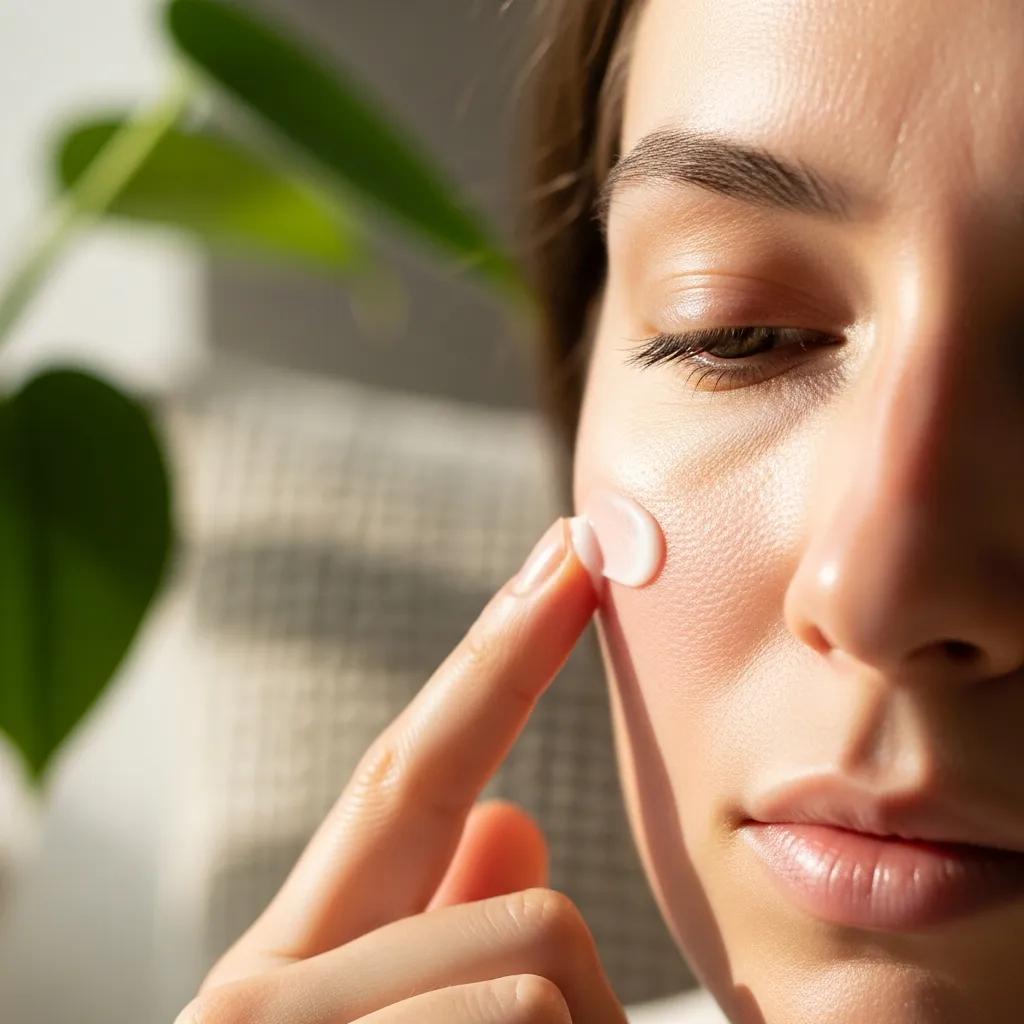
Rosacea formulas prioritize anti‑inflammatory actives like azelaic acid or low‑irritant topical antibiotics combined with soothing emollients and barrier‑supporting ingredients. Compounding avoids harsh alcohols and fragrances and selects vehicles that reduce sting and redness — for example, a calming cream base delivering azelaic acid plus ceramides to help rebuild the barrier. Custom concentrations and avoidance of known triggers reduce flare risk, and pharmacists often recommend starting with alternate‑day use and increasing as tolerated. This cautious plan helps control inflammation while keeping irritation low.
What Anti-Aging Compounded Formulas Help with Wrinkles and Fine Lines?
Anti‑aging compounded formulas commonly combine retinoids, peptides and antioxidants to target wrinkles, texture and photoaging while minimizing irritation through step‑up dosing and hydrating carriers. Pharmacists may start with lower retinoid strengths and add peptides or vitamin C derivatives to support collagen and antioxidant protection. Gradual titration — slowly increasing frequency or concentration — reduces irritation and improves adherence, and pairing with emollients or barrier repair agents boosts tolerance. Regular monitoring and adjustment by the prescriber and pharmacist help optimize results and demonstrate the value of personalized anti‑aging compounding.
Personalized medicine is changing cosmetic formulations, shifting the industry toward products that meet individual skin needs rather than a single universal solution.
Personalized Medicine’s Impact on Cosmetic Product Development
A look at how personalized medicine influences product design, marketing and consumer expectations. Customized formulations are increasingly built to address specific skin challenges and user profiles.
Impact of Personalized Medicines on the Cosmetic Industries, S Bhatt, 2025
How Can You Get Started with Custom Dermatology Prescriptions at Value Drugstore?
Requesting a personalized compounding consultation follows a simple sequence: clinical assessment, prescription submission, compounding, and delivery or pickup. We offer telehealth and online refill options to make the process convenient.
Value Drugstore provides straightforward pathways — telehealth for initial evaluations, online refills for maintenance, and focused pharmacist counseling — so patients can move forward without unnecessary barriers.
Turnaround times depend on formulation complexity, but each request receives pharmacist review for safety and the right vehicle selection before dispensing.
Use this quick step‑by‑step guide to know what to expect.
- Consultation: Book a telehealth or in‑person visit to review diagnosis, prior treatments, allergies and preferences.
- Prescription and Review: The prescriber issues a prescription or the pharmacist reviews an existing order; allergies and interactions are checked.
- Compounding and QC: The pharmacy prepares the medication per protocol, runs quality checks and labels it with clear instructions.
- Delivery/Refill: Receive your medication by pickup or delivery and use online refill services for ongoing therapy.
What Is the Process for Requesting a Personalized Compounding Consultation?
To request a consultation, provide relevant medical history, current medications and allergy information before the appointment; telehealth intake can speed the review. During the consult, the clinician or pharmacist clarifies treatment goals, preferred vehicles and any past reactions, then documents the prescription with the target actives and concentrations if needed. After the pharmacy receives the order, we schedule compounding and give an estimated turnaround. Once dispensed, pharmacists counsel on application, storage and expected timelines for improvement. This structured process supports coordinated care and makes follow‑up adjustments straightforward.
Frequently Asked Questions
What types of skin conditions can benefit from compounded medications?
Compounded medications can help a wide range of skin conditions, including acne, eczema, psoriasis, rosacea, melasma and signs of aging. By tailoring active ingredients and concentrations, compounded formulations can target specific issues that don’t respond well to standard treatments. Patients with sensitive skin may find relief from customized formulas that avoid common irritants, while those with complex conditions can benefit from combination therapies that simplify their regimen.
How do I know if compounded medications are right for me?
Deciding whether compounded medications are right for you starts with a consultation with a clinician or pharmacist. They’ll review your skin condition, prior treatments and any allergies or sensitivities. This evaluation helps determine if a compounded solution would better meet your needs than commercial products. If you have unique concerns or adverse reactions to standard treatments, compounding may be a good option.
What is the role of the pharmacist in the compounding process?
Pharmacists are central to the compounding process: they review prescriptions, select appropriate actives and bases, and ensure safety through quality checks. They assess patient needs, check for interactions, and counsel on application and dosage. Their expertise helps tailor the medication to the individual’s skin condition, improving both safety and effectiveness. Pharmacists also provide ongoing support and adjustments as needed.
Are there any risks associated with compounded medications?
Compounded medications offer many benefits but carry potential risks, such as allergic reactions or improper formulation. To reduce risk, pharmacists follow strict safety protocols, including ingredient verification and quality control. Patients should report side effects or concerns promptly so adjustments can be made. Overall, compounding aims to minimize risks while maximizing therapeutic benefit.
How can I maintain the effectiveness of my compounded medication?
To keep your compounded medication effective, follow the pharmacist’s instructions on application, dosage and frequency. Consistent use is key to good results. Keep open communication with your healthcare team — report side effects or changes in your skin — and schedule follow‑ups so the treatment can be adjusted as needed.
What should I do if I experience irritation from a compounded medication?
If you experience irritation, stop using the product and contact your pharmacist or clinician right away. They’ll assess whether the irritation is due to an ingredient, concentration or application method and recommend adjusting the formulation, changing the dose or trying a different treatment. Prompt communication keeps your skin care safe.
What is the difference between compounded medications and commercially available products?
Compounded medications are made for one person’s specific needs — allowing adjustments to active ingredients, strengths and delivery forms. Commercial products are mass‑produced with fixed formulas that may not suit everyone. Compounding can solve problems related to sensitivities, allergies or unique dosing needs, and that personalization can improve outcomes and satisfaction.
How long does it typically take to receive a compounded medication?
Turnaround time varies with formulation complexity and pharmacy workload. Most compounded prescriptions are ready within a few days to a week. During your consultation, pharmacists will provide a more specific timeline based on the ingredients and any quality checks required.
Are compounded medications covered by insurance?
Insurance coverage for compounded medications varies by plan and medical necessity. Some insurers cover compounded prescriptions when medically required, while others do not. Check with your insurance provider for coverage details and any documentation needed to file a claim.
What safety measures are in place for compounded medications?
Pharmacists follow safety protocols that include prescription review, allergy screening and interaction checks before compounding. We use precise measuring and mixing procedures, verify ingredient identity and calculations, and consider stability for the chosen vehicle. Pharmacists also give clear application instructions and monitor for side effects. These safeguards help minimize risk and build trust in compounded therapies.
Can compounded medications be customized for children or sensitive skin?
Yes. Compounded medications can be adjusted for children or people with sensitive skin by lowering active concentrations, choosing gentler carriers and avoiding common irritants. These tailored formulas improve safety, comfort and adherence for vulnerable groups.
What should I expect during a compounding consultation?
Expect a thorough review of your medical history, current medications and allergies. The pharmacist will discuss your treatment goals, preferred textures and any past reactions. This collaborative conversation ensures the final product fits your needs. After the consult, you’ll get an estimated timeline for compounding and delivery, plus clear instructions on next steps.
How can I ensure the best results from my compounded medication?
Follow the pharmacist’s instructions on application, dosage and frequency. Report side effects or concerns promptly so your care team can adjust the plan. Open communication with both pharmacist and prescriber helps maximize the effectiveness of your compounded therapy and supports long‑term skin health.
Conclusion
Personalized dermatological compounding gives you treatment choices that match your skin’s unique needs, improving effectiveness while reducing irritation. By customizing active ingredients, concentrations and delivery forms, compounded medications can deliver results that standard products may not. Schedule a consultation with Value Drugstore to discuss a tailored plan — our pharmacists are ready to help you find a safer, more comfortable path to healthier skin.