Generic Drugs vs. Brand Name: Key Differences Explained
Generic vs. Brand Name Drugs: Understanding Differences, Effectiveness, and Cost Savings
Generic drugs are legally approved medications that contain the same active ingredient as brand name medicines, while brand name drugs are original formulations marketed under a trademarked name. Understanding this distinction matters because it affects effectiveness, safety monitoring, pill appearance, and out-of-pocket cost for patients choosing prescriptions. This article explains how active and inactive ingredients compare, why generics often cost less, how regulators verify bioequivalence, and practical steps patients can take when deciding between options. Readers will learn what bioequivalence means in plain language, how the FDA evaluates generic approvals, typical cost savings from generics, and real-world scenarios when a brand name may be preferable. The guide also maps concrete actions—checking formularies, watching for excipient allergies, and consulting healthcare professionals—and highlights how pharmacy services like prescription refills and personalized compounding can support safe switches. By the end you’ll have an evidence-based checklist to discuss with prescribers or pharmacists, plus clear criteria to evaluate whether a generic is appropriate for your therapy.
What Are the Key Differences Between Generic and Brand Name Drugs?
Generic and brand name drugs are primarily distinguished by branding, packaging, and nonactive components while sharing the same active pharmaceutical ingredient that produces the therapeutic effect. Manufacturers of generics demonstrate that their product delivers the same exposure to the active drug, but they may use different inactive ingredients—also called excipients—that affect appearance, stability, or tolerability. These differences explain why generics often look different from the original product and why patient counseling matters for identification and allergy checking. Below is a compact comparison to scan key attributes and practical implications quickly.
This table summarizes the core composition and regulatory differences between generic and brand medicines.
| Attribute | Generic | Brand name |
|---|---|---|
| Active ingredient | Same molecule as brand | Same molecule, originator developer |
| Inactive ingredients (excipients) | May differ; variable fillers, dyes | Specific excipients chosen by originator |
| Appearance | Different color/shape allowed | Trademarked trade dress protected |
| Cost | Typically lower due to competition | Higher due to recovered R&D and marketing |
| Approval standard | FDA bioequivalence demonstration | Original NDA with full clinical data |
This comparison shows that equivalence centers on the active ingredient and regulatory proof of similar exposure, while excipient and visual differences are expected and usually harmless. The next subsections explain how active/inactive ingredients vary and why appearance differs.
How Do Active and Inactive Ingredients Vary in Generic vs. Brand Drugs?
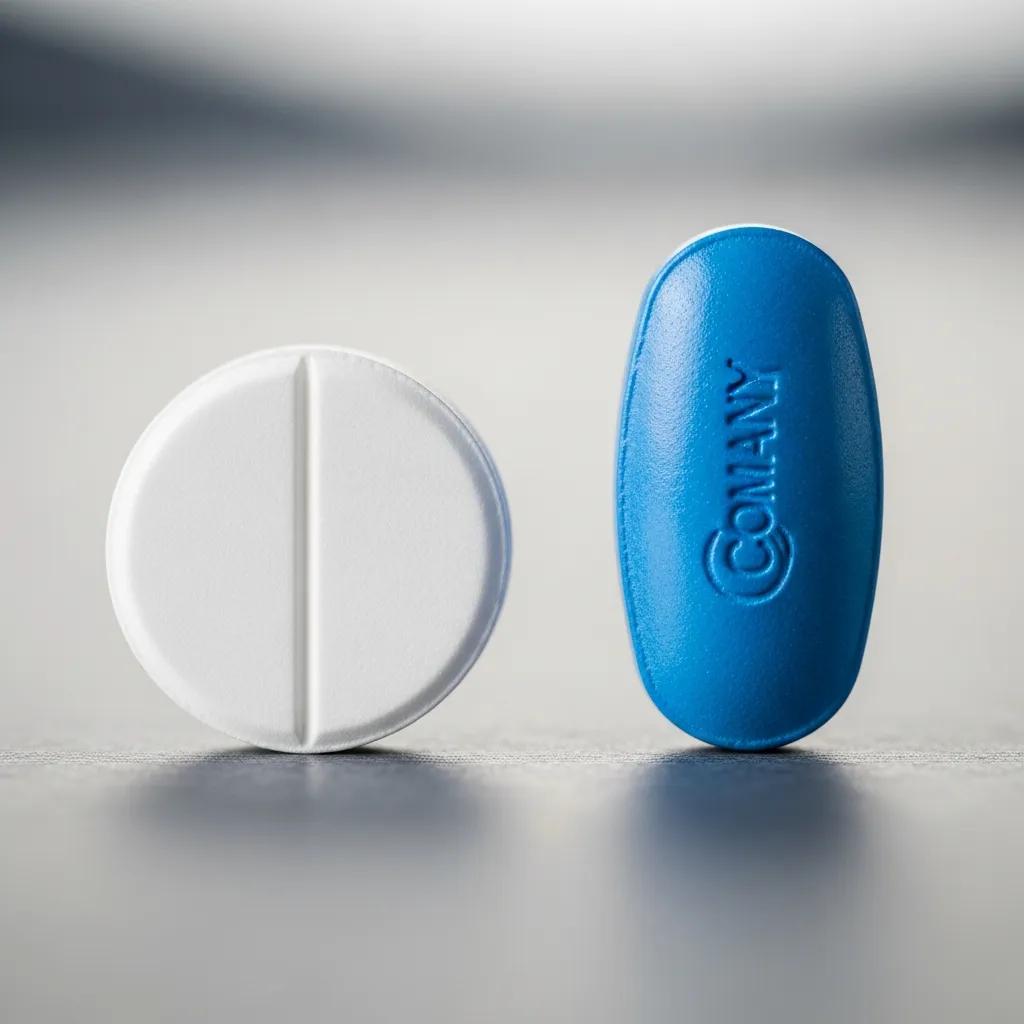
The active ingredient in a generic drug is the same chemical substance responsible for therapeutic effect, and bioequivalence testing ensures similar blood levels and clinical performance. Inactive ingredients—binders, fillers, coatings, and dyes—may differ between products and can influence taste, dissolution rate, or rare allergic reactions, so they matter for some patients. Patients with known excipient sensitivities or unusual absorption concerns should review ingredient lists and consult a pharmacist to identify suitable alternatives or compounding options. Understanding excipient roles helps patients and clinicians weigh tolerability and adherence when switching between formulations.
Why Do Generic Drugs Look Different From Brand Name Medications?
Generic manufacturers cannot copy a brand’s trade dress or trademarked appearance, so pills and packaging must be distinct even when the active ingredient is identical. Regulatory rules permit different shapes, colors, and imprints as long as labeling and identification information is clear to avoid medication errors. Visual differences can cause patient confusion, so pharmacists and prescribers should confirm medication identity at dispensing and counsel patients about expected appearance changes. Simple verification practices—checking active ingredient, strength, and manufacturer imprint—prevent mistaken switches and support safe medication adherence.
Are Generic Drugs as Effective and Safe as Brand Name Drugs?
Yes—generic drugs are considered as effective and safe as brand name drugs when they meet regulatory bioequivalence standards that ensure similar systemic exposure to the active ingredient. Bioequivalence studies compare pharmacokinetic metrics such as area under the curve (AUC) and peak concentration (Cmax) to confirm that a generic delivers the active drug into the bloodstream at comparable levels. Regulators review manufacturing quality, stability, and labeling as part of the approval pathway, and post-marketing surveillance continues to monitor safety once products are widely used. The following table summarizes evidence and regulation points that support clinical confidence in approved generics.
Regulatory and study evidence summarized for patient reassurance and clinical decision-making.
| Evidence / Requirement | What it measures | Practical implication |
|---|---|---|
| Bioequivalence (AUC, Cmax) | Systemic exposure similarity | Predicts equivalent therapeutic effect |
| ANDA review | Quality, labeling, pharmacology | Ensures manufacturing and documentation |
| Post-market surveillance | Adverse events reporting | Detects rare safety signals over time |
Overall, the scientific and regulatory framework supports substituting approved generics for most brand products, with rare exceptions explained below. The next subsections define bioequivalence and outline the FDA approval steps in plain language.
What Does Bioequivalence Mean for Generic Drug Effectiveness?
Bioequivalence means the generic demonstrates similar absorption characteristics to the brand product so that the same dose produces equivalent concentrations in the bloodstream over time. Regulators accept statistical ranges for AUC and Cmax that show no meaningful difference in exposure, which translates into comparable clinical effect for most medications. For patients, bioequivalence indicates the generic should work the same way therapeutically, barring unusual sensitivity to excipients or products with narrow therapeutic windows. If patients notice differences after switching, they should report symptoms and consult their prescriber or pharmacist for assessment.
Generic Drug Bioequivalence and Approval Process
When innovator drugs have to demonstrate their clinical efficacy and safety, generics are based on the demonstration of bioequivalence and are approved via an Abbreviated New Drug Application (ANDA).
Generic drug and bioequivalence studies, 2018
How Does the FDA Approve Generic Drugs for Safety and Quality?
The FDA reviews Abbreviated New Drug Applications (ANDAs) that compile bioequivalence data, manufacturing quality controls, and labeling information rather than repeating full clinical trials. Manufacturers must demonstrate consistent production practices and submit stability and impurity testing to meet quality standards, while the FDA inspects facilities as part of oversight. After approval, adverse event reporting systems and periodic inspections continue to protect safety and enable recalls if problems arise. Patients can check regulatory status via authoritative resources and should discuss any concerns about substitutions with a pharmacist.
Generic Drug Approval: Bioequivalence Data Requirements
Patent Term Restoration Act of 1984, manufacturers seeking approval to market a generic drug must submit data demonstrating that the drug product is bioequivalent to the innovator.
The Generic Drug Approval Process, 1984
Why Are Generic Drugs More Affordable Than Brand Name Drugs?
Generics are more affordable because they enter the market after patent and exclusivity periods expire, enabling multiple manufacturers to produce the same active ingredient without repeating the original developer’s expensive clinical trials. Competition among generic manufacturers drives prices down rapidly as new suppliers enter, and the absence of primary R&D cost recovery allows lower margins. Insurers and formularies also favor generics, which reduces patient copays and increases uptake. The table below outlines the main economic factors that lower generic prices and the typical impact on cost.
| Factor | How it lowers price | Typical impact |
|---|---|---|
| Patent expiry | Allows generic entry | Enables competition |
| No repeat R&D costs | Lower fixed costs per unit | Large reduction in baseline price |
| Multiple competitors | Price competition | Price falls as entrants increase |
These factors combine so that generics commonly offer substantial savings compared with brand products. The following list highlights mechanisms that most directly reduce patient cost and formulary burden.
- Patent expiration opens the market for generic manufacturers.
- Absence of original R&D recovery allows lower pricing strategies.
- Supplier competition leads to rapid price declines as more companies produce the medication.
Altogether, these mechanisms explain why generic alternatives are a core strategy for cost-effective therapy and insurer formularies. Practical tips for maximizing savings follow in the next section.
How Do Patents and Market Competition Affect Drug Pricing?
Patents and regulatory exclusivity grant the originator temporary market protection so developers can recoup research and development investments, which keeps prices higher during exclusivity. When patents expire, generic manufacturers file ANDAs to bring competing versions to market; each successful entrant typically pushes prices down substantially. The level of price decline depends on complexity of manufacturing, number of competitors, and supply chain factors, while payer formularies may still prefer brands for specific clinical reasons. Patients should check coverage tiers and discuss substitutions with their pharmacist to reduce out-of-pocket expenses.
What Are the Typical Cost Savings When Choosing Generic Medications?

Generic drugs often cost substantially less than brand counterparts—commonly yielding savings in the range of 20% to 80% per prescription—though exact percentages vary by drug class and market dynamics. Savings depend on how many manufacturers enter the market and whether the drug is a specialty or complex formulation; some simple generics see prices fall by 80% or more after competition increases. Patients can maximize savings by using formulary-preferred generics, filling 90-day supplies when appropriate, and consulting a pharmacist about lower-cost therapeutic alternatives. Checking with a pharmacist or benefits administrator helps identify the most affordable, clinically appropriate option.
Bioequivalence Studies and Drug Interchangeability Concerns
Interchangeability of drugs is determined by bioequivalence studies comparing the serum concentration versus time curves for the products following single dose administration to fasting volunteers in a randomised crossover design. A number of reports, largely anecdotal, of treatment failure or increased adverse events after switching brands has cast some doubts upon whether bioequivalence testing is sufficient in all cases.
Generic drugs: therapeutic equivalence, 1996
How Can Patients Make Informed Choices Between Generic and Brand Name Drugs?
Patients can follow a simple checklist to make informed medication choices: confirm the active ingredient and strength, review excipient lists for allergies, discuss therapeutic equivalence with prescribers, and monitor symptoms after any switch. Communication with the prescriber and pharmacist is central to safe transitions; documentation of previous tolerability and therapeutic response guides decisions for narrow therapeutic index drugs. Below is a practical step-by-step checklist to use when considering a switch between brand and generic.
Use this checklist when evaluating a medication switch.
- Verify active ingredient and dose: Ensure the generic lists the same active chemical and strength as your prescription.
- Check inactive ingredients: Review excipients for any known allergies or intolerances that could affect tolerability.
- Consult clinical team: Talk to your prescriber and pharmacist about therapeutic equivalence and monitoring plans.
- Monitor effects after switch: Track symptom control, side effects, and adherence for several dosing cycles.
This checklist helps patients reduce risk and maintain therapeutic outcomes while exploring lower-cost alternatives. The next subsections describe clinical scenarios favoring brand use and how a local pharmacy can support personalized choices.
When Should You Consider Brand Name Drugs Over Generics?
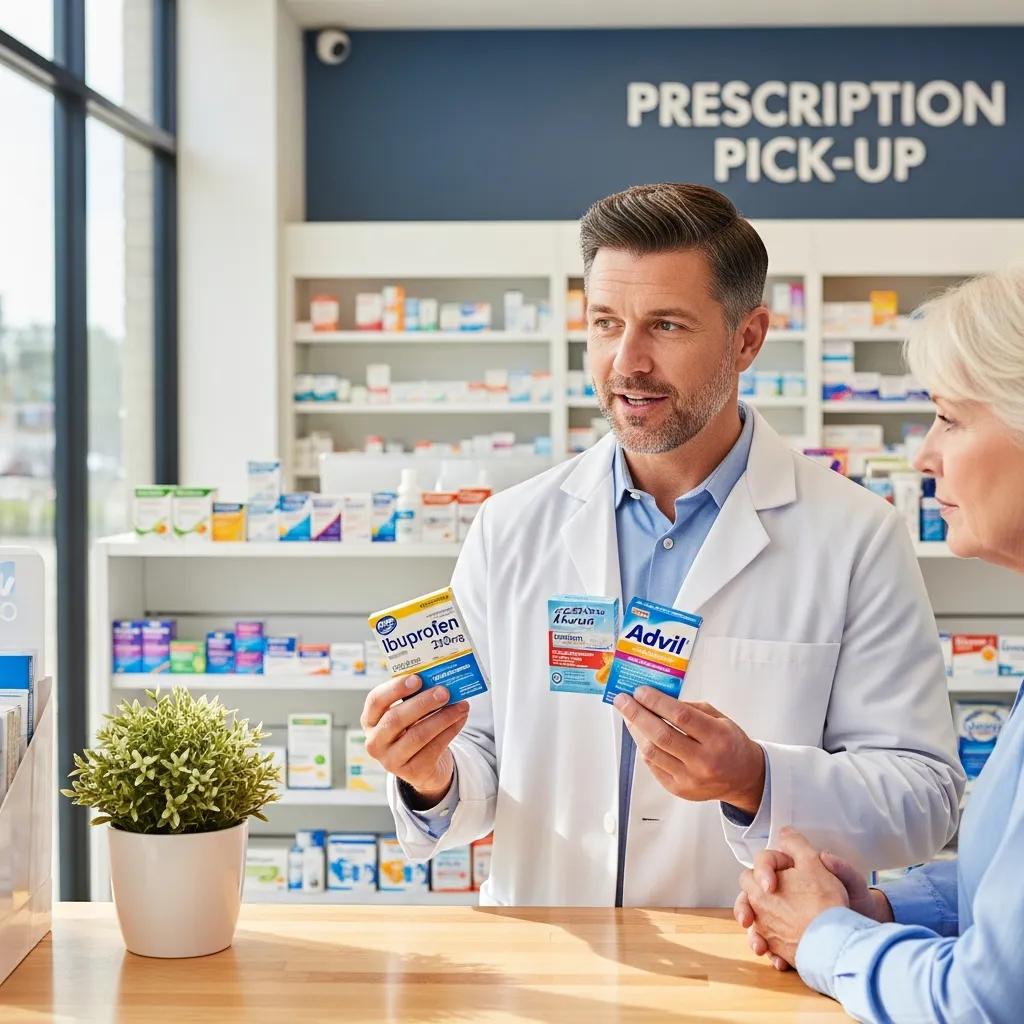
Consider a brand name product if the medication has a narrow therapeutic index, if you experienced documented reduced effectiveness after a generic switch, or if you have a confirmed allergy to a generic’s excipient. Narrow therapeutic index drugs—where small concentration changes affect safety or efficacy—may warrant closer clinician oversight and, in some cases, preference for a particular manufacturer. Patients should bring documented clinical history to prescribers and pharmacists when requesting brand therapy, and pharmacists can advise whether therapeutic drug monitoring or a compounding approach might resolve tolerability issues. For complex situations, a pharmacist consultation helps match clinical nuance to available formulation options.
In situations that require pharmacy-level support, Value Drugstore’s pharmacist consultations can guide scenario-based decisions and help coordinate with prescribers when a brand-name prescription is clinically justified. Pharmacists can review prior medication responses, check for excipient sensitivities, and recommend monitoring strategies or compounding alternatives when standard generics are unsuitable.
How Does Value Drugstore Support Personalized Medication Choices?
Value Drugstore provides pharmacist-led medication counseling, prescription refill support, and personalized compounding services to help patients evaluate generic versus brand options and manage tolerability or formulation issues. Patients can request pharmacist consultation to review active and inactive ingredients, discuss therapeutic monitoring, and explore compounding when standard products do not meet clinical needs. The pharmacy also assists with affordable prescription refill pathways and cost-saving guidance to help balance clinical appropriateness with financial considerations. For questions about switching or to arrange a medication review, contact the pharmacy and ask to speak with a pharmacist such as Minh Luong, Pharm.D., MBA, for clinical guidance and refill assistance.