
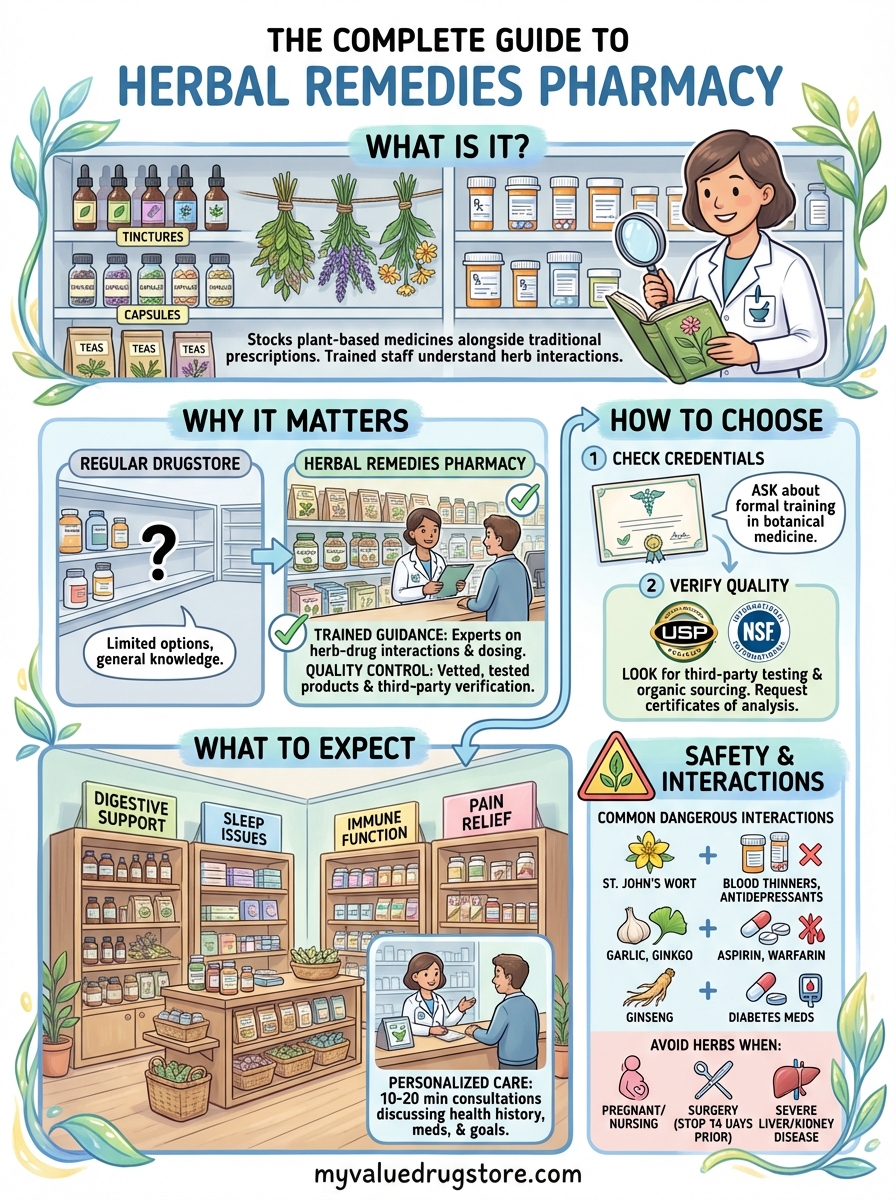
A herbal remedies pharmacy is a pharmacy that stocks and sells plant based medicines like tinctures, capsules, teas, and supplements alongside traditional prescription medications. These pharmacies often have trained staff who understand how herbs work, can recommend specific products for your health concerns, and help you avoid dangerous interactions with your other medications. You might find black cohosh for menopause symptoms, echinacea for immune support, or St. John’s wort for mood balance on their shelves.
This guide walks you through everything you need to know about finding and working with a herbal remedies pharmacy in your area. You’ll learn what makes these pharmacies different from regular drugstores, how to choose one that fits your needs, what services they typically offer, and when herbs might not be safe for you. We’ll also cover how to talk with your pharmacist about combining herbal and conventional medicine safely.
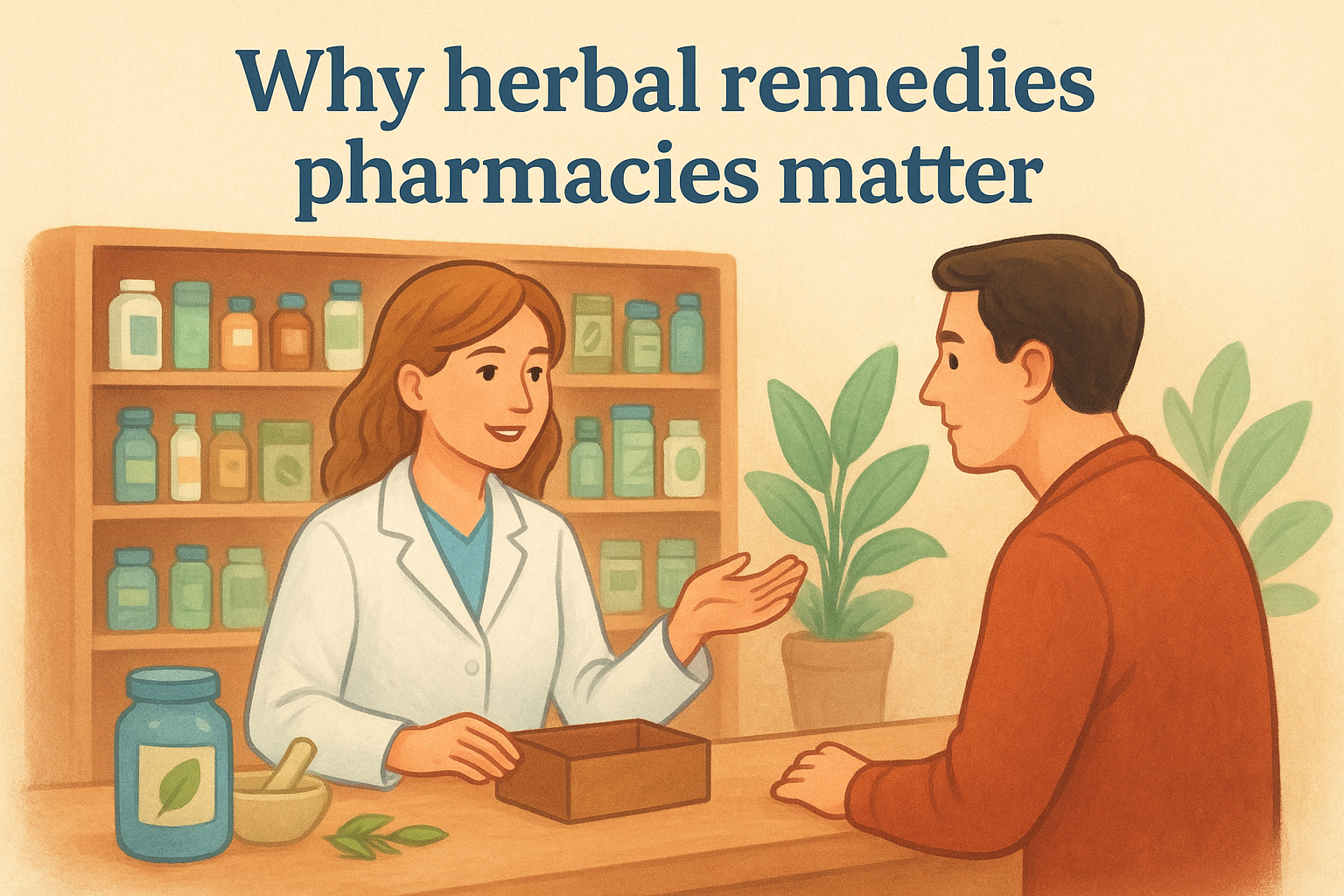
Why herbal remedies pharmacies matter
These specialized pharmacies bridge the gap between conventional medicine and natural healing that you won’t find at typical chain drugstores. While a standard pharmacy might stock a handful of generic vitamins, a herbal remedies pharmacy carries hundreds of botanical products and employs staff trained in herbal interactions with prescription medications. This matters because mixing herbs with your regular medicines can cause serious problems without proper guidance.
Access to trained guidance
You get direct access to pharmacists who understand both pharmaceutical drugs and botanical medicine. These professionals can answer questions about proper dosing, warn you about potential herb-drug interactions, and suggest alternatives when one product doesn’t work for your situation. They know which brands use third-party testing for quality and which ones to avoid.
A trained herbalist or pharmacist can prevent dangerous combinations that your regular doctor might miss.
Quality control matters
The herbal supplement industry has minimal FDA oversight, which means product quality varies wildly between manufacturers. Specialized pharmacies vet their suppliers, stock verified and tested products, and refuse to carry brands with contamination histories. You’re less likely to waste money on ineffective products or risk your health with contaminated or mislabeled supplements when you shop at these locations.
How to choose a herbal remedies pharmacy
Finding the right herbal remedies pharmacy starts with asking specific questions about their expertise and products. You want a location where staff can explain herb-drug interactions, recommend appropriate dosages, and source products from reputable manufacturers. The pharmacy you choose should feel like a partner in your health, not just a store selling supplements.
Check staff credentials and knowledge
Your first step is asking about pharmacist qualifications in herbal medicine. Look for pharmacies where at least one staff member has completed formal training in botanical medicine, herbalism, or integrative pharmacy programs. You can test their knowledge by asking about a specific herb’s interactions with common medications like blood thinners or antidepressants. Staff who give vague answers or push products without asking about your current medications and health conditions raise red flags.
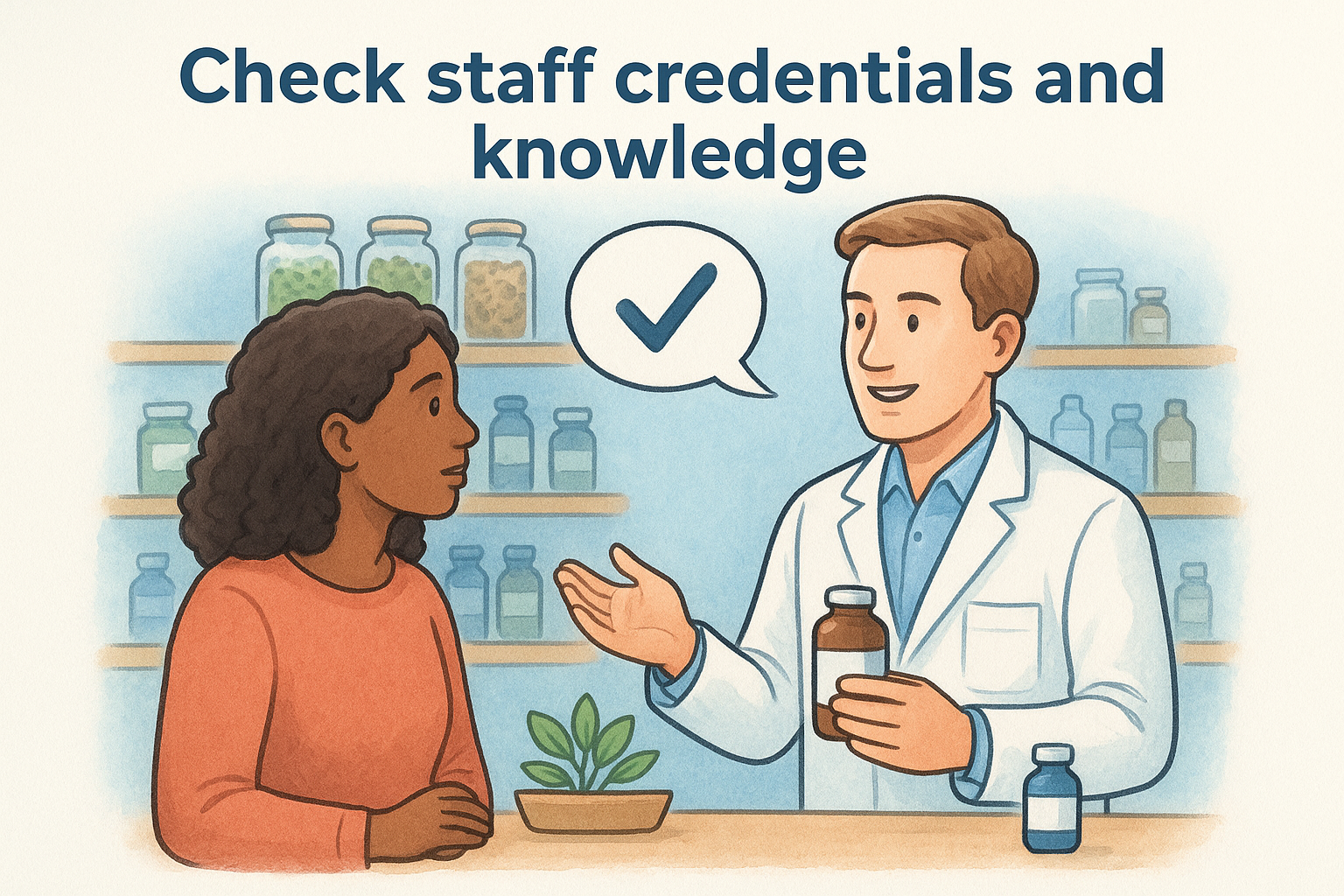
The right pharmacy staff will ask you detailed questions before recommending any herbal product.
Verify product quality standards
Quality control separates trustworthy pharmacies from risky ones. Ask which third-party verification programs their products carry, such as USP Dietary Supplement Verification or NSF International certification. These programs test for contamination, verify ingredient accuracy, and confirm proper manufacturing practices. Pharmacies that stock organic or wildcrafted herbs from known suppliers demonstrate higher standards than those carrying random brands. You should also ask how they handle product recalls and whether they track lot numbers for safety purposes.
Request to see certificates of analysis for any product you’re considering. Legitimate pharmacies either keep these documents on file or can quickly obtain them from manufacturers.
What to expect from a herbal remedies pharmacy
Walking into a herbal remedies pharmacy looks different from your typical drugstore experience. You’ll find organized sections dedicated to specific health conditions like digestive support, sleep issues, immune function, and pain relief. Most locations display products by category rather than brand, making it easier to compare different herbal formulations for the same problem. Staff typically greet you and ask if you need help finding something specific, since these pharmacies emphasize personalized service over quick transactions.
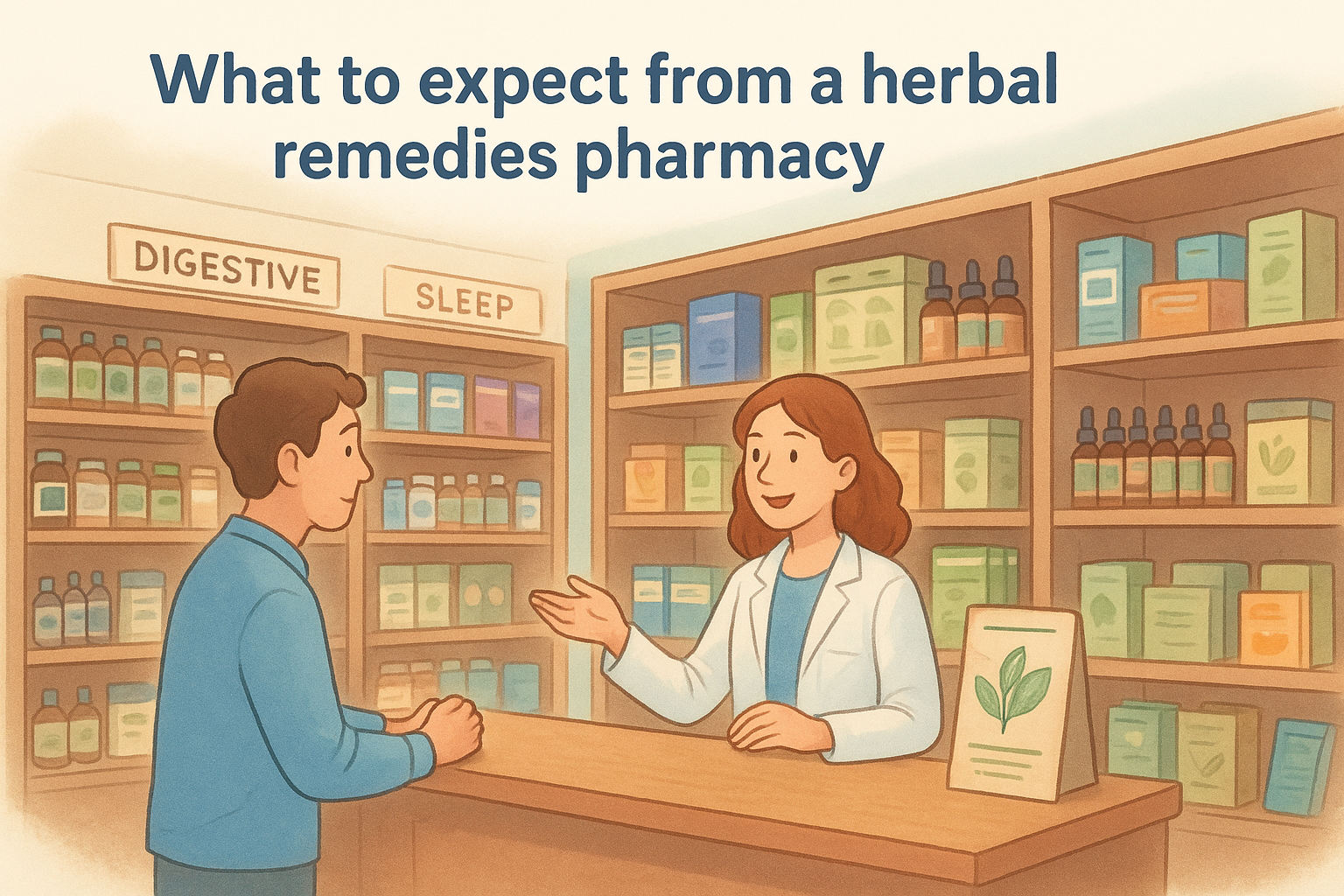
Product selection and organization
The inventory includes tinctures, capsules, teas, dried herbs, and topical preparations from multiple manufacturers. You’ll see products tested by third-party verification programs displayed prominently, with quality certifications visible on labels or shelf tags. Many pharmacies maintain a section for locally sourced or organic herbs, along with information cards explaining each plant’s traditional uses and modern research. Pricing varies widely depending on product quality, with certified organic or wildcrafted options costing more than standard extracts.
Consultation services and personalized care
Expect to spend 10 to 20 minutes discussing your health concerns during your first visit. Pharmacists ask about your current medications, medical conditions, and specific symptoms before recommending any herbal products. They’ll explain proper dosing, potential side effects, and how long you should wait to see results.
Quality herbal pharmacies treat consultations as educational opportunities, not sales pitches.
Safety, interactions, and when to avoid herbs
Herbal products carry real risks despite their natural origins, and some combinations with prescription medications can land you in the emergency room. Your herbal remedies pharmacy should screen every product against your current medication list before you make a purchase. The FDA classifies herbs as food supplements rather than drugs, which means they skip the rigorous testing process that pharmaceuticals undergo. This lack of oversight creates dangerous gaps in safety information.
Common dangerous interactions
Certain herbs interfere with how your body processes medications, making them either too strong or completely ineffective. St. John’s wort reduces the effectiveness of birth control pills, antidepressants, and blood thinners by speeding up your liver’s drug metabolism. Garlic and ginkgo biloba increase bleeding risk when combined with aspirin or warfarin. Ginseng can spike your blood sugar if you take diabetes medications, while black cohosh may worsen liver conditions or hormone-sensitive cancers.
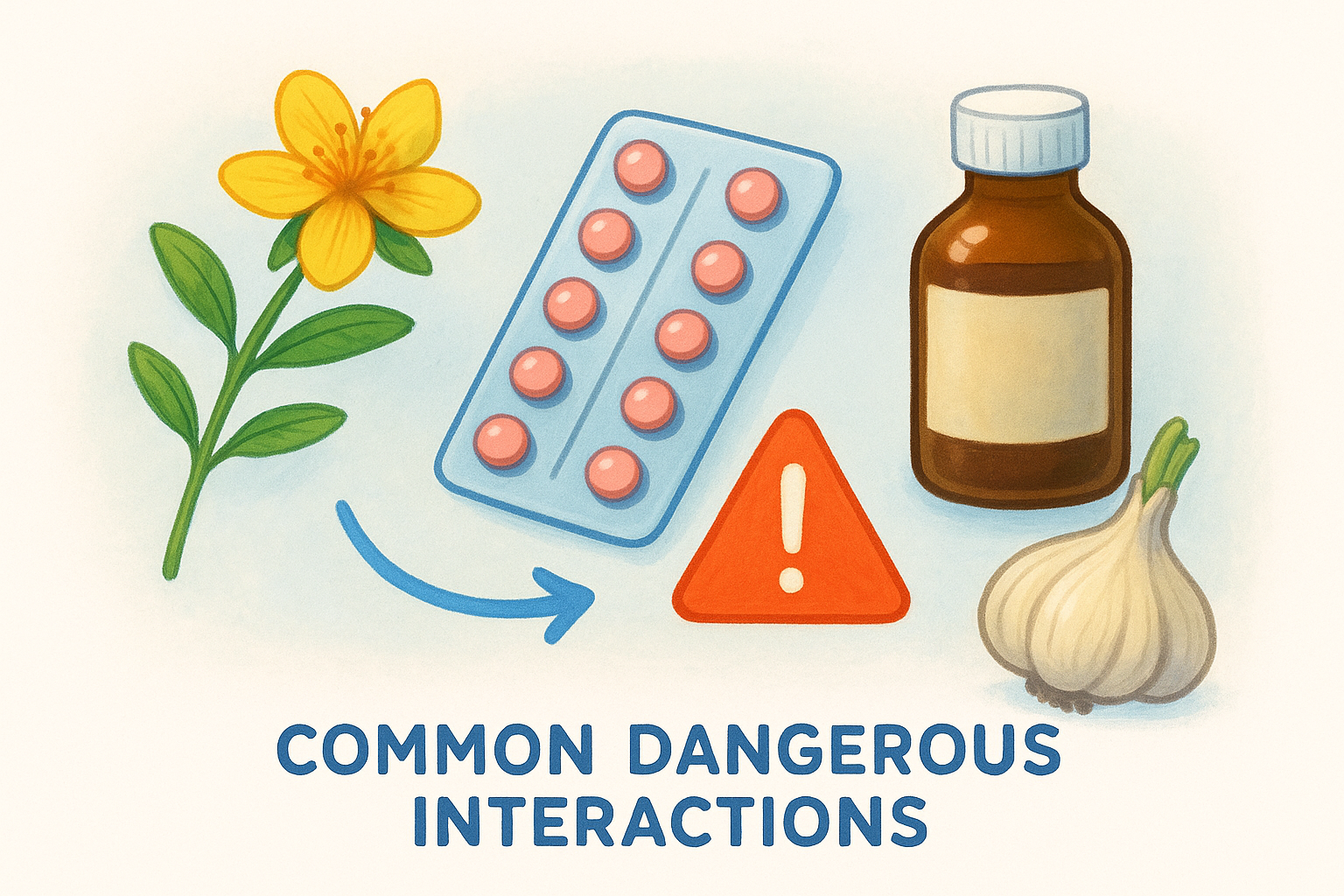
Always bring your complete medication list, including over-the-counter drugs and supplements, when consulting about new herbs.
When you should avoid herbs entirely
Skip herbal products if you’re pregnant, nursing, or planning surgery within two weeks. Pregnant women face particular risks since many herbs trigger uterine contractions or cross the placental barrier, potentially harming the developing baby. Surgeons require you to stop all herbal supplements at least 14 days before any procedure because they interfere with anesthesia and blood clotting. You should also avoid herbs if you have severe liver or kidney disease, as your body can’t process these substances properly. Children under 12 need pediatric-specific guidance since standard adult dosing can prove toxic for smaller bodies.
Herbal remedies and natural care at Value Drugstore
Value Drugstore brings the benefits of a specialized herbal remedies pharmacy to the Belvedere Square community with personalized service you won’t find at chain stores. The pharmacy stocks a curated selection of natural supplements, vitamins, and herbal products chosen for quality and effectiveness. Staff members take time to discuss your specific health goals and current medications before recommending any herbal products, ensuring you avoid dangerous interactions covered in the previous section.
Expert guidance meets community care
Your pharmacist consultation includes detailed discussions about proper dosing, expected results, and monitoring plans for any herbal remedy you choose. The team maintains relationships with local suppliers when possible and prioritizes products with third-party verification and quality certifications. You can combine this personalized herbal care with Value Drugstore’s other services like free prescription delivery, telehealth consultations, and immunizations, creating a comprehensive approach to your health in one location.
Personalized attention from trained pharmacists who know your health history makes herbal medicine safer and more effective.
Your next step for herbal care
Starting your herbal medicine journey requires finding a herbal remedies pharmacy that prioritizes your safety and provides knowledgeable guidance. You’ve learned how to evaluate pharmacy credentials, understand product quality standards, and recognize dangerous herb-drug interactions. Your next action is scheduling a consultation with trained pharmacy staff who can review your current medications and health goals before recommending specific products.
Value Drugstore combines this specialized herbal expertise with the convenience and personal attention you deserve. Learn more about our commitment to personalized, community-focused healthcare and schedule your first herbal consultation today. Your health goals deserve the expertise and care that only an independent, locally-focused pharmacy can provide.